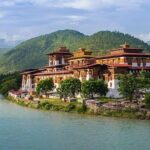
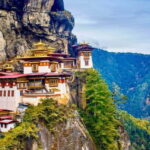
If you’re heading to Bhutan and love uncovering history through authentic settings, a visit to the Paro-Ta Dzong should be high on your list. This museum isn’t just a collection of relics; it’s a narrative of Bhutan’s soul, housed in a fortress that once guarded the valley from invasions. We’re talking about a place that combines history, spirituality, and natural beauty into one compelling experience.
What makes this tour special? First, the location itself — a circular watchtower with thick stone walls and winding corridors that make you feel like you’ve stepped back in time. Second, the diverse exhibits — from vibrant thangka paintings over 500 years old to royal regalia that tell stories of Bhutan’s monarchy. Third, the panoramic views — the ramparts offer sweeping vistas of Paro Valley that are worth every step.
However, a note of consideration: the museum involves quite a bit of walking across seven floors and uneven surfaces, which might be tiring for some visitors, especially at higher elevations. Still, for those interested in Bhutanese culture, history, or architecture, this experience is a treasure trove. It’s particularly well-suited for history buffs, cultural enthusiasts, and travelers who enjoy immersive, meaningful sightseeing.
- Good To Know
- Exploring the History and Architecture of Paro-Ta Dzong
- The Artistic Treasures: Thangkas and Religious Art
- Royal Artifacts and Cultural Heritage
- Connecting Bhutan and Nature
- The Hidden Shrine and Panoramic Views
- Practical Information and Tips
- Authentic Reviews and Insights
- The Sum Up
- Frequently Asked Questions
- The Best Of Paro!
- More Museum Experiences in Paro
- More Tour Reviews in Paro
- Not for you? Here's more nearby things to do in Paro we have reviewed
Good To Know
- Housed in a historic watchtower with impressive circular architecture
- Features ancient thangka paintings over 500 years old and vibrant Buddhist art
- Displays royal artifacts such as weapons, attire, and regalia
- Highlights Bhutan’s natural connection with exhibits like butterfly specimens and wildlife
- Includes a quiet shrine room, often overlooked but deeply spiritual
- Offers panoramic views of Paro Valley from the ramparts
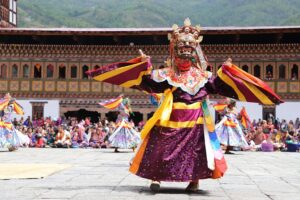
👉 See our pick of the 6 Best Historical Tours In Paro
Exploring the History and Architecture of Paro-Ta Dzong
The National Museum of Bhutan is not your average display of artifacts. Its location in the Ta-Dzong, originally built as a watchtower, adds a layer of historical significance that enhances every exhibit. The fortress’s circular shape, thick stone walls, and winding corridors create a fortress-like ambiance that encourages exploration and reflection.
Travelers often comment on how the building itself feels like a time capsule. One reviewer mentioned, “Walking through the thick walls and narrow passages, I felt like I was stepping into a fortress that defended the valley centuries ago.” This architecture isn’t just for show; it’s a deliberate design meant to evoke the resilience and protection Bhutan’s ancestors valued.
As you ascend through the seven floors, each level reveals a different facet of Bhutanese culture. From the ground up, the exhibits move from more utilitarian artifacts to spiritual relics and royal treasures, creating a layered experience that’s both educational and emotionally resonant.
You can also read our reviews of more museum experiences in Paro
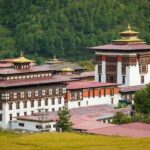
The Artistic Treasures: Thangkas and Religious Art
One of the highlights that travelers consistently praise is the collection of ancient thangka paintings, some over five centuries old. These vibrant textiles, often illustrating Buddhist legends, are full of symbolic detail and meticulous craftsmanship.
Visitors have shared that “the colors and detail on the thangkas are breathtaking,” and many appreciate the way these artworks narrate stories with visual richness. These paintings serve as spiritual guides, and seeing them in the context of their original setting adds depth to their significance.
The museum also displays ritual relics like ceremonial masks, conch shells, and conch horns — objects that have played key roles in Bhutanese spiritual life. These artifacts offer insight into how religion and daily life are intertwined in Bhutan.
Royal Artifacts and Cultural Heritage
A section dedicated to royal artifacts brings Bhutan’s monarchical history to life. Items such as traditional weapons, ornate attire, and regalia reflect the country’s regal legacy. The exhibit gives visitors a tangible sense of the monarchy’s influence and the cultural pride that permeates Bhutanese society.
One reviewer noted, “Seeing the regalia and weapons really made me appreciate the history and traditions that still shape Bhutan today.” These artifacts are displayed thoughtfully, allowing you to imagine the lives of Bhutan’s kings and queens while appreciating their craftsmanship.
Connecting Bhutan and Nature
The museum doesn’t just focus on human history; it emphasizes Bhutan’s deep bond with nature. The natural history section features delicate butterfly specimens, preserved wildlife, and even an impressive armillary sphere used by astrologers.
This connection between spirituality, astrology, and the natural world is a core part of Bhutanese identity. As one visitor remarked, “It’s fascinating how astrology influences daily life here — I even saw a display on how planetary movements guide important events.” The natural history exhibits highlight the country’s unique harmony with its environment.
More Great Tours NearbyThe Hidden Shrine and Panoramic Views
Tucked away at the top of the building is a quiet shrine room, often missed by visitors who focus on the exhibits below. This space holds relics revered in Bhutanese tradition, providing a peaceful spot for reflection.
Outside, the ramparts offer sweeping views of Paro Valley, making the climb worthwhile. Many mention that “standing at the ramparts, you feel like you’re on the edge of a storybook, with the valley stretching out below.” The combination of history, spirituality, and scenery creates a multi-layered experience.


Practical Information and Tips
- Price & Value: At $3,500 per group (up to 8), this experience offers good value considering access to all exhibits, the panoramic views, and the rich storytelling. It’s ideal for small groups seeking an in-depth cultural experience without rushing through.
- What’s Included: Entry to the museum, access to all exhibits, and the stunning valley view. No guide or transport is included, so plan accordingly.
- What to Wear & Bring: Comfortable shoes are essential due to the uneven floors and multiple levels. Photography may be restricted in some areas, so check signage or ask staff.
- Accessibility: The high elevation might be challenging for those with mobility issues or fatigue problems.
- Additional: Consider pairing this visit with a walk to Paro Rinpung Dzong for a comprehensive understanding of the area.
Authentic Reviews and Insights
Many visitors appreciate the quiet, contemplative atmosphere of the museum, contrasting with more commercialized attractions. One review noted, “It feels like stepping into a living cultural archive, not a tourist trap,” emphasizing the authenticity.
Others mention the staff’s helpfulness, with some describing guides as knowledgeable, which enhances the experience. While the tour doesn’t come with a guide, the exhibits are well-curated, and staff are available for questions.
The Sum Up
A visit to Paro-Ta Dzong offers a comprehensive glimpse into Bhutan’s spiritual, royal, and natural worlds. Its historic architecture, exquisite artworks, and panoramic views create a memorable experience that balances education with tranquility. While it involves some walking and attention to elevation, the richness of the exhibits and the authenticity of the setting make it a meaningful stop for those interested in understanding Bhutan beyond its scenic landscapes.
This tour is best suited for travelers eager to explore Bhutan’s cultural fabric in an intimate setting, especially those who value history, art, and spiritual traditions. It provides good value for the price, given the depth of insight and the stunning vistas it offers.
Frequently Asked Questions
Is transportation to the museum included? No, transportation to and from the museum is not included. You’ll need to arrange your own transport or join a tour package that covers logistics.
Can I visit the museum on my own? Yes, the entry includes access to all exhibits, but no guide is provided. You can explore independently or hire a guide locally if desired.
Is there an age limit or suitability concern? The museum involves quite a bit of walking and navigating uneven floors, so consider this if traveling with young children or those with mobility issues.
What should I wear? Comfortable, sturdy shoes are recommended. Since the museum is at a high elevation, dress in layers to stay comfortable.
Are there any restrictions on photography? Yes, photography may be restricted in certain areas. Check signage or ask staff for guidance.
How long does the visit usually take? Most visitors spend around 1-2 hours exploring the exhibits and enjoying the views, but it depends on your pace.
Is the high-altitude environment a concern? If you’re sensitive to altitude, take it easy and stay hydrated. The altitude can make walking more tiring.
What makes this museum unique compared to others? Its historic fortress setting, the authentic collection of royal and spiritual artifacts, and the panoramic valley views set it apart.
Can I combine this with other nearby attractions? Absolutely. Many visitors pair the museum visit with a walk down to Paro Rinpung Dzong or enjoy the surrounding landscape for a full day of exploration.
You can check availability for your dates here: More Great Tours Nearby