Paris, once a bastion of royal splendor, underwent a profound transformation as the 18th century waned. The lavish lifestyles of monarchs and nobles stood in stark contrast to the hardships faced by the burgeoning masses, fueling a fire of resentment. Enlightenment thinkers stirred aspirations for liberty, equality, and fraternity, culminating in the iconic storming of the Bastille—a decisive moment that marked the shift from absolute rule to revolutionary fervor. As the city grappled with its rapidly changing identity, the question remained: how would these seismic shifts redefine not just Paris, but the very fabric of France itself?
- Key Points
- The Rise of the Monarchy
- Key Figures of the Monarchy
- Paris Before the Revolution
- The Spark of Revolution
- Major Events of the Revolution
- The Fall of the Monarchy
- Legacy of the Revolution
- Impact on Modern Paris
- Questions You May Have
- What Is the Best Time to Visit Paris for Historical Tours?
- Are There Any Age Restrictions for Participating in the Tour?
- What Should I Wear for a Walking Tour in Paris?
- How Can I Cancel My Tour Reservation if Needed?
- Is the Tour Available in Languages Other Than Spanish?
- Break Down
- The Best Of Paris!
- More Tour Reviews in Paris
- Not for you? Here's more nearby things to do in Paris we have reviewed
Key Points
- The Capetian dynasty established centralized authority in France, leading to cultural and economic advancements before the Revolution.
- The late 18th-century Paris showcased opulence, with a stark contrast between the elite’s lavish lifestyles and the struggles of the common people.
- Enlightenment ideals and rising bread prices fueled discontent, culminating in the convening of the Estates-General in 1789.
- The Storming of the Bastille became a symbol of resistance, igniting the revolutionary spirit and demanding change in governance.
- The monarchy’s fall was marked by King Louis XVI’s isolation and public anger towards the excesses of the royal lifestyle, particularly symbolized by Marie Antoinette.

👉 See our pick of the 25 Best Shopping Tours In Paris
The Rise of the Monarchy
In the heart of medieval Europe, the rise of the French monarchy marked the beginning of a powerful dynasty that would shape the nation’s identity and influence its destiny for centuries to come.
Emerging from the feudal chaos of the 10th century, leaders like Hugh Capet unified fragmented territories. His coronation signified a shift towards centralized authority, setting the stage for future kings.
With each generation, the monarchy solidified its power, fostering cultural and economic growth. The hotel of the Capetian dynasty brought stability, enabling advancements in art, architecture, and governance.
As the monarchy expanded its influence, it laid the groundwork for a unified France, forever altering the course of European history and paving the way for both prosperity and conflict in the centuries to follow.
You can also read our reviews of more tours and experiences in Paris.



Key Figures of the Monarchy
The French monarchy was shaped by a series of influential figures whose reigns defined the nation’s political landscape and cultural identity, from the early Capetians to the opulent Bourbon kings. Notable monarchs like Louis XIV, the Sun King, centralized power, transforming France into a cultural epicenter. Meanwhile, Louis XVI’s reign saw both extravagance and turmoil, ultimately leading to revolution. Marie Antoinette, often vilified, symbolized the monarchy’s excesses but also represented a complex figure in history. These rulers left indelible marks on Paris, shaping its architecture, arts, and societal norms.
| Monarch | Key Contributions |
|---|---|
| Louis XIV | Centralized power; built Versailles |
| Louis XVI | Oversaw reforms; faced revolution |
| Marie Antoinette | Symbol of excess; cultural influence |
| Henry IV | Promoted religious tolerance |
| Louis XIII | Strengthened royal authority |
Paris Before the Revolution
How did Paris transform into a city of grandeur and excess before the storm of revolution?
In the late 18th century, Paris burgeoned with opulence, showcasing lavish palaces, grand boulevards, and exquisite gardens. The powerful monarchy poured resources into monumental architecture, including the majestic Louvre and the iconic Notre Dame Cathedral, captivating both locals and visitors alike.
Aristocrats hosted extravagant soirées in opulent salons, flaunting their wealth while the city’s vibrant marketplaces buzzed with life. Cultural pursuits flourished, as writers, philosophers, and artists thrived in this creative epicenter.
Yet, beneath this glittering surface, a growing disconnect simmered between the elite’s excess and the struggles of ordinary Parisians, setting the stage for the upheaval that would soon follow.
The Spark of Revolution
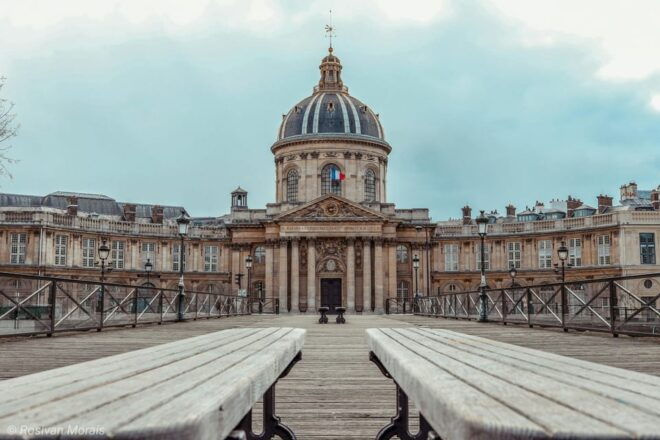
Amidst the opulence of late 18th century Paris, a potent mix of discontent and desire ignited the flames of revolution. The common people grew weary of the stark disparities between their struggles and the lavish lifestyles of the aristocracy.
Rising bread prices and oppressive taxes stoked the anger of the working class, who felt neglected and marginalized. Intellectuals began to challenge traditional authority, inspired by Enlightenment ideals of liberty and equality.
As pamphlets circulated, voices grew louder, and gatherings transformed into fervent discussions of change. The Estates-General’s convening in 1789 became the tipping point, as frustrations boiled over, setting the stage for a monumental shift that would forever alter the landscape of France and inspire revolutions worldwide.
More Great Tours NearbyMajor Events of the Revolution
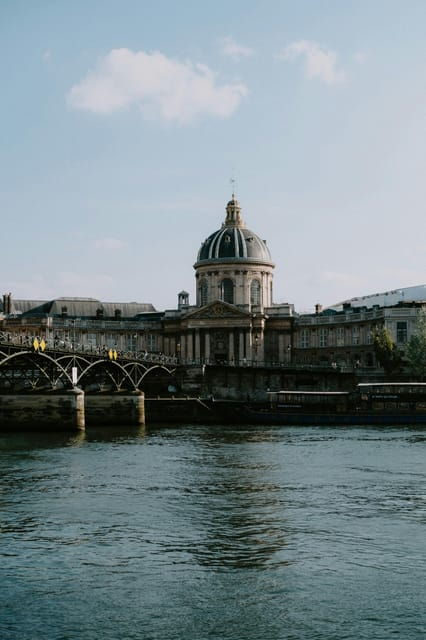
France’s tumultuous journey through the major events of the Revolution marked a dramatic shift in power, as the people rose against tyranny and sought to redefine their nation’s identity. Key moments shaped the course of history:
Storming of the Bastille: On July 14, 1789, the prison’s fall became a symbol of resistance against oppression, igniting the revolutionary spirit across France.
Declaration of the Rights of Man and of the Citizen: This pivotal document, adopted in August 1789, articulated the principles of liberty, equality, and fraternity, unifying the populace.
Women’s March on Versailles: In October 1789, thousands of women marched to demand bread and justice, forcing the royal family back to Paris, demonstrating the power of the people.
These events encapsulated the fervor and urgency of the Revolution, forever altering France’s trajectory.


The Fall of the Monarchy
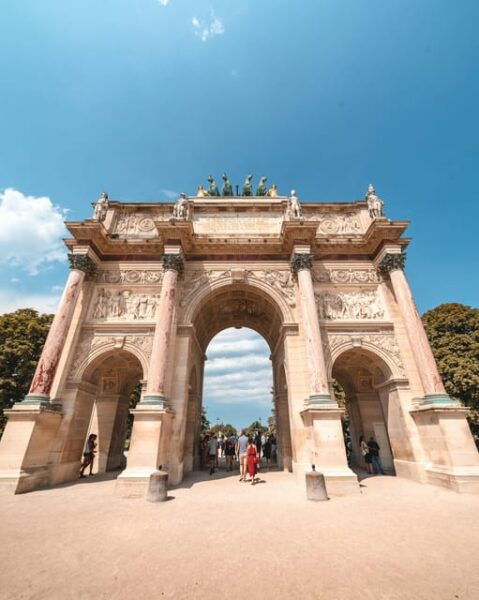
The monarchy in France crumbled under the weight of mounting discontent and revolutionary fervor, as citizens increasingly demanded accountability and change from their rulers.
King Louis XVI, once seen as a symbol of grandeur, found himself isolated amid a sea of unrest. The extravagant lifestyle of the royal family clashed starkly with the struggles of common people, fueling resentment.
In 1789, the storming of the Bastille ignited a firestorm of rebellion, leading to the king’s eventual capture and trial. Marie Antoinette, his queen, faced similar wrath, embodying the excesses of the monarchy.
Legacy of the Revolution
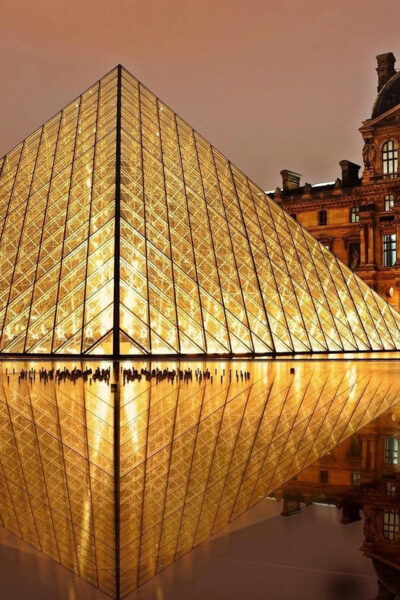
With the monarchy’s fall, France embarked on a transformative journey, shaping a legacy that would redefine the nation’s identity and inspire revolutions worldwide. This legacy manifested in three profound ways:
Universal Rights: The Declaration of the Rights of Man and of the Citizen established principles of liberty, equality, and fraternity, echoing across borders.
Political Ideologies: The Revolution birthed ideas like democracy and nationalism, influencing countless movements and governments globally.
Cultural Shifts: Art, literature, and philosophy flourished, with revolutionary themes permeating works by figures like Victor Hugo and Rousseau.
The Revolution’s impact reshaped not only France but also the world, igniting a fire of change that continues to resonate today.
Impact on Modern Paris
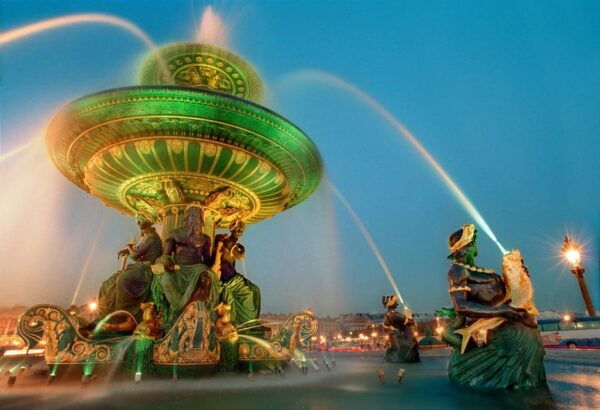
Transforming the landscape of modern Paris, the echoes of revolution continue to shape its vibrant culture, architecture, and social fabric.
Streets once marked by turmoil now host bustling cafés where ideas flourish, reflecting the revolutionary spirit of inquiry and change.
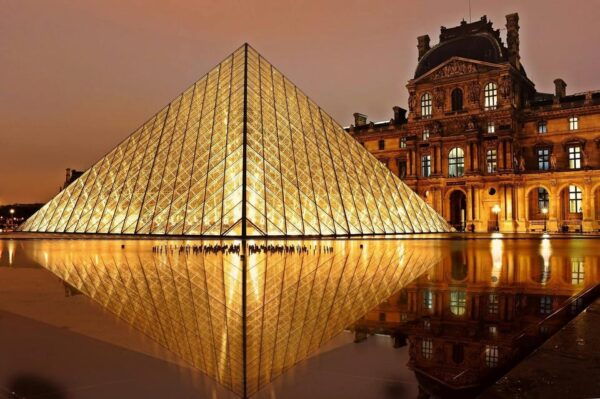
Iconic landmarks, like the Louvre and Notre Dame, tell stories of resilience, drawing millions who seek to understand their layered histories.
Public spaces, such as the Place de la République, serve as platforms for contemporary activism, echoing the cries for liberty and equality.
The city’s commitment to preserving historical sites alongside modern innovations illustrates a delicate balance between honoring the past and embracing the future, making Paris a living testament to the enduring impact of its revolutionary roots.
Questions You May Have
What Is the Best Time to Visit Paris for Historical Tours?
For historical tours, spring and fall offer mild weather and fewer crowds. Visitors love strolling through historic sites, enjoying vibrant gardens, and soaking in the captivating stories shared by knowledgeable guides, making unforgettable memories.
Are There Any Age Restrictions for Participating in the Tour?
There aren’t any specific age restrictions for the tour. Families often enjoy it together, as the engaging storytelling captivates both young and older participants, making it a memorable experience for everyone involved.
What Should I Wear for a Walking Tour in Paris?
For a walking tour in Paris, she should wear comfortable sports shoes, dress in layers for changing weather, and bring an umbrella. Staying stylish yet practical will enhance her experience while exploring the city’s rich history.
How Can I Cancel My Tour Reservation if Needed?
To cancel a tour reservation, they can do so up to 24 hours in advance for a full refund. It’s a simple process, ensuring flexibility and peace of mind for all participants involved.
Is the Tour Available in Languages Other Than Spanish?
The tour’s primarily offered in Spanish, but it’s worth checking for availability in other languages. Participants should inquire directly with the provider to explore options for a multilingual experience that suits their needs.
Break Down
In the wake of the Revolution, Paris transformed into a beacon of liberty and equality, forever altering its identity.
The echoes of the Bastille’s storming resonated through the streets, inspiring future generations to challenge oppression and seek justice.
This vibrant city, once steeped in monarchical grandeur, emerged as a symbol of resilience and change.
Today, Paris stands not only as a testament to its revolutionary past but also as a living reminder of the enduring quest for freedom.
You can check availability for your dates here: More Great Tours Nearby