Olive oil tasting, the pinnacle of sophistication and refinement, where one can truly indulge in the art of discerning flavors and aromas. It’s an activity that surely rivals the excitement of watching paint dry or grass grow.
However, for those who are willing to venture into this world, they will be rewarded with a sensory experience like no other. From the pungent and grassy notes of Greek olive oils to the delicate and floral hints of Italian oils, the world of olive oil tasting is a fascinating journey of exploration and discovery.
So, if you’re ready to embark on this epicurean adventure, prepare to tantalize your taste buds and unlock the secrets of this liquid gold.
- Good To Know
- Health Benefits of Olive Oil
- The Different Types of Olive Oil
- How to Properly Taste Olive Oil
- Pairing Olive Oil With Food
- Tips for Hosting an Olive Oil Tasting Event
- Common Mistakes to Avoid When Tasting Olive Oil
- Where to Buy High-Quality Olive Oil
- Common Questions
- How Long Does an Olive Oil Tasting Event Usually Last?
- Can I Bring My Own Bread or Other Food Items to Pair With the Olive Oil?
- Are There Any Age Restrictions for Participating in an Olive Oil Tasting Event?
- Is There a Dress Code for Attending an Olive Oil Tasting Event?
- Can I Purchase the Olive Oils That Are Being Tasted at the Event?
- The Sum Up
- The Best Of Crete!
- More Food & Drink Experiences in Crete
- More Tour Reviews in Crete
- Not for you? Here's more nearby things to do in Crete we have reviewed
Good To Know

- Olive oil tasting involves observing the color and clarity, smelling the aroma, and noting the flavor profile.
- Olive oil is categorized into different types based on quality and production process.
- Olive oil has numerous health benefits, including reducing bad cholesterol levels and protecting against heart disease and inflammation.
- Olive oil is widely used in culinary applications, such as salad dressings, sautéing, frying, and baking.

👉 See our pick of the 12 Best Snorkeling Experiences In Crete
Health Benefits of Olive Oil
Olive oil offers numerous health benefits that make it a valuable addition to any diet.
Not only is it a staple in Mediterranean cuisine, but it’s also known for its high content of monounsaturated fats, which can help lower bad cholesterol levels and reduce the risk of heart disease.
Along With its heart-healthy properties, olive oil is rich in antioxidants, such as vitamin E, which can protect the body against free radicals and inflammation.
On top of that, the production of olive oil involves minimal processing, ensuring that it retains its natural nutrients and flavors. This makes it an ideal choice for cooking, as it can enhance the taste of various dishes while providing health benefits.
Whether drizzled over salads, used for sautéing, or incorporated into marinades, olive oil adds a unique and nutritious element to any meal.
You can also read our reviews of more food & drink experiences in Crete



The Different Types of Olive Oil

When it comes to olive oil, there are various types to choose from, each with its own unique characteristics and uses. Here are four different types of olive oil to consider:
Extra Virgin Olive Oil: This is the highest quality and most flavorful olive oil. It’s made from cold-pressed olives and has a low acidity level. Extra virgin olive oil is ideal for drizzling over salads and vegetables, or for dipping bread.
Virgin Olive Oil: This type of olive oil is also made from cold-pressed olives but has a slightly higher acidity level than extra virgin olive oil. It’s great for sautéing and baking.
Pure Olive Oil: This is a blend of virgin and refined olive oils. It has a milder flavor and higher smoke point, making it suitable for frying and grilling.
Light Olive Oil: Contrary to its name, light olive oil isn’t lower in calories or fat. It’s simply a lighter flavor and color. This oil is versatile and can be used for all types of cooking.
Understanding the different types of olives and olive oil production processes can help you choose the right oil for your culinary needs.
How to Properly Taste Olive Oil

After exploring the different types of olive oil, it’s time to dive into the art of properly tasting this beloved culinary ingredient. To fully appreciate the flavors and nuances of olive oil, it’s important to follow a proper tasting technique. Here are the steps to taste olive oil like a pro:
- Pour a small amount of olive oil into a small, rounded glass or cup.
- Hold the glass in one hand and warm it by covering the top with the other hand. This helps to release the aroma.
- Swirl the oil gently in the glass to release its aromas further.
- Take a deep sniff to catch the fragrance of the oil.
- Finally, take a small sip and let it coat your mouth, allowing the flavors to develop.
Pairing Olive Oil With Food
To enhance your culinary experience, learning how to pair olive oil with food is essential. Olive oil isn’t just a cooking ingredient; it’s a flavorful addition that can elevate the taste of your dishes.
Here are four key points to consider when pairing olive oil with food:
Flavor Profile: Different olive oils have distinct flavors, ranging from mild and buttery to robust and peppery. Consider the flavor profile of the oil and choose foods that complement its taste.
Intensity: The intensity of the olive oil should match the intensity of the dish. Delicate oils are best paired with lighter dishes like salads and seafood, while robust oils can enhance the flavors of grilled meats and hearty stews.
Regional Pairings: Olive oils from different regions have unique characteristics. Pairing oils from a specific region with dishes from the same region can create a harmonious and authentic culinary experience.
History and Tradition: Explore the history of olive oil and its traditional uses in various cuisines. Experiment with traditional pairings to discover new and exciting flavor combinations.
Tips for Hosting an Olive Oil Tasting Event
If you’re planning to host an olive oil tasting event, here are some helpful tips to ensure a successful and enjoyable experience for your guests.
First, it’s important to provide a variety of olive oils for tasting, including different types such as extra virgin, virgin, and flavored oils.
Educate your guests about the history of olive oil production, highlighting its origins in Mediterranean cultures and its significance as a culinary staple.
Plus, emphasize the benefits of using olive oil in skincare, explaining how its antioxidants and moisturizing properties can nourish and hydrate the skin.
Set up a tasting station with small cups, bread or crackers for palate cleansing, and note cards for guests to record their impressions.
Encourage discussion and exploration, allowing guests to savor the unique flavors and aromas of each oil.






Common Mistakes to Avoid When Tasting Olive Oil

One common mistake to avoid when tasting olive oil is neglecting to warm the oil before sampling. Heating the oil slightly can help release its flavors and aromas, allowing for a more accurate tasting experience.
Along With this, there are several other common misconceptions and mistakes that people often make when tasting olive oil. Here are four important points to keep in mind:
Use a proper tasting vessel: It’s essential to use a small, narrow-mouthed glass or cup to concentrate the aromas of the oil. Avoid using plastic or metal containers, as they can affect the taste.
Take your time: Rushing through the tasting process can prevent you from fully appreciating the nuances of the oil. Take small sips, allowing the oil to coat your palate and linger.
Evaluate the color: Contrary to popular belief, the color of olive oil doesn’t indicate its quality. Instead, focus on the aroma, taste, and texture to assess its quality.
Store olive oil properly: To maintain its freshness and prevent it from going rancid, store olive oil in a cool, dark place away from direct sunlight and heat sources. Avoid keeping it near the stove or oven.
Where to Buy High-Quality Olive Oil
When searching for high-quality olive oil, it is important to consider reputable specialty stores and trusted producers. These establishments offer assurance that the olive oil is authentic and of superior quality. Plus, they often have a wide selection of olive oil varieties to choose from, allowing consumers to explore different flavor profiles and find their preferred taste. One can also find authentic olive oil by visiting local farmers’ markets, where small-scale producers showcase their products. These producers often have a deep understanding of the history of olive oil production and follow traditional methods to ensure the highest quality. By purchasing olive oil from these sources, consumers can support local producers and experience the true flavors of this ancient and beloved culinary staple.
| Where to Find Authentic Olive Oil | The History of Olive Oil Production |
|---|---|
| Reputable specialty stores | Traditional methods |
| Trusted producers | Small-scale producers |
| Local farmers’ markets | Ancient culinary staple |
Common Questions
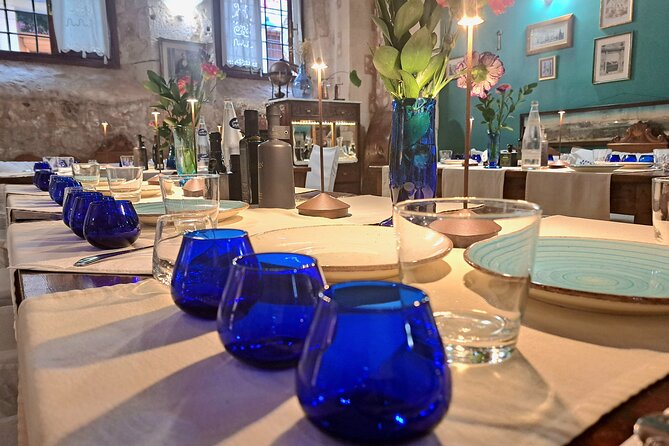
How Long Does an Olive Oil Tasting Event Usually Last?
An olive oil tasting event usually lasts around 1-2 hours. Participants will learn how to properly taste olive oil and have the opportunity to try different types of olive oil. It’s an engaging and informative experience.
Can I Bring My Own Bread or Other Food Items to Pair With the Olive Oil?
Yes, guests are welcome to bring their own bread or other food items to pair with the olive oil during the tasting event. It can enhance the experience and provide a personalized touch to the tasting.
Are There Any Age Restrictions for Participating in an Olive Oil Tasting Event?
Age restrictions for participating in an olive oil tasting event vary depending on the hotel. However, it is important to note that olive oil has numerous health benefits and can be enjoyed by individuals of all ages.
Is There a Dress Code for Attending an Olive Oil Tasting Event?
There is no specific dress code mentioned for attending an olive oil tasting event. However, it is generally recommended to dress comfortably and in a manner that shows respect for the event and its participants.
Can I Purchase the Olive Oils That Are Being Tasted at the Event?
Yes, guests can purchase the olive oils that are being tasted at the event. This adds to the overall tasting experience, allowing attendees to bring home their favorite flavors and continue enjoying them.
The Sum Up
To sum it up, venturing into the world of olive oil tasting is a journey that promises to awaken your senses and enhance your culinary experiences.
With its diverse flavors and health benefits, olive oil has rightfully earned its place as a cherished ingredient in Mediterranean cuisine.
By understanding the different types of olive oil, learning how to properly taste it, and experimenting with food pairings, you can elevate your appreciation for this liquid gold.
So, embark on this flavorful adventure and let olive oil be your guide to a world of gastronomic delights.