Like a shadow cast over the City of Light, the Occupation of Paris during World War II stands as a haunting testament to the strength and spirit of its people. For four long years, the German forces held the city captive, imposing their will upon its streets and its people.
But within the darkness, a flicker of resistance began to ignite, as brave men and women fought back against the oppression. As the tides of war turned, the moment of liberation approached, promising a new dawn for Paris.
In this tale of courage and resilience, the reader will be transported to a time when the future of a city and its people hung in the balance, forever leaving an indelible mark on history.
- Good To Know
- The Occupation of Paris
- Life Under German Rule
- Resistance Movements
- Liberation and the Battle for Paris
- Aftermath and Legacy
- Common Questions
- How Did the Occupation of Paris During WWII Impact the Daily Lives of Its Residents?
- What Were Some of the Key Resistance Movements That Operated in Paris During the German Occupation?
- How Did the Liberation of Paris Unfold and What Role Did the French Resistance Play in It?
- What Were the Immediate Consequences of the Liberation of Paris in Terms of Political and Social Changes?
- How Did the Occupation and Liberation of Paris Shape the City’s Cultural and Historical Legacy?
- The Sum Up
- The Best Of Paris!
- More Tour Reviews in Paris
- Not for you? Here's more nearby things to do in Paris we have reviewed
Good To Know
- Occupation of Paris during World War II was characterized by strict German regulations, movement restrictions, and curfews.
- Daily life in Paris under German rule was marked by food and resource shortages, as well as economic hardships.
- The Germans heavily censored artistic expression, banning French books, films, and music, and enforcing their own customs and traditions.
- Despite these challenges, French resistance movements emerged, engaging in acts of sabotage, espionage, and guerrilla warfare, becoming symbols of hope and defiance.

👉 See our pick of the 25 Best Shopping Tours In Paris
The Occupation of Paris
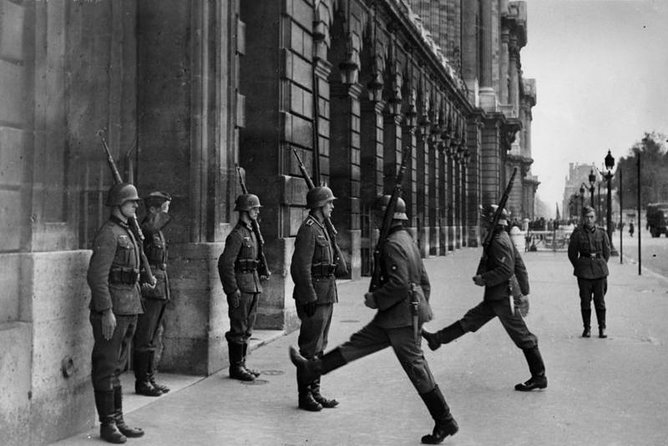
During the Occupation of Paris, the city was under the control of German forces from 1940 to 1944. Life during this time was marked by significant challenges and hardships. The German occupation had a profound cultural impact on the city, as Parisians were forced to adapt to the presence of the occupying forces.
Many aspects of everyday life were affected, from restrictions on movement and curfews to shortages of food and resources. The cultural scene was also greatly affected, with strict censorship imposed on artistic expression. Paris, known for its vibrant art scene, saw many artists and writers going into hiding or joining the resistance.
Despite the difficult circumstances, Parisians maintained their resilience and spirit, finding ways to resist and preserve their cultural heritage.
You can also read our reviews of more tours and experiences in Paris.



Life Under German Rule
Life under German rule in Paris was a time of immense challenges and hardships for its inhabitants. The daily struggles faced by the people were overwhelming.
The Germans imposed strict regulations and restrictions on the city, making life difficult in every aspect. Cultural suppression was a major issue, as the Germans sought to control and suppress the French culture. They banned French books, films, and music, and instead promoted their own propaganda. French citizens were forced to adapt to German customs and traditions, losing their sense of identity and freedom.
The occupation also brought economic hardships, as resources were scarce and the population suffered from food shortages. It was a time of fear, uncertainty, and constant surveillance, as the German authorities maintained a tight grip on the city.
Parisians longed for liberation and freedom from the oppressive German rule.
Resistance Movements
Resistance against the German occupation of Paris was a courageous and determined fight for freedom by the French people. The resistance movement employed various strategies to undermine the German forces and disrupt their control over the city.
One of the key strategies was the hotel of underground networks, which allowed resistance fighters to communicate, gather intelligence, and coordinate their actions. These networks operated covertly, often under the noses of the German authorities, and played a crucial role in supporting acts of sabotage, espionage, and guerrilla warfare.
The resistance fighters utilized their knowledge of the city’s streets, buildings, and transportation systems to their advantage, making it difficult for the Germans to track and apprehend them.
Through their unwavering determination and resourcefulness, the resistance movements in Paris became a symbol of hope and defiance during a dark period in French history.
Liberation and the Battle for Paris
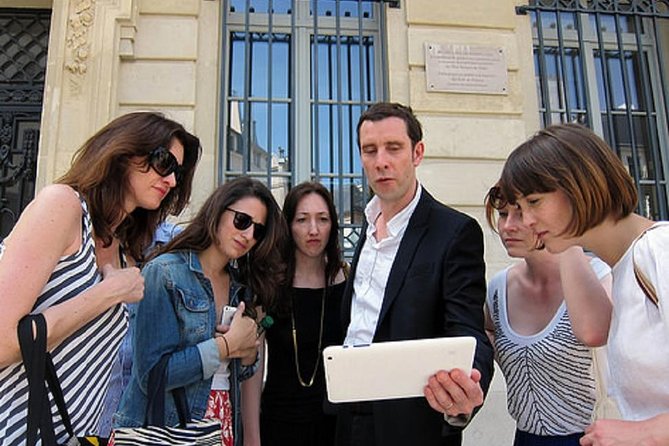
The courageous efforts of the resistance movements in Paris paved the way for the liberation and fierce battle that would ensue for the freedom of the city. As the Nazi occupation began to crumble in August 1944, the Paris Liberation became a significant turning point in World War II.
The battle strategies employed by the Allied forces were crucial in liberating the city from German control. The Allies, led by General Charles de Gaulle, carefully planned their approach, utilizing a combination of air and ground attacks to weaken the German defenses. The resistance fighters played a vital role in gathering intelligence and sabotaging German operations, further weakening their hold on the city.
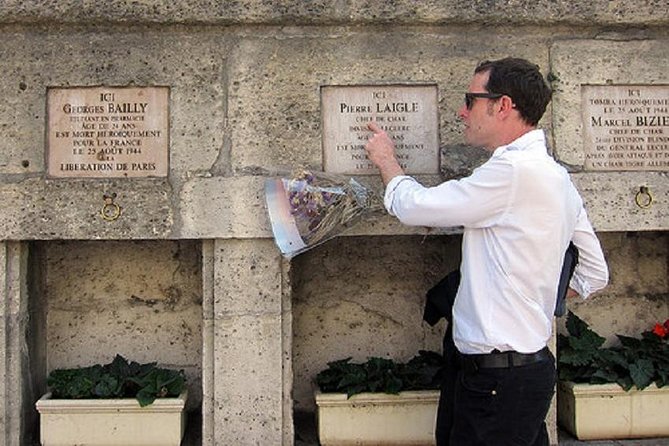
The liberation of Paris wasn’t without its challenges, as the Germans fiercely defended their positions, resulting in intense street fighting. However, the determination and resilience of the Allied forces, along with the support of the Parisian resistance, ultimately led to the liberation of the city on August 25, 1944.
Paris was free once again, symbolizing a significant victory in the fight against Nazi occupation.
Aftermath and Legacy

In the wake of the liberation of Paris, the city was left grappling with the lasting effects and profound significance of its newfound freedom. The aftermath and legacy of this pivotal moment in history had a tremendous impact on the cultural and social landscape of Paris.
Here are three key aspects that highlight the significance of the liberation:
Impact and Remembrance: The liberation of Paris served as a symbol of hope and resilience for the French people. It was a defining moment that showcased the power of unity and resistance against oppression. The memory of this event continues to be celebrated and commemorated, reminding future generations of the importance of freedom and the strength of the human spirit.
Cultural Changes: The liberation of Paris brought about a wave of cultural transformation. It sparked a renaissance in the arts, literature, and music, as artists and intellectuals were inspired by the newfound sense of liberation and expression. Paris became a hub for creativity and innovation, attracting artists from around the world and solidifying its reputation as a cultural capital.
Social Changes: The liberation of Paris also had a profound impact on society. It marked the end of Nazi occupation and the restoration of democratic values and human rights. Women, who played a crucial role in the resistance movement, gained a newfound sense of empowerment and equality. The liberation also led to social reforms and the rebuilding of the city, which revitalized neighborhoods and improved living conditions for its residents.
The aftermath and legacy of the liberation of Paris continue to shape the city’s identity and serve as a powerful reminder of the enduring impact of freedom and the resilience of its people.




Common Questions
How Did the Occupation of Paris During WWII Impact the Daily Lives of Its Residents?
The occupation of Paris during WWII had a profound impact on the daily lives of its residents. It affected the economy and caused psychological effects, altering the city’s dynamics and leaving a lasting impact on its people.
What Were Some of the Key Resistance Movements That Operated in Paris During the German Occupation?
Some key resistance movements that operated in Paris during the German occupation were the French Resistance, the National Front, and the Liberation-Nord group. The occupation greatly impacted the daily lives of Paris residents.
How Did the Liberation of Paris Unfold and What Role Did the French Resistance Play in It?
The French resistance played a crucial role in the liberation of Paris. Their acts of sabotage and guerrilla warfare weakened German control, paving the way for the Allied forces. This victory boosted French morale and marked a turning point in the war.
What Were the Immediate Consequences of the Liberation of Paris in Terms of Political and Social Changes?
The immediate consequences of the liberation of Paris were significant political reforms and social transformation. The city experienced a wave of change, with new leadership and policies shaping the post-liberation era.
How Did the Occupation and Liberation of Paris Shape the City’s Cultural and Historical Legacy?
The occupation and liberation of Paris had a profound cultural impact and historical significance. It shaped the city’s legacy by influencing its art, literature, and architecture, while also leaving a lasting mark on the collective memory of the French people.
The Sum Up
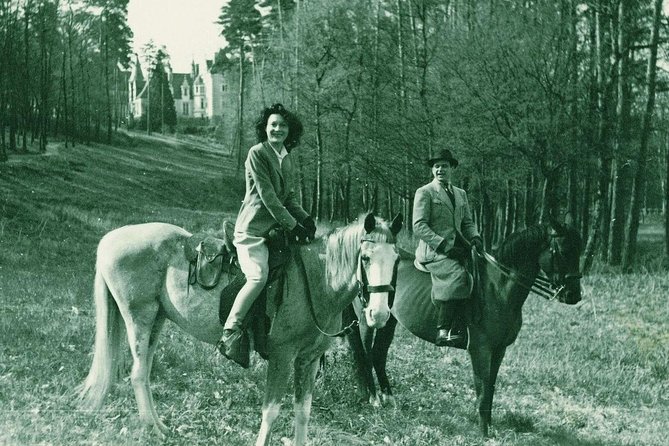
To sum it up, the occupation and liberation of Paris during World War II was a defining moment in the city’s history.
The four years of German occupation brought hardship and persecution, but also showcased the bravery and resilience of the French Resistance.
The liberation in August 1944 marked a turning point, symbolizing the triumph of freedom over tyranny.
This event had a profound impact on the subsequent rebuilding and rejuvenation of Paris, leaving a lasting legacy for generations to come.