
Planning an authentic look into Louisiana’s plantation era? This tour offers a well-rounded experience of two historic plantations—St. Joseph and Felicity—that are packed with stories, stunning architecture, and a touch of Hollywood magic. It’s a thoughtfully curated 3-hour journey that balances educational insights with beautiful sights, making it a worthwhile addition to any cultural itinerary.
What we really love about this tour is how it brings history to life through original furnishings and architecture, the chance to see preserved slave cabins, and its connection to current farming practices. Plus, Felicity’s appearance in several films adds an extra layer of charm for movie fans. The only thing to consider is that the tour involves walking through historic sites, so comfortable shoes are a must. This experience suits history enthusiasts, cultural explorers, or anyone wanting a meaningful glimpse into Louisiana’s complex past.
- Good To Know
- An Authentic Journey through Louisiana’s Plantations
- Starting Point: St. Joseph Plantation
- Moving Next Door: Felicity Plantation
- What Sets This Tour Apart
- Practical Details and Value
- Why This Tour Works Well
- Final Thoughts
- FAQs
- More Guided Tours in Vacherie
- More Tours in Vacherie
- More Tour Reviews in Vacherie
- Not for you? Here's more nearby things to do in Vacherie we have reviewed
Good To Know
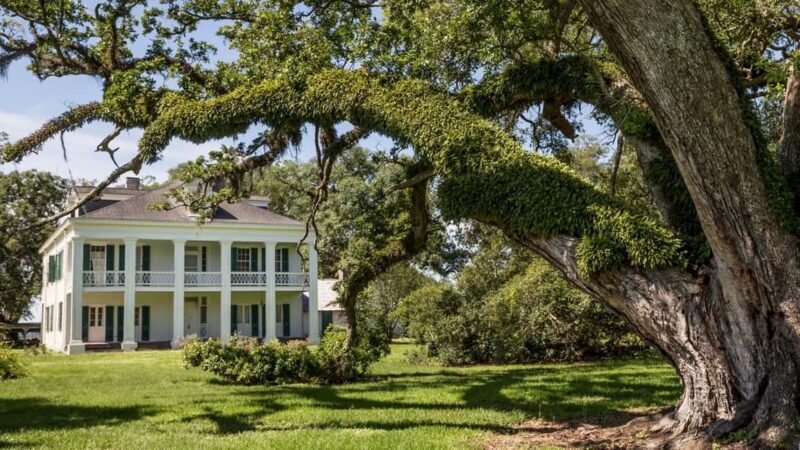
- Authentic Experience: Guided tours of two working plantations with original buildings and furnishings.
- Historical Depth: Insight into the families, enslaved people, and laborers who shaped the sites.
- Architectural Beauty: Stunning Creole and Greek Revival architecture that highlights Louisiana’s unique style.
- Film Connection: Felicity Plantation’s role in popular movies and TV shows adds a pop culture twist.
- Active Farm: Visitors see an ongoing sugarcane operation, connecting past and present.
- Value for Price: At $46 per person, the tour offers a comprehensive look at Louisiana’s plantation history with knowledgeable guides.
An Authentic Journey through Louisiana’s Plantations
This guided tour offers a compelling way to understand Louisiana’s plantation history without feeling like just another tourist. It’s perfect for travelers who want a respectful, educational experience that respects the significance of the sites. Here’s what you can expect from each part of the tour.
You can also read our reviews of more guided tours in Vacherie

Starting Point: St. Joseph Plantation
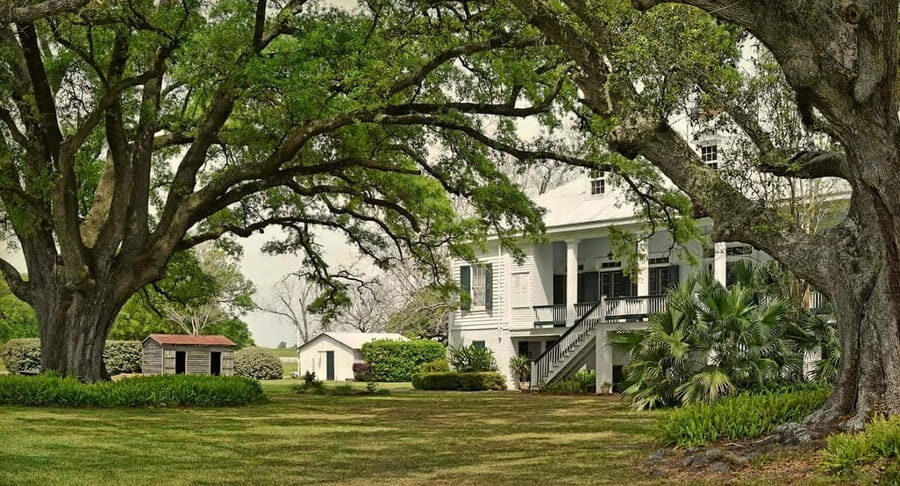
The tour kicks off at St. Joseph Plantation, built in 1830. What sets this house apart is that it’s still owned by descendants of the original family, which means it remains in the hands of those who truly understand its legacy. When you step onto the porch, you’re greeted by a house that boasts Creole architecture, a style that combines French, Spanish, and Caribbean influences—a true visual treat.
Inside, the house is adorned with original family furnishings, offering a glimpse into antebellum life. Our guide, who was friendly and knowledgeable, emphasized that this property has remained remarkably intact, with many rooms still decorated as they might have been in the 19th century. We loved hearing about the families who lived here and how the plantation persisted through centuries despite the hardships of slavery and economic shifts.
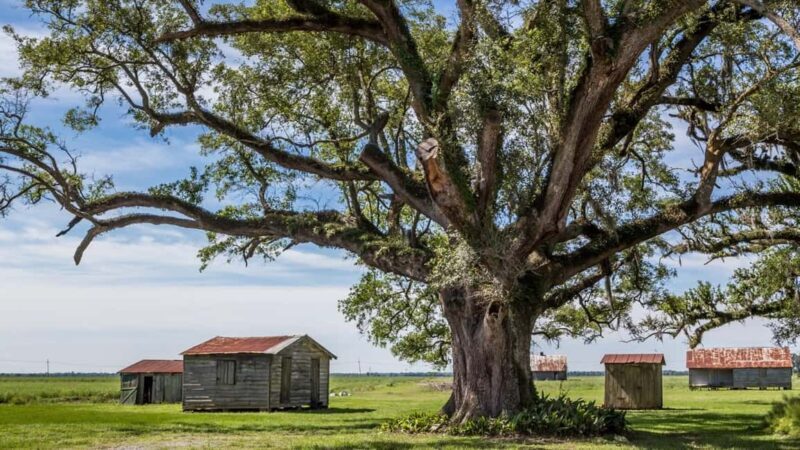
Walking through the spacious galleries and rooms, you’ll learn about the enslaved men, women, and children who built and maintained the plantation. The guide pointed out original outbuildings including slave cabins—important structures that tell stories of resilience, survival, and the harsh realities of plantation life. Some reviews mentioned that these cabins, though simple, are incredibly evocative and give a real sense of the people who lived here.
Moving Next Door: Felicity Plantation
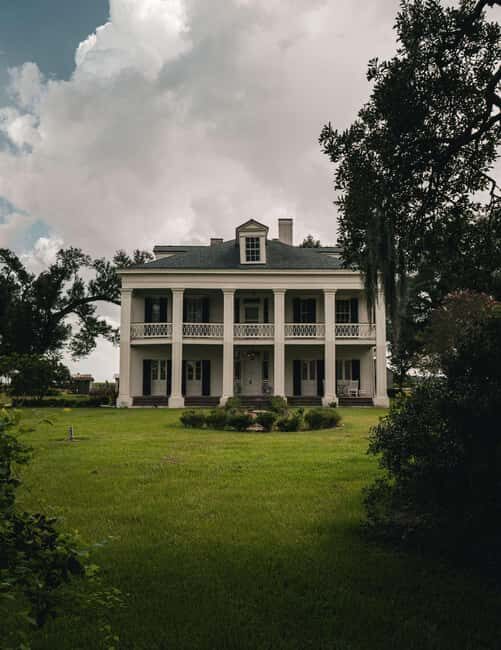
Just a short drive from St. Joseph, Felicity Plantation completes the story with its beautiful architecture and ongoing farm operation. Built between 1844 and 1847, Felicity features a Greek Revival style with Creole influences, blending two cultural aesthetics that are uniquely Louisiana. It’s a living example of the region’s diverse architectural history.
Felicity is especially interesting because it remains both a historic site and a functioning sugar farm. The fact that the same family has owned it since 1877, and that it’s still farmed by descendants, provides a rare continuity that you won’t find everywhere. As you walk around, you’ll see lush sugarcane fields stretching for hundreds of acres—showing that the connection between past and present farming practices is very much alive.
This plantation is also notable for its role in film and TV. Several viewers appreciated the chance to stand inside a location that has appeared in movies like 12 Years a Slave and Roots, as well as TV series like Underground. It adds a fun layer for film buffs, who can imagine scenes from their favorite shows while wandering the grounds.
What Sets This Tour Apart
While many plantation visits focus solely on architecture or the aesthetic, this tour dives deeper into the stories of families and laborers, giving a balanced view of wealth, hardship, and resilience. The guides, praised for their knowledge, ensure that visitors understand the significance of every building and landscape.
The tour also includes access to original outbuildings and slave cabins—a feature that helps visitors connect more authentically with the history. The guides are clear that these structures are not just relics but parts of a living history, which makes the experience more emotionally impactful.
Another highlight is the active sugar farm, allowing you to see how the land continues to support local economies. It’s a vivid reminder that these plantations aren’t just museum pieces—they’re part of a working, living landscape.
More Great Tours NearbyPractical Details and Value
At $46 per person, this tour packs in a lot of value. It includes guided walks at both plantations, access to original buildings, and insightful commentary on plantation life, its economic importance, and its challenges. The group size typically feels intimate enough for questions, and the tours run on the hour and half-hour, so planning around your schedule is straightforward.
The tour lasts about 3 hours—perfect for those with limited time but eager to get a comprehensive feel for the area. Be prepared for some walking, as you’ll move through historic buildings, outdoor grounds, and potentially uneven surfaces like the old slave cabins. Wearing comfortable shoes and bringing water is recommended.




Why This Tour Works Well
This experience suits travelers interested in history, culture, and architecture, especially those who want a respectful and accurate portrayal of Louisiana’s plantation era. It’s especially meaningful for visitors who appreciate stories of resilience and want to see the ongoing connection to the land through active farming.
The inclusion of film history makes it appealing for movie buffs, while the focus on original structures and stories ensures it remains authentic and educational. The guides’ knowledge and the well-preserved state of the plantations mean you’ll come away with a well-rounded understanding of the region’s complex past.
Final Thoughts

This guided tour of St. Joseph and Felicity Plantations strikes a good balance between education and experience. It’s a chance to see stunning Creole and Greek Revival architecture, learn about the lives of enslaved people and plantation families, and witness a still-active sugar farm—all within three hours.
The experience’s focus on authentic stories, preserved buildings, and ongoing farming practices makes it stand out among plantation tours. Whether you’re a history enthusiast, film lover, or culturally curious traveler, you’ll find this tour offers a meaningful glimpse into Louisiana’s layered history.
It’s particularly well-suited for those seeking a respectful, insightful, and visually stunning excursion that avoids the overly commercialized, tourist-heavy vibe.
FAQs
How long is the tour?
The tour lasts approximately 3 hours, allowing enough time to explore both plantations and their grounds at a comfortable pace.
What is included in the tour?
Your ticket includes guided tours of both St. Joseph and Felicity Plantations, access to original outbuildings and slave cabins, and insights into plantation life, including the active sugar farm.
Is there an age limit or physical requirement?
Since the tour involves walking through historic sites, comfortable shoes are recommended. While no specific age limit is mentioned, travelers should be prepared for some walking and outdoor exposure.
Are the plantations still working farms?
Yes, Felicity Plantation remains an active sugar farm, with sugarcane still being planted and harvested, reinforcing the continuity between past and present.
What makes Felicity unique compared to other plantations?
Felicity is known for its well-preserved architecture, its ongoing farming operations, and its appearances in films and TV shows like 12 Years a Slave and Roots.
Can I visit the plantations independently?
The tour is guided and organized by St. Joseph Planting and Manufacturing CO LTD, with specific start times. Access to the grounds is included as part of the guided experience.
To sum it up, this guided tour of Louisiana’s St. Joseph and Felicity Plantations offers a well-rounded, authentic, and visually stunning way to understand the region’s complex history. It respects the stories of resilience and hardship, all while showcasing exquisite architecture and active farming. Perfect for those wanting a meaningful, educational experience that leaves a lasting impression.
You can check availability for your dates here: More Great Tours Nearby