- Introduction
- Good To Know
- A Comprehensive Look at the Kanchanjunga Conservation Trek
- Getting Started: From City to Wilderness
- Trailhead and Initial Trekking Days
- Entering Sherpa and Tibetan Cultures in Ghunsa
- Ascents to Kambachen and Lhonak
- Descending to the South and Crossing High Passes
- The Final Stretch
- Practical Details and Considerations
- Transportation and Logistics
- Group Size and Guides
- Duration and Flexibility
- Cost and Value
- Weather and Best Time to Go
- Physical Preparation
- The Sum Up
- FAQ
- The Best Of Kathmandu!
- More Hiking & Trekking Tours in Kathmandu
- More Tour Reviews in Kathmandu
- Not for you? Here's more nearby things to do in Kathmandu we have reviewed
Introduction
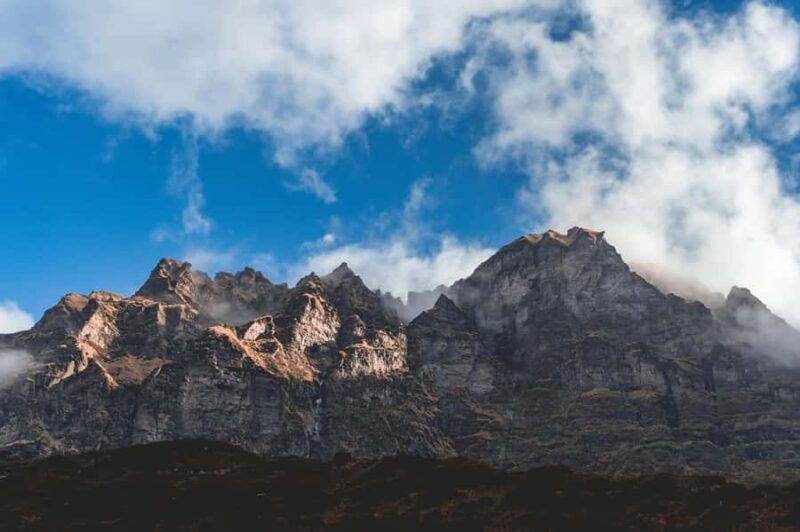
This 24-day trek to the base of Mt. Kanchanjunga promises a journey through some of Nepal’s most untouched and spectacular landscapes. Although we haven’t personally completed it, the detailed reviews and itineraries paint a picture of an extraordinary adventure that’s well suited for seasoned trekkers craving authentic Himalayan encounters.
What we love about this tour? First, the stunning mountain views of Kanchanjunga and neighboring peaks like Jannu and Rathong are truly jaw-dropping. Second, the opportunity to experience traditional Limbu, Rai, and Sherpa cultures offers a genuine glimpse into local life. Third, traversing the Kanchanjunga Conservation Area with its glaciers and alpine scenery makes this trek feel like a true wilderness escape.
However, a major consideration is the challenging terrain and altitude, which demands good physical preparation and acclimatization. This adventure is best suited for experienced trekkers ready for a remote and demanding trek that rewards with authentic scenery and cultural richness.
You can check availability for your dates here:
👉 See our pick of the 14 Best Shopping Tours In Kathmandu
Good To Know
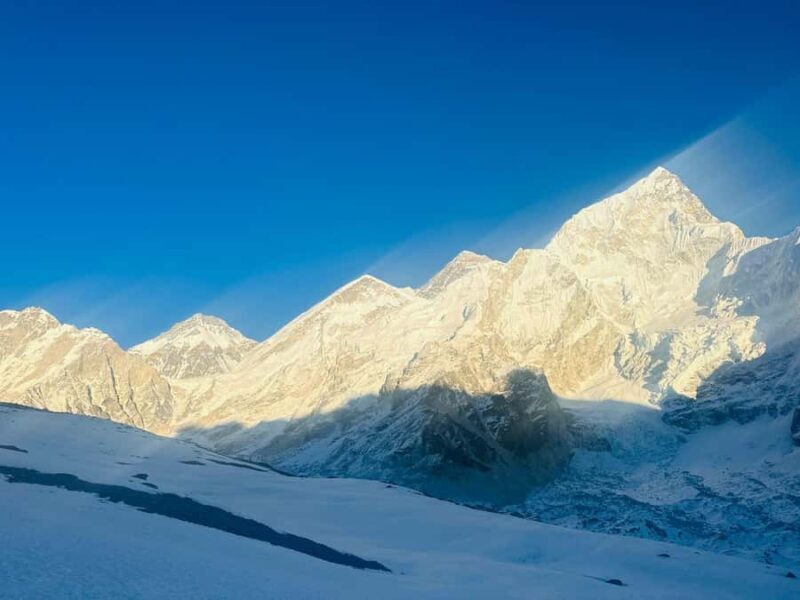
- Unmatched Himalayan views of Kanchanjunga, Jannu, Kabru, and Rathong peaks.
- Cultural encounters with Limbu, Rai, and Sherpa communities along the route.
- Long, varied days of trekking through forests, valleys, and glaciers.
- Strategic acclimatization stops at Ghunsa and Kambachen to help adapt.
- Off-the-beaten-path experience perfect for explorers seeking solitude.
- Flexible departure options with the ability to reserve and pay later.
You can also read our reviews of more hiking tours in Kathmandu
A Comprehensive Look at the Kanchanjunga Conservation Trek
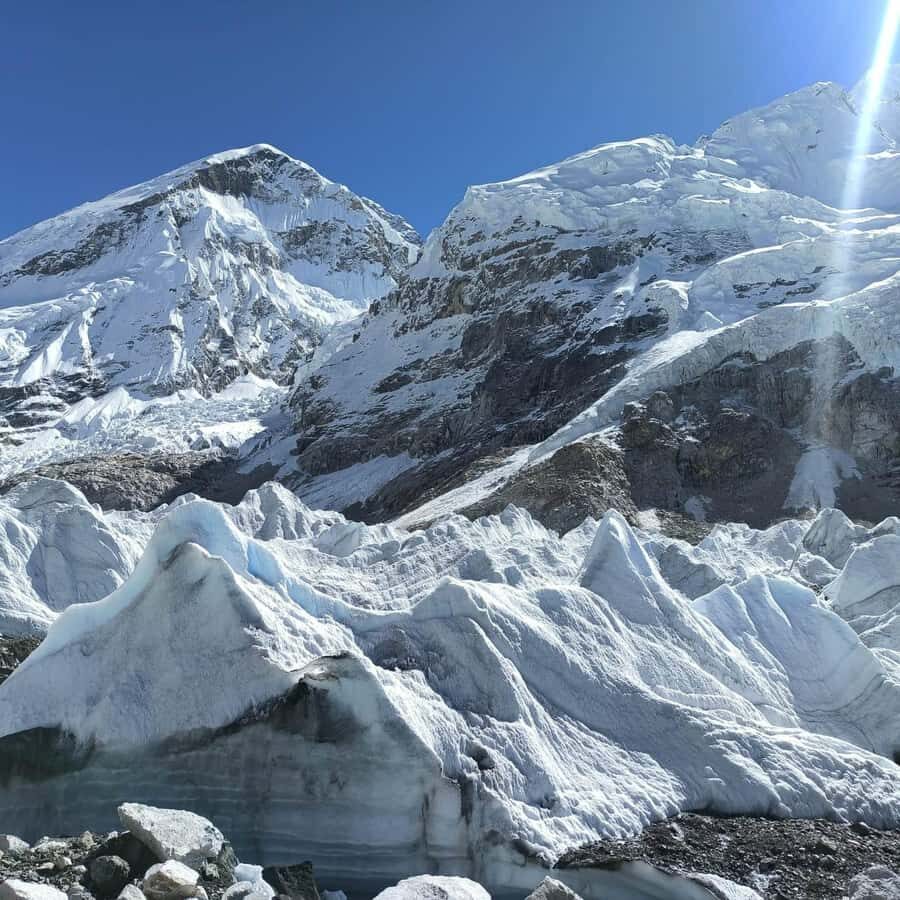
Getting Started: From City to Wilderness
Your journey begins in Kathmandu, where a transfer to your hotel sets the tone for adventure. The next day, a domestic flight to Bhadrapur takes you closer to eastern Nepal’s rugged terrain. From there, a scenic drive to Ilam introduces you to the lush hills that cradle the trek.
The journey continues with a long drive through eastern hills to Taplejung, the gateway to the mountains. This stretch is filled with views of terraced fields and small villages, offering a first taste of Nepal’s vibrant rural life. The off-road drive following the Tamor River to Sekathum is a highlight, with rugged roads that hint at the remote nature of the coming days.
Trailhead and Initial Trekking Days
Starting in Sekathum (1,650m), your trek begins with a steady ascent through dense forests to Amjilosa (2,300m). We loved the way the trail winds past waterfalls and tiny Tibetan-influenced settlements, providing a mix of nature and culture. Reviewers mention the trail’s “steep ascent” but note it’s manageable with good acclimatization.
The walk from Amjilosa to Gyabla (2,730m) continues to showcase Nepal’s lush forests and ancient trails. Gyabla serves as an important acclimatization stop, giving your body a chance to adjust before tackling higher elevations.
More Great Tours NearbyEntering Sherpa and Tibetan Cultures in Ghunsa
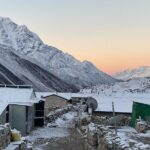
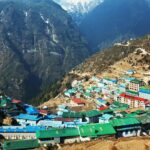
Reaching Ghunsa (3,595m) marks a significant cultural milestone. The Sherpa village, with its prayer flags fluttering and stone houses, provides a deep sense of local life. Reviews highlight Ghunsa as an essential stop for acclimatization, with many trekkers appreciating the chance to explore the village and rest.
The days spent here are filled with short hikes and rest, helping travelers adapt to the altitude. The scenery is dramatic, with views of snow-capped peaks from the village itself.

Ascents to Kambachen and Lhonak
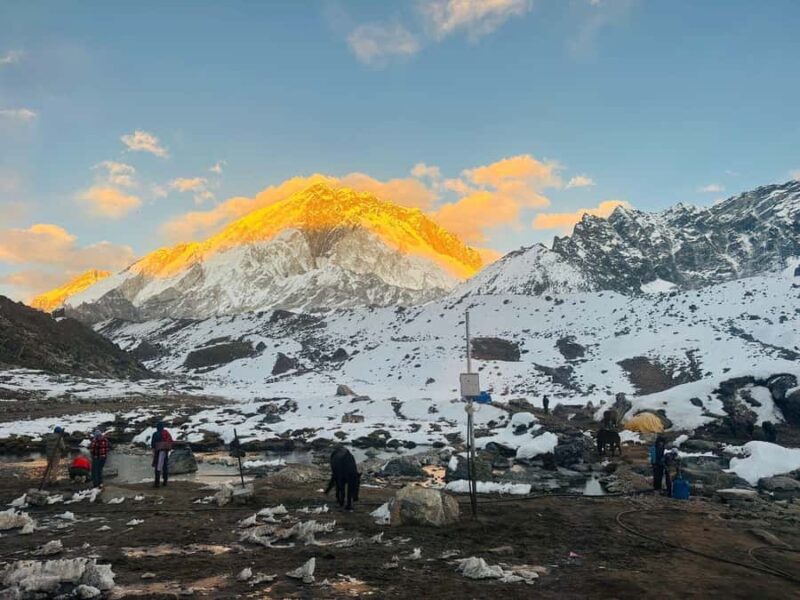
The trek from Ghunsa to Kambachen (4,050m) is challenging but rewarding. The trail crosses rocky terrain, revealing astounding views of glaciers and mountain cliffs. From there, the route continues to Lhonak (4,780m), a stark, open landscape with a surreal sense of solitude.
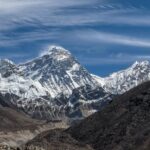
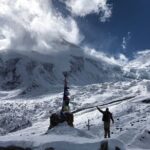
A highlight here is the day trip to Pang Pema, the North Base Camp at 5,143m. This climb provides close-up views of Kanchanjunga and surrounding peaks, making every steep step worth it. Many reviewers note that this part of the trek is physically demanding but offers some of the best mountain scenery in the region.
Descending to the South and Crossing High Passes
After exploring the northern side of Kanchanjunga, the route retraces to Kambachen and then descends back through Ghunsa. The trail then turns southward, with a high-altitude crossing at Sele La Pass (4,200m). The crossing offers panoramic Himalayan views, often described as breathtaking.
From Tseram (3,870m), the trek leads to Ramche (4,580m), the South Base Camp area. Visiting the Oktang (South Base Camp) provides a unique perspective of the mountain from the southern side, with stunning vistas and a sense of being in the heart of the Himalayas.
The Final Stretch
Descending through forests and river valleys, you reach the village of Yamphudin, where diverse ethnic communities add to the cultural tapestry. The last days involve traversing terraced farmlands to Khebang before heading back to Bhadrapur and returning to Kathmandu.
The drive back offers a chance to reflect on nearly four weeks of adventure amid some of the Himalayas’ most spectacular scenery.
Practical Details and Considerations
Transportation and Logistics
The tour uses a combination of flights, private vehicles, and off-road drives, making the journey as scenic as the trek itself. The flight from Kathmandu to Bhadrapur is a highlight, offering sweeping views of the mountains. The off-road drives to the trailhead are rough but add to the adventure.
Group Size and Guides
Operated as a private group, the tour includes experienced English-speaking guides, along with support staff who are familiar with high-altitude trekking. Many reviews mention guides like “Suresh and Mingma,” who are praised for their professionalism, local knowledge, and ability to keep the group motivated through tough sections.
Duration and Flexibility
Spanning 24 days, this trek provides ample time for acclimatization and exploration. The tour offers flexible departure dates and the option to reserve now and pay later, making it accessible for a broader range of travelers.
Cost and Value
While the total cost isn’t specified, the itinerary’s inclusions—permits, flights, local transport, and guiding—suggest a package that balances affordability with quality. The extensive itinerary offers great value for those seeking an authentic Himalayan experience, especially considering the remote locations visited and cultural encounters.
Weather and Best Time to Go
Weather conditions can influence the schedule, especially around high passes and glacier crossings. Typically, the best months are pre-monsoon (April-May) and post-monsoon (September-October), offering clear skies and stable weather for high-altitude trekking.
Physical Preparation
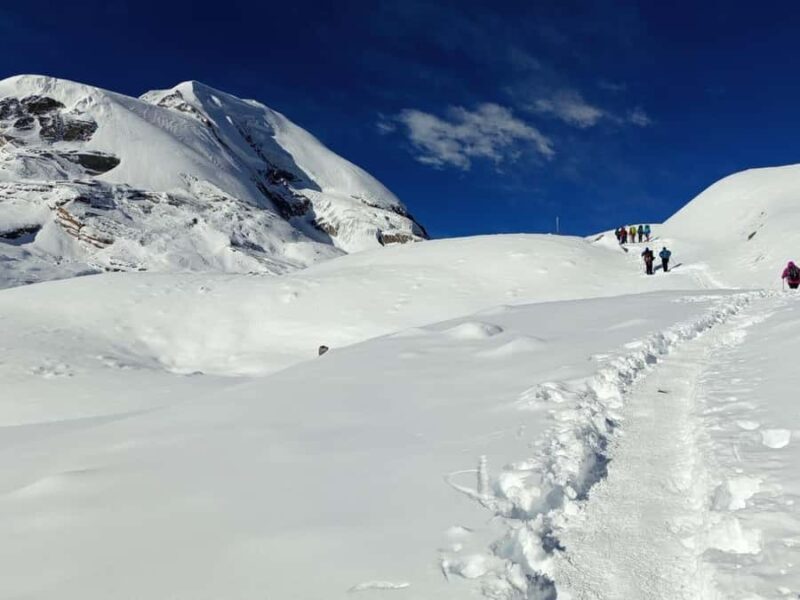
Previous high-altitude trekking experience is recommended, given the challenging terrain and significant altitude gain. Trekkers should be comfortable with steep ascents, rocky trails, and variable weather.
The Sum Up
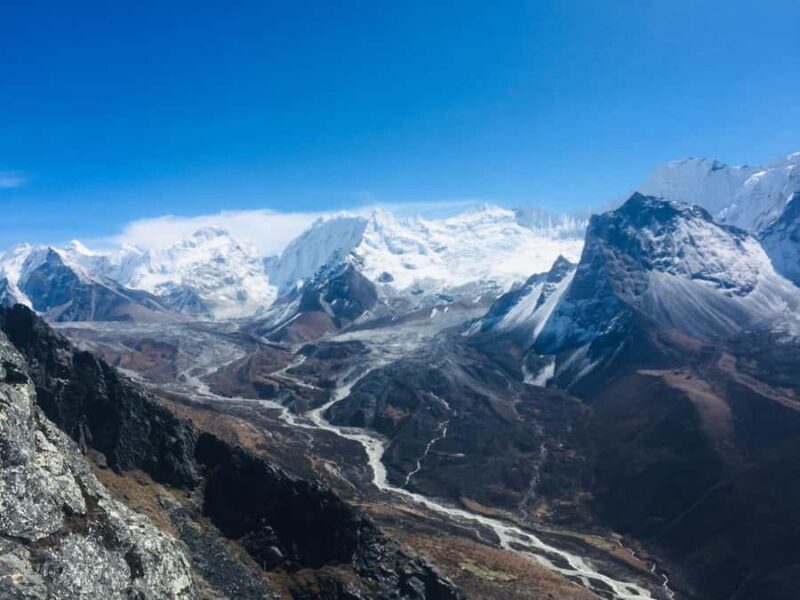
This 24-day Kanchanjunga Conservation Trek offers a rare chance to explore one of the Himalayas’ less-traveled giants. The route rewards trekkers with awe-inspiring mountain vistas, encounters with local cultures, and the thrill of stepping into pristine wilderness. It’s an adventure best suited for experienced hikers who crave authentic, off-the-beaten-path experiences and are prepared for demanding terrain.
If you’re looking for a trek that combines spectacular views, culture, and a true sense of remoteness, this tour provides an exceptional, well-organized way to connect with Nepal’s wild heart.
FAQ
Is this trek suitable for beginners?
No, this trek is best suited for experienced trekkers due to the challenging terrain and high altitude. Previous high-altitude trekking experience is recommended.
What is the main highlight of this trek?
The standout feature is the breathtaking views of Kanchanjunga and surrounding peaks from both the North and South Base Camps, along with the chance to see glaciers and alpine scenery.
How physically demanding is the route?
The trek involves steep ascents, rocky paths, and high passes, making it physically demanding. Proper acclimatization and fitness are important for comfort and safety.
Are cultural experiences included?
Yes, you’ll visit traditional villages of Limbu, Rai, and Sherpa communities, giving insight into their lifestyles and local traditions.
What transportation is used during the trip?
The journey includes flights from Kathmandu to Bhadrapur, private drives through eastern hills, and off-road vehicle rides to trailheads.
How long does the trek take each day?
Trekking days vary from 4 to 8 hours, with some days involving challenging ascents and descents, and others offering rest or shorter walks for acclimatization.
Is there a support team or guide?
Yes, experienced guides speak English and other languages, supported by local staff who help with logistics and safety.
What is the best time to do this trek?
Optimal months are from April to May and September to October, when weather conditions are most stable for high-altitude trekking.
Are there options to customize the itinerary?
While the current itinerary is fixed, flexible departure dates are available, and some adjustments may be discussed with the tour operator before booking.
This trek is a chance to truly connect with some of Nepal’s most remote and magnificent landscapes. With careful planning and preparation, it promises to be an unforgettable adventure—full of stunning vistas and authentic cultural exchanges.
You can check availability for your dates here: More Great Tours Nearby