
Nepal: Remote Kanchenjunga Conservation Trek (24 days)
Introduction
If you’re craving an adventure that combines awe-inspiring mountain scenery with authentic cultural encounters, the 24-day Kanchenjunga Conservation Trek in eastern Nepal might just be your dream trip. While we haven’t personally tackled this exact journey, reviews and detailed itineraries paint a picture of a truly extraordinary experience for seasoned trekkers.
What catches our eye? First, the spectacular views of the third-highest mountain on Earth, Kanchanjunga, which promises jaw-dropping photo ops. Second, the chance to explore traditional Limbu, Rai, and Sherpa villages, offering a glimpse into local Himalayan life. And third, the trek’s focus on conservation and wilderness, making it feel more meaningful than just a sightseeing trip. A potential drawback? Its length and physical demands mean it’s best suited for experienced high-altitude hikers.
This trek suits those looking for off-the-beaten-path Himalayan adventures—travelers eager to see unspoiled landscapes and embrace local cultures, all while challenging themselves physically.
- Good To Know
- An Overview of the Trek Experience
- The Detailed Itinerary Breakdown
- Days 1-3: Arrival and Initial Travel
- Days 4-7: Starting the Trek in Style
- Days 8-10: Ascending to Glacial Realms
- Days 11-12: North Base Camp and Return
- Days 13-17: Crossing the High Passes
- Days 18-20: Descent and Cultural Discoveries
- Days 21-24: Return Journey
- Transport, Guides, and Group Size
- What It’s Like to Trek the Kanchenjunga Conservation Area
- Considerations and Practical Tips
- Final Thoughts: Who Should Consider This Trek?
- FAQs
- More Hiking Tours in Kathmandu
- More Tour Reviews in Kathmandu
- Looking for something different? Other Kathmandu activities we've written about
Good To Know
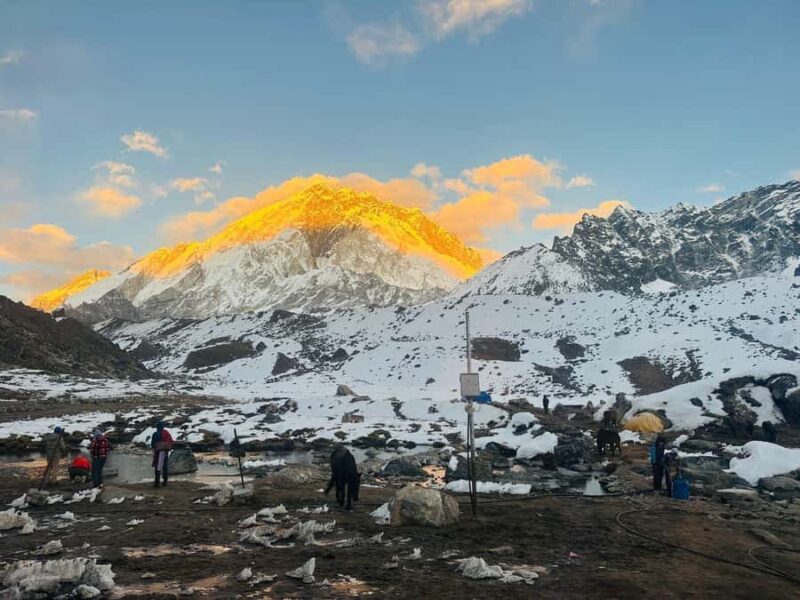
- Spectacular mountain vistas of Kanchanjunga, Jannu, Kabru, and Rathong.
- Culturally rich visits to Limbu, Rai, and Sherpa villages.
- Unspoiled wilderness within the Kanchanjunga Conservation Area.
- Challenging terrain requiring good physical condition and some prior high-altitude experience.
- Comprehensive itinerary covering multiple base camps and high mountain passes.
- Flexibility with departure dates and cancellation options.
An Overview of the Trek Experience
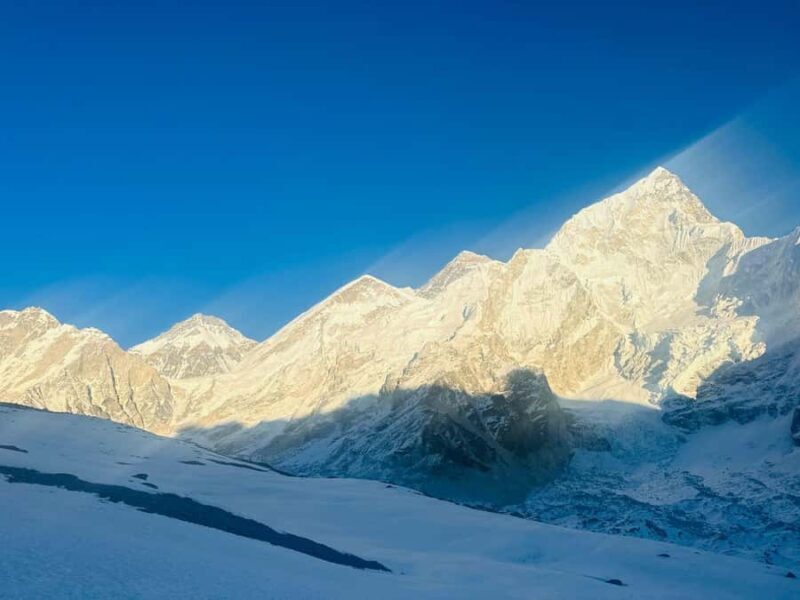
This 24-day journey is designed for trekkers seeking a long, immersive Himalayan experience. It starts in Kathmandu, where you’ll meet your guides and prepare for the adventure, then takes a scenic flight to Bhadrapur and a drive to Ilam. From there, the real journey begins—trekking through remote villages, glaciers, and alpine landscapes, all with the goal of reaching the base of Mt. Kanchanjunga.
Unlike more popular treks like Everest or Annapurna, this route is less crowded, offering a sense of genuine wilderness. Travelers will love the combination of stunning mountain panoramas and cultural encounters. Whether it’s passing waterfalls, observing Tibetan-influenced settlements, or gazing at glaciers, every step offers something extraordinary.
Like hiking? Other Kathmandu walking trails we've reviewed
The Detailed Itinerary Breakdown
Days 1-3: Arrival and Initial Travel
Starting in Kathmandu, you’ll enjoy a day to settle in and get your gear sorted. The following day involves a domestic flight to Bhadrapur, then a scenic drive through eastern Nepal to Ilam and Taplejung—this initial journey sets the tone with lush, rolling hills and colorful local villages.
Days 4-7: Starting the Trek in Style
Your trek kicks off at Sekathum, where you’ll trek through dense forests to Amjilosa. This part is notable for waterfalls and Tibetan-influenced settlements, giving you the first taste of the cultural diversity you’ll encounter. The trek continues to Gyabla and then into Ghunsa, a major Sherpa village that serves as an excellent acclimatization point. Here, guides emphasize the importance of rest and hydration, especially in high altitudes.
More Great Tours NearbyDays 8-10: Ascending to Glacial Realms
From Ghunsa, you’ll head towards Kambachen and then to Lhonak, a high-altitude settlement at 4,780 meters. This segment offers dramatic mountain views and glacier sights. Reviewers mention the thrill of walking past waterfalls and glaciers, and many appreciate how the trail showcases the raw beauty of the Himalayas.
- From Kathmandu: 3-Day Tour to Lumbini
- From Kathmandu: 11-Day Annapurna Base Camp Trek
- Kathmandu: Nepali Cooking Class With Hotel Pickup
- Kathmandu: 1-Day Private UNESCO World Heritage Sites Tour
- Classic Langtang Valley 6 Days Guided Trek From Kathmandu
- Kathmandu: Nagarkot Sunrise & Changu Narayan Hike Adventure
Days 11-12: North Base Camp and Return
A day trip to Pang Pema, the North Base Camp at 5,143 meters, is a highlight, offering close-up views of Kanchanjunga’s summit. Returning to Kambachen, the journey offers stunning photo opportunities with towering peaks in every direction.
Days 13-17: Crossing the High Passes
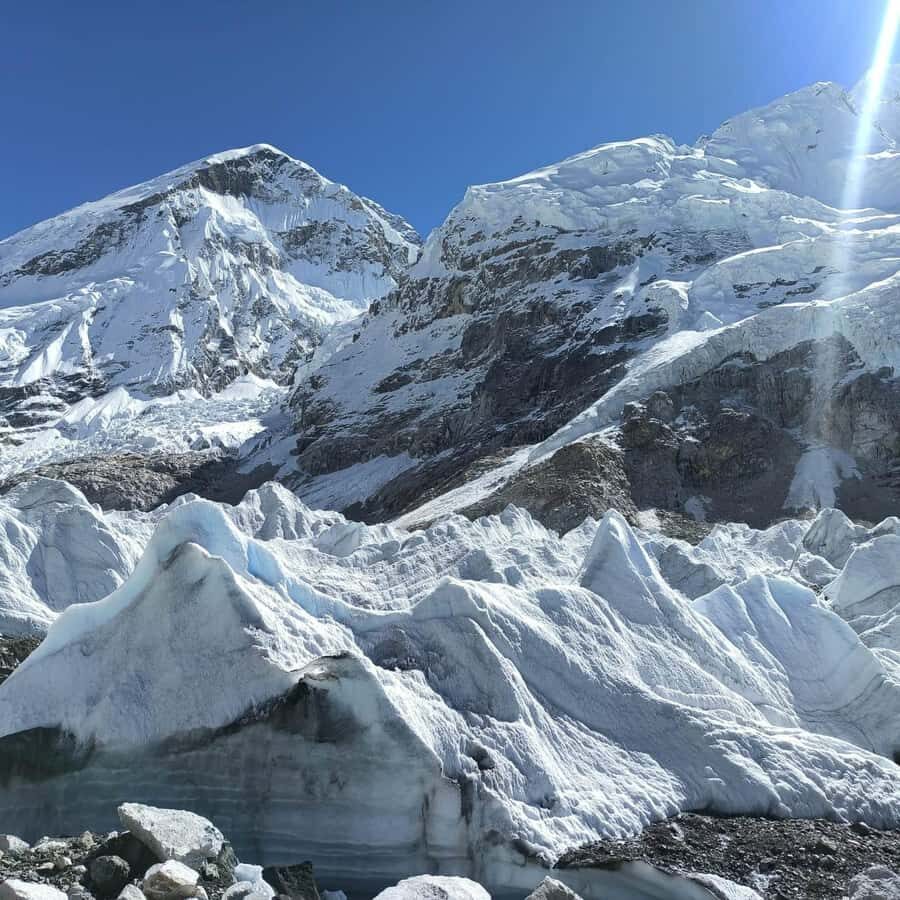
The trek takes a turn into more challenging terrain with the ascent to Sele La Pass at 4,200 meters. Crossing this high mountain pass rewards trekkers with panoramic Himalayan views. The route then leads to Tseram and Ramche, the southern base camp area. Visiting Oktang, the South Base Camp, provides a chance to see the glaciers and icefalls up close.
Days 18-20: Descent and Cultural Discoveries
After exploring the southern base camp and glacier zones, you’ll descend through forests and river valleys to Yamphudin, a village with a mix of ethnic communities. The final days involve walking through terraced farmlands and local villages, giving a grounded end to the physical challenge.
Days 21-24: Return Journey
The trek concludes with a long drive back to Bhadrapur, a flight to Kathmandu, and a leisure day for sightseeing or rest before your departure. Many travelers appreciate the chance to unwind after the physically demanding trek, and some use their last day for visiting iconic sites in Kathmandu.
Transport, Guides, and Group Size
Transport arrangements include scenic flights, long drives through eastern Nepal, and off-road sections—these add to the adventure but also mean you should expect some bumpy rides. Guides speak English, Hindi, Korean, and Nepali, which helps bridge language gaps and enhances the experience with local insights. The tour operates as a private group, allowing for some flexibility but typically with a minimum of two trekkers.
Most reviewers mention that the guides are knowledgeable, attentive to safety, and flexible in managing the itinerary—important qualities given the unpredictable mountain weather and altitude challenges.
What It’s Like to Trek the Kanchenjunga Conservation Area
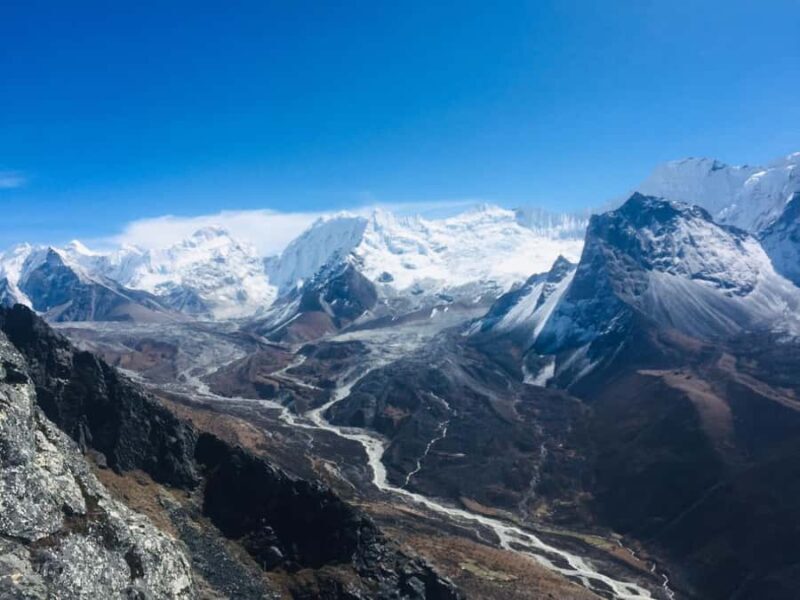
What makes this trek special is its combination of remote wilderness and authentic culture. Many reviewers praise the stunning vistas—from the towering Kanchanjunga to the glaciers and mountain passes—often describing it as a “once-in-a-lifetime experience.” The trek’s less crowded nature is a big plus, offering a sense of solitude amid some of the world’s most spectacular scenery.
The villages along the route are less commercialized than other trekking hubs, giving a real sense of local life. You’ll see traditional Sherpa, Limbu, and Rai communities, with opportunities to learn about their customs, food, and daily routines. The glacier views from higher elevations, especially during the days at North and South Base Camps, are frequently highlighted as unforgettable.
Considerations and Practical Tips
This trek is physically demanding and requires some prior high-altitude trekking experience. The length and elevation gains mean you’ll need to be in good shape and prepared for altitude sickness. The itinerary is flexible, but weather conditions can cause delays or changes—trekkers should be prepared for possible adjustments.
Pricing is generally reflective of the length and remote nature of the trip. While the cost might seem high compared to shorter treks, the value lies in the unspoiled scenery, cultural richness, and the experience of traversing lesser-trodden paths.
You might find the logistical complexity—flights, drives, and permits—challenging but well-managed by the tour operator, Mountain Ascend Treks Pvt. Ltd. Their reputation for attentive guiding and smooth coordination is often mentioned by travelers.
Final Thoughts: Who Should Consider This Trek?
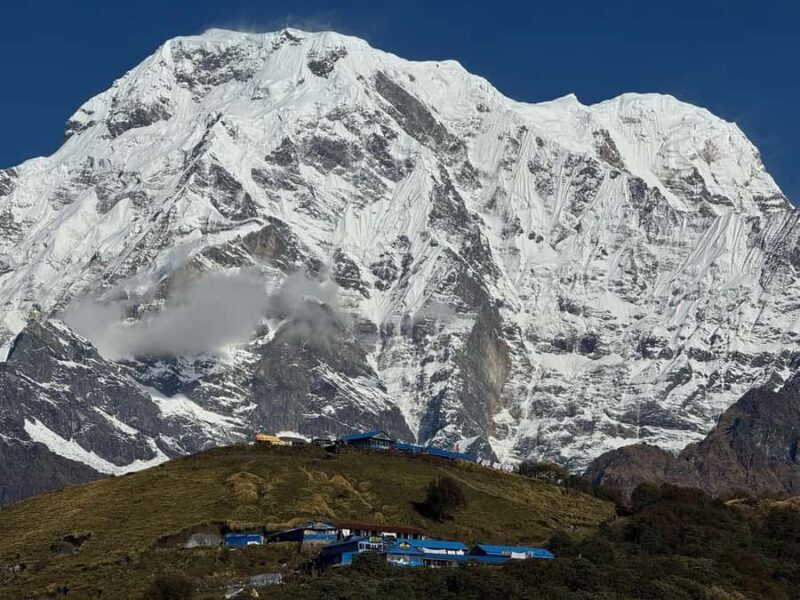
This is a for-the-adventurous trek suited for experienced trekkers who crave long distances, high passes, and remote scenery. It’s ideal for travelers eager to push their limits, enjoy authentic Himalayan culture, and see some of the most stunning peaks in the world with fewer crowds. The trek offers a deep sense of achievement and unforgettable views, making it perfect for those who want more than just a quick glimpse of the Himalayas.
While physically demanding, the journey rewards with a profound connection to the mountain landscape and local communities. If you’re looking for an immersive, challenging, and visually breathtaking adventure, this trek will deliver.
FAQs
Is this trek suitable for beginners?
This trek is best suited for trekkers with prior high-altitude experience and good physical fitness, due to its length and elevation gains.
How physically demanding is the trek?
It involves several days of trekking through challenging terrain, including high passes and glaciers, so good fitness and acclimatization are important.
What are the main highlights of the trip?
Expect stunning views of Kanchanjunga, visits to Sherpa and Limbu villages, glacier zones, and crossing high mountain passes with panoramic Himalayan vistas.
What kind of transportation is involved?
The journey includes scenic flights, long drives through eastern Nepal, and off-road sections, offering an adventurous way to access remote areas.
Are guides available in multiple languages?
Yes, guides speak English, Hindi, Korean, and Nepali, ensuring clear communication and cultural insights.
What is the best time to do this trek?
While the tour details don’t specify seasons, Himalayan treks are usually best in pre-monsoon (spring) and post-monsoon (autumn) months for stable weather and clear views.
To sum it up, the 24-day Kanchenjunga Conservation Trek offers a genuine expedition into some of Nepal’s most pristine and less-trodden Himalayan landscapes. It combines breathtaking mountain vistas, culture, and adventure, making it a top choice for experienced trekkers ready to take on a true wilderness challenge. If you’re seeking an authentic, off-the-beaten-path Himalayan experience that rewards with unforgettable scenery, this trek is worth every step.
You can check availability for your dates here: More Great Tours NearbyMore Hiking Tours in Kathmandu
- Kathmandu: 8-Day Langtang Valley Trek w/Kyanjin Ri Viewpoint
- Langtang Valley Trek – 7 Days
- Chepang Hill Homestay Trek and Chitwan National Park Tour
- Kathmandu: 9-Day Helambu Trek with Cultural Villages
- From Kathmandu: 12-Day Everest Base Camp Guided Trekking
- Pokhara: Thrilling Suspension Bridge & ABC Trek
More Tour Reviews in Kathmandu
- Kathmandu: 8-Day Langtang Valley Trek w/Kyanjin Ri Viewpoint
- Langtang Valley Trek – 7 Days
- Bhaktapur and Panauti Day Trip with Lunch – Private/Group
- Buddhist Bliss: Kathmandu group Tour of Buddhist Stupas
- Chepang Hill Homestay Trek and Chitwan National Park Tour
- Kathmandu: Tandem Paragliding with Valley Views & Pickup
Looking for something different? Other Kathmandu activities we've written about
- Nepal: Remote Kanchenjunga Conservation Trek ( 24 days)
- Kathmandu: 8-Day Langtang Valley Trek w/Kyanjin Ri Viewpoint
- Langtang Valley Trek – 7 Days
- Bhaktapur and Panauti Day Trip with Lunch – Private/Group
- Buddhist Bliss: Kathmandu group Tour of Buddhist Stupas
- Chepang Hill Homestay Trek and Chitwan National Park Tour
- Kathmandu: Tandem Paragliding with Valley Views & Pickup
- Kathmandu: 9-Day Helambu Trek with Cultural Villages
- Mount Everest Base Camp: Helicopter Tour from Kathmandu
- Paragliding in Kathmandu 1 Day Adventure
- Kathmandu: O/N Nature Camping with Bonfire at Kalupandy Hill
- Chitwan Elegance: A 3-Day Luxury Wildlife Experience