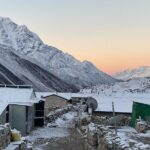
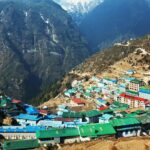
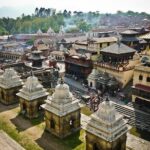
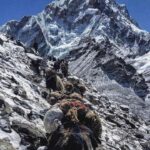
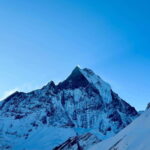
Travelers craving an authentic Himalayan adventure might find the Mundhum Trail Trek in eastern Nepal particularly appealing. This guided journey isn’t just about ticking off mountain peaks; it’s a chance to connect with indigenous cultures, enjoy breathtaking vistas, and step off the beaten path. Over 12 to 14 days, you’ll traverse remote villages, encounter traditional Kirati lifestyles, and marvel at some of the world’s most iconic Himalayan panoramas.
What sets this trek apart? First, the chance to deeply engage with Mundhum and Kirati traditions, which aren’t as widely experienced on typical Everest or Annapurna routes. Second, the spectacular views—from the towering Himalayas including Everest, Lhotse, and Kanchenjunga—are truly unforgettable. Third, the opportunity to explore Silichung Peak, the highest point of the trek, offers a sense of achievement and stunning photo ops.
A potential consideration is the trek’s remoteness—it’s not a luxury experience, and weather conditions can vary significantly. That said, it’s an ideal pick for adventurous spirits, culture lovers, and those seeking a quieter, more authentic Himalayan trek. If you’re ready for moderate adventure, enjoy cultural richness, and love panoramic mountain views, this trek is a compelling choice.
- Good To Know
- Introduction to the Mundhum Trail Trek
- The Itinerary: A Step-by-Step Breakdown
- Starting Point: Kathmandu to Diktel
- First Trek: Chakhewa to Dhotre to Maiyung
- Ascending to Silichung Peak
- Descent and Further Exploration
- Final Stop: Bhojpur and Khotang
- Return to Kathmandu
- What You Can Expect Along the Way
- Cultural Encounters
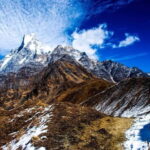
- Spectacular Views
- Flora and Fauna
- Practicalities and Logistics
- The Value of This Experience
- The Sum Up
- FAQ
- The Best Of Kathmandu!
- More Hiking & Trekking Tours in Kathmandu
- More Tour Reviews in Kathmandu
- Not for you? Here's more nearby things to do in Kathmandu we have reviewed
Good To Know
- Cultural immersion in Kirati and Mundhum traditions
- Stunning Himalayan vistas, including Everest and Kanchenjunga
- Remote, less crowded trail offers authentic experiences
- Challenging but manageable trek requiring good fitness
- Exploration of historic villages like Bhojpur and Khotang
- Summit Silichung Peak at 4,153 meters for a rewarding view
👉 See our pick of the 14 Best Shopping Tours In Kathmandu
Introduction to the Mundhum Trail Trek
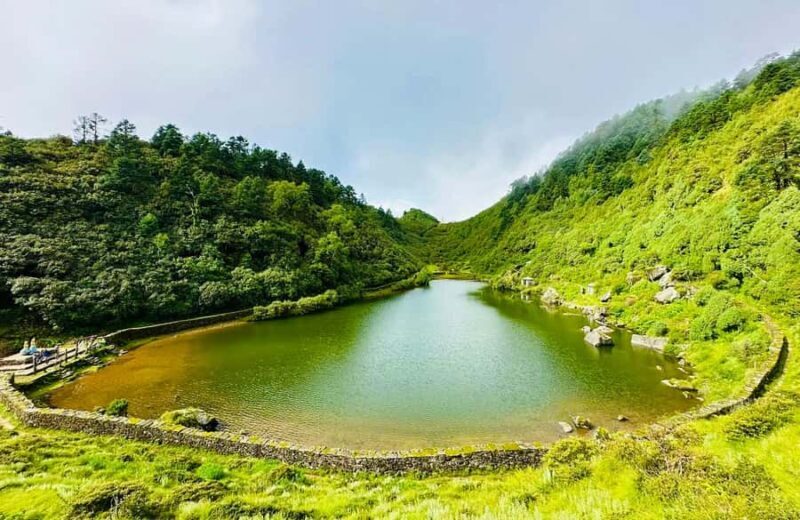
The Mundhum Trail Trek in eastern Nepal presents a unique blend of cultural discovery and mountain adventure. Unlike some of the more popular routes, this trek takes you through less-explored villages where indigenous Kirati tribes live and work, giving you a genuine peek into their centuries-old traditions. The guiding company, Touch Planet Treks, ensures that your experience is both safe and insightful, with multilingual guides and well-organized logistics.
We love how this trek offers a combination of stunning natural scenery and cultural richness. The panoramic views are truly jaw-dropping—imagine gazing out at Everest, Lhotse, Makalu, and Kanchenjunga from high vantage points like Tamke Danda and Silichung Peak. Plus, the opportunity to explore historic towns such as Bhojpur and Khotang adds depth to the adventure. You’ll also appreciate how the trek is designed for moderate fitness levels but still delivers a sense of achievement.
One thing to consider: the trail’s remote setting means limited access to amenities, so packing correctly is essential. The weather can also change quickly, so layered clothing and rain gear are must-haves. This trip suits travelers who seek authentic encounters, enjoy outdoor challenges, and want a break from crowded tourist routes.
You can also read our reviews of more hiking tours in Kathmandu
The Itinerary: A Step-by-Step Breakdown
Starting Point: Kathmandu to Diktel
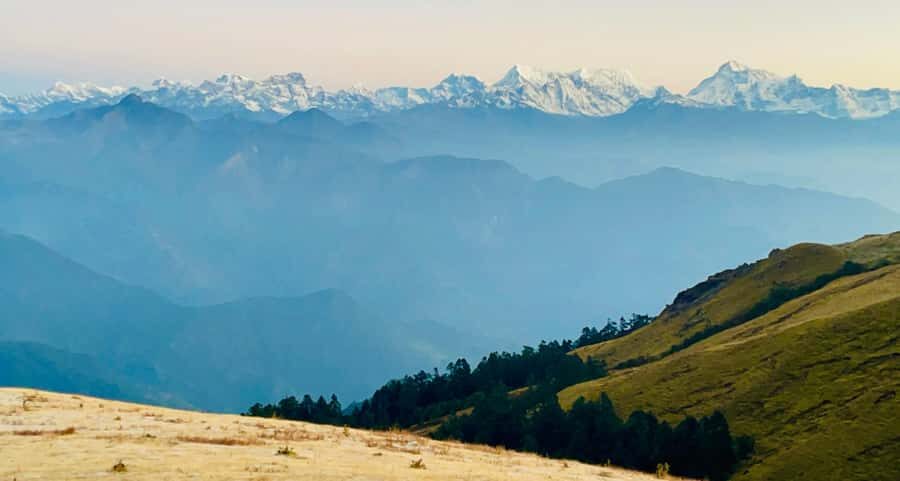
Your journey begins with a scenic drive from Kathmandu to Diktel. This transfer sets the tone—stretching your legs after a flight or city stay while enjoying views of the surrounding landscape. Once in Diktel, the real adventure starts.
First Trek: Chakhewa to Dhotre to Maiyung
From Chakhewa, you’ll trek to Dhotre, then continue on to Maiyung. This section introduces you to the local villages and lush forests, with the trail gradually gaining altitude. Expect to pass through terraced farmland, with glimpses of traditional houses along the way. The quiet, slow pace allows you to absorb the local atmosphere and prepare for the high-altitude sections ahead.
More Great Tours NearbyAscending to Silichung Peak
The highlight of the trek is reaching Silichung Peak at 4,153 meters. The ascent involves some moderate challenges but rewards you with sweeping views of the Himalayas, including Everest and other giants. The peak’s summit offers a perfect photo opportunity and a sense of accomplishment. Multiple reviews mention how this section offers some of the best Himalayan vistas, with travelers noting, “The view from Silichung was beyond words, with Everest looming majestically in the distance.”

Descent and Further Exploration
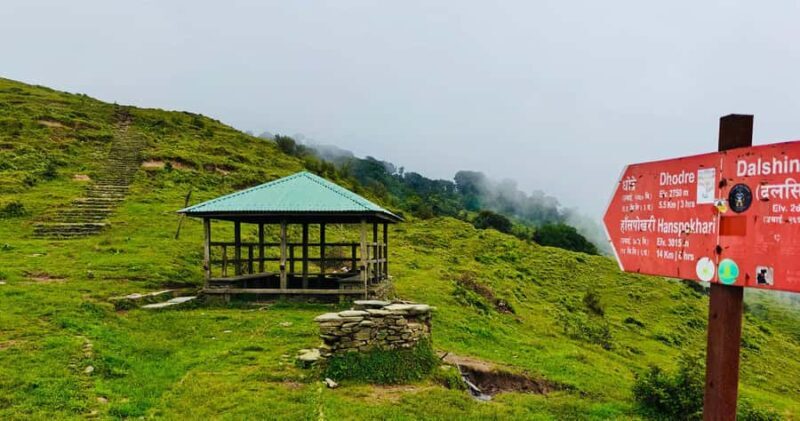
After summiting, you’ll descend back to Salpa, then trek to Hyakule and continue toward Hanspokhari. These stretches pass through traditional villages and rhododendron forests, often with sightings of Himalayan wildlife like the elusive red panda or Himalayan Thar.
Final Stop: Bhojpur and Khotang
The last segment takes you to Bhojpur, a town famed for its history and craftsmanship. Here, you can explore the Bhojpur monastery and traditional Newari architecture. The area also offers a chance to understand how the indigenous tribes maintain their customs amidst modern influences.
Return to Kathmandu
After completing the trek, you’ll drive back to Kathmandu, with a possible stop at scenic viewpoints along the way. Many reviews emphasize how this return journey allows reflection on the journey’s authenticity and the stunning landscapes seen.
What You Can Expect Along the Way
Cultural Encounters
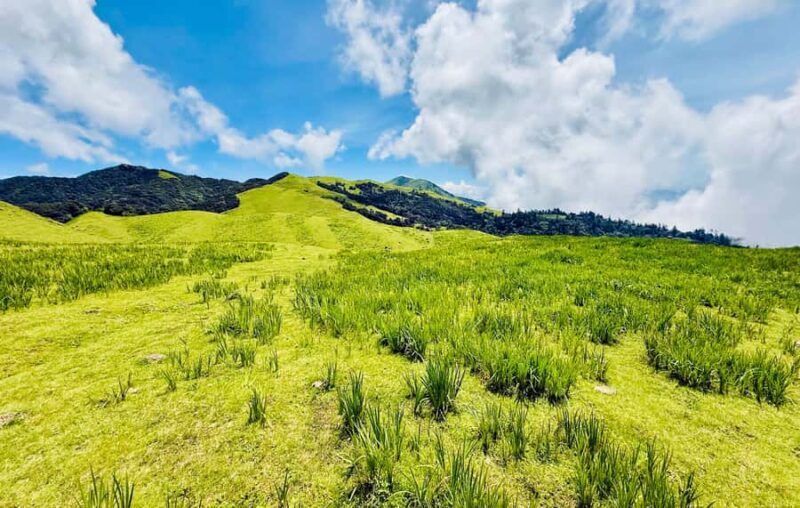
Throughout the trek, you’ll visit villages of the Kirati tribes, including Rai, Limbu, Dewan, and Lepcha. These communities maintain traditional ways of life—farming, weaving, and celebrating indigenous festivals. Tour guides often share stories about local customs, providing a richer understanding of the region.
Spectacular Views
From Tamke Danda and Silichung Peak, expect panoramic vistas of some of the highest Himalayan peaks. The views aren’t just breathtaking—they’re framed by lush forests, terraced fields, and traditional villages. One reviewer shared how “the Himalayas looked like they stretched forever,” highlighting the vastness and beauty of the landscape.
Flora and Fauna
Traveling through rhododendron forests, you might spot endangered red pandas or catch sight of Danphe birds (the national bird of Nepal). The trail’s remote nature also means occasional wildlife encounters—leopards and Himalayan Thar are possible, though sightings are rare.
Practicalities and Logistics
The transportation from Kathmandu to Diktel involves a scenic drive over mountain roads, sometimes bumpy but worth the effort for the views. The group sizes tend to be small, making for a more intimate experience. Guides are fluent in multiple languages, including English, Hindi, Spanish, and French, ensuring clear communication.
The trek requires a moderate level of fitness, with some ascents and descents. Packing light but thoroughly—warm clothing, rain gear, and sturdy hiking shoes—can make a big difference. The trail’s remoteness means amenities are limited, but the experience of staying in local teahouses and villages adds to the trek’s authenticity.
The Value of This Experience
Compared to major Himalayan treks like Everest Base Camp or Annapurna, the Mundhum Trail offers a more off-the-beaten-path adventure. The cost includes culture, stunning mountain views, and the satisfaction of reaching Silichung Peak. It’s a good value for travelers wanting a blend of adventure and authenticity, especially since the trek introduces you to indigenous cultures that aren’t as accessible on more popular routes.
While the trek’s duration is 12-14 days, most travelers find the pace manageable, with enough time to rest and explore each stop. It’s perfect for those seeking a moderate challenge without the crowds or commercialization often associated with more famous treks.
The Sum Up
The Mundhum Trail Trek offers a compelling mix of mountain vistas, cultural encounters, and remote adventure. It’s ideal for those wanting to experience authentic Nepalese traditions while standing in awe of some of the world’s highest peaks. The trek’s less crowded, peaceful environment provides a refreshing break from the busier trails, making every vista and village visit more meaningful.
Travelers who appreciate authentic cultural exchanges and stunning panoramic views will find this trek rewarding. It’s a wonderful choice if you’re prepared for a moderate level of physical activity and eager to explore the hidden corners of eastern Nepal. Whether it’s the achievement of summiting Silichung Peak or engaging with indigenous tribes, this journey promises memories that last.
FAQ
How long does the trek last?
The trek is typically 12 to 14 days, depending on the itinerary and pace.
What’s the best time to do this trek?
While specific dates aren’t provided, Nepal’s spring (March to May) and autumn (September to November) are generally ideal for Himalayan trekking—offering clear skies and comfortable temperatures.
Is the trek suitable for beginners?
It’s considered a moderate trek, suitable for those with decent fitness levels. It involves some altitude gain, so basic hiking experience helps.
Do I need special gear?
Yes, hiking shoes, warm clothing, rain gear, a hat, gloves, and a daypack are essential. Pack layers to adapt to changing weather conditions.
Are there opportunities for wildlife sightings?
Yes, the trail passes through forests where you might see red pandas, Himalayan Thar, and various bird species like the Danphe.
Can I cancel the trip if my plans change?
Yes, free cancellation is available up to 24 hours before the trek begins.
What languages are guides available in?
Guides speak English, Hindi, Spanish, and French, making communication accessible for many travelers.
Is transportation included?
Yes, pickup from Kathmandu and transportation to the trek start point are included.
What are the main highlights?
The panoramic Himalayan views, culture in Kirati villages, exploration of Bhojpur, and reaching Silichung Peak.
Is this trek suitable for people with altitude sickness?
It’s not recommended for those with altitude sickness or mobility issues given the altitude gains and remoteness.
In summary, the Mundhum Trail Trek in Nepal offers a beautiful, culturally rich adventure for those eager to explore beyond the typical tourist routes. With stunning mountain vistas, genuine indigenous encounters, and a sense of solitude, it’s a journey that promises both challenge and reward for the curious traveler.
You can check availability for your dates here: More Great Tours Nearby