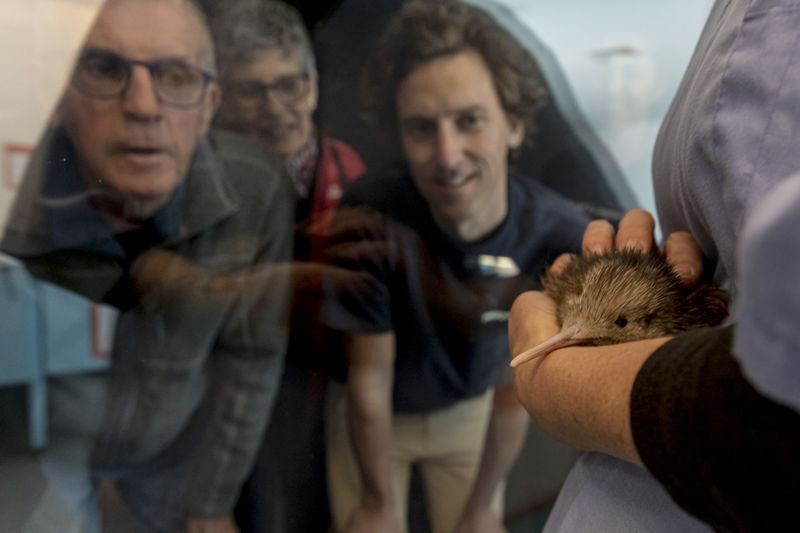
The rare sight here isn’t a kiwi on a forest track. It’s a kiwi chick in the careful hands of the team working to give the species a better chance in the wild. I like two things about this tour: you see conservation work explained step by step, and you may see adult kiwis and chicks at close range. The hatchery says it has hatched and released more than 2,600 kiwi chicks since opening in 1995.
One thing to plan for: photography is not allowed, and the adult birds are viewed in a dark enclosure, where sightings can be brief or hard to make out. The hatchery is a conservation centre, not a large animal park, so this is best for visitors who value learning and supporting the work as much as seeing wildlife.
- Key points to know before you go
- What makes this hatchery worth a visit
- From kiwi eggs to the nursery
- Watching kiwi in the dark
- How the guided tour feels
- Is .55 good value?
- Practical details for your visit
- Who should book the Kiwi Encounter Tour?
- FAQ
- How long does the National Kiwi Hatchery tour take?
- Where is the National Kiwi Hatchery?
- What is the best time of year to see kiwi eggs and chicks?
- Can I see adult kiwi outside the hatching season?
- Are kiwi sightings guaranteed?
- Can I take photographs inside?
- Is transportation included?
- What does the ticket include?
- How early should I arrive?
- Does my ticket support kiwi conservation?
- More Tour Reviews in Ngongotaha
- Not for you? Here's more nearby things to do in Ngongotaha we have reviewed
Key points to know before you go
 1 / 8
 2 / 8
 3 / 8
 4 / 8
 5 / 8
 6 / 8
 7 / 8
 8 / 8
- Hatching season runs from September to March. This is the best time to see eggs and chicks, though sightings can never be guaranteed.
- Adult kiwis are viewed in a nocturnal enclosure. It is kept dark to suit the birds, so take your time and look carefully.
- A guide explains the full process. Expect an introduction to kiwi life, egg incubation, chick care and conservation.
- The tour supports the hatchery. Ticket proceeds go back into its work to protect kiwi.
- Allow 1 to 2 hours. The tour includes several stops, and the time you spend inside may vary.
- You need to make your own way there. The meeting point is 141 Western Road, Ngongotaha, at the National Kiwi Hatchery Aotearoa.
What makes this hatchery worth a visit
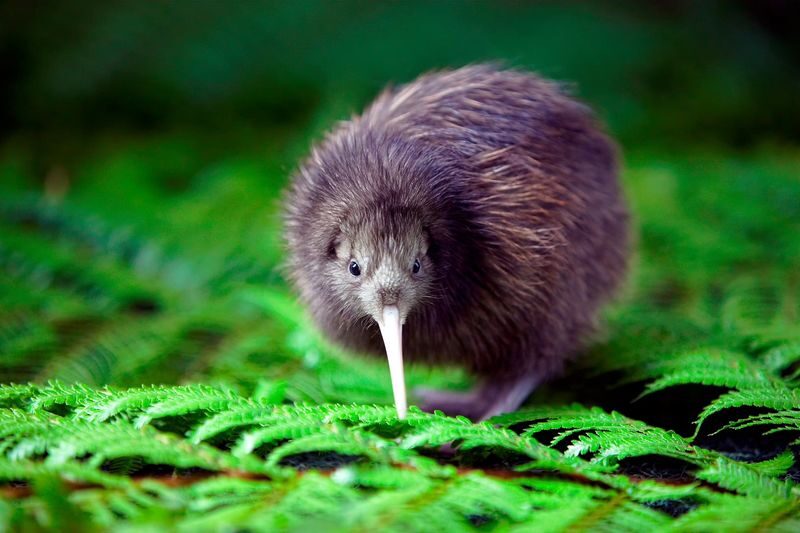
The kiwi is one of New Zealand’s best-known native birds, but it can be difficult to see in the wild. The National Kiwi Hatchery offers a different kind of encounter: instead of searching a forest at night, you learn how eggs are incubated and chicks are raised, then watch adult birds in an enclosure built to reflect their nocturnal habits.
That matters because this is not simply a short stop to look at an unusual bird. The hatchery’s central purpose is conservation. Since opening in 1995, it has hatched and released more than 2,600 kiwi chicks, and the guided tour gives you a view of the work behind those numbers. Your ticket also helps fund that work, which adds a practical purpose to the visit.
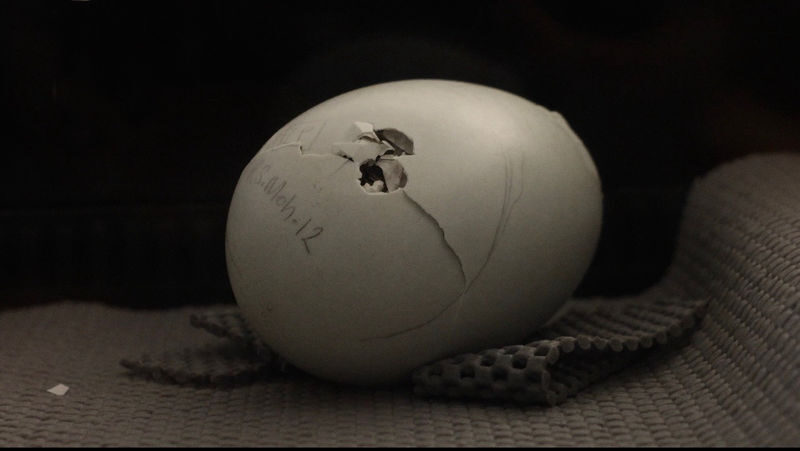
I would come with the right expectations. You are not promised a newborn chick, an egg, or a close look at every bird. What you can expect is a staff-led explanation of the kiwi’s life cycle, a look at the hatchery’s work and, if conditions allow, a chance to see adult birds and young kiwis.
The experience is in Ngongotaha, a short drive from Rotorua, at 141 Western Road. It is located at the Agrodome, making it possible to pair the visit with a farm show or other activity there if that suits your day. Transportation is not included, so plan how you will reach the meeting point before booking.
You can also read our reviews of more tours and experiences in Ngongotaha.

From kiwi eggs to the nursery
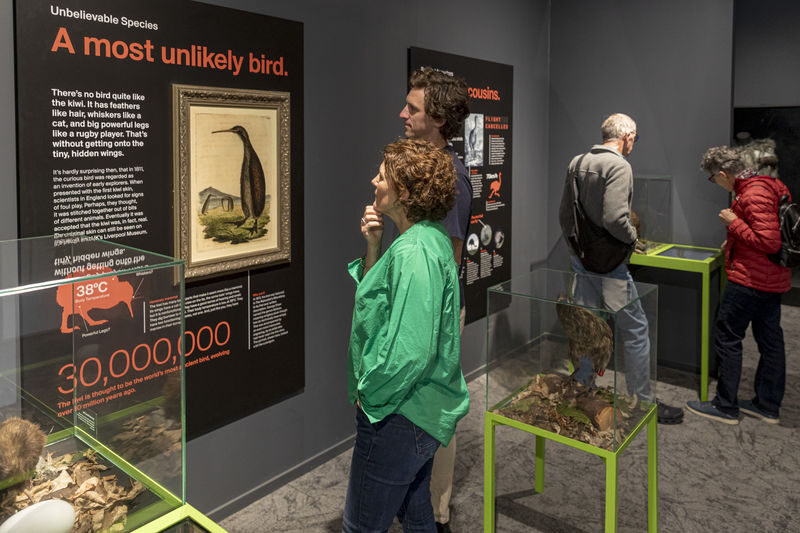
The tour begins with an introduction to the kiwi and the conservation work at the hatchery. A guide explains why the bird matters in New Zealand and why protecting eggs and chicks is an important part of helping the species. This opening gives the later viewing a purpose: you are not just looking at a bird, you are seeing stages in a conservation effort.
From there, the focus turns to egg incubation and the early stages of a kiwi’s life. The hatchery is designed around the work of hatching and rearing birds, so the tour offers a look at how eggs are handled and how chicks are cared for. The exact animals or stages you see will depend on what is happening at the centre during your visit.
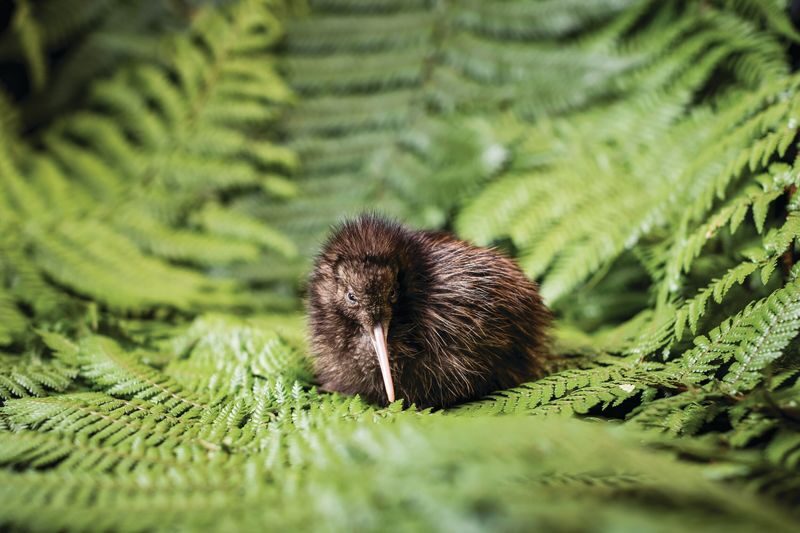
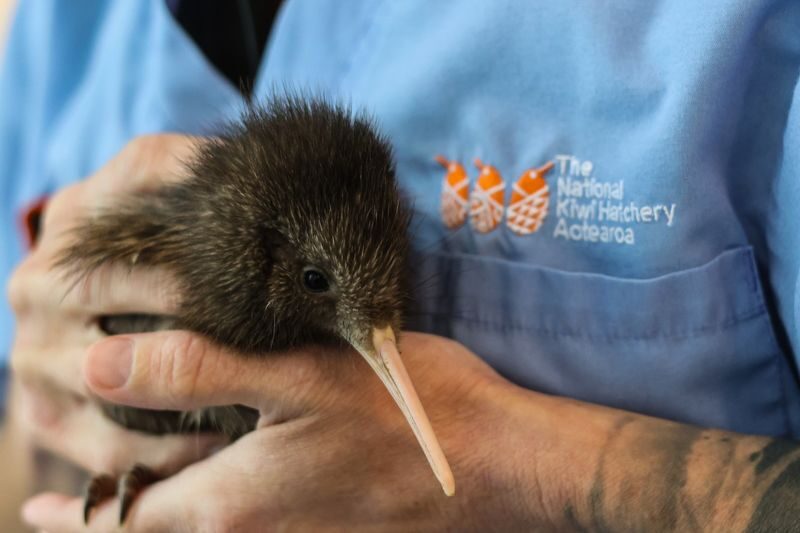
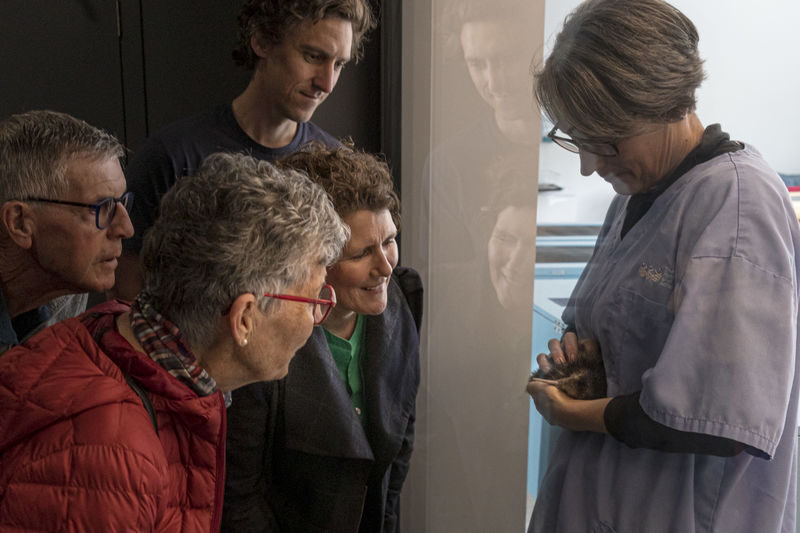
The nursery is a highlight when chicks are present. Visitors have seen young kiwi being weighed or fed by staff, and some have had the chance to watch a very young chick from behind glass. That sort of moment can be memorable, especially for children, but it is not a scheduled performance. The birds’ needs come first, and the team’s work continues whether or not there is a chick ready to be seen.
The best odds of seeing eggs and chicks are during the hatching season, from September through March. A winter visit can still be worthwhile: adult kiwi remain in the nocturnal enclosure, and chicks may sometimes be present outside the main season. But if young birds are your main reason for coming, choose a date in the warmer months when possible and keep expectations flexible.
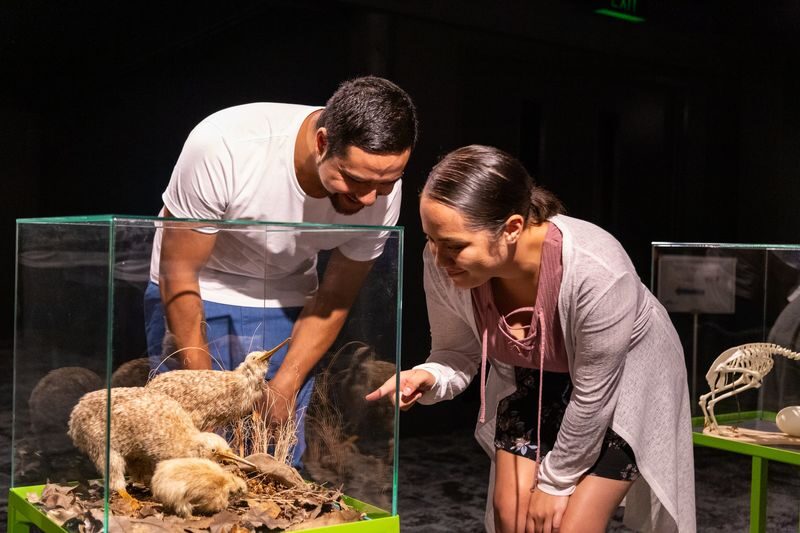
The scale of the facility may surprise you. This is a working hatchery rather than a sprawling wildlife attraction, and the tour is focused. That can be a plus if you want a clear, guided account of the process. If you expect a large zoo with many species and open viewing areas, this is not that kind of stop.
Watching kiwi in the dark
The tour also takes you into a specially designed nocturnal enclosure to observe adult kiwi. Since kiwi are active at night, the room is kept dark to give them a setting that suits their habits. You may see them moving through the enclosure and foraging, but the low light means you need to be patient and attentive.
This is one of the most unusual parts of the visit, and also the part that requires the most realistic expectations. Some people see two or more adult birds; others find the sighting brief or difficult in the darkness. You are looking at an animal in an environment designed around its needs, not a bird posed in bright light for easy viewing.
A kiwi’s shape and movement can make an impression even when visibility is limited. The birds are larger than some people expect, and watching them forage gives you a better sense of how different they are from the familiar birds in a garden or park. I would stand quietly, give your eyes time to adjust and listen closely to the guide’s directions.
Photography is not allowed inside, which can disappoint anyone hoping to leave with a picture. It also means there is no flash or camera activity in the viewing areas, and you can focus on watching rather than framing a shot. If you like to document every stop, know this rule before you go. The memory will have to do the work.
How the guided tour feels
The tour is led by hatchery staff, who explain the birds and the conservation process as you move through the facility. The pace is generally measured, with time to hear the explanations and take in what is on view. The tour is conducted in English, so it is a good fit if you are comfortable following spoken explanations in that language.
The strongest part is the balance between information and direct viewing. You learn about kiwi behaviour, habitat and the stages of hatching, then see the birds or hatchery spaces that make those details concrete. The guide’s explanations are especially useful for children and first-time visitors who may know the kiwi as a national symbol but little about its life.
It is an educational visit more than a hands-on animal encounter. You cannot feed the birds unless staff give permission, and close contact is limited by the animals’ care needs. If you are looking for a playful attraction with lots of interaction, you may find this quiet and straightforward. If you want to understand the work of protecting a native species, that focus is the point.
The team’s care is visible in the way the visit is structured. Staff explain what they are doing around the chicks and why, rather than turning every task into a show. At times, you may see a routine activity such as feeding or weighing, but it depends on the day and the birds’ needs.
Is $49.55 good value?
At a starting price of $49.55, this is not the cheapest short activity in Rotorua. The value depends on what you want from the visit. You are paying for a guided experience at a specialist conservation centre, a chance to see kiwi that are difficult to spot in the wild, and support for the hatchery’s work. The ticket proceeds go back into the hatchery, so the cost has a conservation purpose as well as an admission value.
If you mainly want a quick photograph with a kiwi, the price may feel steep, particularly because photography is not allowed and visibility in the nocturnal enclosure can vary. You also should not book on the assumption that you will see a chick. The centre can explain the work and show you the facility, but the animals and their care set the limits.
For families, the tour can be a useful way to give children a concrete lesson in native wildlife and conservation. Young chicks are a particular draw, but adults and older children may get just as much from the story of how the hatchery works. For wildlife enthusiasts, the opportunity to see a kiwi at all may make the price worthwhile.
The visit generally takes 1 to 2 hours. One visit may take less time than another, depending on the tour and what is happening in the hatchery. That makes it manageable as part of a Rotorua day, especially if you are already going to the Agrodome. Give yourself enough time to arrive early and avoid rushing through the explanations.
Practical details for your visit
The meeting point is the National Kiwi Hatchery Aotearoa at 141 Western Road, Ngongotaha, Rotorua 3010. Arrive 10 minutes before your scheduled start. Late arrivals may not be admitted once the tour has begun, and latecomers or no-shows cannot receive a refund.
Transport is not included. You will need to arrange your own way to the hatchery, and the location is at the Agrodome. The tour ticket covers admission and a guided visit, along with tax and insurance provided by the operator. Personal spending and tips are not included.
Leave strongly scented perfume at home. Animals can be sensitive to odours, and the hatchery asks visitors to avoid strong scents. You also cannot re-enter after leaving the venue, so take care of food, bathrooms and other plans before you go inside.
The voucher is valid only on the date, and time if applicable, that you select. Changes are free when made at least 24 hours before the activity, and cancellation at least 24 hours in advance qualifies for a full refund. Check the time carefully when booking, since arriving late can mean missing the tour.
Who should book the Kiwi Encounter Tour?
I would book this if you care about New Zealand wildlife and want more than a quick animal sighting. It is especially well suited to curious families, nature lovers and visitors who want to support practical conservation while learning how kiwi are protected. September to March is the stronger choice if seeing eggs or chicks is high on your list.
I would skip it if you need bright, easy viewing, want to take photographs, or expect a large attraction with many animals and activities. The hatchery is a focused, educational visit, and the adult viewing room is dark by design. Go for the chance to understand the work and see a kiwi on its own terms, not for a guaranteed close-up.
National Kiwi Hatchery – Kiwi Encounter Tour
“Very informative session, saw kiwis, eggs and newborn kiwi! Recommended.”
FAQ
How long does the National Kiwi Hatchery tour take?
Allow 1 to 2 hours for the visit. The time may vary depending on the tour and what is happening at the hatchery.
Where is the National Kiwi Hatchery?
It is at 141 Western Road, Ngongotaha, Rotorua 3010, New Zealand, at the Agrodome.
What is the best time of year to see kiwi eggs and chicks?
The hatching season runs from September to March. This is the best time to visit if you hope to see eggs or chicks.
Can I see adult kiwi outside the hatching season?
Yes. Adult kiwi can be observed in the specially designed nocturnal enclosure throughout the year.
Are kiwi sightings guaranteed?
No. What you see depends on the birds and the hatchery’s work on the day. You may see adult birds, eggs or chicks, but none is guaranteed.
Can I take photographs inside?
No. Photography is not allowed inside the hatchery.
Is transportation included?
No. You need to arrange your own transportation to the meeting point.
What does the ticket include?
The ticket includes admission to the National Kiwi Hatchery Aotearoa and a guided tour. Tax and insurance provided by the operator are also included.
How early should I arrive?
Arrive 10 minutes before your scheduled activity time. Late arrivals may not be allowed to enter once the tour has started.
Does my ticket support kiwi conservation?
Yes. Ticket proceeds go back into the hatchery’s conservation work.