
- Nagasaki: Christianity, Buddhism, and Shinto Tour – A Deep Dive into Japan’s Religious Layers
- Good To Know
- A Closer Look at the Itinerary and Experience
- Meeting Point and Introduction
- Oura Cathedral – Japan’s Oldest Christian Church
- Kofuku-ji Temple – Chinese Influence and Buddhist Tranquility
- Suwa Shrine – Shinto Rituals and Cultural Practices
- Dutch Slope – Architectural and Cultural Crossroads
- End of Tour and Reflection
- Practical Details and What You’ll Get
- What to Bring and Considerations
- The Experience from Reviews
- The Sum Up
- FAQ
Nagasaki: Christianity, Buddhism, and Shinto Tour – A Deep Dive into Japan’s Religious Layers
.jpg)
Travelers seeking a meaningful journey through Nagasaki will find this Christianity, Buddhism, and Shinto tour offers a fascinating glimpse into how diverse spiritual traditions coexist in Japan’s historic port city. With an emphasis on authentic sites and stories often overshadowed in typical sightseeing, this tour promises an immersive experience that reveals the intertwined faiths shaping Nagasaki’s identity.
What makes this tour appealing? First, it offers a balanced exploration of multiple religions, from the oldest Christian church in Japan to tranquil Shinto shrines. Second, the storytelling by knowledgeable guides makes the history come alive—especially the resilience of hidden Christians. Third, the intimate group size and flexible options allow for a more personal, unhurried experience.
However, a potential consideration is the price point of $870, which may seem steep for some travelers, especially those on a tighter budget. The value lies in the depth and authenticity of the sites visited, which are not always included in standard city tours.
This tour is ideal for history buffs, spiritual seekers, and culturally curious travelers who appreciate a detailed, genuine look at Nagasaki’s religious landscape without rushing through highlights.
You can check availability for your dates here:Good To Know
.jpg)
- Authentic Religious Sites: Visit Nagasaki’s oldest Christian church, a symbol of faith survival.
- Cultural & Spiritual Blend: Experience sites representing Buddhism, Shinto, and Christianity side by side.
- Insightful Guides: Learn stories of faith, resilience, and cultural integration from local experts.
- Hands-On Experience: Join a short prayer and witness traditional rituals at sacred sites.
- Historical Context: Walk through neighborhoods with old foreign residences, understanding cultural influences.
- Value & Flexibility: Book now and pay later, with options to cancel up to 24 hours beforehand.
A Closer Look at the Itinerary and Experience
.jpg)
Meeting Point and Introduction
The tour begins conveniently at the Nagasaki Station Tram Stop, right outside the station with easy access and nearby cafes—perfect for grabbing a quick coffee or snack before starting. The guides from PopUP Local Tours are known for their friendly, approachable manner, setting the tone for what’s to come.
Oura Cathedral – Japan’s Oldest Christian Church
First stop is the iconic Oura Cathedral, a striking Gothic structure that dates back to 1864. Its architecture is a visual reminder of Nagasaki’s unique history as a gateway for Christianity in Japan. This site symbolizes the perseverance of hidden Christians, who kept their faith alive despite persecution. A guide might share stories about the survival of faith underground and the significance of the cathedral as a symbol of resilience.
From reviews, visitors appreciate the sense of serenity at the cathedral, with one noting, “You can really feel the persistence of faith here, even after all these years.” It’s a quiet moment of reflection amid Nagasaki’s vibrant history.
More Great Tours NearbyKofuku-ji Temple – Chinese Influence and Buddhist Tranquility
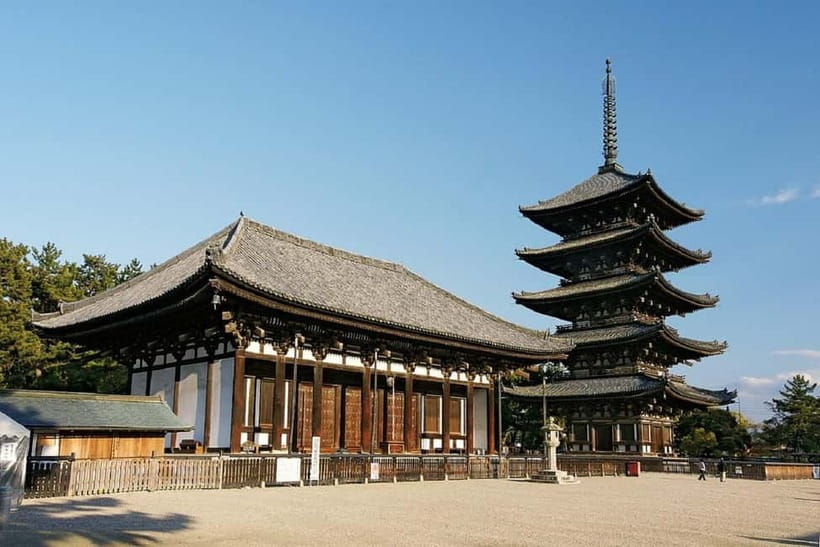
Next, the tour visits Kofuku-ji Temple, a historic Chinese Buddhist temple introducing visitors to Buddhism’s influence in Nagasaki. Walking through, you’ll encounter incense that fills the air, and temple bells ringing softly—a sensory experience that fosters tranquility.
Guests often comment on the peaceful atmosphere and the opportunity to feel connected to centuries of spiritual practice. The guide may invite you to join a short prayer, allowing for a more personal engagement with the tradition.
Suwa Shrine – Shinto Rituals and Cultural Practices
The journey continues to Suwa Shrine, a Shinto site where visitors can learn about purification rituals and balancing multiple spiritual practices. Shinto is deeply rooted in Japanese culture, and this shrine exemplifies how it coexists with other faiths.
Many guests find it fascinating to observe and participate in a short prayer, which adds a layer of authenticity. The guide explains the significance of offerings, purification, and prayer, helping you understand how faith manifests in everyday life in Japan.
Dutch Slope – Architectural and Cultural Crossroads
The final major stop is Dutch Slope, an area lined with historic foreign residences from the period when Nagasaki was Japan’s only port open to international trade. Walking through this neighborhood, you’ll see how cultural and spiritual worlds blended—evident in the architecture and stories of the residents who lived there.
Guests have described walking along Dutch Slope as a highlight, appreciating the visual contrast between traditional Japanese buildings and Western-style houses. It’s a perfect spot to reflect on how foreign influences shaped religious and cultural identities in Nagasaki.
End of Tour and Reflection
The tour concludes back at Nagasaki Station, leaving you with a deep, nuanced understanding of how faith, survival, and cultural exchange have defined the city.
Practical Details and What You’ll Get
The tour costs $870 per person, a price that reflects its comprehensive itinerary, expert guides, and intimate group experience. Since it’s a pay later booking, you can reserve your spot without immediate commitment, providing flexibility especially if your plans change.
Included in the tour are a friendly local guide, participation in a short prayer, and a walk through historical foreign residences. Not included are food, drinks, and personal expenses, so plan accordingly.
The tour lasts roughly a few hours, with a focus on quality over speed—perfect for those who enjoy stories and meaningful moments rather than quick photo ops.
What to Bring and Considerations
.jpg)
Prepare with comfortable shoes, camera, snacks, water, and cash for small purchases or tips. Dress comfortably, especially if visiting multiple sites with varying terrain.
Note that the tour isn’t suitable for those with altitude sickness, low fitness levels, babies under 1 year, or seniors over 95. Also, alcohol and drugs are prohibited, and littering is discouraged—help keep the experience respectful and enjoyable.
The Experience from Reviews
.jpg)
Reviewers highlight the emotional impact of the tour, with one mentioning their awe at the persistence of hidden faith. Others appreciated the insightful storytelling and felt more connected to Nagasaki’s layered history. Many noted the small group size made for a more personal, engaging experience, and the knowledgeable guides added depth to each site.
Some travelers did mention that the price could be a barrier, but most agreed that the quality of the sites and stories justified the expense. The opportunity to participate in rituals and learn about multiple faiths in one tour is quite rare and enriching.
The Sum Up
.jpg)
This Nagasaki: Christianity, Buddhism, and Shinto Tour offers a rare, authentic look into Japan’s religious tapestry through the lens of one city. It’s a carefully curated experience that balances history, culture, and spirituality, making it ideal for travelers eager to go beyond surface-level sightseeing.
The tour’s appeal lies in its personal storytelling, meaningful sites, and inclusive approach, giving visitors a chance to witness the resilience of faith and the harmony of diverse traditions. While the cost may seem high, the depth of insight and the opportunity to participate in sacred rituals provide tangible value.
If you’re someone who appreciates authentic stories, cultural diversity, and a thoughtful exploration of Japan’s spiritual landscape, this tour will leave a lasting impression.
FAQ
.jpg)
Is transportation included in the tour?
The tour begins and ends at Nagasaki Station Tram Stop, with guides leading you on foot through each site. Transportation between sites is part of the guided walk.
Can I join the tour without prior experience in religion?
Absolutely. The tour is designed to be accessible and informative for all levels of familiarity with religious practices. Guides will explain customs and rituals as you go.
Is the tour suitable for children?
It’s not suitable for babies under 1 year and those over 95 years old. While older children can enjoy the stories, the tour involves walking and some participation in rituals, so consider your child’s comfort.
What should I do if I need to cancel?
You can cancel up to 24 hours in advance for a full refund, offering flexibility if your plans change.
Are meals included?
No, food and drinks are not included. You might want to bring snacks or plan a meal afterward to reflect on your experience.
Is the guide bilingual?
Yes, the tour is conducted in English and Japanese, catering to a diverse group of travelers.
This tour offers a compelling, respectful look into Nagasaki’s spiritual fabric—perfect for anyone wanting more than just a checklist of sights, but a meaningful journey into Japan’s complex religious history.
You can check availability for your dates here: More Great Tours Nearby