If you’re looking for a way to balance the emotional weight of Hiroshima’s history with moments of quiet reflection, the Mitaki Peace Tour offers a meaningful and peaceful experience. While many visitors focus on the Atomic Bomb Dome and Peace Memorial Park, this tour takes you beyond the city’s core into the lush mountainside of Mitaki-dera, a temple founded in 809. It’s a chance to see history, spirituality, and nature intertwined—without the crowds.
What makes this experience stand out? First, the knowledgeable guides help you understand the historical significance of Mitaki’s structures and its connection to Hiroshima’s tragic past. Second, the stunning scenic views—especially during autumn—are a photographer’s dream. Third, the serene atmosphere of the temple grounds offers a calming break from busy sightseeing. The only caveat? The tour involves some walking, so it’s best suited for those with a moderate level of mobility.
This tour fits travelers seeking an authentic, reflective experience that combines history, nature, and spirituality. It’s perfect for those who want to slow down, connect deeply with Hiroshima’s story, and find moments of peace amid the city’s heavy history.
- Culturally enriching: Learn about Hiroshima’s post-war recovery and spiritual resilience with expert guides.
- Scenic and peaceful: Enjoy quiet walks through Mitaki-dera’s lush grounds, especially during autumn foliage.
- Historic connection: See structures damaged by the atomic bomb and monuments dedicated to peace.
- Efficient itinerary: Combines a visit to Peace Park with a scenic mountain temple, all in approximately 4 hours.
- Value for money: At $88, the tour includes transportation, entrance fees, and insights—delivering a well-rounded experience.
- Small groups: Limited to six travelers, ensuring personalized attention and relaxed pacing.
Starting at Hiroshima’s Peace Memorial Park

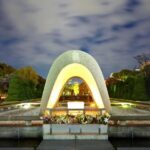
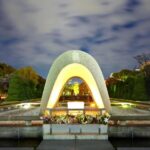
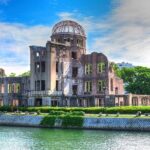
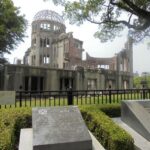
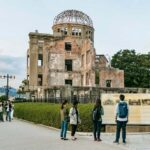
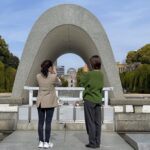
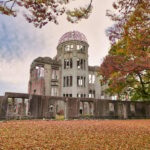
The tour begins with a short introduction at Hiroshima’s Peace Memorial Park, where you’ll visit iconic sites like the Atomic Bomb Dome and the Rest House (damaged by the atomic blast). Your guide will explain how these structures symbolize resilience, and how Hiroshima has transformed since 1945. If timing permits, the tour might include a visit to the hypocenter itself, providing a visceral connection to the event’s impact.
Many reviews emphasize how this first stop sets a profound tone. One reviewer noted, “Listening to the explanations about Hiroshima’s destruction helped me understand the scope of the tragedy beyond just reading about it.” The walk through this memorial space offers space for reflection, setting the stage for the peaceful retreat to Mitaki.

👉 See our pick of the 3 Best Workshops And Classes In Hiroshima
Journey to Mitaki-dera: Nature and History Combined

Next, you’ll hop on a local bus for a short ride from the Peace Park to the Mitaki area. The roughly 10-minute walk from the bus stop to the temple is itself a treat, with some reviewers praising the easy, relaxed pace and the scenic surroundings. Along the way, your guide points out interesting sights and shares stories about Mitaki’s history.
When you arrive at Mitaki-dera, the admission is included, allowing you to explore at your own pace. Here, the balance of historic structures and natural beauty shines through. The temple complex is filled with stone Buddhist statues, a pagoda, and memorials linked to Hiroshima’s tragic past. Many visitors say they appreciated the preserved structures that survived the atomic bombing, which serve as both historical artifacts and symbols of resilience.
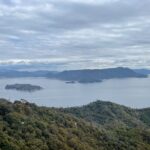
A recurring theme from reviews is how the calm, spiritual atmosphere fosters reflection. One visitor remarked, “Mitaki-dera’s serenity was exactly what I needed after learning about Hiroshima’s devastation.” The temple’s peaceful grounds, amid dense greenery, provide numerous photo opportunities—especially in autumn when the foliage turns fiery red and gold.
You can also read our reviews of more tours and experiences in Hiroshima.

Connecting with Hiroshima’s Spirit of Peace
Throughout the visit, your guide offers insights into Mitaki’s role as a place of remembrance and peace. Visitors learn about the monuments dedicated to those affected by the atomic bomb and the stone statues symbolizing hope and forgiveness. Many reviewers highlight the meaningfulness of this connection, with one stating, “Learning about the peace monuments made me feel more hopeful about the future.“
After completing the temple visit, you’ll walk back to Mitaki Station and take the train back to central Hiroshima, ending your roughly 4-hour journey. The train ride itself, described by travelers as a smooth and efficient way to return, offers a chance to reflect on the day’s experiences.
At $88.68 per person, this tour ticks many boxes. It combines transportation, entry fees, and a licensed guide—all wrapped into a well-paced, intimate experience. Travelers consistently mention how the small group size (a maximum of six) fosters meaningful conversations and personalized attention.
The expert guidance is critical in understanding the layered history of Hiroshima—beyond the surface of the well-known sites. Being able to walk through the temple grounds and see structures scarred by history makes the experience visceral. Many reviewers, including one who said, “This tour deepened my understanding of Mitaki’s significance,” found that the storytelling added emotional depth.
The tour’s focus on peace and spiritual reflection makes it stand out from more conventional city sightseeing. Visitors often mentioned how the natural surroundings and quiet atmosphere made for a calming counterpoint to the typically busy Hiroshima attractions.
- Walking shoes are recommended as there’s some walking involved, including a short walk from the bus to Mitaki-dera.
- Bring bottled water; despite the tour’s peaceful vibe, walking in Hiroshima’s changing weather can be dehydrating.
- The tour operates at 1:00 pm, giving you a relaxed afternoon option—perfect to combine with morning sightseeing.
- Since the tour is not recommended for those with walking difficulties, plan accordingly if you have mobility concerns.
- You might want to bring a camera or smartphone; the scenic spots and historic structures provide excellent photo opportunities.
- The tour is small, so booking in advance is advised, especially during peak seasons like autumn.
This tour is ideal for travelers who want to go beyond typical Hiroshima highlights and dive into a quieter, more contemplative experience. It’s perfect if you’re interested in history with depth, nature, and spiritual reflection. Those who appreciate guided insights will find the knowledgeable guides add significant value, especially with their stories about Hiroshima’s resilience and hope.
It’s also suitable for travelers who prefer small group settings for a more personal experience. However, if you have mobility difficulties or prefer a more energetic, fast-paced tour, this might not be the best fit.
The Mitaki Peace Tour offers a rare blend of history, nature, and spirituality, making it an enriching addition to your Hiroshima itinerary. It’s a chance to reflect deeply on Hiroshima’s past while enjoying the tranquility of a historic temple surrounded by lush greenery. The tour’s intimate size and expert guides ensure you gain meaningful insights, making your visit not just educational but emotionally resonant.
For those seeking a peaceful yet profound experience—especially if you’re interested in understanding Hiroshima’s journey towards peace—this tour delivers genuine value. It’s best suited for travelers who enjoy learning in quiet, scenic settings and want a break from more crowded, commercialized sites.
Is transportation included?
Yes, the tour includes the bus fare from Hiroshima’s Peace Memorial Park to the Mitaki area and the train fare from Mitaki Station back to Hiroshima Station or nearby stations.
How long does the tour last?
The entire experience takes approximately 3 hours 25 minutes to 4 hours, including transportation, site visits, and walking.
What should I bring?
We recommend bringing bottled water, comfortable walking shoes, and a camera or smartphone for photos.
Is the tour suitable for people with walking difficulties?
No, the tour involves walking and some uneven paths, so it’s not suitable for those with mobility issues.
What’s included in the price?
The price covers transportation (bus and train fares), entrance fees to Mitaki-dera, a licensed guide, and a postcard featuring a recycled paper crane with a stamp.
Can I join the tour if I don’t speak Japanese?
Yes, the tour is guided by a licensed local guide who speaks English, making it accessible for international travelers.
Do I need to book in advance?
Given the small group size (max six travelers), booking ahead is recommended to secure your spot.
What is the best time of year to visit Mitaki-dera?
While the tour is enjoyable year-round, many reviews highlight the stunning autumn foliage, making late November to December an excellent time to visit.
Is there any downtime during the tour?
The schedule is quite balanced, with enough time to explore and reflect, but not so much that you’ll feel rushed.
This tour offers a heartfelt, scenic, and historically meaningful way to experience Hiroshima beyond the typical sights. Whether you’re seeking quiet reflection or a deeper understanding of the city’s resilience, the Mitaki Peace Tour provides a memorable, authentic journey.