A painted mask is more than a souvenir here. In Madhyapur Thimi, you work with a local artisan while learning how designs and symbols connect to deities, festivals, rituals, and Newari traditions in the Kathmandu Valley. You leave with a mask you made yourself, not just another object picked up along the way.
I like two things in particular: the session pairs hands-on painting with cultural stories, so the symbols have context, and it welcomes beginners, letting you work at your own pace. The main caution is value: one participant found the lesson lasted about two hours and felt short for the cost. No artisan’s name or fixed class length is provided, so confirm the timing before you book.
- Paint your own traditional Nepali mask with guidance from a local artisan.
- Hear the meaning behind the designs, including their ties to deities, festivals, and Newari traditions.
- Learn through stories about masks in rituals, dances, and community celebrations.
- No previous painting experience is needed, making this a low-pressure creative activity.
- Take your finished mask home as a handmade keepsake from Nepal.
- Transfers, refreshments, admission, and English-speaking staff are included, with tips and personal expenses extra.
- Painting a mask with a local artisan
- Reading the symbols behind the paint
- A half-day outing to Madhyapur Thimi
- What is included, and what is not
- Who is likely to enjoy this session
- Should you book the mask-painting session?
- FAQ
- Where does the mask-painting activity take place?
- Do I need painting experience?
- What will I learn while painting?
- Can I take my mask home?
- What is included in the package?
- What is not included?
- When does the activity return?
- What is the cancellation policy?
Painting a mask with a local artisan
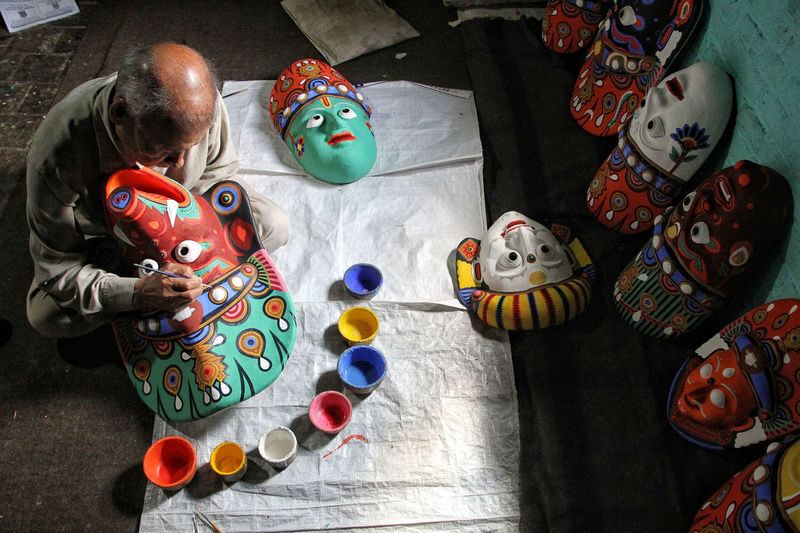
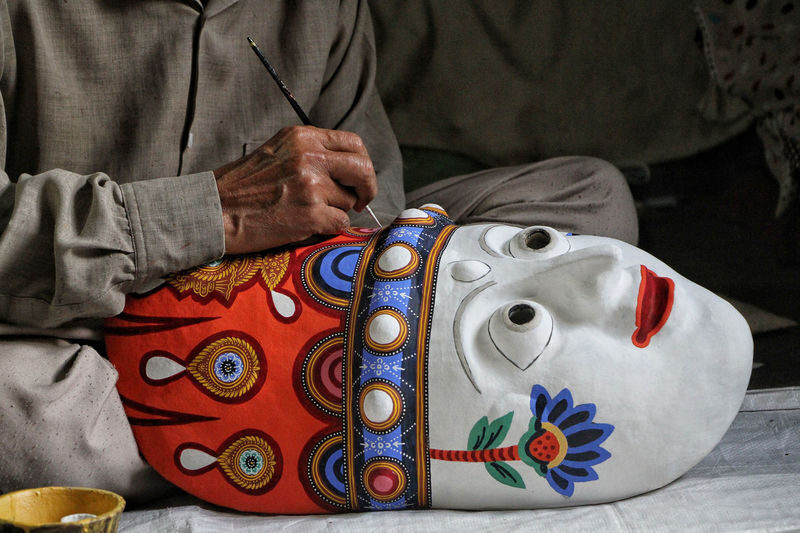
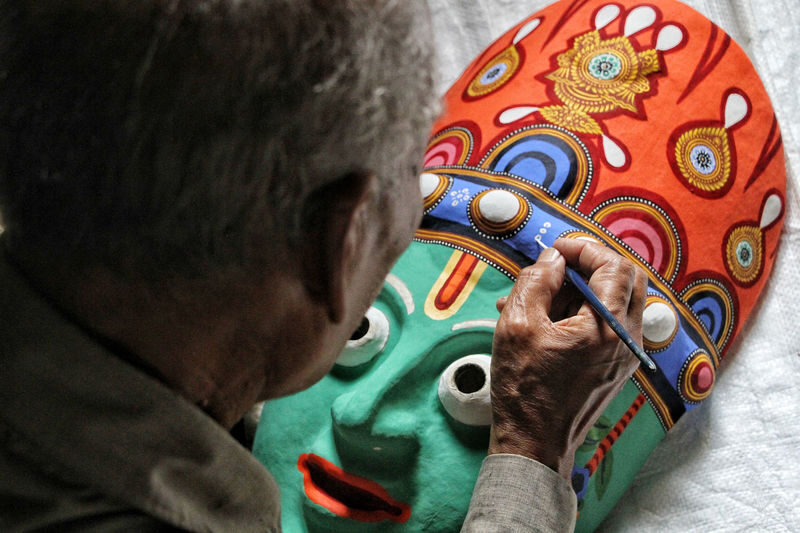
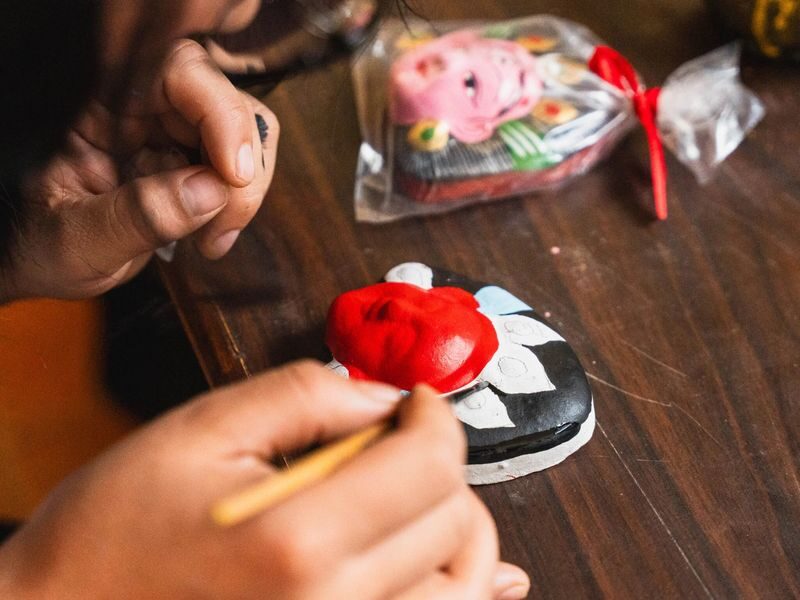
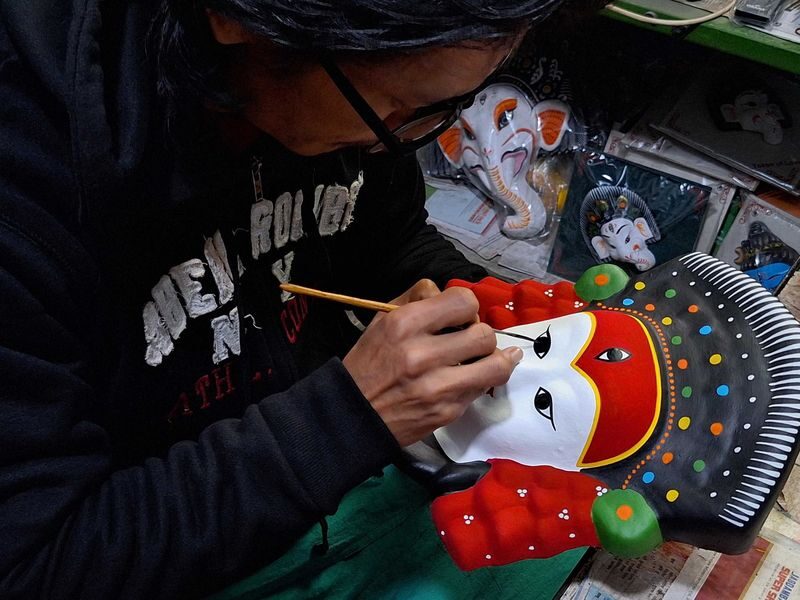
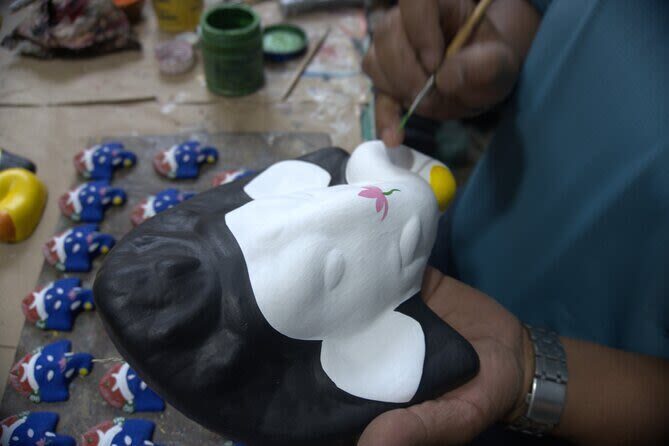
The main event is a practical one: you paint a traditional Nepali mask with an artisan close at hand to guide you. You do not need to arrive with an artist’s hand or a plan for the finished design. The session is described as relaxed and interactive, with room to work at your own pace.
That beginner-friendly approach matters. A craft activity can feel awkward if you are expected to know what to do before you pick up a brush. Here, the point is to make something while learning, rather than to pass a test in technique. If you enjoy trying a local craft but do not usually make art, this is a sensible way in.
The finished mask is yours to take home. That gives the activity a practical edge: you leave with an object you helped create, along with the memory of the stories and symbols discussed while you worked. It is a more personal souvenir than a ready-made purchase, though the value depends in part on how much time you get with the artisan.
The artisan’s name is not provided, so you cannot choose a particular teacher in advance. One participant praised the teacher’s kindness, patience, and helpfulness. That is encouraging, especially for a hands-on class where clear guidance can make the difference between a pleasant afternoon and a frustrating one.
Reading the symbols behind the paint
The session’s cultural side is what gives the painting its point. You hear about the meaning behind mask designs and how they relate to deities, festivals, and Newari traditions in the Kathmandu Valley. The mask is not treated simply as a decorative object; the stories connect it to the ways masks appear in rituals, dances, and community celebrations.
That context can change how you look at the finished piece. Instead of choosing colors and patterns without knowing what they suggest, you have a chance to ask what a design means and why it matters. The information provided does not name specific deities or identify exact mask styles, so expect a general introduction rather than a promised lesson on one particular figure or tradition.
The storytelling also gives you a reason to slow down. Painting becomes a setting for conversation, not just a task to complete. If you are curious about local customs but prefer a small, participatory activity to a long lecture, that blend may suit you well.
At the same time, keep expectations measured. The session promises cultural stories and explanations of symbolism, but it does not specify the depth or range of topics. If you want detailed instruction in mask-making or a specialist account of Newari ritual art, ask what the class covers before booking.
A half-day outing to Madhyapur Thimi
The meeting information names Hotel Nepal Bhumi and Madhyapur Thimi, while the departure time is confirmed after booking. The return is listed for 13:00. Round-trip transport to and from the meeting location is included, along with transport as part of the package, so you do not have to arrange the journey to the activity entirely on your own.
The schedule gives you a useful shape for the day, but not a fully specified timetable. It lists departure, Madhyapur Thimi, and a 13:00 return, without stating the precise pickup time or how long the transfer takes. Traffic and weather may change the schedule. Get the confirmed departure time before you plan another activity around it.
One participant’s account raises a more specific timing concern: the whole lesson was about two hours, and they felt that was not enough for the price. That is worth taking seriously, but it is not a guaranteed duration for every session. The activity description does not promise a set number of painting hours, so ask the operator how much time is reserved for the class itself, apart from transport.
The setting is described as an authentic cultural environment, but no workshop address or detailed venue description is given beyond Madhyapur Thimi. You can expect to take part in the activity there, but should not assume a particular studio, neighborhood walk, or additional sightseeing stop.
What is included, and what is not
The package includes admission to attractions, English-speaking staff, refreshments, round-trip transfers to and from the meeting location, and transport. Taken together, those inclusions make this more than a paint-and-go class: you have practical help with the outing and a language bridge for the cultural explanation.
Tips and gratuities are not included, nor are other personal expenses. Bring some room in your budget for anything you choose to buy or spend beyond the activity. No additional purchases are required by the information provided.
The price needs a little care. The experience summary gives a starting price of US$85.55, while the named package, Traditional Art, Symbolism & Hands-On Experience, is shown from US$77.79. Those figures do not match, and both are starting prices rather than a confirmed total for your date and party. Check the price shown at checkout before you decide.
To judge the value, weigh the guided craft, cultural explanation, finished mask, refreshments, and transfers together. If you especially want a locally guided introduction and the convenience of transport, the package may be worthwhile. If your main goal is a long, intensive painting lesson, the reported two-hour session and the participant’s concern about value are reasons to compare options first.
Who is likely to enjoy this session
This is a good fit if you want a calm, creative activity that connects an object you make with local cultural context. Beginners are explicitly welcome, so you do not need to be confident with paint. It also suits people who like leaving an activity with something tangible rather than only photographs.
Families can consider it, but infants and children must be included in the passenger headcount. The available information does not give a minimum age, child-specific activity details, or separate pricing rules, so check those points if you are booking for a family.
It may be less suitable if you want a long workshop with a guaranteed duration, a named specialist, or a detailed curriculum. Those details are not provided. The teacher’s patience was singled out by one participant, but the same account criticized the scheduling and felt the two-hour lesson was too short for the cost. That combination points to a promising teaching interaction with a real need to clarify timing.
Participants who appear intoxicated may be refused service, with no refund in that case. The voucher is valid only for the date and time specified, so make sure the booked slot works for your plans.
Should you book the mask-painting session?
Book it if you value the mix of making, storytelling, and a handmade souvenir, and if a relaxed introduction matters more to you than a long technical class. The strongest reasons to go are the chance to learn from a local artisan and the cultural explanations that give the mask meaning.
Pause before booking if you are price-sensitive or want to spend several hours on the craft. The duration concern is specific enough to merit a direct question to the operator: how long is the lesson itself, and how much time is available for painting? Also confirm the current total price and departure time. With those details settled, you can make a fair call on whether the convenience and cultural context are worth the cost.
FAQ
Where does the mask-painting activity take place?
It takes place in Madhyapur Thimi, Nepal. The meeting information names Hotel Nepal Bhumi and Madhyapur Thimi.
Do I need painting experience?
No. The session is described as suitable for beginners, and no prior experience is needed.
What will I learn while painting?
A local artisan explains the meanings of designs and symbols, including connections to deities, festivals, and Newari traditions. You also hear stories about masks in rituals, dances, and community celebrations.
Can I take my mask home?
Yes. You take home the mask you paint.
What is included in the package?
Admission to attractions, English-speaking staff, refreshments, round-trip transfers to and from the meeting location, and transport are included.
What is not included?
Tips and gratuities, along with other personal expenses, are not included.
When does the activity return?
The listed return time is 13:00. The departure time is confirmed after booking, and the schedule may change with traffic or weather.
What is the cancellation policy?
A full refund is available if you cancel at least 24 hours before the activity date, using destination local time.