Nestled in the heart of Peru’s Sacred Valley, Maras and Moray beckon travelers with their captivating allure. Like hidden gems waiting to be discovered, these ancient sites offer a window into the rich tapestry of Inca history and culture.
From the mesmerizing salt mines of Maras to the innovative agricultural experiments at Moray, there is a world of wonders to explore.
As the sun sets on the horizon, casting an ethereal glow over the terraced landscapes, it becomes clear that Maras and Moray hold secrets and stories just waiting to be unveiled.
- Good To Know
- History of Maras and Moray
- Cultural Significance
- Unique Landscapes and Terraces
- Visiting Maras Salt Mines
- Exploring Moray Archaeological Site
- Local Communities and Traditions
- Best Time to Visit
- Tips for a Memorable Experience
- Common Questions
- How Were the Maras Salt Mines Formed?
- What Is the Cultural Significance of Maras and Moray to the Local Communities?
- How Were the Unique Landscapes and Terraces of Maras and Moray Created?
- Are There Any Restrictions or Guidelines for Visiting the Maras Salt Mines?
- Can Visitors Interact With the Local Communities and Learn About Their Traditions at Maras and Moray?
- The Sum Up
- The Best Of Cusco!
- More Tour Reviews in Cusco
- Not for you? Here's more nearby things to do in Cusco we have reviewed
Good To Know
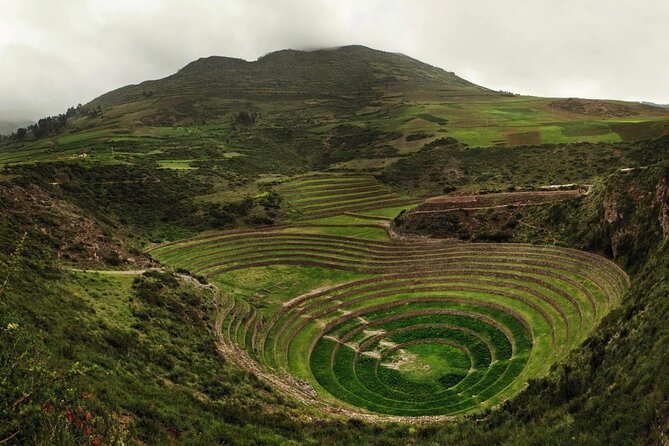
- Maras and Moray showcase the ingenuity and cultural significance of the ancient Inca civilization.
- The landscapes and terraces of Maras and Moray represent ancient Inca engineering and agricultural knowledge.
- Visiting Maras allows for marveling at the visually stunning salt pans and learning about traditional salt production.
- Exploring Moray offers insights into Inca agricultural practices through the complex of circular terraces with varying microclimates.
👉 See our pick of the 25 Best Shopping Tours In Cusco
History of Maras and Moray
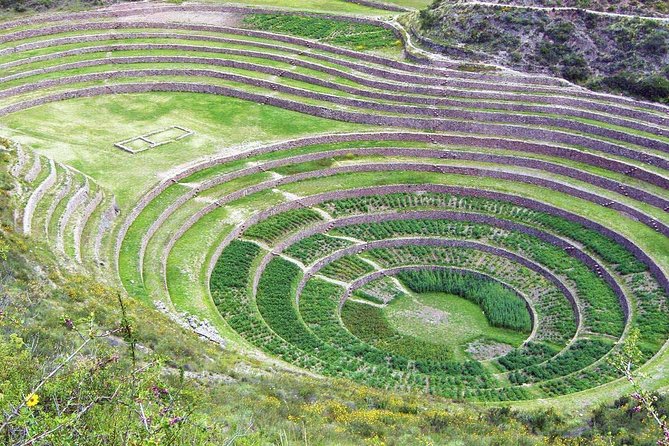
The history of Maras and Moray is a fascinating tale of ancient civilizations and their innovative agricultural practices.
Maras, located in the Sacred Valley of Peru, was once home to the ancient Inca civilization. It’s known for its salt pans, which have been used for centuries to extract salt from the nearby mountains. The salt pans are a sight to behold, with their terraced pools glistening in the sunlight.
Moray, on the other hand, is famous for its circular terraces that were used by the Incas for agricultural experiments. These terraces were built at different elevations and created microclimates that allowed the Incas to grow a wide variety of crops.
The history of Maras and Moray showcases the ingenuity and resourcefulness of ancient civilizations and continues to captivate visitors with its rich heritage.
You can also read our reviews of more tours and experiences in Cusco.



Cultural Significance
With its rich history and unique agricultural practices, Maras and Moray hold a significant cultural legacy that continues to fascinate and captivate visitors. The cultural significance of these ancient Inca sites can be seen in the following ways:
Preservation of traditions: Maras and Moray serve as a reminder of the ancient Inca civilization and their advanced agricultural techniques. The local communities have worked hard to preserve these traditions, passing them down from generation to generation.
Spiritual connection: The sites are considered sacred by the local Quechua people, who still perform rituals and ceremonies in honor of their ancestors. This spiritual connection adds an air of mysticism and reverence to the experience.
Exploration of history: Exploring Maras and Moray allows visitors to explore the history of the Inca Empire and gain a deeper understanding of their culture and way of life.
Visiting Maras and Moray isn’t just a sightseeing experience; it’s an opportunity to take in the rich cultural heritage of the Inca civilization.
Unique Landscapes and Terraces
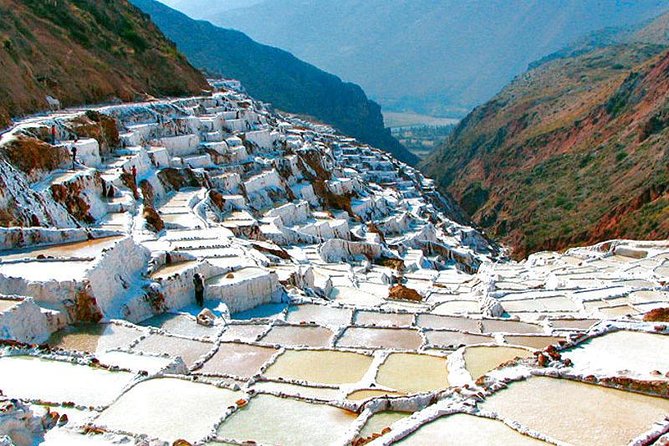
Nestled within the Andean highlands of Peru, the landscapes and terraces of Maras and Moray transport visitors to a world of breathtaking beauty and ancient agricultural ingenuity.
Maras is famous for its visually stunning salt pans, which cover the hillsides like a patchwork quilt of white. These salt pans have been in use since Inca times and are still harvested today, providing a livelihood for the local community.
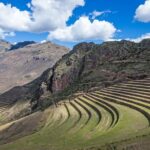
Moray, on the other hand, is home to a series of circular terraces that descend into the earth like a giant amphitheater. These terraces served as experimental agricultural laboratories for the Incas, allowing them to cultivate different crops at varying temperatures and elevations.
Today, these unique landscapes and terraces offer a glimpse into the remarkable engineering and agricultural knowledge of the ancient Inca civilization.
Visiting Maras Salt Mines
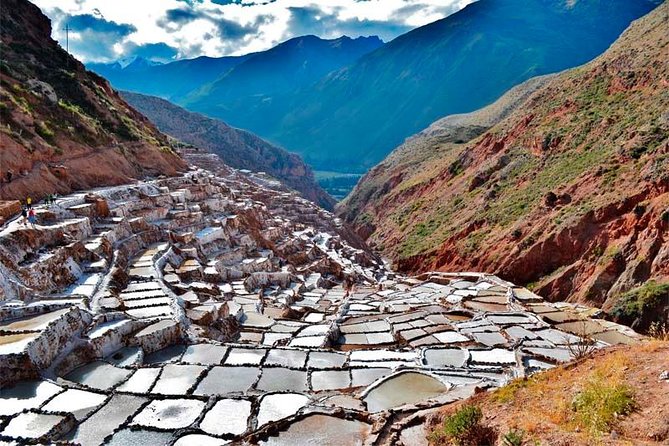
Continuing the exploration of Maras and Moray, one can now embark on a fascinating journey to the Maras Salt Mines. Nestled in the Sacred Valley of the Incas, these ancient salt pans have been in use since pre-Incan times and offer a unique glimpse into the region’s rich history.
Here are three reasons why visiting the Maras Salt Mines is a must:
Marvel at the breathtaking landscape: As you approach the salt pans, you’ll be greeted by a stunning sight of thousands of terraced pools filled with glistening white salt. The contrast against the surrounding mountains is simply awe-inspiring.
Learn about traditional salt production: Take a guided tour to understand the intricate process of salt extraction and production that has been passed down through generations. It’s a fascinating insight into the local culture and traditions.
Enjoy the therapeutic qualities of the salt: The salt from Maras isn’t only used for culinary purposes but also holds therapeutic properties. Many visitors indulge in unique salt spa treatments that leave them feeling rejuvenated and refreshed.
Visiting the Maras Salt Mines is an unforgettable experience that combines natural beauty, cultural heritage, and relaxation. Don’t miss the opportunity to explore this hidden gem in the heart of the Peruvian Andes.
Exploring Moray Archaeological Site
The Moray Archaeological Site offers a captivating glimpse into the ingenuity and agricultural practices of the ancient Incas. Located in the Sacred Valley of Peru, this site is a complex of circular terraces that were used for agricultural experimentation and adaptation. Each terrace varies in temperature and microclimate, allowing the Incas to cultivate a wide range of crops.
The largest terrace measures about 30 meters deep, and the temperature difference between the top and bottom can reach up to 15 degrees Celsius. It’s believed that the Incas used this site as a laboratory to test and develop new crop varieties.
The circular terraces, combined with the stunning views of the surrounding mountains, make exploring the Moray Archaeological Site a truly unique and awe-inspiring experience.




Local Communities and Traditions
Surrounded by the breathtaking landscapes of the Sacred Valley of Peru, the local communities and their vibrant traditions add a rich cultural tapestry to the experience of visiting Maras and Moray. As visitors explore the ancient ruins and marvel at the intricate agricultural terraces of Moray, they have the opportunity to engage with the locals and learn about their customs and way of life.
The traditions of these communities are deeply rooted in the land and reflect a harmonious relationship with nature. From colorful festivals filled with music and dance to traditional agricultural practices passed down through generations, the local communities offer a glimpse into the living history of the region.
It is through these interactions that visitors can truly enjoy the authentic spirit of Maras and Moray.
- Experience the vibrant energy of traditional festivals
- Learn about ancient agricultural practices
- Interact with locals and gain insight into their way of life
Best Time to Visit
The ideal time to visit Maras and Moray varies depending on your preferences, but each season offers its own unique charm.
Spring, from March to May, is a great time to visit if you want to see the landscapes come to life with vibrant colors. The temperatures are mild, ranging from 10 to 20 degrees Celsius, and the crowds are still relatively small.
Summer, from June to August, is the peak tourist season, with warm and sunny weather perfect for exploring the archaeological sites. However, be prepared for larger crowds.
Fall, from September to November, offers cooler temperatures and a quieter atmosphere. The landscapes are adorned with autumn colors, creating a stunning backdrop for your visit.
Winter, from December to February, is the least crowded time to visit, but the temperatures can drop below freezing. However, if you don’t mind the cold, you’ll be rewarded with a peaceful and serene experience.
Tips for a Memorable Experience
For a truly memorable experience at Maras and Moray, consider these essential tips.
Enjoy the breathtaking beauty of the salt mines in Maras. Witness the mesmerizing sight of thousands of shimmering salt pans, creating a unique and awe-inspiring landscape. The contrast of the white salt against the surrounding mountains is a sight to behold.
Explore the mysterious and intriguing agricultural terraces of Moray. Marvel at the precision and ingenuity of the Incas as you wander through the concentric circles of terraces. Each level offers a different microclimate, allowing the Incas to experiment with various crops and adapt to different growing conditions.
Don’t forget to interact with the local community. Engage with the friendly villagers, learn about their traditions, and discover their way of life. Their warmth and hospitality will add an extra layer of authenticity to your experience.
Common Questions
How Were the Maras Salt Mines Formed?
The Maras salt mines were formed through a natural process over thousands of years. The exact details of their formation are still being studied by geologists, but they are believed to be a result of underground water sources carrying salt to the surface, where it crystallizes and is harvested.
What Is the Cultural Significance of Maras and Moray to the Local Communities?
Maras and Moray hold great cultural significance to the local communities. They are not only historical sites but also symbolize the rich heritage and traditions of the people. These places are cherished and celebrated for their unique cultural value.
How Were the Unique Landscapes and Terraces of Maras and Moray Created?
The unique landscapes and terraces of Maras and Moray were created through a combination of natural geological processes and human ingenuity. The local communities have harnessed the natural features to cultivate crops and sustain their livelihoods for centuries.
Are There Any Restrictions or Guidelines for Visiting the Maras Salt Mines?
There are guidelines and restrictions for visiting the Maras salt mines. Visitors are advised to follow designated paths and not touch the salt pools. It is important to respect the local environment and cultural heritage.
Can Visitors Interact With the Local Communities and Learn About Their Traditions at Maras and Moray?
Visitors to Maras and Moray can interact with local communities and learn about their traditions. This provides a unique opportunity to take in the culture and gain a deeper understanding of the local way of life.
The Sum Up
Maras and Moray offer an enchanting journey into the ancient Inca civilization. With the mesmerizing salt mines of Maras and the innovative agricultural terraces of Moray, visitors can witness the rich history and ingenuity of the Incas firsthand.
Exploring these sites provides a truly immersive experience, allowing visitors to explore Peru’s fascinating past. Whether it’s witnessing traditional salt harvesting techniques or marveling at the circular terraces, a visit to Maras and Moray is sure to leave a lasting impression.