If you’re looking to see a different side of Japan beyond temples and cherry blossoms, the Kyoto City Japanese Caregiving Culture Tour offers an authentic glimpse into rural life and caregiving traditions. Hosted by Hidamari Care Co.,Ltd, this one-day experience combines hands-on farm work, cultural connection, and a deep dive into Japan’s unique approach to elder care. It’s a chance to learn practical skills while enjoying the daily rhythm of a traditional Japanese farmhouse.
What makes this tour stand out? First, the opportunity to practice traditional caregiving techniques in a real rural setting. Second, the chance to share meals and stories with local elders, adding an emotional and cultural depth. Third, the experience of staying in a traditional farmhouse, which offers a true taste of rural Japanese life. However, it’s worth noting that the physical activities involved—like chopping firewood—may not suit everyone, especially those with mobility issues.
This experience is perfect for travelers eager for an authentic, hands-on cultural encounter that mixes care, community, and rural living. If you’re curious about how caregiving fits into everyday life in Japan or want a unique story to bring home, this tour will resonate well.
- Good To Know
- An Introduction to the Kyoto City Japanese Caregiving Culture Tour
- What to Expect During Your Day
- Pickup and Arrival in Mizobe
- Morning Activities: Farm Life and Caregiving Practice
- Cooking and Sharing Meals
- Learning and Practice: Body-Safe Movements
- Free Time and Cultural Exchange
- Evening Meal and Reflection
- Return to Mizobe
- Deep Dive Into the Activities and Experience Quality
- Farm Work and Physical Activities
- Sharing Meals with Elders
- Learning the Techniques
- Cultural and Emotional Connection
- Value for Money
- Practical Details: What You Need to Know
- Final Verdict: Who Will Love This Tour?
- FAQ
- Final Thoughts
- The Best Of Kyoto!
- More City Tours in Kyoto
- More Tours in Kyoto
- More Tour Reviews in Kyoto
- Not for you? Here's more nearby things to do in Kyoto we have reviewed
Good To Know
- Authentic rural experience: Live in a traditional farmhouse and participate in farm work.
- Hands-on caregiving learning: Practice body-safe movements and caregiving techniques rooted in Japanese culture.
- Cultural connection: Share meals, stories, and daily activities with local elders.
- Accessible for physically able participants: Involves activities like chopping firewood and farm chores.
- Small group size: Limited to 10 participants, ensuring a personalized experience.
- Value for money: Offers practical skills and cultural insights within a one-day format.

👉 See our pick of the 25 Best Workshops And Classes In Kyoto
An Introduction to the Kyoto City Japanese Caregiving Culture Tour
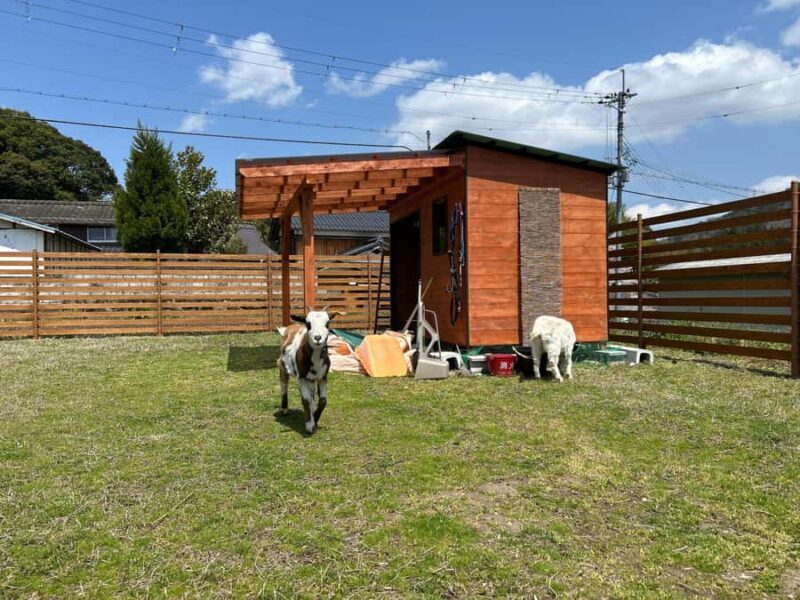
This tour isn’t about sightseeing landmarks; it’s about stepping into a real rural community in Kyoto and experiencing caregiving as part of everyday life. Hosted by Hidamari Care Co.,Ltd, the journey is designed to give you a practical understanding of how Japan integrates caregiving into rural routines, blending tradition with modern care techniques.
What immediately strikes us is how this experience combines learning, physical activity, and emotional connection into a single day. It’s not just observing; you’re participating. Whether it’s chopping firewood or cooking over a traditional stove, the focus is on slow, meaningful engagement that offers insights into Japan’s caregiving philosophy.
A notable plus is the small group size—limited to 10— which creates a more intimate, relaxed atmosphere. This setup encourages genuine interactions with locals and allows for personalized guidance from your live Japanese-speaking guide.
On the downside, the physically active nature of the tour might not be suitable for everyone, especially those with mobility constraints. But for those able to join in, this is a rare chance to see caregiving in action, embedded into rural life.
You can also read our reviews of more city tours in Kyoto


What to Expect During Your Day
Pickup and Arrival in Mizobe
Your day begins in Mizobe, where you’ll be picked up and transported to the farm. The journey itself offers a glimpse of rural Kyoto, with rolling fields and traditional houses setting the scene. The tour organizer emphasizes a relaxed pace, so don’t expect rush—this is about absorbing the environment and the culture.
Morning Activities: Farm Life and Caregiving Practice
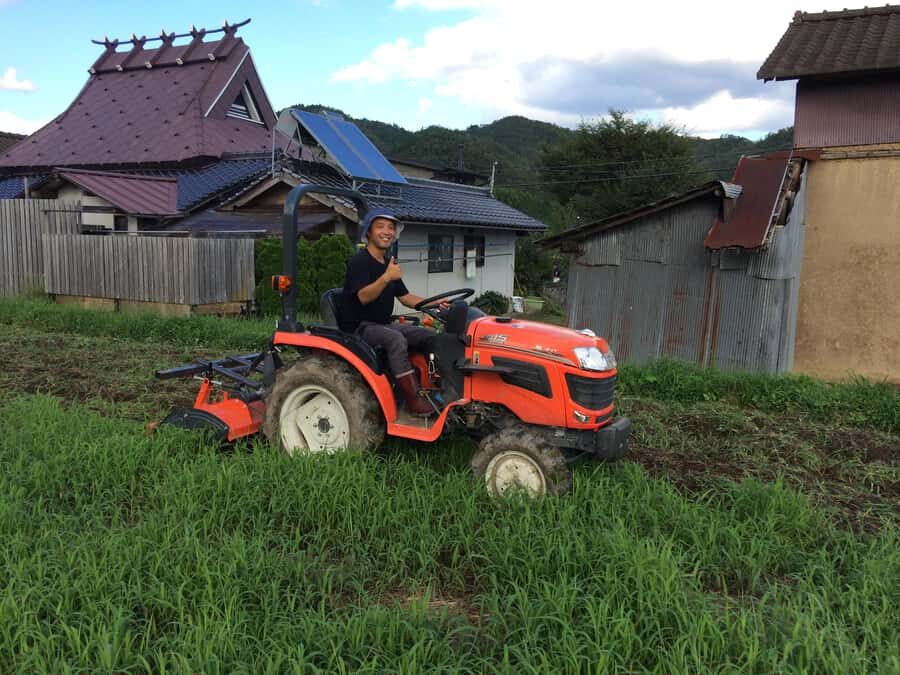
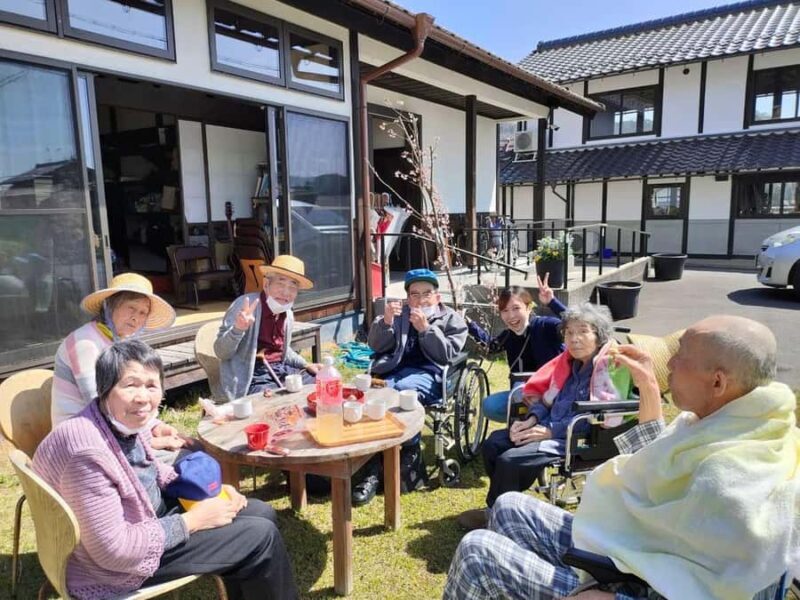
Once at the farmhouse, you’ll immediately join local elders in their daily routines. Activities include chopping firewood—a surprisingly satisfying task that also teaches body-safe movements designed to protect caregivers—and tending the fields. You’ll get a feel for how rural life revolves around outdoor work, which naturally incorporates caregiving behaviors like physical assistance and shared effort.
More Great Tours NearbyCooking and Sharing Meals
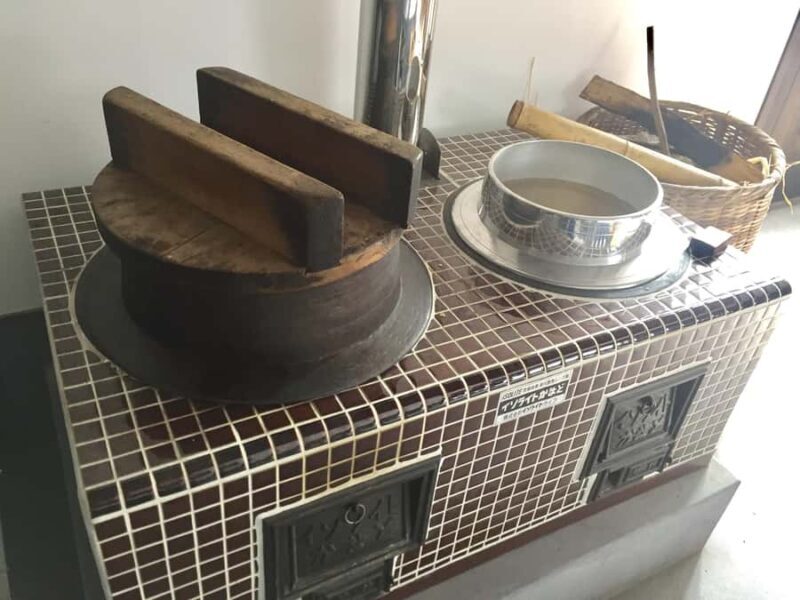
Part of the experience involves cooking rice over a traditional stove. The process of preparing meals together is a central theme; it’s where the community and caregiving philosophies blend. Sharing these moments with elders offers a window into how caring relationships develop through daily chores rather than specialized caregiving settings.




Learning and Practice: Body-Safe Movements
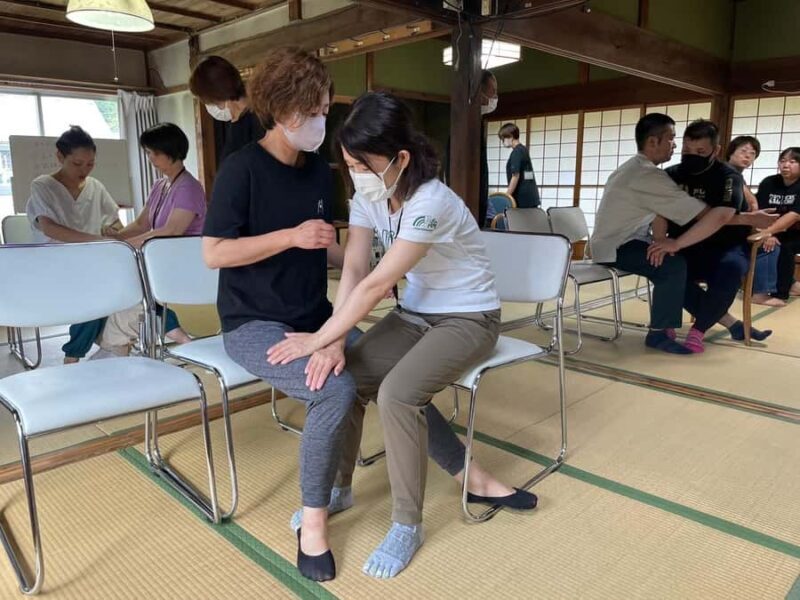
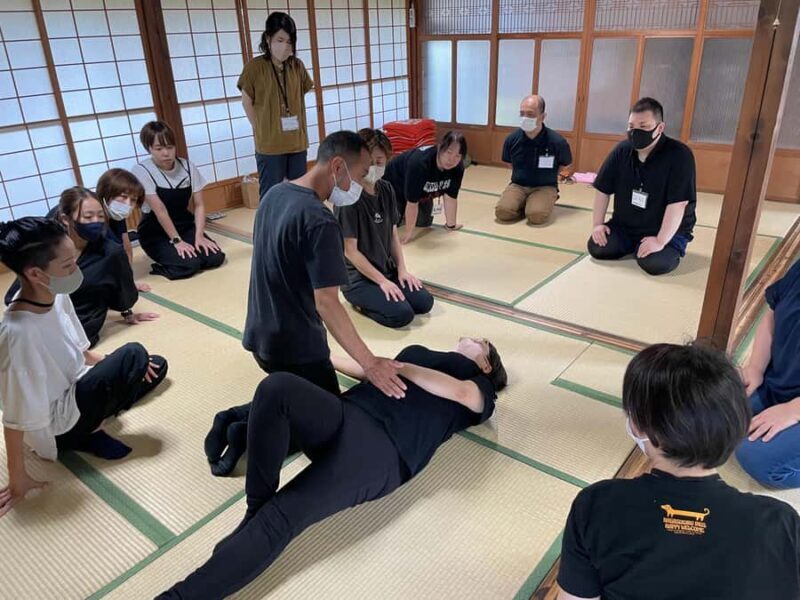
A key part of the program is learning movements that protect caregivers from strain, something Japan emphasizes in its caregiving training. These techniques are taught through hands-on practice, which feels practical and immediately applicable. One reviewer highlighted how they appreciated “body-safe movements that help protect caregivers,” making this not just an educational experience but also a way to develop mindful caregiving habits.
Free Time and Cultural Exchange
After a hearty lunch, there’s two hours of free time—perhaps for quiet reflection, taking photos, or chatting with locals. This downtime often results in more meaningful conversations and cultural exchange, with participants gaining insight into rural Japanese lifestyle and values.
Evening Meal and Reflection
The day concludes with a traditional dinner, sharing stories and experiences with elders and fellow participants. These moments often leave a lasting impression—an emotional connection that transcends language barriers.
Return to Mizobe
You’ll be transported back to Mizobe in the evening, feeling both physically tired and spiritually enriched. It’s a balanced day that leaves you with practical skills and a new perspective on caregiving in Japan.
Deep Dive Into the Activities and Experience Quality
Farm Work and Physical Activities
The firewood chopping is a highlight for many, as it’s surprisingly engaging and offers a genuine taste of rural chores. Reviewers mention that the activities are physically demanding but rewarding, giving a real sense of accomplishment. The farm work is designed to be accessible yet educational, demonstrating how routine tasks embody caregiving principles—like patience, physical support, and shared effort.
Sharing Meals with Elders
Eating together in a rural setting is a highlight, as it fosters authentic interactions. One participant shared how they enjoyed “listening to stories from the elders during dinner,” emphasizing the cultural and emotional value of breaking bread in this setting. These moments reveal how caregiving in Japan often relies on building trust and community through daily routines.
Learning the Techniques
The focus on body-safe movements is especially appreciated. A reviewer pointed out that these are “practical techniques that improve safety for caregivers,” which makes the lessons applicable beyond this experience. The guide, while Japanese-speaking, ensures clear instruction, and participants leave with actionable skills.
Cultural and Emotional Connection
The personal interactions with elders often surprise visitors, who find that these honest exchanges deepen their understanding of Japan’s caregiving values. Sharing stories, meals, and chores creates bonds that feel genuine—a rare opportunity in a tourist setting.
Value for Money
Cost-wise, the experience offers considerable value considering the depth of engagement. You’re not just observing but actively participating in rural life, learning caregiving techniques, and making meaningful connections—all in a single day.
Practical Details: What You Need to Know
Duration: 1 day, with a clear schedule balancing activities, meals, and free time.
Transport: Pickup and drop-off in Mizobe simplifies logistics, but expect a rural drive that adds to the authentic atmosphere.
Group Size: Limited to 10 participants, ensuring enough personal interaction and guidance.
Price and Payment: Flexible reservation with the option to reserve now and pay later, plus full refund if canceled 24 hours in advance.
What to Bring: Comfortable shoes and clothes are essential, as activities involve physical work. A camera is recommended to capture rural scenes and memorable moments.
Physical Requirements: The activities involve farm work and chopping firewood, so participants should be comfortable with light to moderate physical activity. Not suitable for those with mobility impairments.
Language: The experience is led by a Japanese-speaking guide, but instructions are likely designed to be understandable regardless of language proficiency.
Final Verdict: Who Will Love This Tour?

This experience is ideal for travelers eager to see Japan’s rural traditions firsthand and gain practical insights into caregiving as part of daily life. It’s particularly good for those interested in cultural exchange, community, and hands-on learning.
If you enjoy physically engaging activities, want to understand how caregiving extends beyond formal settings, and don’t mind a full day of rural immersion, this tour delivers a memorable, authentic experience. It’s also well-suited for those curious about Japanese social values and how they shape elder care.
However, if you have mobility issues or prefer a more sedentary or sightseeing-focused day, this might not be the best fit. The physical demands and rural setting may be a consideration, but for many, these are part of the charm and educational value.
FAQ
Is transportation included?
Yes, pickup and drop-off occur in Mizobe, making logistics straightforward for participants.
How physically demanding is the tour?
Expect activities like chopping firewood and farm work, which involve light to moderate physical effort. Not suitable for anyone with mobility impairments.
Do I need to bring anything?
Comfortable shoes and clothes are recommended, along with a camera to capture the rural scenery and moments with elders.
Will the guide speak English?
The tour is led by a Japanese-speaking guide. While instructions are designed to be understandable, some knowledge of Japanese might enhance your experience.
Can I cancel if my plans change?
Yes, full refunds are available if you cancel at least 24 hours before the tour date.
What is the age limit or suitability?
The tour is best suited for physically able participants; it involves farm chores and physical activities.
Is this experience suitable for families?
Yes, especially for those traveling with children or teens interested in cultural and rural experiences. Just keep in mind the physical activity level.
Final Thoughts
The Kyoto City Japanese Caregiving Culture Tour offers a rare opportunity to glimpse the heart of rural Japan, where caregiving is woven into daily routines. It’s more than an educational activity—it’s a cultural exchange that brings you closer to the community and the values behind Japanese elder care.
This experience is particularly valuable for those who appreciate authentic, participatory travel and want to understand how caregiving practices influence community life. It balances practical skills with cultural insight, making it a meaningful addition to any Kyoto itinerary.
If you’re ready for a day of physical activity, storytelling, and learning about Japan’s caregiving philosophies firsthand, this tour is a worthwhile choice. Just pack comfortable shoes and an open mind, and prepare to see rural Japan through a new lens.
You can check availability for your dates here: More Great Tours Nearby