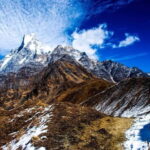
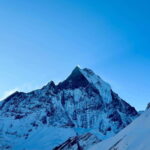
At an elevation of 6,119 meters (20,075 feet), Lobuche Peak stands as a formidable challenge for even the most seasoned adventurers.
But don’t let that intimidate you, for the rewards that await those who dare to take on this mountain are truly extraordinary.
From the sheer thrill of conquering its summit to the awe-inspiring beauty of the Himalayas, Lobuche Peak offers an experience like no other.
So, buckle up and get ready to embark on a journey that will test your limits, ignite your sense of adventure, and leave you craving for more.
Are you ready to take on the challenge?
- Good To Know
- Overview of Lobuche Peak Climbing
- Preparing for the Expedition
- Day-by-Day Itinerary for the 21-Day Climb
- Essential Equipment and Gear
- Physical Fitness and Training Tips
- Safety Measures and Tips for Climbing Lobuche Peak
- Common Questions
- How Much Does It Cost to Climb Lobuche Peak?
- What Is the Recommended Duration for Acclimatization Before Attempting the Climb?
- Are There Any Age Restrictions or Prerequisites for Climbing Lobuche Peak?
- Can I Hire a Guide or Do I Have to Climb Lobuche Peak Independently?
- Are There Any Emergency Services Available on the Mountain in Case of Accidents or Injuries?
- The Sum Up
- The Best Of Kathmandu!
- More Tour Reviews in Kathmandu
- Not for you? Here's more nearby things to do in Kathmandu we have reviewed
Good To Know
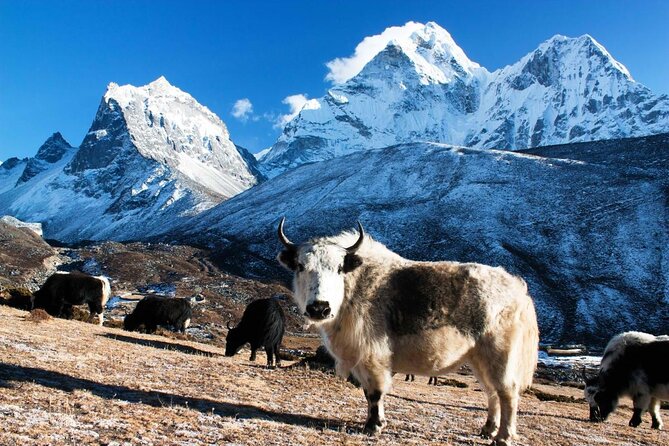
- Lobuche Peak is a challenging climb, known for its steep and icy terrain.
- The ideal climbing months for Lobuche Peak are generally April and May, and September and October, when weather conditions are stable.
- Proper preparation for the expedition includes strengthening the body through regular exercise, focusing on activities like hiking, running, and rock climbing.
- Acclimatization is crucial to prevent altitude sickness, and climbers should gradually increase elevation during hikes and spend time at high altitudes to allow the body to adjust.
👉 See our pick of the 14 Best Shopping Tours In Kathmandu
Overview of Lobuche Peak Climbing
Lobuche Peak Climbing is an exhilarating adventure that takes climbers to new heights in the heart of the majestic Himalayas. Scaling this peak is no easy feat, as it poses a significant challenge to even the most experienced climbers. The Lobuche peak difficulty lies in its steep and icy terrain, requiring technical skills and careful navigation.
However, the reward is worth it, as the panoramic views from the summit are simply breathtaking. So, when is the best time for Lobuche peak climbing? The ideal months are generally between April and May, and September and October when the weather is relatively stable, with clear skies and manageable temperatures. These months provide the perfect conditions for a successful and enjoyable climb.
You can also read our reviews of more tours and experiences in Kathmandu.
Preparing for the Expedition
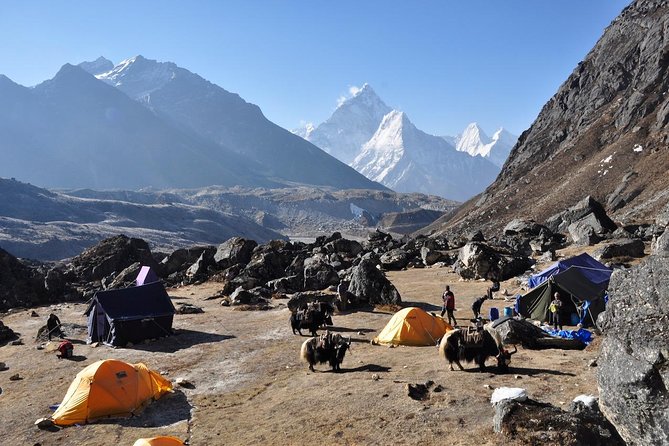
Before embarking on the Lobuche Peak climbing expedition, it’s essential to thoroughly prepare both physically and mentally for the exhilarating challenges that lie ahead.
Here is a preparation checklist to help you get ready for this epic adventure:
Physical Fitness: Strengthen your legs, core, and upper body through regular exercise. Focus on activities like hiking, running, and rock climbing to build endurance and strength.
Altitude Training: The acclimatization process is crucial to prevent altitude sickness. Gradually increase your elevation during hikes and spend time at high altitudes to allow your body to adjust.
Gear Check: Make sure you have all the necessary climbing gear, including a helmet, harness, crampons, ice axe, and ropes. Don’t forget warm clothing, sturdy boots, and a reliable backpack.
Mental Preparation: Climbing Lobuche Peak requires mental resilience and determination. Visualize yourself conquering the peak and develop strategies to overcome any obstacles you may face.
Day-by-Day Itinerary for the 21-Day Climb
Now that you’ve prepared yourself physically and mentally for the thrilling challenges that await, let’s dive into the action-packed day-by-day itinerary for your 21-day climb to the majestic summit of Lobuche Peak. This journey will test your limits, but the rewards will be worth it. Here’s a breakdown of what you can expect:
| Day | Activity |
|---|---|
| 1 | Arrive in Kathmandu and meet your guide |
| 2 | Sightseeing tour and preparation for the climb |
| 3 | Fly to Lukla and begin trek to Phakding |
| 4 | Trek to Namche Bazaar |
| 5 | Acclimatization day in Namche Bazaar |
| 6 | Trek to Tengboche |
| 7 | Trek to Dingboche |
| 8 | Acclimatization day in Dingboche |
| 9 | Trek to Lobuche |
| 10 | Trek to Lobuche Base Camp |
| 11-19 | Climbing Lobuche Peak |
| 20 | Descend to Pheriche |
| 21 | Trek back to Lukla and fly to Kathmandu |
The difficulty of climbing Lobuche Peak is moderate to challenging, requiring basic mountaineering skills and previous high-altitude trekking experience. As for the cost estimation, it can vary depending on the package you choose, but it is generally around $3,025.00. So get ready for an adventure of a lifetime and conquer the magnificent Lobuche Peak!
Essential Equipment and Gear
To embark on your thrilling ascent of Lobuche Peak, you’ll need a collection of essential equipment and gear that will ensure your safety and success in conquering this majestic summit. Here are the top four must-have items:
Climbing harness: This is your lifeline, literally. Make sure it fits snugly and securely, giving you the confidence to tackle those challenging pitches.
Mountaineering boots: Your feet are your best friends on the mountain, so treat them well with a sturdy pair of boots that offer ankle support and insulation for those freezing temperatures.
Ice axe: A trusty ice axe is your Swiss Army knife on the mountain. It helps with balance, self-arrest, and can even be used as a makeshift shovel.
Rope: Don’t go solo. Bring a climbing rope to ensure you have a backup system in case of emergencies.
Physical Fitness and Training Tips
Embark on your journey to conquer Lobuche Peak by ensuring you have the physical fitness and training tips necessary to tackle this exhilarating mountaineering challenge. First and foremost, diet and nutrition play a crucial role in preparing your body for the climb. Load up on nutritious foods that provide sustained energy, such as whole grains, lean proteins, and plenty of fruits and vegetables. And don’t forget to hydrate! Drinking enough water will keep your body functioning at its best.
But physical fitness isn’t just about what you eat. Mental preparation is equally important. Climbing a peak like Lobuche requires mental fortitude and the ability to push past your limits. Practice visualization techniques to mentally prepare yourself for the challenges ahead. Picture yourself reaching the summit, overcoming obstacles, and celebrating your accomplishment. This positive mindset will help you stay focused and motivated throughout the climb.


Safety Measures and Tips for Climbing Lobuche Peak
When venturing to conquer Lobuche Peak, it’s vital to prioritize safety by following these essential measures and tips:
Master the mountaineering techniques: Before embarking on the climb, it’s crucial to have a solid understanding of mountaineering techniques. This includes rope handling, ice axe usage, and proper crampon technique. Remember, knowledge is power, especially when hanging off the side of a mountain.
Acclimatize properly: Altitude sickness is a real threat when climbing Lobuche Peak. Take the time to acclimatize properly by gradually ascending and spending a few days at higher altitudes. This will give your body the chance to adjust and reduce the risk of altitude-related illnesses.
Stay hydrated and well-nourished: Climbing at high altitudes can be physically demanding, so it’s essential to stay hydrated and well-fed. Drink plenty of water and consume high-calorie meals to keep your energy levels up and prevent fatigue.
Listen to your body: While conquering Lobuche Peak requires determination and a sense of adventure, it’s important to listen to your body. If you’re feeling unwell or experiencing symptoms of altitude sickness, it’s wise to descend to a lower altitude and seek medical attention if necessary.
Common Questions
How Much Does It Cost to Climb Lobuche Peak?
The cost to climb Lobuche Peak varies depending on factors such as permits, guides, and equipment rental. The best time for Lobuche climbing is during the spring and autumn seasons when the weather is favorable.
What Is the Recommended Duration for Acclimatization Before Attempting the Climb?
The recommended duration for acclimatization before attempting the climb depends on various factors, including altitude and individual fitness level. Taking time to acclimate properly can provide benefits such as reducing the risk of acute mountain sickness.
Are There Any Age Restrictions or Prerequisites for Climbing Lobuche Peak?
Yes, there are age restrictions and prerequisites for climbing Lobuche Peak. Climbers must be at least 18 years old and have previous high-altitude trekking experience. Physical fitness and mountaineering skills are also essential.
Can I Hire a Guide or Do I Have to Climb Lobuche Peak Independently?
You can definitely hire a guide for climbing Lobuche Peak, but it’s not necessary. Solo climbing is also an option. Hiring a guide can provide safety and support, while going independently offers more freedom and adventure. The choice is yours!
Are There Any Emergency Services Available on the Mountain in Case of Accidents or Injuries?
Yes, there are emergency services available on the mountain in case of accidents or injuries. Safety precautions are taken seriously, ensuring climbers can enjoy their adventurous journey with peace of mind.
The Sum Up
So, after 21 days of conquering Lobuche Peak, you’ll be left with memories that will make your heart race and your mind soar.
From preparing for the expedition to tackling the rugged terrains, this thrilling adventure isn’t for the faint of heart.
But fear not, with expert guides, safety protocols, and the right equipment, you’ll be well-equipped to take on this once-in-a-lifetime challenge.
Get ready to push your limits and leave your mark on the majestic Himalayas!