Exploring the Langtang Valley on a 6-Day Trek: A Practical Guide
Travelers seeking a manageable yet rewarding trekking experience in Nepal will find the Langtang Trek – 6 days** offers a well-balanced mix of natural beauty, cultural interaction, and adventure. While it’s not the longest trek in Nepal, it packs enough highlights to satisfy seasoned hikers and first-timers alike.
What makes this trek stand out? We love the scenic drive from Kathmandu, the diverse landscapes passing through lush forests and traditional villages, and the chance to visit Kyanjin Gompa with its incredible mountain views. The price point at $297 per person makes it especially attractive, providing good value for a comprehensive experience.
A potential consideration? The trek involves a fair amount of walking over several days, so it’s best suited for those with moderate fitness levels. It’s not ideal for children under 8, pregnant women, or travelers with mobility issues.
This tour suits those eager to see Nepal’s mountain culture and landscape without committing to a longer, more challenging trek. It offers an authentic taste of the Himalayas in a relatively short window.
Good To Know
- Value for Money: At $297, this trek offers a balanced package of transportation, guided service, permits, and lodging.
- Cultural Encounters: Passing through Tamang villages and visiting local cheese factories adds an authentic local experience.
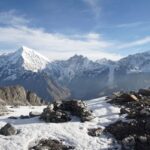
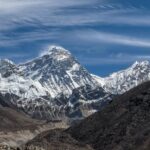
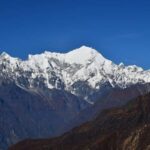
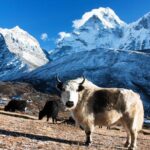
- Stunning Views: Expect dramatic vistas of snow-capped peaks and lush green valleys that make every step worthwhile.
- Moderate Difficulty: Suitable for travelers with a reasonable fitness level who want a scenic, manageable trek.
- Comfortable Logistics: Lodge stays, guided support, and transportation arrangements make the journey smoother.
- Environmental and Cultural Respect: Tourists are encouraged to minimize litter and respect local customs, ensuring responsible tourism.
Starting Point: Kathmandu to Syabrubesi
Your adventure begins with a scenic drive from Kathmandu to Syabrubesi, a small town perched at 1,550 meters. We loved the way the road hugs along the Trishuli River and hills, giving you your first taste of Nepal’s rugged landscape. The drive can take around 7-8 hours, depending on road conditions, but travelers often say the views make it worthwhile. The journey sets a relaxed tone and provides a good chance to acclimate to the mountain environment early on.
Day 2: From Syabrubesi to Lama Hotel
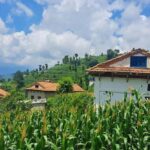
Setting out early, you’ll trek along the Langtang Khola (river), passing through villages like Doman and Pairo. The trail is primarily forested, featuring oaks, rhododendrons, and pines, which are especially vibrant during spring. Crossing suspension bridges adds a touch of adventure, and the gradual incline to Lama Hotel (2,380 meters) offers ample opportunities for wildlife spotting, such as colorful birds and maybe even a glimpse of a red panda, according to some seasoned guides. The lodge accommodations here are basic but comfortable, and many guests appreciate the serene atmosphere.
Day 3: Lama Hotel to Langtang Village
This stretch is a highlight. The trail climbs through dense forests and then opens into the expansive Langtang Valley, revealing views of snow-capped peaks against a blue sky. Arriving at Langtang Village (3,430 meters), you’ll notice the rebuilding efforts after the 2015 earthquake. Many buildings have been reconstructed, and the resilience of the community is evident. The village’s peaceful vibe is a stark contrast to the busy city life, offering a perfect setting for cultural appreciation and photo opportunities.
Day 4: Trek to Kyanjin Gompa
The trek to Kyanjin Gompa (3,870 meters) is short but spectacular. The monastery is a hub of cultural activity, and you’ll have the chance to visit a traditional cheese factory renowned for yak cheese, which makes for an interesting stop. Visitors have mentioned enjoying optional afternoon hikes to surrounding viewpoints, which are perfect for acclimatization and soaking in the mountain vistas. Guides often suggest taking it slow here to prevent altitude sickness, emphasizing the importance of proper pacing.
Day 5: Return to Lama Hotel
Descending back to Lama Hotel, you’ll experience a different perspective of the landscape—this time, the lush forests and river views. The return journey allows for reflection on the trek’s cultural and natural highlights. Many reviews highlight the friendliness of local guides and their knowledge of the area, making this segment both scenic and educational.
Day 6: Final Descent to Syabrubesi and Drive Back to Kathmandu
The last day involves a gentle descent to Syabrubesi, followed by a bus or jeep ride back to Kathmandu. It’s a good time to relax and share stories about your trip with fellow travelers. The journey concludes at the original starting point, leaving you with a sense of accomplishment and fresh memories of Nepal’s impressive landscapes.
The $297 price covers a lot—transport from Kathmandu, all permits, guided support, accommodations in lodges, and three meals daily during the trek. That’s a strong value for anyone who appreciates hassle-free logistics combined with authentic experiences. The inclusion of licensed guides and porters (at a 2 trekkers to 1 porter ratio) ensures comfort and safety, especially when navigating uneven terrain or carrying gear.
Guests have noted the tour’s organization is smooth, with some mentioning the guides’ local knowledge and friendly attitude as a major plus. The guides often share insights on local culture and geography, enriching the trek beyond just the physical challenge.
Transportation – The road trip from Kathmandu to Syabrubesi is a highlight on its own, offering panoramic views and a taste of Nepal’s rural life. While the journey can be long, it’s a comfortable ride with reliable transport.
Accommodation – Staying in lodge-style teahouses means basic amenities—warm beds, local dining options, and communal atmospheres. Many find this authentic and charming, though it’s worth packing a sleeping bag liner for added comfort.
Meals – Expect hearty, locally cooked meals—dal bhat, momos, and vegetable curries—that fuel your body for the next day’s walk. Guests mention that the food quality is generally good, with some praising the homemade cheese.
Permits and Support – The trek includes crucial passes like the Langtang National Park entry permit and TIMS card, making the process seamless. Emergency support and basic first aid are included, providing peace of mind.
While the trek is generally accessible, it involves several days of walking at altitude. Travelers should be moderately fit and prepared for uneven paths, suspension bridges, and variable weather. The trek isn’t suitable for children under 8, pregnant women, or those with back problems or mobility issues.
Weather can shift quickly; packing warm clothing, sunscreen, and a camera is essential. Carrying Nepalese Rupees is advisable since ATMs are scarce in the mountain villages. The basic facilities in lodges are functional but minimal—expect simple bedding and communal bathrooms.
Also, travelers are encouraged to respect local customs, avoid littering, and keep noise levels down in villages. Responsible tourism helps support the communities and preserves the environment.
For those craving a shorter trek with big views, this adventure hits the sweet spot. The blend of breathtaking landscapes, cultural encounters, and manageable logistics makes it a fantastic option for a first-time Himalayan trek or a quick mountain escape.
The price point combined with the quality of the guided experience offers strong value for money. You’ll come away with memories of snow-capped peaks, friendly villagers, and the sense of achievement that comes from conquering a Himalayan trail.
If you’re after an authentic, scenic trek that balances comfort and adventure without the need for extensive acclimatization or physical endurance, this is a solid choice. Perfect for travelers who want a taste of Nepal’s mountain life with plenty of opportunities for photos, cultural insights, and mountain vistas.
How long is the overall trek?
The trek lasts 6 days, covering multiple villages and scenic landscapes in the Langtang Valley.
What is the main highlight of this trek?
The visit to Kyanjin Gompa, where you can enjoy panoramic mountain views and visit the monastery and cheese factory.
Is this trek suitable for beginners?
Yes, it’s designed for those with moderate fitness, offering manageable walking days and comfortable lodge stays.
Are meals included?
Yes, breakfast, lunch, and dinner are provided during the trek, featuring local dishes like dal bhat and momos.
What should I bring?
Comfortable shoes, warm clothing, a hat, camera, snacks, sunscreen, water, and some Nepalese Rupees for personal expenses.
Are permits included?
Yes, the trek price includes necessary permits such as the Langtang National Park entry permit and TIMS card.
How are the accommodations?
Lodge or teahouse stays are basic but cozy, with communal dining areas and simple amenities.
Is there Wi-Fi or hot showers?
These are generally limited or unavailable in mountain lodges, so plan accordingly for basic facilities.
To sum it up, the Langtang Trek offers a compelling mix of stunning scenery, cultural richness, and practical affordability. It’s perfect for travelers looking to experience Nepal’s mountains without the intensity of longer, higher-altitude treks. Whether you’re seeking a quick adventure or a gentle introduction to Himalayan trekking, this 6-day journey provides a memorable, authentic taste of Nepal’s mountain charm.
Langtang Trek -6 days.
The Best Of Kathmandu!
You can also read our reviews of more hiking tours in Kathmandu