
Introduction
.jpg)
If you’re searching for a trekking experience that combines stunning mountain vistas with genuine local culture—and without the crowds—you’ll want to read about the Langtang Highlands Trek via Tserko Ri & Sherpagaon. This route is perfect for travelers eager to explore Nepal’s highlands at a relaxed pace, with plenty of time to soak in the scenery and connect with local Tamang communities.
What makes this trek particularly appealing? First, it offers spectacular views of glaciers and peaks from Tserko Ri—arguably the region’s best viewpoint. Second, it takes you through less-visited villages, so you get an authentic sense of mountain life without the throngs of travelers. Third, the route’s gentle ascent and manageable walking days make it accessible for a broad range of fitness levels, while still providing a genuine high-altitude adventure.
One potential drawback? The journey involves a 78 km scenic drive from Kathmandu to Sherpagaon, which might be a bit long for some. However, the trip’s overall value, culture, and natural beauty more than compensate.
This tour is ideal for those seeking a balanced blend of scenic vistas, local culture, and peace—perfect for solo travelers, families, or anyone wanting a quieter, more personal Himalayan experience.
You can check availability for your dates here:Good To Know
.jpg)
- Authentic highland experience away from busy popular trails
- Beautiful panoramic views from Tserko Ri, with glaciers and peaks
- Cultural immersion in Tamang villages along the route
- Manageable daily distances suited for most fitness levels
- Locally run lodges for an authentic stay
- Flexible scheduling and small groups for a more personal experience
The Itinerary: A Closer Look
.jpg)
Starting from Kathmandu, the tour begins with a scenic drive (about 78 km) to Sherpagaon, a traditional Tamang village. This initial drive gives you a glimpse of Nepal’s diverse landscape, passing from the urban buzz into tranquil mountain scenery. Guests often mention that Sherpagaon feels like stepping back in time, away from tourist hubs, with its authentic village vibe. A short walk around the village helps with acclimatization and sets the tone for an immersive journey.
The next few days gradually elevate through forested trails and small settlements, like Rimche and Langtang Village. Trekkers love the way this route balances forest hikes with open mountain vistas. The trail follows the Langtang Khola river, weaving through mossy woods and rocky ridges, which makes for a visually engaging walk. Reviewers note that the walk from Rimche to Langtang Village is particularly scenic—a lush green corridor opening up to more expansive views.
Reaching Kyanjin Gompa on Day 4 marks a significant highlight. This monastery settlement sits at nearly 3,870 meters, giving you a sense of being in the heart of the high Himalayas. Here, visitors often find the atmosphere peaceful and the lodges comfortable, with many choosing to spend an extra night for acclimatization or exploring the nearby cheese factory and glacier views.
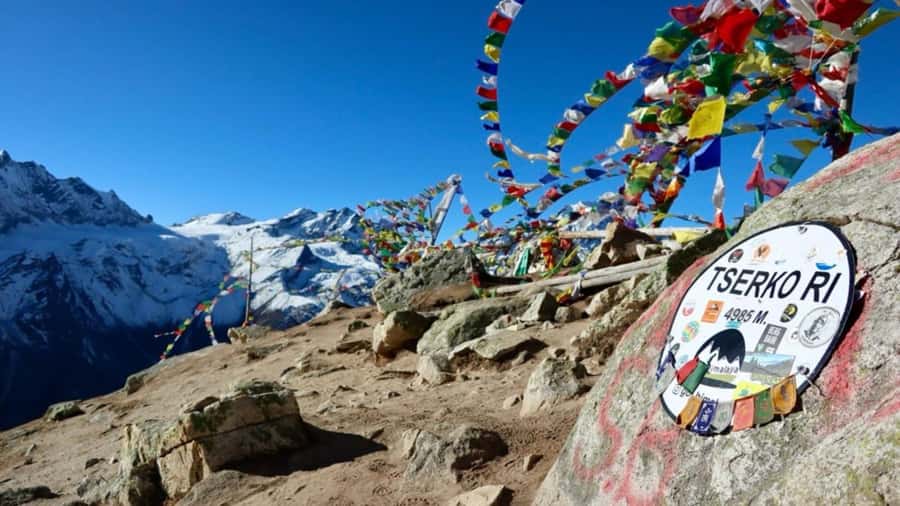
The Tserko Ri hike on Day 5 is the crown jewel of this trek. Rising nearly 5,000 meters, it’s a challenging but rewarding climb. The panoramic views from Tserko Ri are breathtaking, with glaciers, peaks, and the Langtang valley sprawling below. Reviewers frequently mention that this viewpoint is worth every effort, with some even calling it the best panoramic in the region.
Descending back to Lama Hotel and then onward to Syabrubesi completes the trek, following river valleys and forested paths. The final drive back to Kathmandu wraps up an enriching journey through a lesser-crowded, authentic Himalayas.
What to Expect Each Day
Day 1: Kathmandu to Sherpagaon – The trip kicks off with a scenic drive, and you’ll settle into a traditional Tamang village. Expect to do short village walks for acclimatization, which helps your body adjust to the altitude.
Day 2: Sherpagaon to Rimche – A mostly forested walk with gentle ascents, perfect for easing into trekking. You’ll join the main Langtang route but avoid the busier trails, making for a quieter atmosphere.
Day 3: Rimche to Langtang Village – The trail follows the Langtang Khola, offering lush forest scenery and occasional mountain glimpses. This day is about gradually gaining altitude while enjoying pristine nature.
Day 4: Langtang Village to Kyanjin Gompa – The hike becomes more open and alpine. Kyanjin Gompa offers a sense of reaching a high-altitude sanctuary, with options to explore nearby glaciers or relax.
Day 5: Tserko Ri Viewpoint Hike – Early morning start to reach the summit of Tserko Ri. Expect a steep but manageable climb, with the reward being unparalleled views of glaciers and peaks. The return to Kyanjin Gompa is restful, and many take time to explore the surrounding area.
Day 6: Kyanjin Gompa to Lama Hotel – The descent takes you through lush forests and open valley landscapes, making for a different scenery than the ascent.
Day 7: Lama Hotel to Syabrubesi – The final hiking day follows river valleys, offering a peaceful end to the trek with a chance to reflect on your journey.
Day 8: Syabrubesi to Kathmandu – A scenic drive back to the city, with time to enjoy your last views of the Himalayas and unwind after your adventure.
Practical Details and Why They Matter
.jpg)
This trek is designed with manageable walking distances—generally around 5-6 hours per day—making it accessible for most active travelers. However, the high elevation (up to nearly 5,000 meters at Tserko Ri) means some physical preparation and acclimatization are advisable.
The small group size (limited to 10 participants) ensures you get personalized attention from your guide, which is especially helpful in sharing local knowledge or managing altitude issues. The guide, who speaks English, is praised for their professionalism and friendliness, enhancing the overall experience.
Accommodation is in locally run mountain lodges, offering a chance to experience local hospitality firsthand. Reviewers often mention the comfort and charm of these rustic lodges, along with the chance to try traditional meals such as dal bhat or yak cheese.
Transportation from Kathmandu involves a 78 km scenic drive—the journey is long but offers fantastic mountain views and a gentle transition from city to mountain life. The tour operates year-round, with the best weather in spring, autumn, and winter, avoiding the monsoon season’s cloud cover and trail difficulties.
The cost reflects the comprehensive experience—covering transportation, local lodges, permits, and guiding services. Many find it offers good value considering the remote scenery, cultural encounters, and expert guiding.
More Great Tours NearbyAuthentic Experiences You’ll Love
.jpg)
The trek’s highlight is definitely the Tserko Ri viewpoint, where the sweeping views of glaciers, peaks, and the surrounding Himalayas leave a lasting impression. Reviewers describe it as “the best panoramic views they’ve seen in the region,” emphasizing the sense of accomplishment after the steep climb.
Travelers consistently mention how staying in Tamang villages adds depth to the experience, providing insight into mountain life that’s often missed in busier routes. The locally run lodges are praised for their cozy, authentic atmosphere, and many guests enjoy chatting with local hosts after a day’s trek.
The route’s quieter trails mean you’ll share the mountains with fewer fellow trekkers, creating a more intimate and peaceful atmosphere. This is especially appreciated during the high-altitude hikes and while exploring the remote monasteries and glaciers.
Value and Suitability
.jpg)
While not the cheapest trek in Nepal, the overall value is solid given the small group size, inclusion of permits, and authentic lodges. The focus on a less crowded, culturally immersive route offers a unique experience different from more commercial treks.
This tour is best suited for adventurous, moderate fitness travelers who want to avoid the crowds but still enjoy stunning scenery. It’s flexible enough for families, solo travelers, or those looking for a more relaxed pace, as long as they’re comfortable with some elevation gain.
It’s important to note that this trek isn’t suitable for people with mobility issues, altitude sickness, or low fitness levels, but for those who are prepared, it offers an intensely rewarding journey into Nepal’s highlands.
Final Thoughts
.jpg)
This trek provides a beautifully balanced blend of spectacular mountain views, authentic cultural encounters, and peaceful trails. The route’s quieter nature makes it stand out among Nepal’s more popular highland treks—perfect for travelers craving a more personal Himalayan adventure.
You’ll love the variety of landscapes, from lush forests to icy glaciers, and the rewarding climb to Tserko Ri, which offers some of the most impressive panoramic views in the region. The small group approach, local lodges, and well-planned itinerary make this trek both comfortable and memorable.
If you’re after a high-altitude adventure with cultural richness and less hustle, this trek will not disappoint. It’s a fantastic choice whether it’s your first Nepal trek or a return visit—offering a genuine taste of mountain life, spectacular scenery, and a sense of achievement.
FAQ
.jpg)
How long is the drive from Kathmandu to Sherpagaon?
The drive is approximately 78 km and scenic, taking about 3 hours. It’s a relaxing way to start your journey into the mountains.
What is the highest point on this trek?
Tserko Ri at nearly 5,000 meters offers the most expansive views, including glaciers and surrounding peaks.
Are the walking days long?
Most days involve around 5-6 hours of trekking, making the route manageable for most active travelers.
What kind of accommodations are provided?
Guests stay in locally operated mountain lodges, providing a taste of genuine Himalayan village life.
Is this trek suitable for beginners?
Yes, the route’s gentle daily distances and manageable elevation gains make it accessible for most people in good health, but some acclimatization is recommended.
What is the best season for this trek?
Spring, autumn, and winter are ideal, avoiding the monsoon season’s cloud cover and muddy trails.
How many people typically join this tour?
It’s limited to small groups of up to 10 participants, ensuring a more personalized experience.
Do I need special gear?
Good hiking shoes, warm clothing, sunglasses, and a daypack are essential. Local lodges provide basic amenities, but personal gear ensures comfort.
Can I customize the itinerary?
While the standard route is fixed, some operators may allow minor adjustments based on your fitness and interests.
What is the main highlight of this trek?
The panoramic views from Tserko Ri stand out, offering breathtaking sights of glaciers, snow-capped peaks, and the Langtang Valley.
This trek makes for a genuine, scenic, and culturally enriching Himalayan adventure—perfect for those looking to enjoy Nepal’s highlands in a quieter, more local setting.
You can check availability for your dates here: More Great Tours Nearby