If you’re craving a peaceful escape from the bustling streets of Kyoto, a visit to Jusho-in Temple offers a quiet retreat into Japanese Zen practices. While many travelers flock to famous sights, this tour takes you behind the scenes of a 420-year-old temple rarely open to the public, providing a genuine glimpse into monastic life.
What makes this experience stand out? We love the authentic meditation sessions led by a real Zen monk, the beautifully preserved garden designed by a famous painter, and the thoughtful connection between Zen and tea. The only potential hiccup? It’s a two-hour experience that demands your focus—the meditation, though rewarding, can be challenging for some. This tour is perfect for those eager to connect with Japanese culture on a deeper level, especially if you value tranquility and meaningful traditions over crowded tourist spots.
- Good To Know
- Introduction: A Quiet Escape into Zen
- Why We Love This Experience
- What to Expect on the Tour
- Starting the Journey: Meeting and Walk to Jusho-in
- Zazen Meditation: Two Sessions of Focused Practice
- Learning About Matcha and Zen Philosophy
- Enjoying Matcha and Japanese Sweets in the Garden
- Wrap-up and Photoshoot
- Practical Details
- Duration and Group Size
- Price and Value
- Accessibility and What to Bring
- Cancellation Policy
- The Setting: Jusho-in Temple and Its Garden
- The Guides and Monk
- Authenticity in a Hidden Treasure
- Who Should Consider This Tour?
- The Sum Up
- FAQ
- The Best Of Kyoto!
- More Tour Reviews in Kyoto
- Not for you? Here's more nearby things to do in Kyoto we have reviewed
Good To Know
- Authentic Zen practice guided by a knowledgeable abbot
- Stunning, historic garden designed by Kano Eitoku
- Insightful explanations of Zen philosophy and tea tradition
- Peaceful setting away from busy tourist areas
- Photographs capturing your experience, included in the price
- Suitable for all ages (not wheelchair accessible)
👉 See our pick of the 25 Best Workshops And Classes In Kyoto
Introduction: A Quiet Escape into Zen
This tour offers a rare chance to practice Zen in an inaccessible to the public temple that’s been part of Kyoto’s spiritual fabric for over four centuries. Imagine practicing seated meditation with Eitetsu Nishida, the 16th generation abbot, and then savoring matcha in a garden that’s been untouched by modern changes.
We love how the tour balances spiritual insight with cultural richness. The setting itself—a tranquil, centuries-old garden with seasonal blooms—sets the perfect tone for reflection. Plus, the experience includes a photoshoot, so you leave with more than just memories—you get tangible keepsakes.
A possible drawback? The sedentary nature of meditation might not appeal to everyone, especially those with mobility issues, as it’s not wheelchair accessible. Still, chairs are available, and the overall atmosphere compensates with its authenticity.
This experience suits travelers looking for serenity, cultural depth, and a break from typical sightseeing—a meaningful addition to any Kyoto itinerary.
You can also read our reviews of more tours and experiences in Kyoto.
Why We Love This Experience
Authentic Zen Practice: Guided by Eitetsu Nishida, a monk with a cheerful personality and a background as a public servant, this experience feels genuine. Reviewers highlight how approachable and knowledgeable he is, making complex Zen concepts accessible without feeling overwhelming.
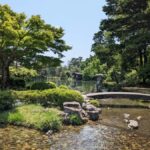
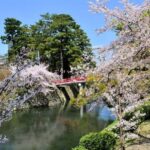
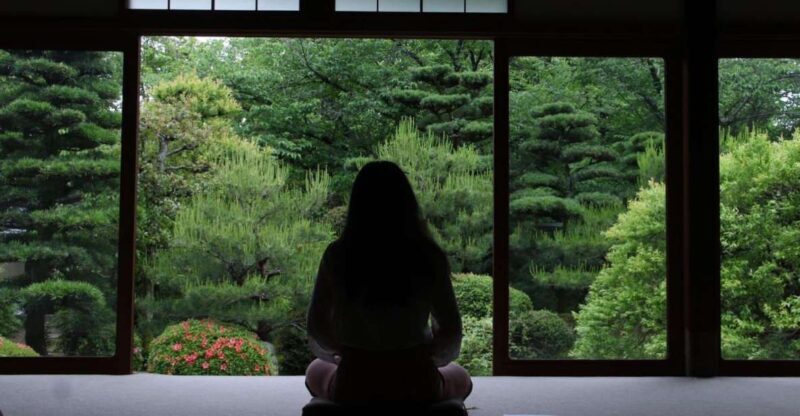
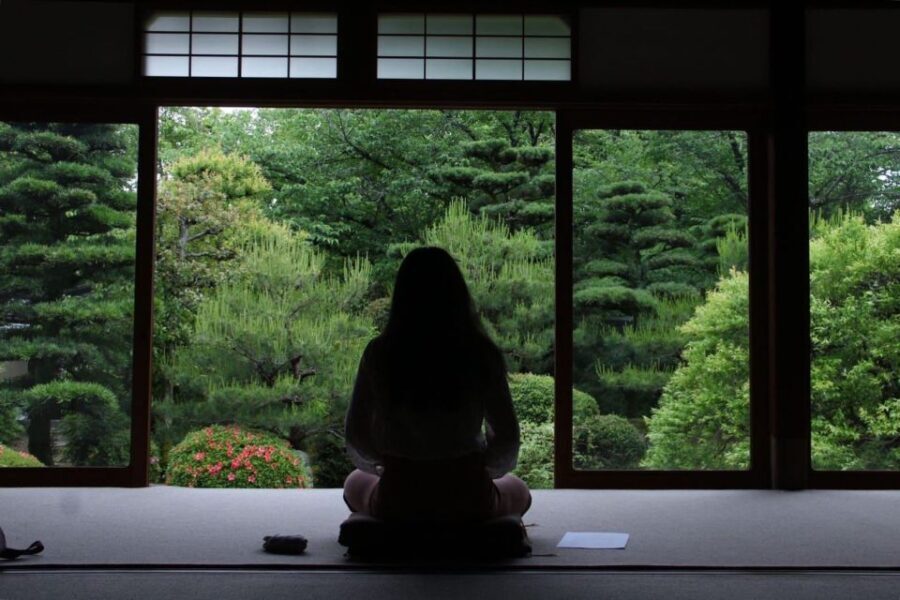
Beautiful, Historic Garden: The garden, attributed to Eitoku Kano, remains unchanged for over 400 years. Visitors often mention the stunning seasonal displays—cherry blossoms in spring, vibrant autumn leaves, or snow-dusted serenity in winter. It’s a visual treat and a calming backdrop for meditation and reflection.
Deep Cultural Connection: The pairing of matcha and wagashi (Japanese sweets) isn’t just about tasting; it’s about understanding the spiritual link between tea and Zen. The guide, Eitetsu Nishida, shares stories about matcha’s history and its significance in Zen practice, making it more than just a simple tea break.
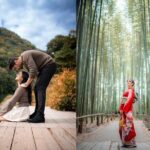
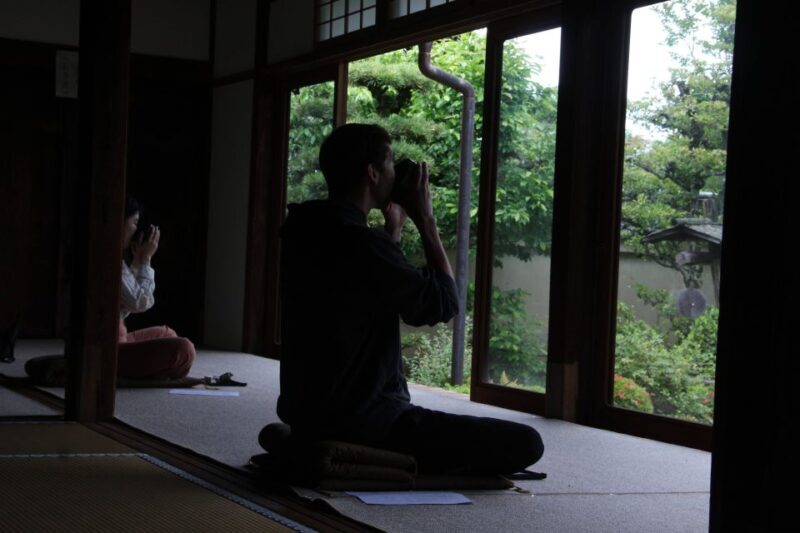
Photographs as Keepsakes: The included photoshoot by a professional photographer captures your peaceful moment amid the temple’s natural beauty. Reviewers rave about how these photos turn into treasured souvenirs, adding a personal touch to the experience.
What to Expect on the Tour
Starting the Journey: Meeting and Walk to Jusho-in
The tour begins at the north gate of Myoshin-ji, one of Kyoto’s largest Zen complexes. A guide will lead you through the expansive grounds to Jusho-in, offering insights into the larger temple complex and its significance.
More Great Tours NearbyZazen Meditation: Two Sessions of Focused Practice
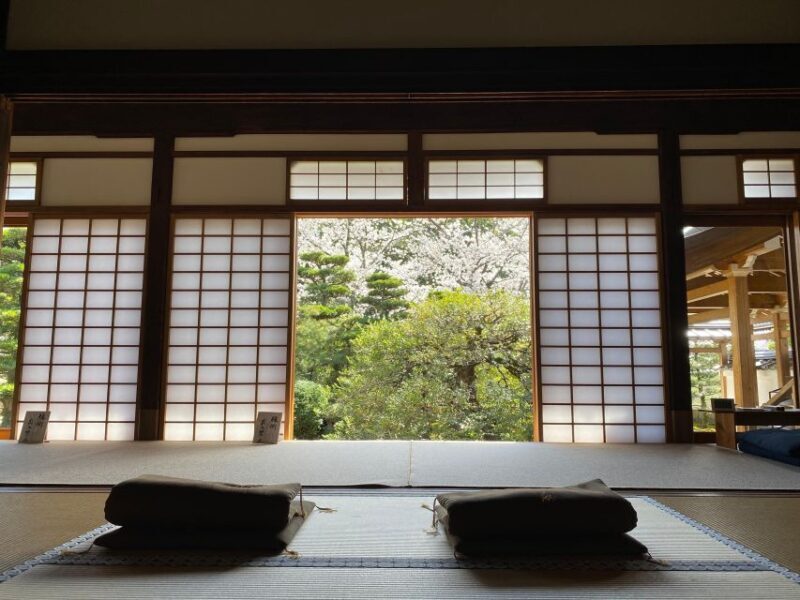
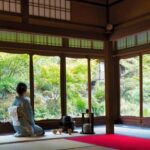
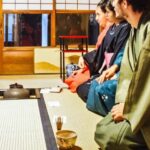
You’ll participate in two 20-minute zazen sessions—the Japanese seated meditation that’s at the heart of Zen practice. Reviewers describe the sessions as challenging but rewarding, with some noting the serene setting helps them settle into a meditative state. Chairs are available for those who prefer or need, and the abbot encourages questions, making the session approachable.

Learning About Matcha and Zen Philosophy
Post-meditation, Eitetsu Nishida shares his knowledge of matcha’s history and its role in Zen. Expect stories about its ceremonial importance and how it promotes mindfulness. The explanation enhances the tasting experience, turning simple tea into a spiritual practice.
Enjoying Matcha and Japanese Sweets in the Garden
You’ll sit in the garden, surrounded by centuries-old trees and seasonal blooms, to enjoy matcha and seasonal wagashi. Reviewers say the sweets are delicately prepared and paired thoughtfully, making this a highlight. It’s a moment to savor the flavors and reflect amid nature’s calm.
Wrap-up and Photoshoot
The experience concludes with a professional photographer capturing your peaceful moment, giving you a beautiful memory to take home. Reviewers emphasize how special it feels to leave with quality photos that remind them of the tranquility they experienced.
Practical Details
Duration and Group Size
This experience lasts about 2 hours, making it manageable even for those with tight schedules. The small group format ensures a personalized, intimate atmosphere—perfect for asking questions or simply soaking in the calm.
Price and Value
At $108 per person, the tour offers an excellent value—considering the expert guidance, temple entry, authentic practices, and professional photos. Compared to other cultural experiences in Kyoto, this one strikes a good balance between cost and depth.
Accessibility and What to Bring
While no special gear is needed, note that wheelchair access isn’t available. Chairs are provided, so if you have mobility concerns, communicate with the tour operator in advance. Dress comfortably as you’ll be sitting for meditation, and bring a light layer in case the weather is cooler.
Cancellation Policy
Booking is flexible—cancel up to 24 hours in advance for a full refund. This gives some peace of mind if your plans change.
The Setting: Jusho-in Temple and Its Garden
Jusho-in was founded in 1599 and is part of the Myoshin-ji complex, known as Japan’s largest Zen temple. Its history isn’t just about age; it’s about the authenticity of space that’s been preserved over centuries.
The garden, designed by the famed Kano Eitoku, remains virtually unchanged since its creation. The garden’s seasonal beauty is praised by many reviewers, who have enjoyed cherry blossoms in spring, lush greenery in summer, fiery autumn leaves, or quiet snow scenes. Sitting in this garden during the tea ceremony, surrounded by such history and natural beauty, elevates the whole experience.
The Guides and Monk
The abbot, Eitetsu Nishida, is a former public servant turned monk, who combines warmth and humor with deep spiritual insight. Many reviews mention his approachable nature, making complex Zen ideas accessible. His cheerful personality helps visitors feel comfortable asking questions or sharing reflections.
Authenticity in a Hidden Treasure
This tour truly shines in its authenticity. Unlike typical tourist traps, it emphasizes sincerity and respect for Zen traditions. Visitors often describe feeling like they’ve gained a glimpse into monastic life, rather than simply observing a staged performance.
The small group size fosters a personal connection with the guide and the abbot, which reviewers say greatly enhances the experience. People appreciate the opportunity to ask questions and receive detailed answers, making it educational and engaging.
Who Should Consider This Tour?
This experience is ideal for travelers seeking a peaceful, meaningful cultural activity. It’s perfect for those interested in meditation, Japanese traditions, or Zen Buddhism, but also accessible to newcomers curious about spiritual practices.
It’s less suited for travelers with mobility issues due to limited accessibility, but those who are comfortable sitting on the floor or in chairs will find it comfortable. The cost is reasonable given the quality of guidance, setting, and souvenirs—a worthwhile investment for an authentic moment in Kyoto.
The Sum Up
The Kyoto Zen Experience at Jusho-in offers a rare window into Japanese Zen life, combining meditative practice, beautiful surroundings, and cultural storytelling. It’s a carefully curated experience that emphasizes authenticity and tranquility, making it a highlight for those wanting to slow down and reflect.
The knowledgeable guides, stunning garden, and meaningful tea ceremony all contribute to a deeply memorable visit. Whether you’re a seasoned meditator or simply curious about Japanese culture, you’ll leave with a new appreciation for Zen’s quiet power.
This tour is best for those who prioritize authenticity, calmness, and cultural insight—a peaceful pause in your Kyoto itinerary that you’ll carry with you long after.
Kyoto: Zen Experience in a Hidden Temple
FAQ
Is this experience suitable for children?
Yes, it’s open to all ages, but keep in mind the meditation might be challenging for very young children. The environment, however, is peaceful and family-friendly.
Can I participate if I don’t speak Japanese?
Absolutely. The guides, including the abbot, speak English, and all explanations are provided in English.
What should I wear?
No special clothing is necessary. Dress comfortably, as you’ll be sitting for meditation. Layers are recommended for variable weather.
Is there any physical activity involved?
The main activity is seated meditation, so it’s not physically demanding. Chairs are available if needed.
How long is the entire experience?
It lasts about 2 hours, including the walk, meditation, tea, and photos.
Are any meals included?
No, but you’ll enjoy matcha and seasonal sweets during the tea ceremony.
Can I take photos during the session?
Yes, a professional photographer will capture photos, which are included after the experience.
Is this experience wheelchair accessible?
No, unfortunately, it’s not suitable for wheelchairs, but chairs are available during meditation.
What is the best season to visit?
The garden is stunning year-round, with cherry blossoms in spring and vibrant leaves in autumn. The experience is beautiful in all seasons.
Do I need to book in advance?
Yes, booking ahead is recommended, especially since this is a popular experience with many positive reviews. Cancellation is possible up to 24 hours beforehand.
In essence, this Zen experience in Kyoto offers a profound, authentic, and beautifully curated journey into Japanese spiritual tradition. It’s a chance to slow down, reflect, and connect with a centuries-old practice—perfect for travelers seeking depth, peace, and cultural insight.
You can check availability for your dates here: More Great Tours Nearby