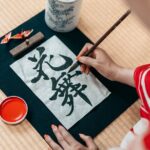
Cha soba gives Kyoto’s tea culture a deliciously practical form: you turn sencha and buckwheat into noodles, then learn how to eat them. I like that the class connects a local ingredient to a dish, and that you get to make the noodles yourself rather than just sample them. Tea and skewered chadango sweets round out the meal.
The main catch is the timing. The listed duration is 8 minutes, which does not seem to fit a cooking class with eating time, and the transport details give different estimates. Check both points with the host before you book, especially if you are planning a tight day.
- Key points to know
- Tea country gives this class its point
- Making noodles from sencha and buckwheat
- Eating cha soba, with tea and sweets
- Choosing a package that suits your appetite
- The journey from Kyoto needs a little care
- Language, timing and practical limits
- A good fit for curious eaters and families
- Should you book the Wazuka cha soba class?
- FAQ
- Where does the cha soba class take place?
- How do I get to Wazuka from Kyoto Station?
- How long is the activity?
- What is included in the class?
- What does the cha soba class cost?
- Can I join if I have a buckwheat allergy?
- Can children take part?
- Is the class taught in English?
- Can I get a refund if I cancel?
- The Best Of Kyoto!
- More Cooking Classes in Kyoto
- More Tours in Kyoto
- More Tour Reviews in Kyoto
- Not for you? Here's more nearby things to do in Kyoto we have reviewed
Key points to know
 1 / 9
 2 / 9
 3 / 9
 4 / 9
 5 / 9
 6 / 9
 7 / 9
 8 / 9
 9 / 9
- Wazuka is known for high-quality tea: The setting gives the class a clear link to the local crop, not just a cooking lesson in a city kitchen.
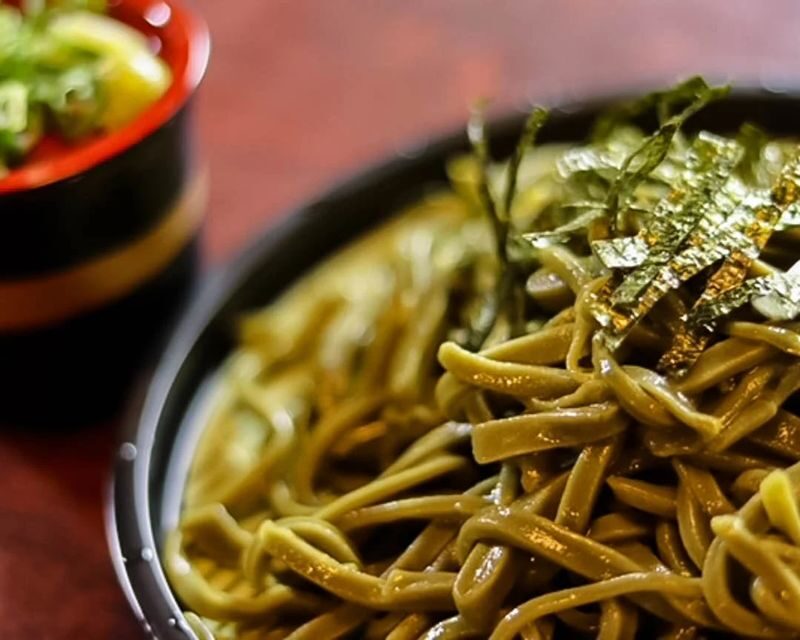
- Cha soba combines sencha and buckwheat: You make a less familiar Japanese noodle dish using tea powder.
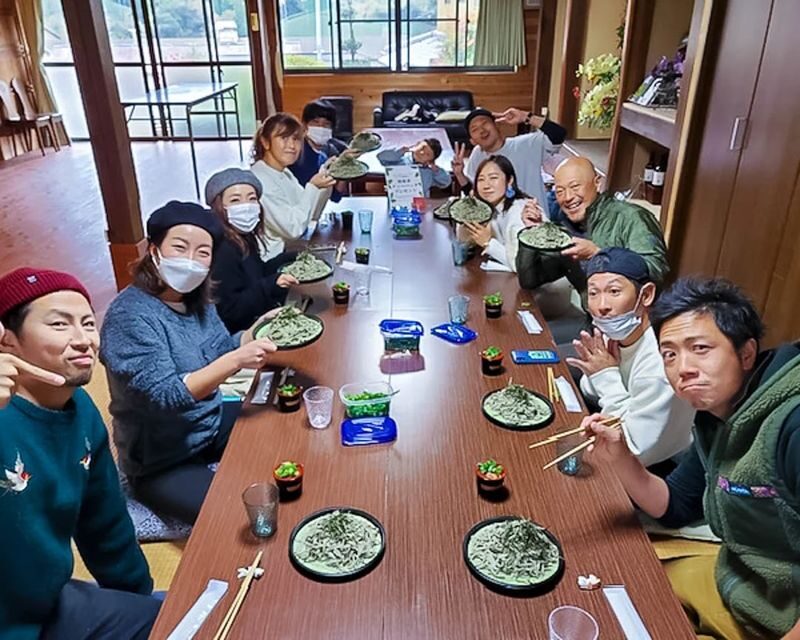
- You eat what you make: The session includes a meal, tea and sweet chadango dumplings.
- Beginners can take part: The hands-on format does not require you to be a skilled cook.
- Getting there takes planning: Wazuka is outside central Kyoto, and the public-transport journey is listed as roughly 1 to 1.5 hours.
- Check the duration before booking: The stated 8 minutes conflicts with the cooking and eating described.
👉 See our pick of the 25 Best Workshops And Classes In Kyoto
Tea country gives this class its point
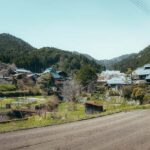
Wazuka, in Soraku District, is a scenic part of Kyoto Prefecture associated with high-quality tea. That matters here: cha soba is not simply a novelty noodle with green color. The dish brings sencha, a style of Japanese green tea, together with buckwheat, linking the meal to the area’s tea-making culture.
For a visitor, that connection makes the class more rewarding than a recipe lesson alone. You learn why tea matters in the region, then work with tea powder as an ingredient. The class also covers the cultural background of cha soba and the etiquette for eating it. You leave with a better sense of how food, local produce and everyday custom fit together.
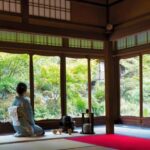
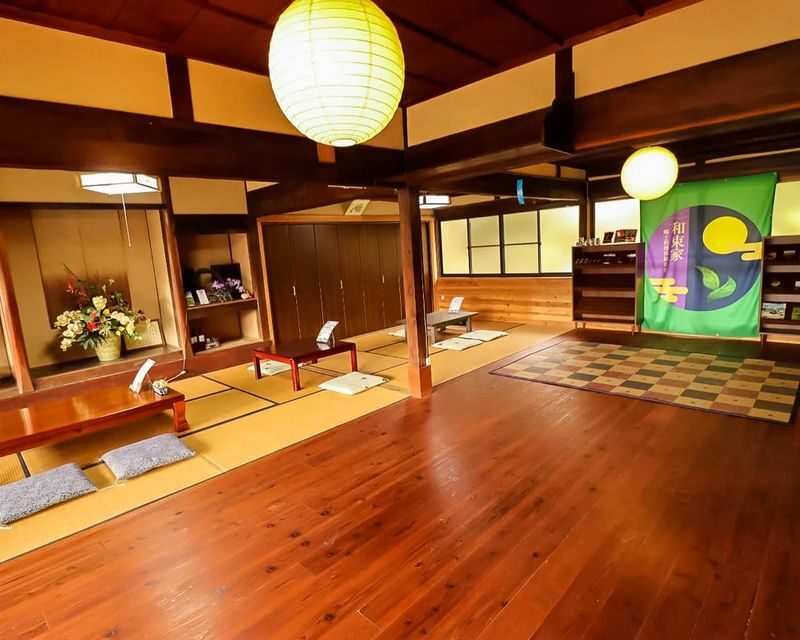
The setting is identified as an authentic Japanese tea house, at Katsura Barber Shop, Hatsuohira-21-1 Ishitera, Wazuka. The address is a little unusual, so rely on the detailed location supplied after booking rather than assuming the shop name alone will get you there. The listing also gives the Japanese name 蕎麦打ち体験教室 和束家.
You can also read our reviews of more cooking classes in Kyoto


Making noodles from sencha and buckwheat
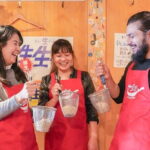
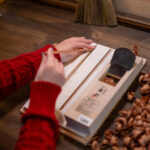
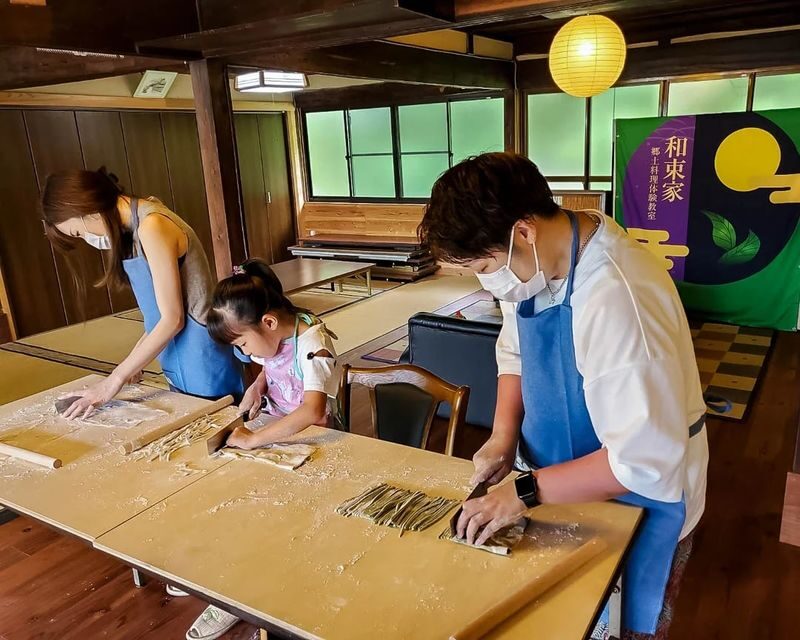
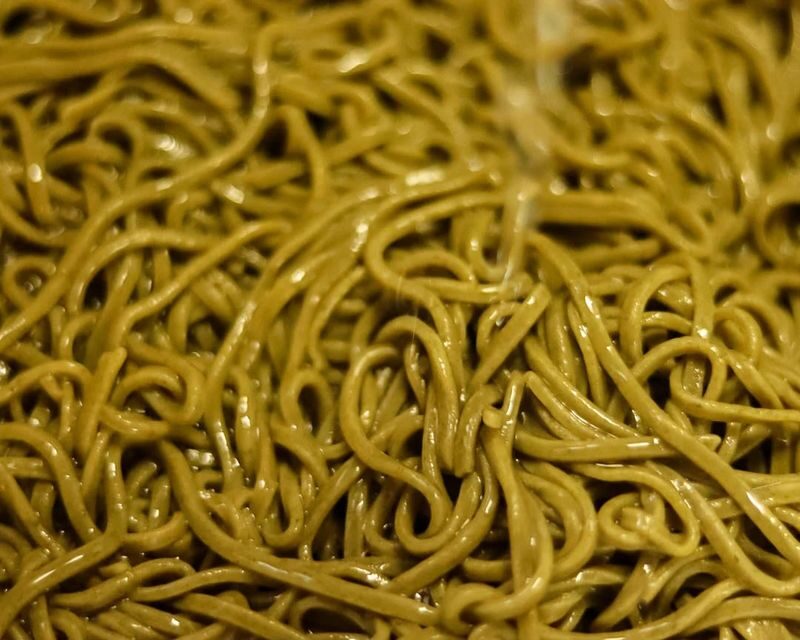
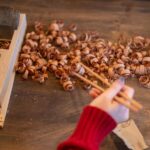
The central activity is making cha soba from sencha tea powder and buckwheat. That combination gives the dish its distinctive character: a familiar Japanese noodle form shaped by the local tea crop. You work with the ingredients and utensils provided, so there is no need to bring cooking equipment.
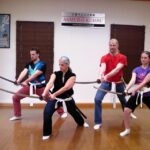
This is a hands-on class, but you need not arrive with a chef’s confidence. The process is presented as accessible to beginners, which makes it a good choice if you want to try a traditional food activity without needing prior skill. It is still a real cooking session, not just a demonstration followed by a tasting.
The supplied information does not spell out each stage of noodle-making or say exactly how much of the preparation you do yourself. If you are hoping to learn a particular technique, ask the host what the class covers. What is clear is that you make the noodles with sencha and buckwheat, then sit down to eat them.
Eating cha soba, with tea and sweets
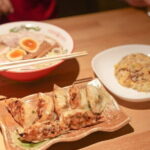
After the cooking comes the meal. You learn the special etiquette used for eating cha soba, then try the dish yourself. That instruction is useful: food customs can be hard to pick up from observation alone, and knowing what to do makes the meal feel more connected to the place.
The class includes meals and beverages, Wazuka matcha tea, and sweet chadango served on skewers. The tea gives you another way to taste the region’s signature crop, while the dumplings offer a sweet finish. These are included in the stated package details, though the exact menu may depend on which option you choose.
Eating is part of the activity, not an incidental extra. The time set aside for it can vary by about 20 minutes depending on the group. That makes the stated 8-minute duration particularly puzzling. Treat that figure as something to verify before booking, rather than planning your day around it.
Choosing a package that suits your appetite
The basic option, Making Cha Soba with Sencha, starts at US$44.19. It is the straightforward pick if your main aim is to make the noodles and learn about tea. Other choices start at US$50.95 or US$52.45, depending on the package.
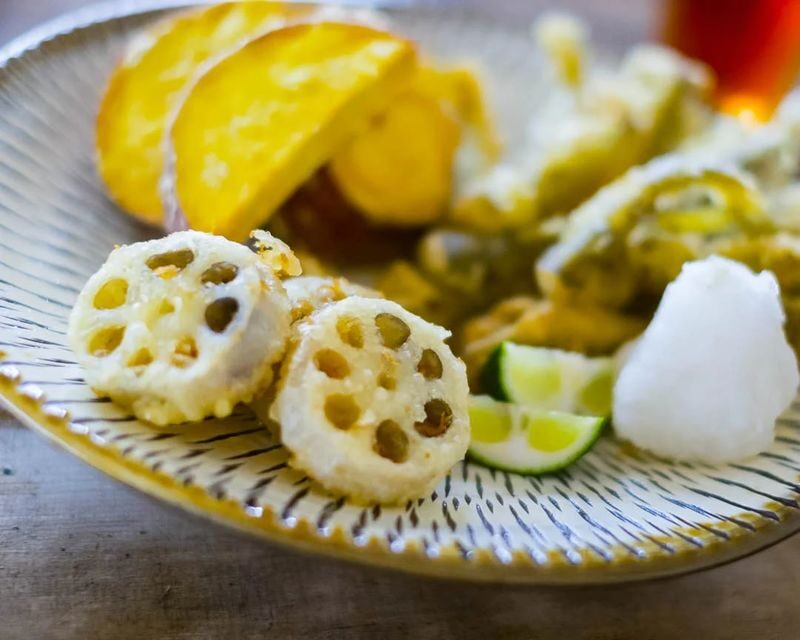
The options include a Wazuka Set, marked as the most popular, a Tempura Set, a Dessert Set, and Making Cha Soba plus a Taberu Cha gift. The package names suggest ways to add to the meal or take home a tea-related item, but the exact contents of each are not detailed here. Confirm what each set includes before paying extra, particularly if you have a specific dish or souvenir in mind.
At the base price, the value comes from more than lunch. You get ingredients, utensils, instruction, a meal and drinks, plus a cultural explanation of tea and noodle etiquette. That is a fair bundle for a local food activity, especially if you already plan to spend time in Wazuka. But remember that transport is not included, and the journey from Kyoto adds both cost and time.
The journey from Kyoto needs a little care
The class is not in central Kyoto. It is in Wazuka, and the information gives more than one estimate for reaching it by public transport: around one hour in one section and around 1.5 hours in another. A route is described from Kyoto Station to JR Kamo Station, which takes about an hour by train, followed by a bus from the station’s west exit. The bus takes about eight minutes to the Wazukatakahashi stop.
The difference between the overall estimates may reflect waiting or transfer time, but that is not specified. Allow room in your schedule and check the route for your date. By car, the journey from Kyoto Station is estimated at about one hour. Neither transport nor other personal expenses are included in the class price.
The meeting point is given as Katsura Barber Shop, Hatsuohira-21-1 Ishitera, Wazuka, Soraku District, Kyoto 619-1221. The voucher is said to include detailed location information after confirmation. Keep it handy, since the venue is in a rural district rather than an obvious central-city landmark.
You can also read our reviews of more tours and experiences in Kyoto
Language, timing and practical limits
An English and Japanese-speaking guide is included, but the host’s English is described as limited. A translation machine may be used to communicate. That should be workable for a practical cooking session, though it may make detailed questions about technique or tea culture slower. If those explanations are central to your plans, set expectations accordingly and ask concise questions.
The duration needs special attention. The experience is listed as 8 minutes, while the description includes cooking, instruction and a meal, and notes that eating time can vary by about 20 minutes. Those details do not line up. Contact the host or booking support to confirm the actual length before arranging transport or another activity around it.
Arrive on time. If you are more than 15 minutes late, you cannot take part, and you are asked to notify the host if delayed. The voucher is valid only for the date and time booked. Confirmation is expected 72 hours before the activity; contact customer support if it does not arrive.
The activity is not wheelchair- or stroller-accessible. Buckwheat is a core ingredient, so people with buckwheat allergies cannot participate. Let the host know about other allergies or dietary restrictions in advance.
A good fit for curious eaters and families
I would choose this class if you want a meal with a strong local connection, enjoy making food by hand, or have already seen Kyoto’s central sights and want to spend time in its tea-growing countryside. It is also a sensible pick for a beginner cook: the appeal is trying a distinctive dish, not proving your kitchen skills.
Families can bring children, with a few rules. Children aged 1 to 4 are free, but infants and children still need to be included in the passenger headcount. Children aged 1 to 12 must be accompanied by a paying adult, and those 13 or older pay the adult rate. The lack of stroller access is worth considering with very young children.
This is less suitable if you have a buckwheat allergy, need wheelchair access, or are trying to fit a short activity into a packed Kyoto itinerary. The long journey and unclear duration make it a poor choice for a schedule with little flexibility. It works best when you are happy to give Wazuka a meaningful portion of the day.
Should you book the Wazuka cha soba class?
Book it if you want to connect a Japanese cooking lesson with the tea culture of Wazuka, and you like the idea of making and eating your own noodles. The beginner-friendly format, tea and sweets make the base package appealing without requiring you to choose an add-on.
Before paying, verify the real duration and the best transport plan for your date. Then compare the package options based on what they actually include, since the names alone do not explain every extra. If the timing checks out and you can manage the rural journey, this is a distinctive way to taste Kyoto beyond its best-known city sights.
Kyoto Countryside Classics: Cha Soba Cooking Class
“This was so fun. We are far from great chefs but the experience is empowering even for beginners. A very unique experience that we would like to do…”
FAQ
Where does the cha soba class take place?
It takes place at Katsura Barber Shop, Hatsuohira-21-1 Ishitera, Wazuka, Soraku District, Kyoto 619-1221, Japan. Detailed location information is provided on the voucher after booking confirmation.
How do I get to Wazuka from Kyoto Station?
The route described is a train to JR Kamo Station, taking about an hour, followed by a bus from the west exit to Wazukatakahashi, about an eight-minute ride. The overall public-transport journey is estimated at roughly 1 to 1.5 hours.
How long is the activity?
The listed duration is 8 minutes, but the description includes cooking and eating, with eating time varying by about 20 minutes. These details conflict, so confirm the actual duration before booking.
What is included in the class?
The class includes an English and Japanese-speaking guide, meals and beverages, ingredients, cooking utensils, Wazuka matcha tea and sweet chadango skewers.
What does the cha soba class cost?
The Making Cha Soba with Sencha option starts at US$44.19. Other listed packages start at US$50.95 or US$52.45.
Can I join if I have a buckwheat allergy?
No. People with buckwheat allergies cannot participate. You should also tell the host in advance about other allergies or dietary restrictions.
Can children take part?
Children aged 1 to 4 are free, but must be included in the passenger headcount. Children aged 1 to 12 must be accompanied by a paying adult. Children aged 13 and older pay the adult rate.
Is the class taught in English?
An English and Japanese-speaking guide is included, but the host’s English is limited and a translation machine may be used.
Can I get a refund if I cancel?
A full refund is available if you cancel at least 72 hours before the activity date, using the destination’s local time.