They say that the mountains are calling, and for those who heed their call, Kyajo Ri Peak Climbing awaits.
Nestled in the majestic Himalayas, this adventure promises to test the limits of even the most seasoned climbers.
With its soaring altitudes and rugged terrain, Kyajo Ri Peak offers an exhilarating challenge that will push both body and mind to their limits.
But what lies beyond the summit? What secrets does this peak hold?
Join us as we embark on a journey to uncover the mysteries of Kyajo Ri and discover the thrill of conquering its majestic heights.
- Good To Know
- Peak Location and Overview
- Difficulty Level and Physical Requirements
- Climbing Duration and Itinerary
- Required Climbing Equipment
- Safety Measures and Precautions
- Professional Guides and Support
- Accommodation and Meals
- Additional Services and Costs
- Common Questions
- Are There Any Age Restrictions for Kyajo Ri Peak Climbing?
- What Is the Maximum Group Size for the Climbing Expedition?
- Are There Any Specific Fitness Requirements for Climbers?
- Is There a Limit on the Number of Climbers Allowed on the Peak at a Time?
- Can Climbers Rent Climbing Equipment On-Site or Should They Bring Their Own?
- The Sum Up
- The Best Of Kathmandu!
- More Tour Reviews in Kathmandu
- Not for you? Here's more nearby things to do in Kathmandu we have reviewed
Good To Know
- Kyajo Ri Peak is located in the Khumbu region of Nepal and stands at an impressive height of 6,186 meters.
- The climb is rated as ‘extremely challenging’ and requires prior mountaineering experience and good physical fitness.
- The climbing duration typically takes 12-17 days and includes rest and acclimatization days.
- Safety measures and precautions, such as thorough physical training, familiarizing with emergency procedures, and carrying essential safety equipment, are crucial for a successful and safe climb.
👉 See our pick of the 14 Best Shopping Tours In Kathmandu
Peak Location and Overview
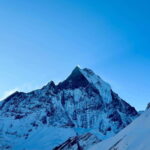
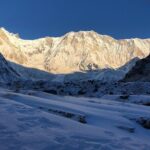
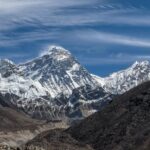
Kyajo Ri Peak, located in the stunning Himalayas, offers adventurers a thrilling and awe-inspiring climbing experience. Situated in the Khumbu region of Nepal, this majestic peak stands at an impressive height of 6,186 meters (20,292 feet).
Kyajo Ri Peak climbing is a challenging endeavor that attracts experienced climbers from around the world. The route to the summit presents various alternative routes, each offering its own set of difficulties and rewards.
The best time to climb Kyajo Ri Peak is during the spring (April to May) and autumn (September to November) seasons when the weather is relatively stable and the views are breathtaking.
Embarking on this expedition requires physical fitness, technical skills, and proper acclimatization, but the sense of achievement and the panoramic vistas from the top make it all worthwhile.
You can also read our reviews of more tours and experiences in Kathmandu.
Difficulty Level and Physical Requirements
Embarking on the exhilarating journey of Kyajo Ri Peak climbing requires a high level of physical fitness and technical skills, making it a challenging endeavor for even the most experienced climbers.
The difficulty level of this climb is rated as ‘extremely challenging’ due to the steep and icy terrain, unpredictable weather conditions, and high altitude. To undertake this adventure, climbers need to have prior mountaineering experience, particularly in high-altitude environments.
Plus, a good level of physical fitness is essential to endure the long and strenuous trekking days, as well as the demanding ascents and descents. Climbers should be prepared for long hours of walking, carrying heavy backpacks, and pushing their bodies to their limits.
It’s recommended to undergo a thorough physical training regimen prior to attempting the Kyajo Ri Peak climb.
Climbing Duration and Itinerary
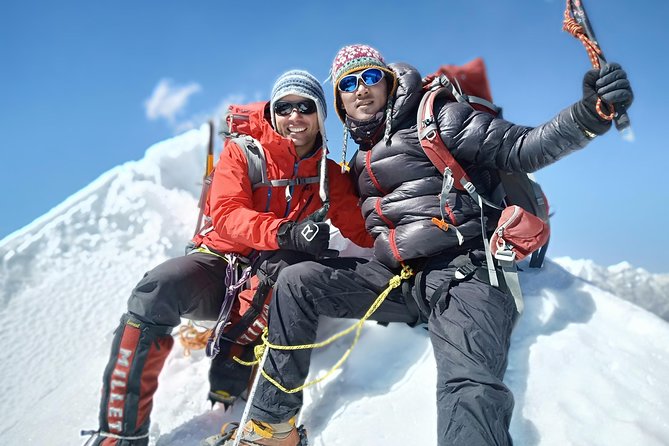
After conquering the physically demanding and challenging climb of Kyajo Ri Peak, climbers can now look forward to the exhilarating experience of planning their climbing duration and itinerary. To ensure a successful and safe ascent, climbers must consider various factors such as climbing techniques and weather conditions. The table below provides a glimpse into a possible itinerary for Kyajo Ri Peak climbing:
| Day | Activity | Elevation (m) |
|---|---|---|
| 1 | Arrival in Kathmandu | – |
| 2 | Acclimatization day and gear check | – |
| 3 | Flight to Lukla, trek to Phakding | 2,652 |
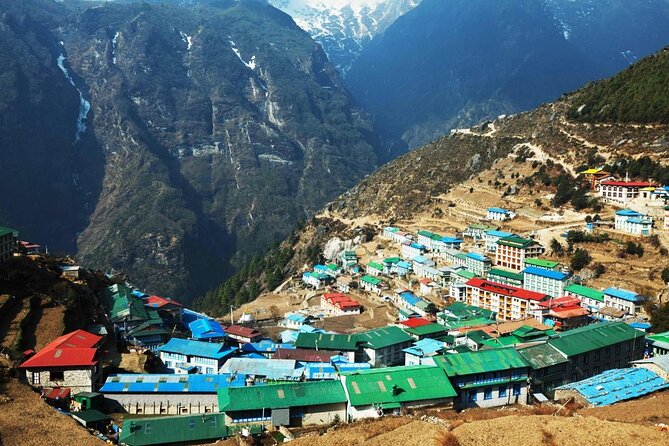
| 4 | Trek to Namche Bazaar | 3,440 |
| 5 | Acclimatization day in Namche Bazaar | 3,440 |
| 6 | Trek to Tengboche | 3,860 |
| 7 | Trek to Dingboche | 4,410 |
| 8 | Acclimatization day in Dingboche | 4,410 |
| 9 | Trek to Lobuche | 4,910 |
| 10 | Trek to Kyajo Ri Base Camp | 5,050 |
| 11 | Rest and acclimatization day at Base Camp | 5,050 |
| 12-17 | Summit push and descent | 6,186 |
It is important to note that the itinerary may vary depending on the weather conditions and the climbers’ physical fitness. Proper acclimatization and rest days are crucial to ensure a successful and safe climb.
Required Climbing Equipment
Climbers embarking on the exhilarating journey of conquering Kyajo Ri Peak must ensure they’ve the necessary climbing equipment for a safe and successful ascent. Here are five essential items that every climber should have:
- Climbing Helmet: Protecting your head from falling rocks and ice is crucial in this challenging terrain.
- Crampons: These spiked attachments for your boots provide much-needed traction on icy slopes.
- Ice Axe: A trusty ice axe helps with balance, self-arrest, and navigating steep sections of the climb.
- Harness: A harness is essential for attaching yourself to ropes and ensuring safety during vertical ascents.
- Ropes and Carabiners: These are vital for creating anchors, setting up belay systems, and rappelling.
Having the right climbing gear is essential, but it’s equally important to be physically prepared. Before attempting Kyajo Ri Peak, climbers should undergo a rigorous training program to build strength, endurance, and technical skills.
With the right equipment and training, climbers can conquer the thrilling challenge of Kyajo Ri Peak.
Safety Measures and Precautions
To ensure a safe and successful ascent of Kyajo Ri Peak, climbers must adhere to a set of safety measures and precautions.
Prior to the climb, it’s crucial to undergo thorough physical training to build strength and endurance. Climbers should also familiarize themselves with emergency procedures, such as recognizing symptoms of altitude sickness and knowing how to administer first aid.
Plus, carrying essential safety equipment, such as ropes, harnesses, helmets, and crampons, is imperative. It’s important to regularly check weather conditions and plan the climb accordingly, avoiding hazardous situations.
Communication devices, like satellite phones or radios, should be carried to maintain contact with base camp and seek help in case of emergencies.


Professional Guides and Support
Continuing the journey towards conquering Kyajo Ri Peak, climbers can rely on the expertise and support of professional guides throughout their expedition. These guides are equipped with professional training, ensuring that they’ve the necessary skills and knowledge to navigate the challenges of the climb.
With their local knowledge, they can provide valuable insights into the terrain, weather conditions, and potential hazards, maximizing the climbers’ chances of success. The professional guides act as mentors and companions, offering guidance, encouragement, and motivation every step of the way.
They’re well-versed in the intricacies of the peak and can help climbers make informed decisions, ensuring their safety and well-being. With their expertise and support, climbers can embark on this thrilling adventure with confidence and peace of mind.
Expertise and skills honed through professional training
In-depth knowledge of the local terrain and conditions
Mentoring and guidance throughout the expedition
Assistance in making informed decisions for safety
Companionship and motivation for a successful climb.
Accommodation and Meals
For a comfortable and satisfying climbing experience, adventurers can expect excellent accommodation and delicious meals while conquering Kyajo Ri Peak.
There are various accommodation options available to suit different preferences and budgets. From cozy teahouses to comfortable lodges, climbers can rest and rejuvenate in a serene mountain environment. These accommodations provide basic amenities such as clean beds, warm blankets, and hot showers to ensure a good night’s sleep after a day of climbing.
As for meals, climbers can enjoy a variety of delicious dishes that are prepared with fresh ingredients and local flavors. Meal plans typically include breakfast, lunch, and dinner, ensuring climbers have enough energy to conquer the peak. Whether it’s a hearty breakfast to start the day or a warm meal to refuel after a challenging climb, adventurers can expect satisfying meals throughout their Kyajo Ri Peak climbing journey.
Additional Services and Costs
Adventurers embarking on the Kyajo Ri Peak climbing journey can take advantage of a range of additional services and should be aware of associated costs. When it comes to additional services, the following options are available:
Professional climbing guides: Highly experienced guides who’ll ensure your safety and provide valuable guidance throughout the climb.
Equipment rental: From climbing gear to camping equipment, you can rent all the necessary items to make your journey comfortable.
Porter services: If you prefer to lighten your load and focus on the climb, hiring a porter can be a great option.
Base camp support: Base camp facilities such as tents, dining area, and cooking facilities are provided for your convenience.
Helicopter rescue services: In case of emergencies, helicopter rescue services are available to ensure your safety.
To make the most informed decision, it’s recommended to do a cost comparison and read customer testimonials to gauge the quality and value of the additional services offered.
Common Questions
Are There Any Age Restrictions for Kyajo Ri Peak Climbing?
Yes, there are age restrictions for Kyajo Ri Peak Climbing. Safety measures are in place to ensure the well-being of climbers. It is advised to check with the tour operator for specific age requirements before embarking on this adventurous journey.
What Is the Maximum Group Size for the Climbing Expedition?
The maximum group size for the climbing expedition is 10 people. They can rent equipment for the climb, ensuring they have everything they need to conquer the challenging Kyajo Ri Peak.
Are There Any Specific Fitness Requirements for Climbers?
There are specific fitness requirements for climbers undertaking Kyajo Ri Peak Climbing. It is important for climbers to undergo training and be in good physical condition in order to successfully complete the expedition.
Is There a Limit on the Number of Climbers Allowed on the Peak at a Time?
Yes, there is a limit on the number of climbers allowed on the peak at a time. This is to ensure the safety and enjoyment of all climbers. Age restrictions and fitness requirements may also be in place to ensure the climbers are adequately prepared.
Can Climbers Rent Climbing Equipment On-Site or Should They Bring Their Own?
Climbers can rent climbing equipment on-site or bring their own. Renting equipment may be convenient, but it could also come at a cost. It’s always best to check the prices and compare them to the cost of bringing your own gear.
The Sum Up
To sum it up, Kyajo Ri Peak Climbing offers an exhilarating and rewarding adventure in the breathtaking Himalayas. With its challenging terrain and soaring altitude, climbers will be tested both physically and mentally.
The reviews from previous climbers have praised the authenticity and reliability of the experience. With professional guides, safety measures, and additional services available, climbers can embark on an unforgettable expedition to conquer Kyajo Ri Peak.
So, gear up and get ready for the adventure of a lifetime!