
Planning a trek to Nepal that combines stunning mountain vistas with a challenging climb? The Khare: Mera Peak Climbing Expedition offers just that—an adventure that takes you through some of the most breathtaking Himalayan scenery while giving you the chance to summit Nepal’s highest trekking peak. This 16-day journey is perfect for those with decent fitness levels who seek a mix of trekking, culture, and high-altitude climbing.
What draws most travelers to this trip are the panoramic views of Everest, Lhotse, Makalu, Cho Oyu, and Kanchenjunga—some of the world’s most famous summits. Trekking through the remote Hinku Valley and crossing the Zatra La Pass adds a sense of adventure and seclusion. Plus, staying in cozy teahouses and camping at higher altitudes lets you experience the mountain ambiance authentically.
However, this expedition isn’t suitable for everyone. The physical demands, altitude considerations, and need for proper gear mean it’s best suited for those with solid fitness and a sense of adventure. If you’re looking for a safe, well-organized climb with expert guides, this tour delivers excellent value.
- Good To Know
- An Overview of the Mera Peak Climbing Experience
- What to Expect from the Trekking Route
- Accommodation and Food
- The Practical Side: Logistics, Equipment, and Safety
- Seasonality and Best Time to Go
- Who Should Consider This Expedition?
- Final Words: Is This Climb Worth It?
- FAQ
- More Tour Reviews in Manthali Nepal
- Not for you? Here's more nearby things to do in Manthali Nepal we have reviewed
Good To Know
 1 / 5
1 / 5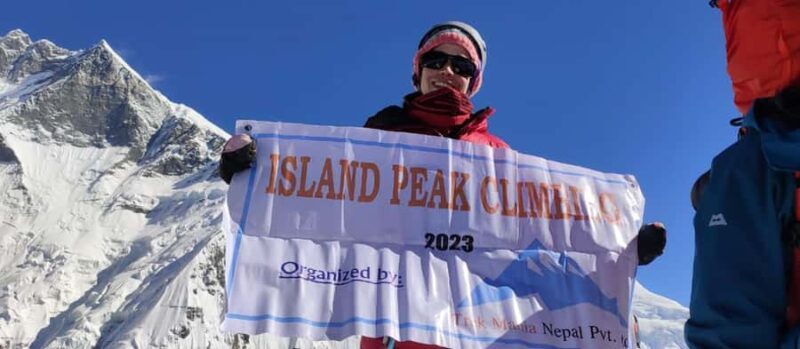 2 / 5
2 / 5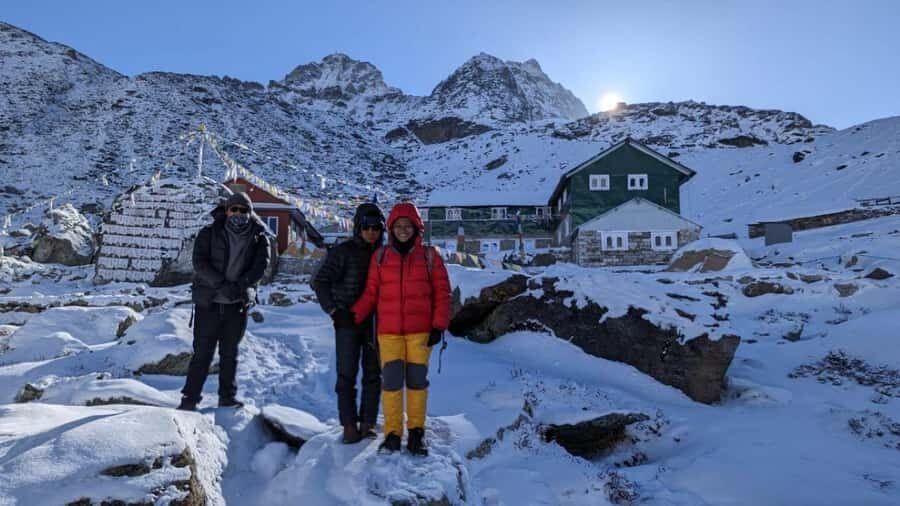 3 / 5
3 / 5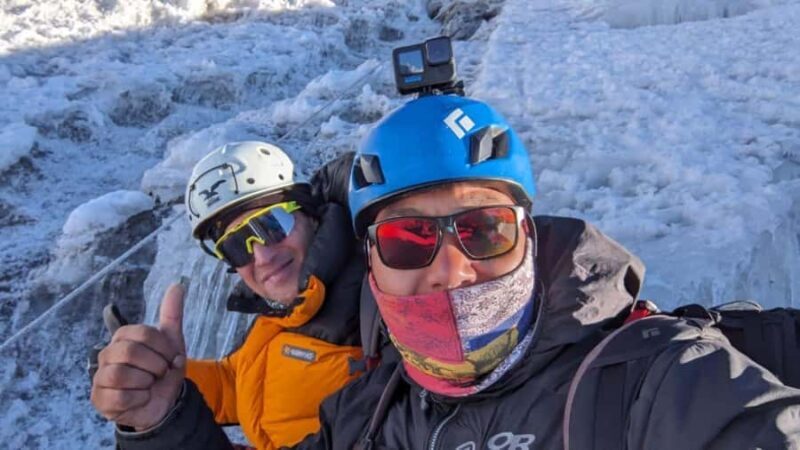 4 / 5
4 / 5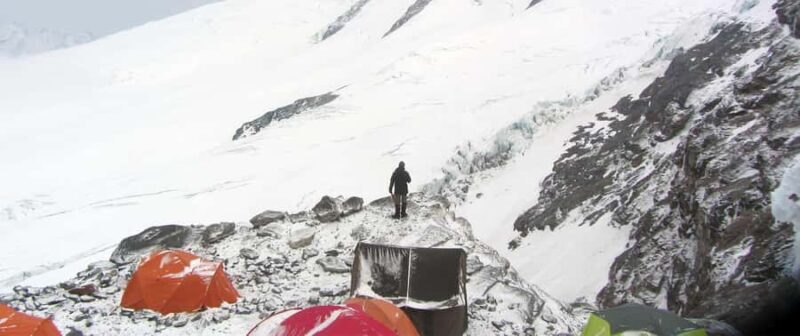 5 / 5
5 / 5- High-altitude adventure: Climb Nepal’s highest trekking peak with expert guidance.
- Spectacular views: See Everest, Lhotse, Makalu, and more from the summit.
- Remote trekking: Pass through less crowded valleys and Sherpa villages.
- Cultural immersion: Experience Sherpa traditions and hospitality.
- Accommodation: Stay in teahouses and camp at higher elevations.
- Preparation needed: Requires good fitness, proper gear, and acclimatization.
An Overview of the Mera Peak Climbing Experience
This expedition is designed as a comprehensive adventure—combining trekking, acclimatization, and a guided summit. It begins with a scenic mountain flight from Kathmandu or Manthali to Lukla, setting the tone for the remote beauty ahead. From there, the trek takes you through Makalu Barun National Park, which is notable for its biodiversity, lush forests, and wildlife.
Travelers often appreciate that this route avoids the crowded Khumbu trail, offering a more peaceful Himalayan experience. The trek involves crossing the Zatra La Pass and visiting traditional Sherpa villages, where you can observe local customs and enjoy authentic meals.
The journey’s pacing is well-structured for acclimatization, with rest days built in at strategic points such as Khare. Here, you can practice climbing techniques, further prepare for the summit push, and enjoy the breathtaking surroundings.
The climb itself involves an overnight at Mera High Camp, followed by a guided ascent. Many reviewers mention that the guides are professional, knowledgeable, and attentive to safety, which is reassuring given the high altitude. The descent is straightforward but equally rewarding, with expansive views and a sense of accomplishment.
The tour concludes with a return to Lukla and a flight back to Kathmandu, making the logistics smooth and straightforward. The use of teahouses during the trek offers a cozy spot to relax and enjoy local and international dishes—although at higher altitudes, facilities become simpler, emphasizing the rugged experience.
You can also read our reviews of more tours and experiences in Manthali Nepal.
What to Expect from the Trekking Route
Starting from Lukla, the trek initially follows well-trodden forested paths that gradually ascend into the Himalayan wilderness. Trekkers often comment on the diverse flora and fauna, which include species like the Himalayan Monal and colorful pheasants. The move away from busy routes means more wildlife sightings and a quieter, more contemplative atmosphere.
Trekking through Makalu Barun National Park is one of the highlights. This UNESCO-protected area features lush rhododendron forests, waterfalls, and sometimes even sightings of wildlife such as musk deer and Himalayan black bears. The trail is generally gentle but can be muddy and uneven, so good hiking shoes are essential.
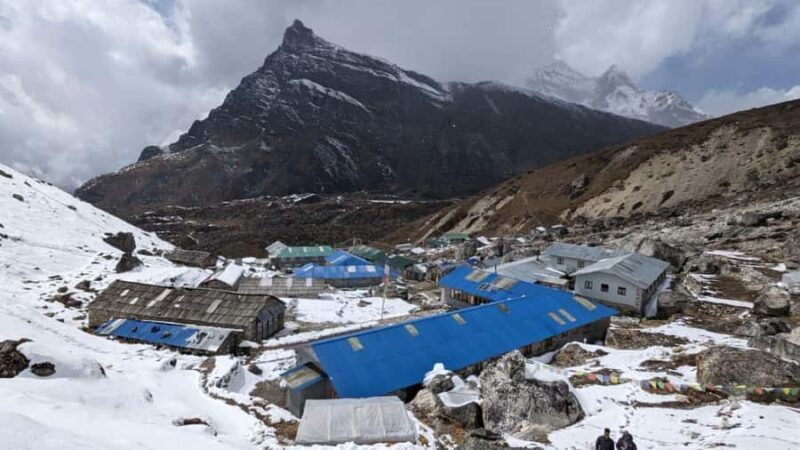
When you reach Khare, you’ll notice it’s the hub for climbers. Here, the focus shifts toward preparation for the summit, with additional acclimatization days that help prevent altitude sickness. The village itself offers a glimpse into Sherpa life, with friendly locals and simple lodges.
Climbing Mera Peak involves a mix of glacier travel and snow slopes. The overnight at Mera High Camp provides a crucial rest before the final ascent. Expect to use crampons and other technical gear, with guides providing instruction if needed. The summit offers unparalleled views—on clear days, you’ll see Everest’s towering summit and other giants stretching across the Himalayas.
The descent is more straightforward but requires respect for the altitude and weather conditions. Many mention that the guides are vigilant during this phase, ensuring safety at every step.
Accommodation and Food
Throughout the trek, you’ll stay in teahouse lodges that serve hearty local meals like dal bhat, noodles, and soups. These lodges often offer a warm corner to relax after a day’s walk, with communal dining areas that foster camaraderie among trekkers.
At higher elevations, camping is used for the overnight stay at Mera High Camp, with basic but functional facilities. Reviewers appreciate the chance to sleep in tents with mountain views, though some mention the temperature can drop sharply at night, so proper thermal clothing is advised.
Food quality generally exceeds expectations, with travelers highlighting the deliciousness of local dishes. Many also mention the availability of international options, such as pasta and Western-style breakfasts—though these are more common in lower altitude villages.
The Practical Side: Logistics, Equipment, and Safety
Flights to Lukla usually operate via Manthali Airport (Ramechhap) during peak season, with shared transfers from Kathmandu. Off-season, flights may run directly from Kathmandu, offering more flexibility. The journey is weather-dependent and can sometimes be delayed, so flexibility in your schedule is recommended.
The tour is limited to 15 participants, which strikes a good balance between group camaraderie and personal attention. Guides are licensed and experienced, with several reviews mentioning their attentiveness, safety protocols, and local knowledge.
For climbing, proper gear—including warm clothing, thermal layers, hiking shoes, sunglasses, and climbing equipment—is a must. The tour provider emphasizes the importance of good physical fitness and travel insurance that covers helicopter evacuation up to 6000m, which is vital in case of emergencies.
Group size, duration, and the use of local porters help keep the experience manageable and environmentally friendly, while also providing employment for local Sherpa communities.
More Great Tours NearbySeasonality and Best Time to Go
Spring (March to May) and Autumn (September to November) are considered ideal, offering clear skies and milder weather conditions. During these periods, the views are spectacular, and the mountain weather is more predictable.
Winter and monsoon seasons are less recommended. Winter can be very cold, especially at higher camps, and monsoon rains make trails muddy and risky, although some seasoned climbers still take on the challenge.
Who Should Consider This Expedition?
This tour is best suited for adventurous hikers with good fitness levels and some experience at altitude. It’s not recommended for those with back problems, mobility issues, heart or respiratory conditions, or low fitness.
Travelers who love combining trekking with mountaineering, enjoy cultural experiences, and are prepared for the physical challenge will find this trip immensely rewarding. The guides and support staff’s professionalism add peace of mind, making it accessible for those willing to invest in proper preparation.
Final Words: Is This Climb Worth It?
For those dreaming of standing atop Mera Peak with the Himalayas sprawling in every direction, this expedition offers a well-organized, authentic experience. The scenery alone is worth the effort—imagine viewing Everest and Kanchenjunga from the same vantage point. Plus, the chance to pass through untouched valleys and Sherpa villages makes this more than just a climb; it’s a cultural journey.
The value is clear: a comprehensive package that includes experienced guides, accommodations, and logistical support for a demanding but achievable summit. If you’re seeking a less crowded alternative to Everest Base Camp with the thrill of high-altitude mountaineering, this trip fits the bill.
This tour offers a blend of adventure, cultural insight, and mountain majesty, making it an excellent choice for seasoned trekkers craving a new challenge or dedicated climbers eager to tick a significant peak off their list.
Khare: Mera Peak Climbing Expedition
FAQ
What is the best time of year to do this expedition?
Spring (March to May) and Autumn (September to November) are ideal for this trek, thanks to clearer skies and more stable weather.
Do I need prior climbing experience?
While technical climbing skills are not mandatory, good physical fitness and some trekking experience are important. The guides will assist with technical aspects during the climb.
What kind of accommodation should I expect?
Most nights are spent in teahouse lodges that serve local and international meals, with camping used at the high camp for added adventure and unique experience.
How important is acclimatization?
Very. The itinerary includes acclimatization days at Khare and other points to help prevent altitude sickness and ensure safe summit attempts.
What gear should I bring?
Essential items include warm clothing, thermal layers, hiking shoes, sunglasses, a daypack, and climbing gear. Proper gear is crucial for safety and comfort.
Can I cancel or reschedule?
Yes, there’s a flexible policy allowing free cancellation up to 24 hours before the tour starts, and you can reserve now and pay later to keep your plans flexible.
To sum it up, the Khare: Mera Peak Climbing Expedition offers a rewarding mix of Himalayan trekking, cultural discovery, and high-altitude climbing. It provides exceptional value for those eager to push their limits in Nepal’s stunning mountains while enjoying the comfort and safety of experienced guides and well-organized logistics. Whether you’re aiming for your first high peak or adding a significant ascent to your mountaineering resume, this adventure is well worth considering.
You can check availability for your dates here: More Great Tours Nearby