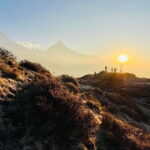
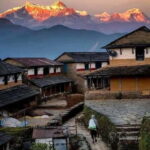
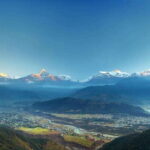
Planning a trek through Nepal’s famous Annapurna Circuit? We’ve looked into the 9-day adventure offered by MTA Trekking, and it seems like a well-balanced mix of challenge, scenery, and culture. Whether you’re an experienced trekker or an enthusiastic beginner with a good fitness level, this route offers plenty to love — from the high-altitude crossing of Thorong La at 5,416 meters to the chance to explore remote villages and sacred sites.
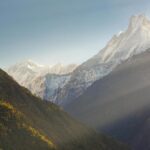
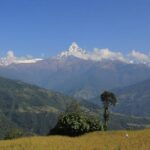
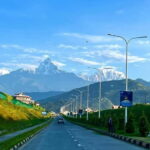
What we find particularly appealing is the diversity packed into just nine days: lush valleys, Tibetan-influenced villages, sweeping mountain vistas of Annapurna, Dhaulagiri, and Machapuchare, and the opportunity to visit Muktinath Temple, a spiritual highlight. Plus, the guides seem knowledgeable and friendly, making the journey not just scenic but also informative and safe.
One thing to keep in mind is that this trek demands decent physical fitness and some acclimatization time. The high-altitude crossing can be tough, especially if you’re not used to long days of walking or higher elevations. It’s not advisable for pregnant women, children under 7, or those with certain health conditions.
This route suits adventure lovers seeking authentic Himalayan experiences, those eager to challenge themselves, and travelers who appreciate local culture and stunning scenery in one trip.
- Good To Know
- Starting Point: Kathmandu or Pokhara
- Day 2: Dharapani to Chame
- Day 3: Chame to Upper Pisang
- Day 4: Upper Pisang to Manang
- Day 5: Rest and Acclimatization in Manang
- Day 6: Manang to Yak Kharka
- Day 7: Yak Kharka to Thorong Phedi
- Day 8: Crossing Thorong La Pass and Descent to Muktinath
- Day 9: Return to Pokhara
- In The Sum Up
- The Best Of Pokhara!
- More Hiking & Trekking Tours in Pokhara
- More Tour Reviews in Pokhara
- Not for you? Here's more nearby things to do in Pokhara we have reviewed
Good To Know
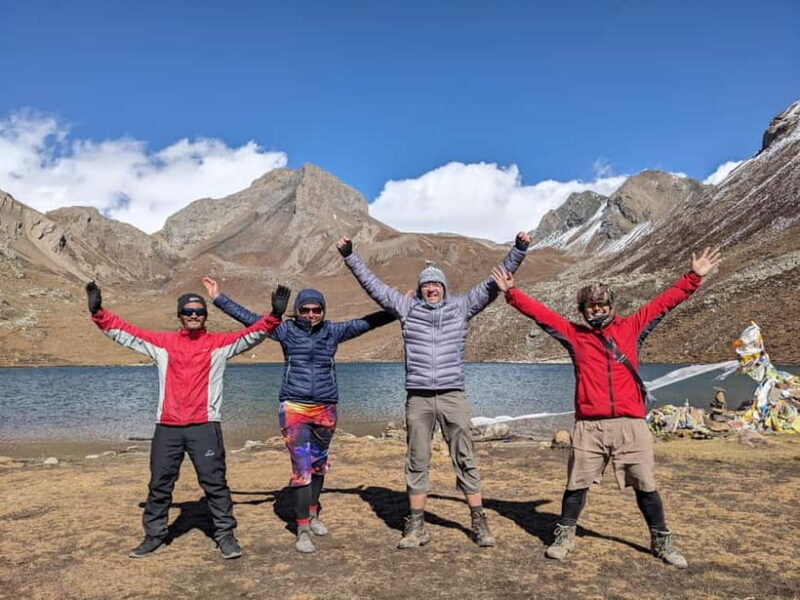
- High-Altitude Adventure: Cross the Thorong La Pass at 5,416 meters, one of the highest trekking passes in the world.
- Cultural Encounters: Visit traditional villages like Upper Pisang and the sacred Muktinath Temple.
- Expert Guides: Guided by knowledgeable, friendly locals who prioritize safety and cultural education.
- Value for Money: At $443 per person, it includes accommodations, permits, and transportation.
- Balanced Itinerary: Built-in acclimatization days to help prevent altitude sickness.
- Diverse Landscapes: From lush green valleys to arid high-altitude deserts and mountain panoramas.
This trek offers a comprehensive experience of the Himalayas, designed to blend adventure, culture, and scenic beauty in a manageable timeframe. Here’s a detailed look at what you can expect each day, why it’s special, and some insider tips.
You can check availability for your dates here:
👉 See our pick of the 6 Best Shopping Tours In Pokhara
Starting Point: Kathmandu or Pokhara
The journey begins with transportation from Kathmandu or Pokhara. Most itineraries start with a scenic bus ride to Besisahar, followed by a jeep transfer to Dharapani. This initial drive sets the tone for the adventure, offering views of Nepali countryside dotted with terraced fields and traditional villages. The drive to Dharapani is approximately 7-8 hours from Kathmandu, so prepare for some time on the road, but the views make it worthwhile.
Some travelers have appreciated the flexibility in transport options, which ensures a smooth start. For instance, reviews mention that the pickup from your hotel and the transport arrangements are well-organized, making the beginning of the trek feel seamless.
You can also read our reviews of more hiking tours in Pokhara
Day 2: Dharapani to Chame
The trek kicks off with a 6-hour walk from Dharapani to Chame, the capital of Manang District. Expect a gradual ascent through oak and pine forests and quaint burbling streams. The trail passes through charming Bhote villages, giving you a glimpse of local life. The scenery is a refreshing mix of green forests and mountain views, which helps your body adjust.
Travelers have noted that this day is an excellent warm-up, with manageable walking hours that help acclimate your body gradually. The fresh mountain air and peaceful countryside set a calm, early tone for the adventure.
Day 3: Chame to Upper Pisang
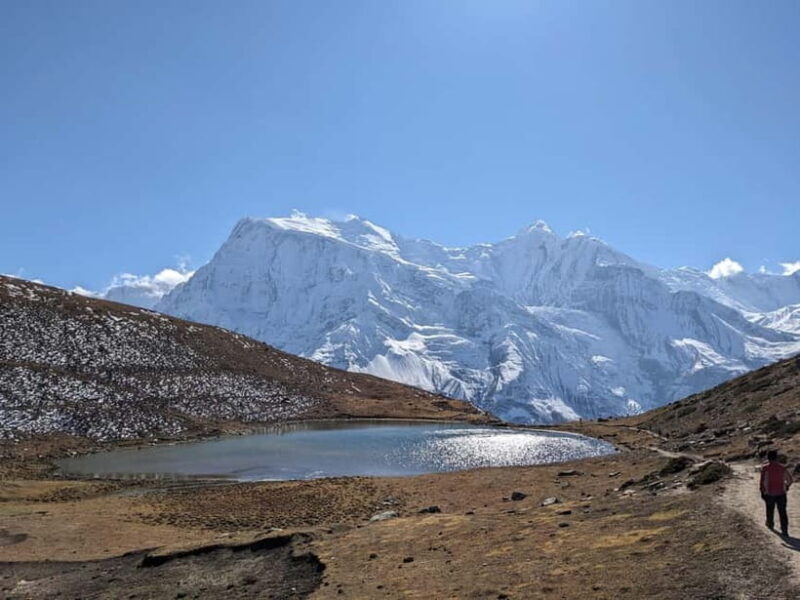
This leg takes about 5-6 hours, leading you to the picturesque village of Upper Pisang at 3,200 meters. The trail offers sweeping views of Lamjung Himal and a stop in the Bhratang Valley. The altitude gain is gentle but steady, giving your body time to adapt.
Reviewers mention how stunning the panoramic mountain vistas are here. The village feels authentic, with traditional Tibetan-style homes and a peaceful atmosphere. It’s a good spot to soak in the scenery and learn about local culture.
Day 4: Upper Pisang to Manang
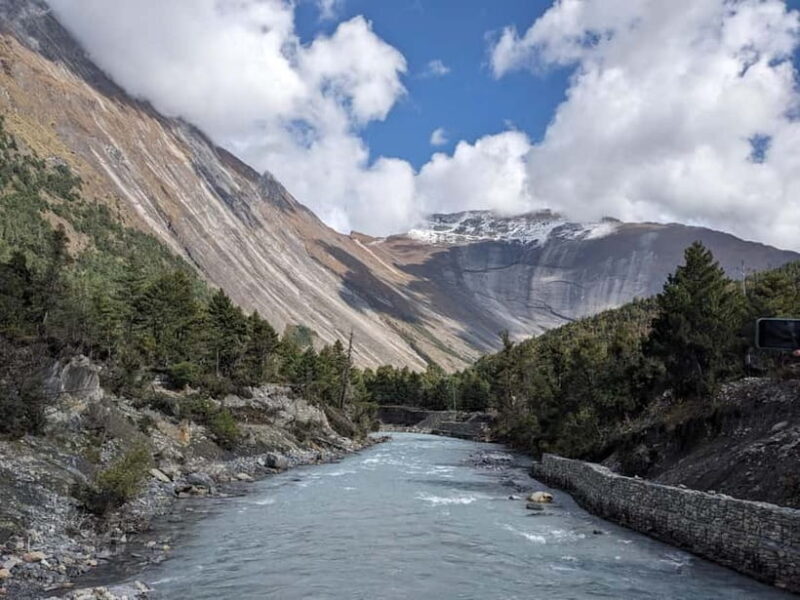
A highlight of the journey, this 5-6 hour trek takes you to the vibrant village of Manang at 3,540 meters. The route unveils fantastic sights of Tilicho Peak, Annapurna III, and Annapurna IV. As you ascend, the landscape becomes more dramatic, with craggy cliffs and sweeping mountain views.
Here, the importance of acclimatization becomes clear. Many reviews praise the extra day in Manang, noting that it’s crucial to prevent altitude sickness. Guests have enjoyed optional activities like visiting local glaciers or icefalls, which enrich the experience.
More Great Tours NearbyDay 5: Rest and Acclimatization in Manang
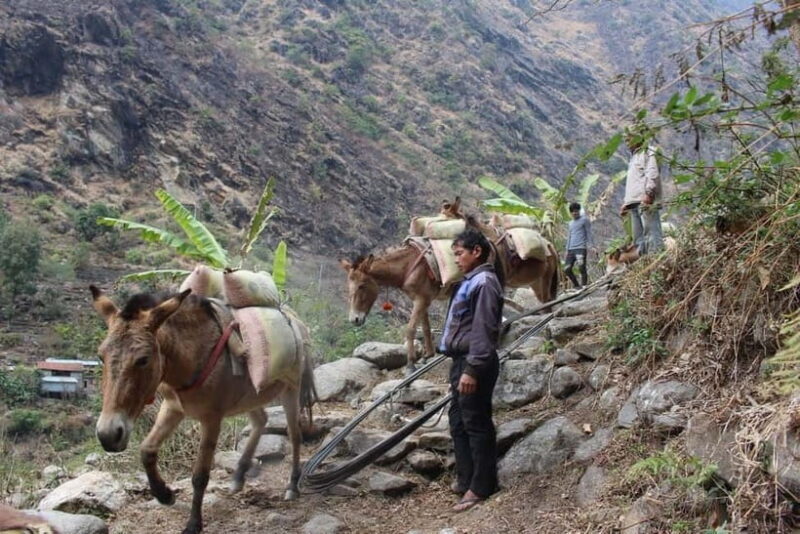
Most trekkers appreciate the dedicated rest day here. It allows your body to adjust to the high elevation and reduces the risk of altitude-related issues. Some optional short hikes are available, such as visits to Gangapurna Glacier Lake or nearby icefalls, providing more chances for stunning scenery and cultural insight.
Reviewers have found this day vital; one shared how “the acclimatization day in Manang was really helpful” in preparing for the higher altitudes ahead.
Day 6: Manang to Yak Kharka
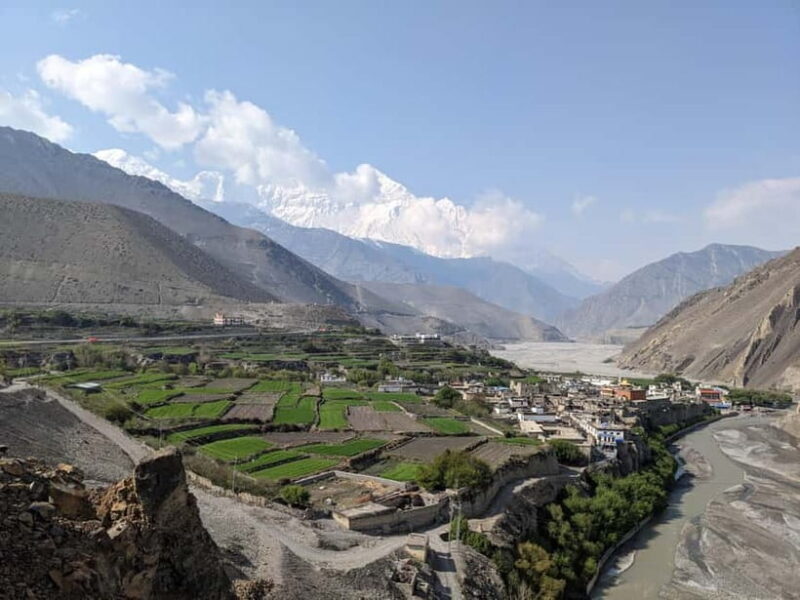
Relatively shorter, about a 4-hour walk, this stage takes you to Yak Kharka at 4,050 meters. The landscape continues to change, with expansive mountain views and a sense of openness. It’s a good acclimatization step, gradually increasing your altitude.
Travelers appreciated the scenic diversity here, with some noting that the trek feels easier due to the manageable pace and supportive guides.
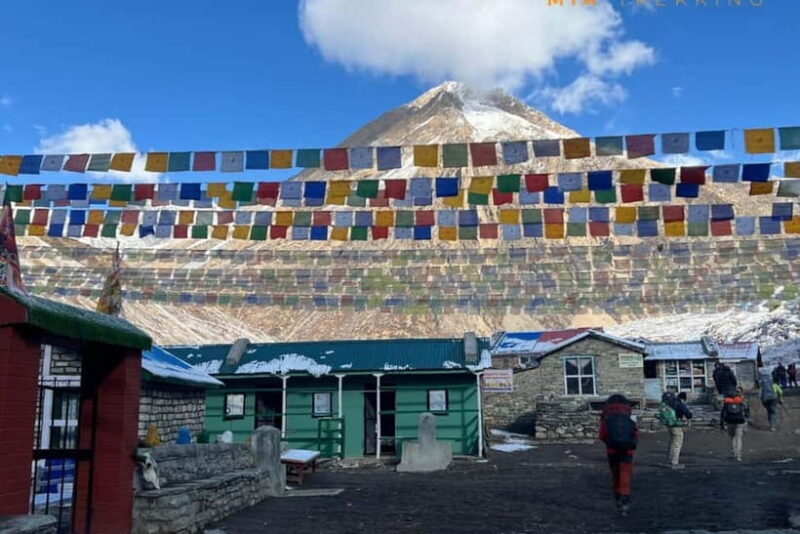
Day 7: Yak Kharka to Thorong Phedi
This 4-5 hour trek involves crossing bridges and a gentle ascent to Thorong Phedi at 4,450 meters. It’s a key staging point before the big pass. The atmosphere here is busy with fellow trekkers preparing for the crossing.
Guests mention the importance of staying well-rested and properly prepared for the crossing, as the next day’s challenge is physically demanding but rewarding.
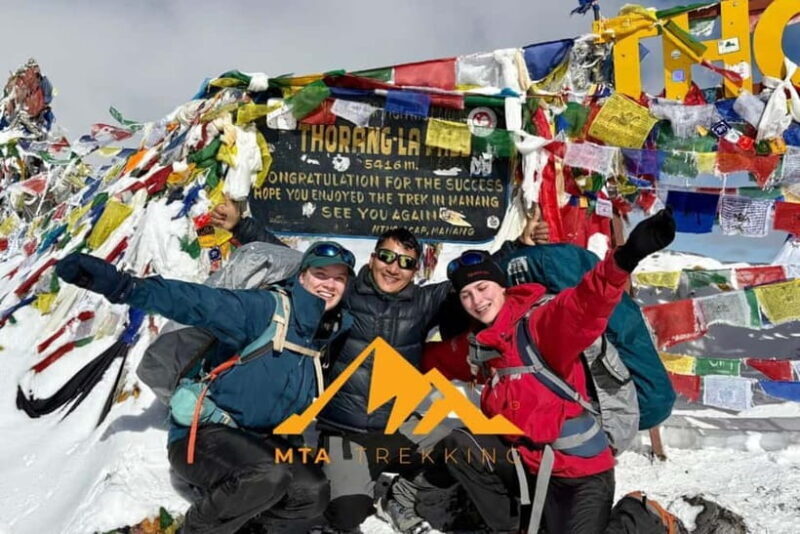
Day 8: Crossing Thorong La Pass and Descent to Muktinath
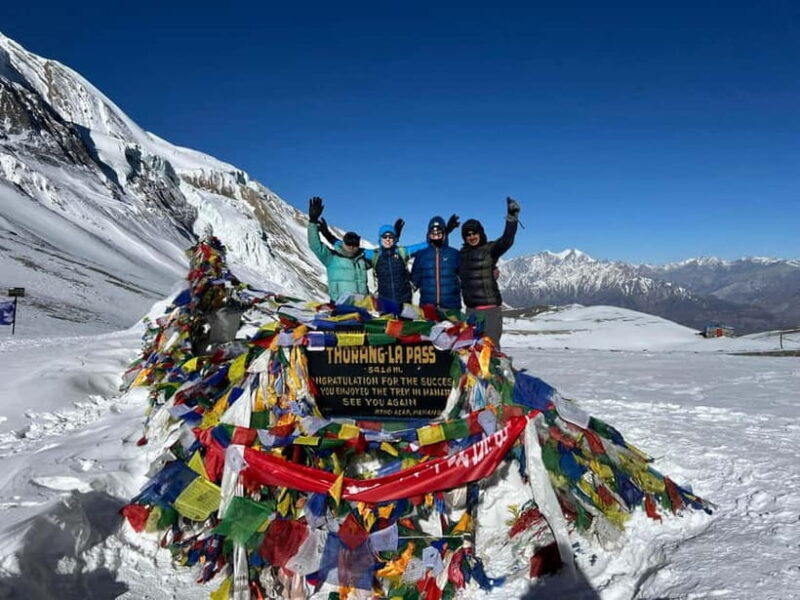
The day of the big challenge, crossing the Thorong La Pass at 5,416 meters, is the most memorable part of the trek for many. The ascent can be tough, with some reviewers describing it as “not easy,” but the views are truly worth every step. Once at the top, you’re rewarded with panoramic vistas of Mustang Valley, Dhaulagiri, and the surrounding peaks.
Descending to Muktinath, a sacred pilgrimage site for Hindus and Buddhists, adds a spiritual dimension to the journey. The trail here is well-trodden but still offers a sense of achievement and awe.
Reviewers highlight the breathtaking scenery and the satisfaction of conquering one of the world’s highest passes.
Day 9: Return to Pokhara
The final day involves an 8-hour bus ride back to Pokhara, offering a chance to relax and reflect on your adventure. The mountain views along this route are still impressive, and many travelers feel a wave of accomplishment as they unwind beside Phewa Lake in Pokhara.
Guests have shared that this relaxing journey back is the perfect way to cap off an intense but rewarding trip.
Included in the Tour:
- Pickup and drop-off from your hotel, making logistics simple.
- Necessary permits and Tims card for trekking.
- All transportation between destinations and to activities.
- Accompaniment by a local, government-registered guide, whose knowledge and friendliness seem to be a standout feature, as highlighted in reviews.
- Comfortable accommodations in tea houses and lodges during the trek, with a night at Hotel Orchid in Pokhara after.
- Emergency rescue assistance, providing peace of mind.
Not Included:
- Drinks such as alcohol or bottled water, which you might find tempting after a long day.
- Personal expenses — laundry, souvenirs, extra drinks, etc.
- Trekking gear, so packing the right equipment is essential.
What to Bring:
Comfortable trekking shoes, sunscreen, sun hat, sunglasses, light layered clothing, and a passport or ID. Quick-dry clothes are advisable for changing weather and sweat management.
What to Avoid:
Alcohol and drugs are not permitted on the trail, reflecting the high-altitude environment’s sensitivity.
Best Time to Trek:
Spring (March-May) and Autumn (September-November) are ideal, offering clear skies and great mountain views. Winter can be very cold and snowy, and the trail may be less accessible. Monsoon season is best avoided due to rain and slippery paths.
Physical Preparation:
Good fitness and some prior trekking experience are recommended. The ascent to Thorong La demands stamina, and acclimatization days help prevent altitude sickness.
Multiple reviews highlight the role of guides like Chakra and Shishir, who are praised for their friendliness, attentiveness, and extensive local knowledge. Guests mention that guides explained local customs, showed genuine hospitality, and added depth to their journey.
One reviewer mentioned, “Thorong La pass was my favorite part. It was not easy, but the view was mesmerizing.” This sentiment echoes many, emphasizing that despite the physical challenge, the breathtaking scenery makes it all worthwhile.
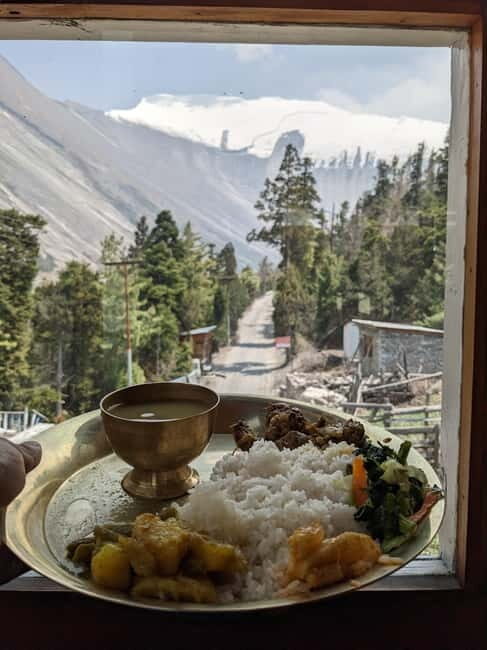
Others appreciated the quality of food and hospitality at the tea houses, often commenting on the delicious local dishes and the chance to try yak cheese or traditional Nepali fare. The warmth of the local people and the chance to learn about Tibetan culture are additional perks that make this trek extraordinary.
Absolutely. For $443, the package provides a well-organized, safe, and immersive Himalayan experience. The inclusion of permits, transportation, accommodations, and expert guides means you’re paying for a thoughtfully curated adventure that balances challenge and comfort.
The reviews suggest that the journey is well-paced, with the guides doing their best to ensure proper acclimatization and safety. The variety of landscapes and cultural stops keeps the trek engaging, and the chance to conquer one of the world’s highest passes is a real achievement.
This trek is best suited for those with a decent level of fitness and some trekking experience. It’s ideal for travelers looking for a mix of adventure, nature, and culture, without the time commitment of longer routes. As the trail involves high-altitude passes, it’s not recommended for pregnant women, young children, or anyone with certain health issues.
If you are after a well-organized, budget-friendly, and authentic Himalayan trek with experienced guides, this is a compelling choice.
How physically demanding is this trek?
It involves long days of walking, some steep ascents, and crossing high-altitude passes. Good fitness and prior trekking experience help, but with proper acclimatization, most travelers can manage it.
Are guides provided, and are they knowledgeable?
Yes, the trek includes experienced, local, government-registered guides. Reviewers rave about their friendliness, knowledge, and support, especially in helping with acclimatization and cultural insights.
What is the cost of the trek?
It’s priced at $443 per person, which covers permits, transportation, accommodations, and guiding. It’s considered good value given the inclusions and the quality of experience.
What should I bring for the trek?
Pack comfortable trekking shoes, layered clothing, sun protection, and your passport. Trekking gear like a sleeping bag isn’t included, so check your packing list accordingly.
When is the best time to do this trek?
Spring and autumn are ideal due to clear weather and stable conditions. Winter is colder with snow, and monsoon season brings rain and slippery trails.
Is this trek suitable for children?
Not really; it’s better suited for those over 7 years old with a good level of fitness and no health issues related to high altitudes.
What happens if I get altitude sickness?
The itinerary includes acclimatization days, and emergency rescue assistance is available. Guides are trained to handle altitude sickness, prioritizing safety.
In The Sum Up
The 9-Day Annapurna Circuit Trek via Thorong La Pass offers an excellent opportunity to experience some of the most dramatic scenery Nepal has to offer, combined with cultural richness and a sense of personal achievement. With expert guides, a well-structured itinerary, and supportive accommodations, it’s a solid choice for adventure seekers ready for a challenge.
If you’re looking for a trek that balances breathtaking views with authentic local encounters, this journey will certainly leave a lasting impression. Keep in mind the physical demands and the need for proper acclimatization, but for many, that’s part of the adventure — and worth every step.
This trek suits those seeking a meaningful, manageable Himalayan experience, with enough time to enjoy the scenery and culture along the way. If that sounds like your kind of adventure, this could be one of the most rewarding trips of your life.
You can check availability for your dates here: More Great Tours Nearby