Exploring Kamakura’s First Samurai Capital: A Guided Walking Tour Review
If you’re planning a trip to Japan’s Honshu region, a visit to Kamakura offers a fascinating glimpse into the country’s feudal past and spiritual heritage. This guided walking tour provides a well-rounded introduction to Kamakura’s significance as Japan’s first Samurai capital, packed with iconic landmarks, serene temples, and traditional crafts.
What makes this tour particularly appealing? First, the expert local guides bring Kamakura’s history to life, weaving in stories that make ancient sites feel alive. Second, the visits to renowned Zen temples and the grand Tsurugaoka Hachimangu Shrine offer both visual grandeur and cultural depth. Lastly, the opportunity to learn about Kamakura Lacquerware, a craft with over 800 years of history, adds an artistic dimension that’s often missed in standard tours.
However, potential travelers should note that the tour involves quite a bit of walking, including stairs at some temples, which might be a concern for those with mobility issues. It’s also focused on historical and cultural highlights, so it may not satisfy those looking for a more relaxed or shopping-oriented experience.
This tour suits history buffs, culture seekers, and anyone curious about Japan’s samurai era or Zen traditions. It’s ideal for travelers who want a meaningful, educational experience while enjoying the scenic charm of Kamakura.
- Good To Know
- A Detailed Look at the Kamakura First Samurai Capital Walking Tour
- The Starting Point: Kita-Kamakura Station
- Exploring Enkaku-ji and Its Sacred Spaces
- Visiting Kencho-ji, Kamakura’s Most Prestigious Zen Temple
- The Symbolic Tsurugaoka Hachimangu Shrine
- The Art of Kamakura Lacquerware
- Practical Aspects of the Tour
- What Travelers Say
- Who Will Love This Tour?
- Final Thoughts
- FAQs
- The Best Of Kamakura!
- More Walking Tours in Kamakura
- More Tours in Kamakura
- More Tour Reviews in Kamakura
- Not for you? Here's more nearby things to do in Kamakura we have reviewed
Good To Know
- In-depth cultural insights: Guides share detailed stories about Kamakura’s temples, shrines, and traditional crafts.
- Iconic landmarks: Visit Tsurugaoka Hachimangu, Kamakura’s most symbolic shrine, and two major Zen temples, Enkaku-ji and Kencho-ji.
- Authentic craftsmanship: Discover Kamakura Lacquerware, a craft with roots over 800 years old, at the Kamakura Lacquerware Museum.
- Stunning architecture and views: Admire grand temple gates, Buddha halls, and scenic walkways like Dankazura with cherry blossoms in season.
- Historical context: Understand Kamakura’s role in shaping Japan’s feudal and cultural landscape.
- Value for money: At $47 per person, the tour offers a rich experience that combines history, culture, and art, with an included museum visit.
👉 See our pick of the 2 Best Historical Tours In Kamakura
A Detailed Look at the Kamakura First Samurai Capital Walking Tour
You can also read our reviews of more walking tours in Kamakura

The Starting Point: Kita-Kamakura Station
You’ll begin your journey at Kita-Kamakura Station, a peaceful gateway to the historic district. The station’s location on the Yokosuka Line makes it convenient for travelers coming from Tokyo or other parts of Honshu. The tour’s start time is flexible and designed to maximize your day in Kamakura, with a clear meeting point just outside the station’s east exit.
From here, the journey into Kamakura’s past begins with a short walk to the Enkaku-ji Temple, one of the two most important Zen temples in the area. This close proximity allows for a smooth start and a gentle introduction to Kamakura’s spiritual landscape.
Exploring Enkaku-ji and Its Sacred Spaces
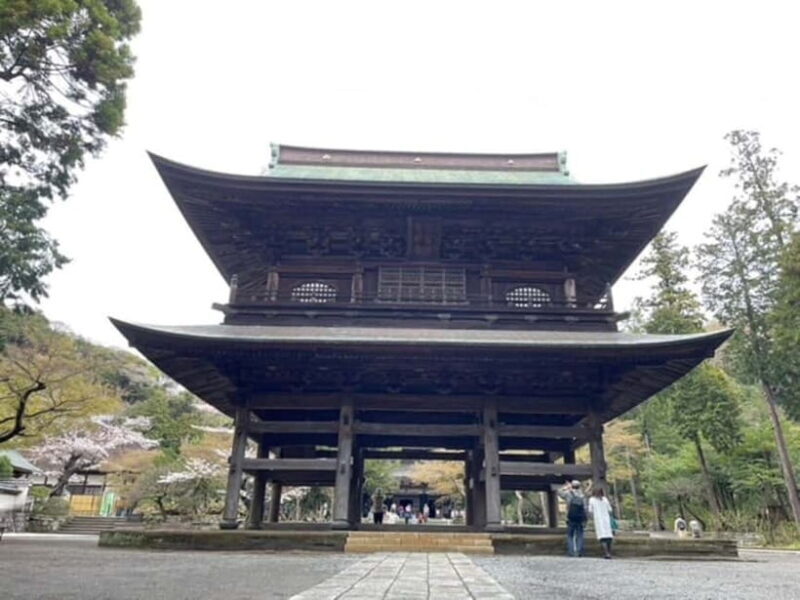
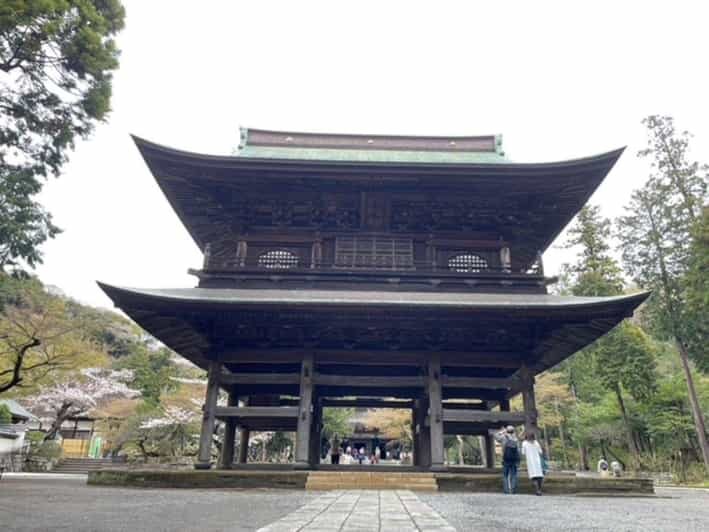
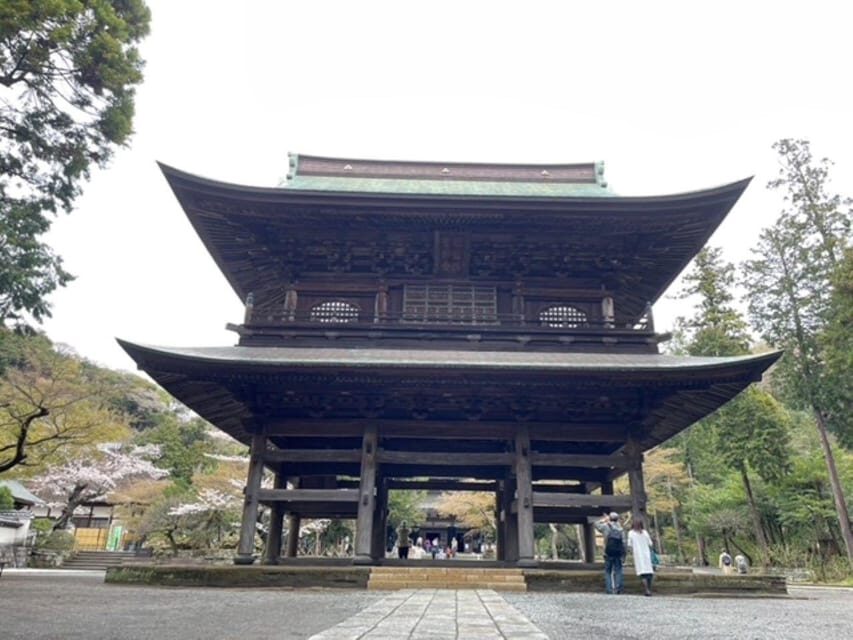
Enkaku-ji, built over 800 years ago, is a tranquil place that offers a glimpse into Zen Buddhist practices. You’ll enter through the impressive Sanmon Gate, which sets a tone of reverence and history. Inside, the Butsuden (Buddha Hall) houses a serene Buddha statue, inviting reflection.
A highlight is the Hatto (Dharma Hall) with its striking ceiling painting of a dragon, a detail praised by visitors for its artistry. Climbing the 135 stairs to the Bonsho (Temple Bell) offers a rewarding view and a chance to see a national treasure — the ancient bell that’s over eight centuries old.
Visiting Kencho-ji, Kamakura’s Most Prestigious Zen Temple
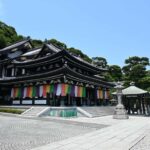
Next, you’ll venture to Kencho-ji, the oldest Zen temple in Kamakura, which looms impressively over the city. Here, the scale of the temple complex — including grand Sanmon Gates and expansive halls — provides an even deeper dive into Kamakura’s spiritual history.
Note: The Butsuden at Kencho-ji is currently under maintenance until 2027, but the other temple features remain captivating. From this site, you gain a sense of the grandeur and importance of Zen Buddhism during Kamakura’s feudal era.
More Great Tours NearbyThe Symbolic Tsurugaoka Hachimangu Shrine
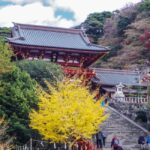
Your walk continues uphill to Tsurugaoka Hachimangu, the shrine dedicated to Hachiman, Japan’s deified protector of the samurai. Built to demonstrate the power of Kamakura’s first shogun, it’s a site that exudes majesty and historical significance.
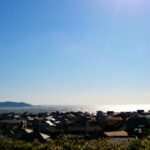
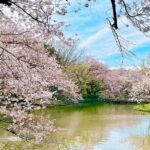
The Dankazura, a 450-meter-long pedestrian walkway lined with cherry blossoms (season permitting), connects the shrine to the city. Walking this path, you’ll understand why it was constructed by the first shogun to pray for his lineage and prosperity. From the hilltop shrine, the panoramic views of Kamakura are breathtaking, making it a perfect spot for photos and reflection.
The Art of Kamakura Lacquerware
A special feature of this tour is a visit to the Kamakura Lacquerware Museum. This craft, certified by METI, boasts over 800 years of tradition, originally created by Buddhist sculptors. As noted by visitors, Kamakura Lacquerware became more accessible during the Edo period, evolving from ritual objects to daily use items like tea utensils.
You’ll see pieces from the Muromachi period (1336-1568) to contemporary creations, gaining an appreciation for the skill involved. This stop enriches your understanding of Kamakura’s artistic legacy, and many visitors find it a surprisingly moving experience.
Practical Aspects of the Tour
The duration is approximately 3 hours, making it a manageable but content-rich experience. The admission fee for the museum is included, but expect to pay around 500 yen for temple entry fees—each temple you visit costs roughly that amount.
The tour operates rain or shine, so dressing appropriately is key. Comfortable shoes are a must since there are stairs, hills, and uneven paths. Bringing water, hats, and cash for small entrance fees or souvenirs is also recommended. The guide provides a detailed, engaging commentary, making the experience both educational and entertaining.
What Travelers Say
Reviews consistently praise the knowledgeable guides, often mentioning guides like Yurie, who combines deep historical insights with friendly storytelling. Several reviewers highlight the peaceful atmosphere of Kitakamakura and the Zen temples, describing their visits as calming and reflective.
Reviewers also appreciate the value for money, noting that the combination of temple visits, cultural insights, and the lacquerware museum makes the $47 fee well worth it. Many mention how the tour helped them grasp the importance of Kamakura in shaping Japan’s samurai culture and religious traditions.
Who Will Love This Tour?
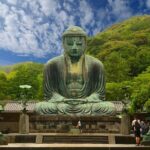
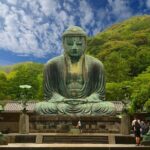
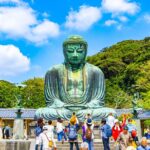
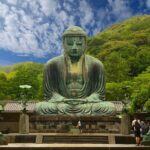
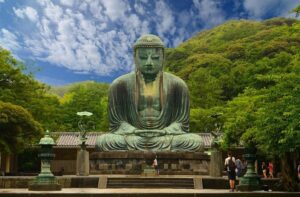
This walking tour is perfect for those eager to explore Japan’s feudal and spiritual past in a compact, well-organized package. It’s ideal for history enthusiasts, art lovers, and anyone wanting a deeper understanding of Kamakura beyond its famous Great Buddha.
Because of the walking involved and stairs at temples, it’s best suited to travelers who are reasonably mobile. Tourists who enjoy guided storytelling, scenic strolls, and traditional crafts will find this experience especially rewarding. It also offers a great opportunity to combine cultural education with relaxed sightseeing.
Final Thoughts
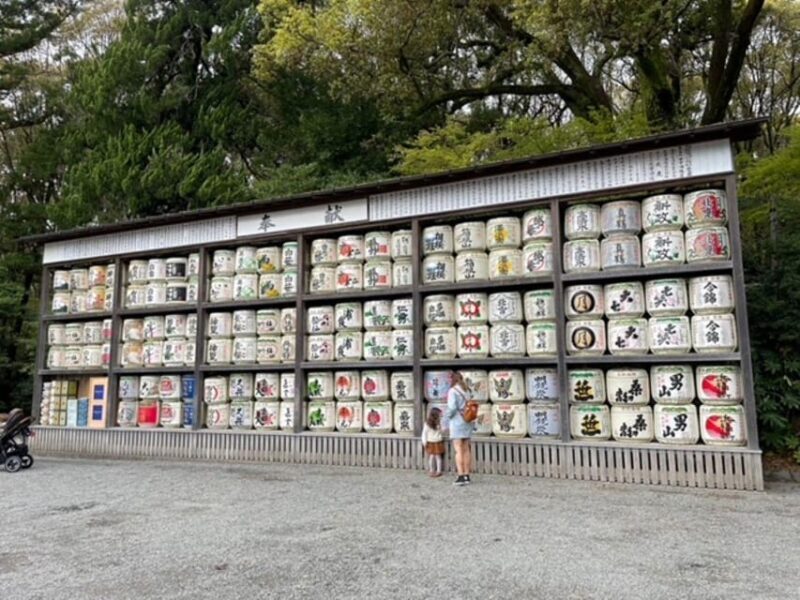
This Kamakura tour strikes a balance between history, spirituality, and craftsmanship, offering a uniquely enriching experience for visitors. For a reasonable price, you’ll see some of Japan’s most important religious sites, enjoy stunning views, and gain insight into traditional arts that have been preserved for centuries.
If you’re interested in Japan’s samurai history, Zen Buddhism, or traditional lacquerware, this tour offers a comprehensive and memorable day out. It’s a perfect way to connect with Kamakura’s authentic spirit while enjoying the scenic beauty and cultural richness of this historic city.
FAQs
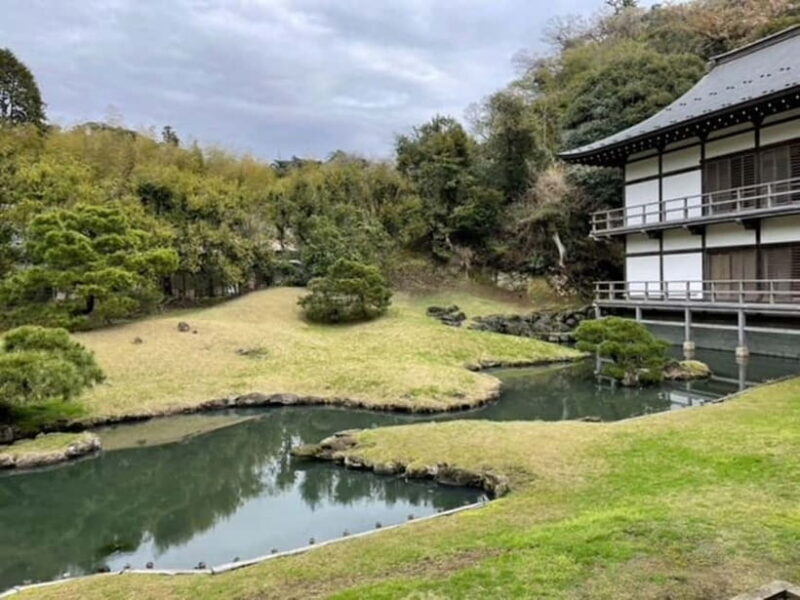
Is this tour suitable for children?
While it’s a walking tour that includes stairs and uneven paths, children with good mobility will likely enjoy the experience. It’s best to check with the provider for age restrictions or considerations.
How long does the tour last?
The guided experience lasts about 3 hours, making it a half-day activity ideal for fitting into a broader Japan itinerary.
Are there any meal options included?
No, this tour does not include food or drinks. However, after the tour, you’ll have time to explore local eateries or shops.
What should I wear?
Comfortable shoes are essential, given the walking and stairs. Dress weather-appropriately, and bring hats and water, especially in summer.
Are temple admission fees included?
No, entrance fees are approximately 500 yen per temple and are paid separately. The museum visit, however, is included in the tour price.
Is the tour available in languages other than English?
Currently, the tour is offered in English, with guides like Yurie who speak fluent native-level English.
Can I cancel if I change my plans?
Yes, cancellations are accepted up to 24 hours in advance for a full refund, providing flexibility if your schedule changes.
Is there any transportation involved?
The tour starts and ends at Kita-Kamakura Station, with no additional transportation required besides walking.
Would you recommend this tour overall?
Absolutely. It offers a well-rounded, insightful look at Kamakura’s spiritual and cultural sites, led by passionate guides and at a very reasonable price.