
If you’re craving an experience that combines history, spirituality, and coastal charm without the overwhelming crowds, a guided tour through Kamakura might just be your perfect fit. This tour offers a thoughtfully curated day exploring one of Japan’s most storied cities, once the first samurai capital, and still a hub of cultural and religious significance.
What makes this experience shine? First, you’ll enjoy a knowledgeable guide who brings Kamakura’s history to life with engaging stories. Second, the combination of iconic sights like the Great Buddha and serene temples makes for a visually stunning day. Third, the inclusion of authentic Japanese cuisine, especially the vegetarian Buddhist “shojin-ryori,” adds a delicious local touch.
The only thing to consider is the walking involved—this is a mostly walking tour with some public transit, so a reasonable level of mobility is helpful. Otherwise, it’s a flexible and accessible way to see Kamakura’s highlights without the stress of planning logistics yourself.
This tour suits history buffs, culture lovers, and anyone interested in authentic experiences that go beyond the typical tourist trail. It’s also great for those who appreciate a relaxed pace with plenty of time to take photos and absorb the atmosphere.
- Good To Know
- A Detailed Look at the Kamakura Tour Experience
- Starting Point and First Impressions
- Visiting Engaku-ji Temple — Zen and Serenity
- Tokei-ji and Its Female Pilgrims
- Lunch – Vegetarian “Shojin-ryori”
- Tsurugaoka Hachimangu Shrine — Political and Cultural Heart
- Ktoku-in and the Great Buddha
- Enoshima Island — Coastal Charm (Only on the Full-Day Tour)
- Transport and Pace
- The Value of This Tour
- Practical Tips
- Who Is This Tour Best For?
Good To Know
.jpg)
- Expert Guide: The tour is led by a knowledgeable guide who shares engaging stories about Kamakura’s history and culture.
- Comprehensive Itinerary: Highlights include Zen temples, shrines, the Great Buddha, and Enoshima Island.
- Authentic Food: Enjoy traditional Buddhist vegetarian cuisine, often difficult to find on your own.
- Flexible Duration: Ranges from 4 to 8 hours, allowing you to customize your experience.
- Easy-Paced Walking: Designed to be manageable with breaks and public transport, ideal for most travelers.
- Authentic Experience: Small groups or private options ensure a more personal, tailored visit.
A Detailed Look at the Kamakura Tour Experience
.jpg)
Starting Point and First Impressions
The tour begins conveniently outside the East Exit of Kita-Kamakura Station, a straightforward spot that makes meeting your guide easy. From there, your journey into Kamakura’s past begins, with the guide setting a friendly and engaging tone early on.
Visiting Engaku-ji Temple — Zen and Serenity
The first stop is the Engaku-ji Temple, one of Japan’s most significant Zen temples. Here, we loved the way the guide explained Zen Buddhism’s influence on Japanese society, art, and politics, making the spiritual practices approachable. The temple’s tranquil grounds and historic architecture make it a peaceful first impression, perfect for soaking in Kamakura’s spiritual essence.
Tokei-ji and Its Female Pilgrims
Next, a quick stop at Tokei-ji, a former nunnery and pilgrimage site for women. Reviewers note that this site offers a glimpse into women’s religious history in Japan, adding depth to the overall experience. It’s a brief visit but one that enriches your understanding of Kamakura’s diverse spiritual landscape.
More Great Tours NearbyLunch – Vegetarian “Shojin-ryori”
For lunch, the tour offers a chance to sample shojin-ryori, the Buddhist monks’ vegetarian cuisine. Reviewers appreciate this aspect, with one reviewer mentioning a gluten-free option catered to dietary restrictions, highlighting the guide’s attentiveness. This meal is more than just food; it’s an immersive taste of monastic life, serving dishes that focus on fresh, seasonal ingredients.
Tsurugaoka Hachimangu Shrine — Political and Cultural Heart
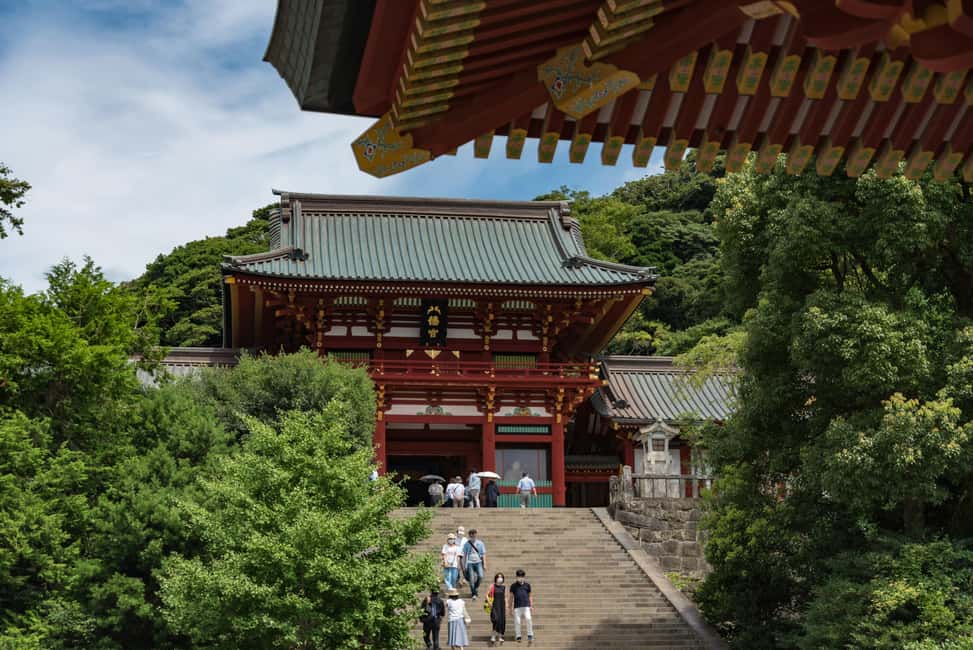
After lunch, you’ll visit Tsurugaoka Hachimangu, Kamakura’s most prominent shrine. Our guide emphasized its role during the Kamakura Period and shared stories about the shrine’s significance in Japanese culture. Walks through the large, bustling grounds offer plenty of photo opportunities, and the atmosphere is lively yet reverent.
Ktoku-in and the Great Buddha
Next, the iconic Great Buddha of Kamakura at Kamakura Kōtoku-in provides a jaw-dropping view—one of the largest Buddha statues in Japan. Reviewers consistently mention that the statue’s size and peaceful expression are breathtaking. The guide also explains the different sects of Buddhism represented, making the visit both educational and inspiring.
Enoshima Island — Coastal Charm (Only on the Full-Day Tour)
The final highlight on the 8-hour tour is Enoshima Island, a short train ride away. Once a sacred site, it’s now a lively area full of shops, temples, and beautiful seaside views. Reviewers rave about the sunset views from Enoshima, which add a magical touch to the day. The island offers a perfect mix of natural beauty and cultural spots, making it an ideal end to the day.
Transport and Pace
Throughout the day, the tour makes excellent use of public transportation, minimizing walking fatigue. Timings are well-organized, with enough breaks so you can enjoy each site without feeling rushed. As one reviewer said, “John knew how to navigate the transit system and adjusted the schedule to fit what we wanted to see.” The group size tends to be small or private, allowing for personalized attention and flexibility.
The Value of This Tour
At $35 per person, this tour offers remarkable value. For that price, you not only gain access to some of Kamakura’s most significant sites but also benefit from expert guiding that deepens your understanding of history and religion. The inclusion of a traditional vegetarian meal adds an authentic, cultural layer that’s often overlooked in standalone sightseeing options.
Reviewers consistently praise the guide’s knowledge, storytelling, and ability to make complex topics accessible. One shared that their guide, John, “had a strong energy and impressive knowledge about Japanese history,” making the experience lively and engaging. The small group or private setup ensures a more intimate exploration, ideal for those who prefer a tailored experience.
Practical Tips
- Wear comfortable shoes, as there’s a good amount of walking involved.
- Carry some cash for small purchases or tips—some sites or cafes might not accept cards.
- If you have dietary needs, communicate with the guide beforehand; gluten-free options are available.
- The tour is not suitable for those with mobility impairments or wheelchair users, due to the walking and terrain.
Who Is This Tour Best For?
.jpg)
This experience suits travelers who want more than just sightseeing—they appreciate stories, context, and cultural depth. History buffs will enjoy the detailed explanations of Kamakura’s significance, while food lovers will relish the chance to try authentic Buddhist cuisine. It’s also perfect for those who prefer a leisurely pace, with enough time to take photos and soak up the atmosphere.
If you’re keen to see Kamakura’s highlights without the hassle of planning transport or figuring out an itinerary, this guided tour offers convenience and insight. It’s especially ideal for small groups or individuals who seek a personalized, engaging experience.
This Kamakura tour offers a well-balanced mix of history, culture, and natural beauty, all delivered by a guide who genuinely cares about sharing Japan’s stories. The inclusion of authentic food and a flexible itinerary make it stand out among typical day trips from Tokyo. The manageable walking and transport arrangements make it accessible for most travelers, while the small group setting ensures a personal touch.
For anyone eager to explore Kamakura’s spiritual sites, historical monuments, and scenic beaches in one satisfying day, this tour is a smart choice. It’s particularly suited for curious travelers who value expert narration, authentic experiences, and a relaxed pace. Whether you’re a first-time visitor or a repeated Japan traveler, this journey through Kamakura promises a memorable glimpse into the country’s samurai past and sacred present.
How long does the tour last? It ranges from 4 to 8 hours, depending on your selected option, giving you flexibility to fit your schedule.
Is transportation included? The tour makes good use of public transit to get between sites, so expect bus rides and train segments as part of the journey.
Is the tour suitable for children or elderly? While the pace is manageable with breaks, it involves walking and some terrain; it’s best suited for those with moderate mobility.
Can I customize the tour? Yes, private or small group options are available, allowing some flexibility in the itinerary to suit your interests.
What should I wear? Comfortable walking shoes are recommended due to the amount of walking involved at temples, shrines, and on uneven terrain.
Are dietary restrictions accommodated? Yes, vegetarian shojin-ryori is part of the experience, and special dietary needs like gluten-free options can be arranged upon request.
What is the main highlight of the tour? Most travelers mention the Great Buddha and the serene temples as unforgettable sights, complemented by the engaging storytelling of the guide.
Is the tour suitable for solo travelers? Absolutely. Small group tours foster a friendly atmosphere, and private options are perfect for those wanting a more tailored experience.
You can check availability for your dates here: More Great Tours Nearby