- An Authentic Taste of Japan: Japanese Sweets Ohigashi Making with Tatedashi Matcha
- Good To Know
- The Experience in Detail
- The Introduction and Explanation
- Making Your Ohigashi
- Tatedashi Matcha – The Perfect Pair
- Options and Add-Ons
- Practical Details
- The Value
- Authenticity and Cultural Significance
- Who Should Consider This Experience?
- The Sum Up
- FAQ
- The Best Of Kyoto!
- More Dessert Tours in Kyoto
- More Tour Reviews in Kyoto
- Not for you? Here's more nearby things to do in Kyoto we have reviewed
An Authentic Taste of Japan: Japanese Sweets Ohigashi Making with Tatedashi Matcha
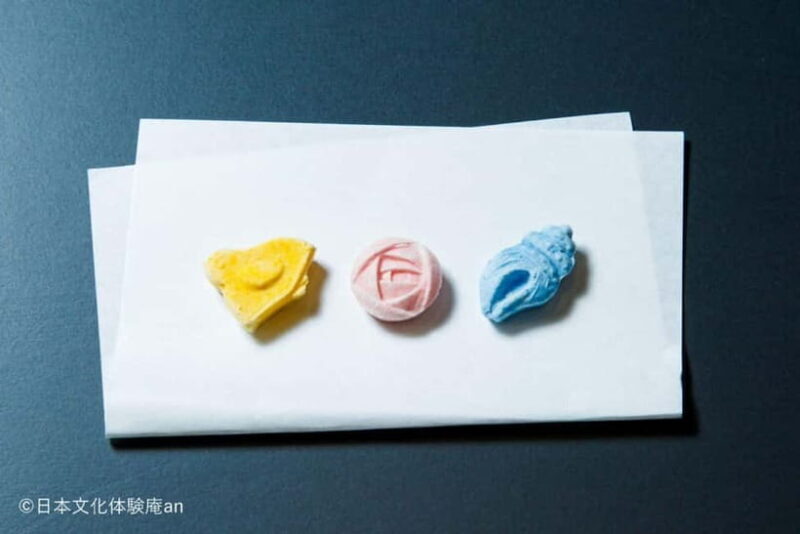
This review explores an engaging workshop where you get to craft traditional Japanese dried sweets (Ohigashi) using Wasanbon, a high-quality Japanese sugar. Offered by B.B. Advisors Inc. in Kyoto, this hands-on experience promises a blend of culinary fun and cultural insight—perfect for those curious about Japanese confectionery.
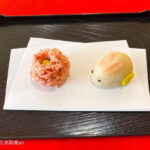
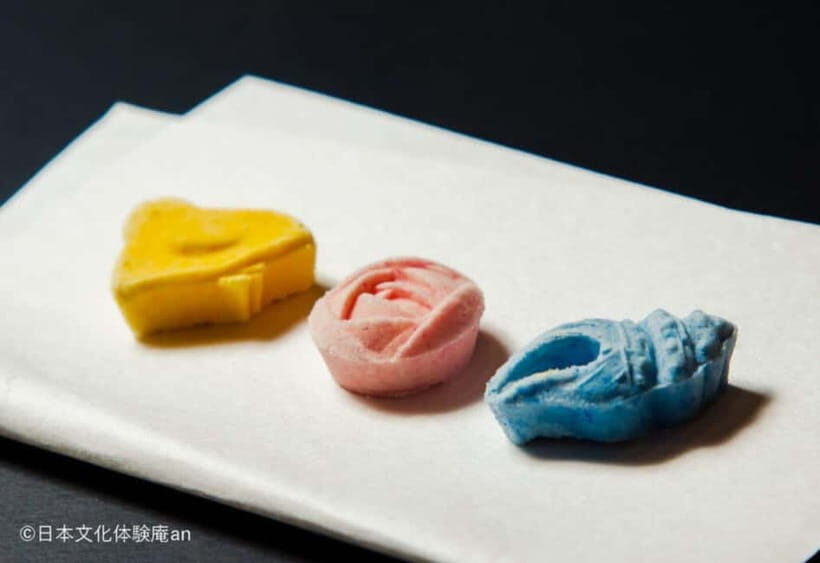
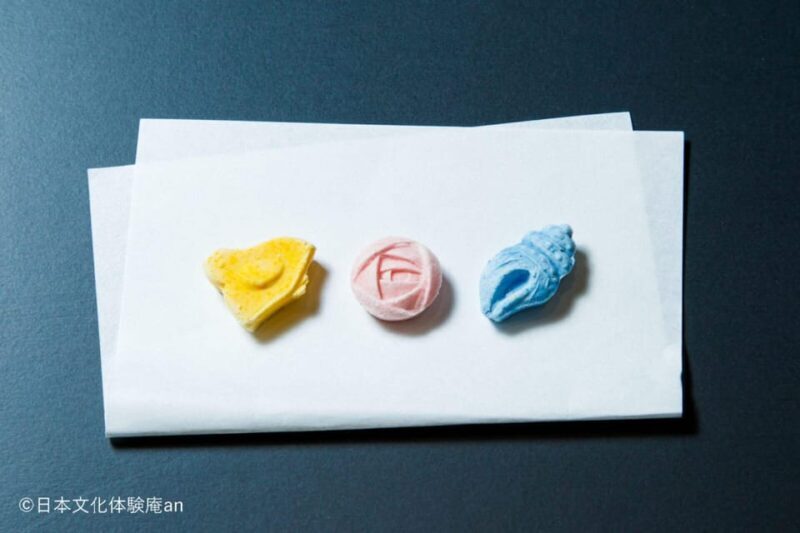
What we love about this experience? First, the opportunity to make 100% Wasanbon sweets from scratch is truly special—it’s a chance to taste a sweetness that’s seldom available outside Japan. Second, the use of adorable wooden molds for shaping your sweets adds a charming, personal touch, making each piece uniquely yours. Third, the inclusion of Tatedashi Matcha provides a sensory delight—its fluffy, smooth texture melts beautifully and offers a taste of traditional Japanese tea.
One consideration? The experience is conducted primarily in Japanese, with some English translation available, so language may be a barrier for non-Japanese speakers. Also, the session runs between 10:00 and 17:00, and punctuality is key—delays can’t be accommodated easily.
This tour suits travelers interested in Japanese culture, culinary arts, or those looking for a memorable, hands-on souvenir. Families, couples, or solo explorers eager to try their hand at traditional Japanese sweets will find it particularly rewarding.
You can check availability for your dates here:
👉 See our pick of the 25 Best Workshops And Classes In Kyoto
Good To Know
- Authentic Crafting: Make Ohigashi sweets out of Wasanbon, a premium Japanese sugar.
- Visual Appeal: Choose from cute wooden molds to shape your sweets, adding a personal touch.
- Flavor Experience: Taste freshly made sweets with a distinctive, mellow Wasanbon flavor.
- Tea Pairing: Enjoy Tatedashi Matcha, a fluffy, smooth green tea that complements the sweets perfectly.
- Cultural Insight: Experience traditional Japanese confectionery making firsthand.
- Value for Money: At $14 per person, this workshop offers a meaningful, interactive cultural activity.
You can also read our reviews of more tours and experiences in Kyoto

The Experience in Detail
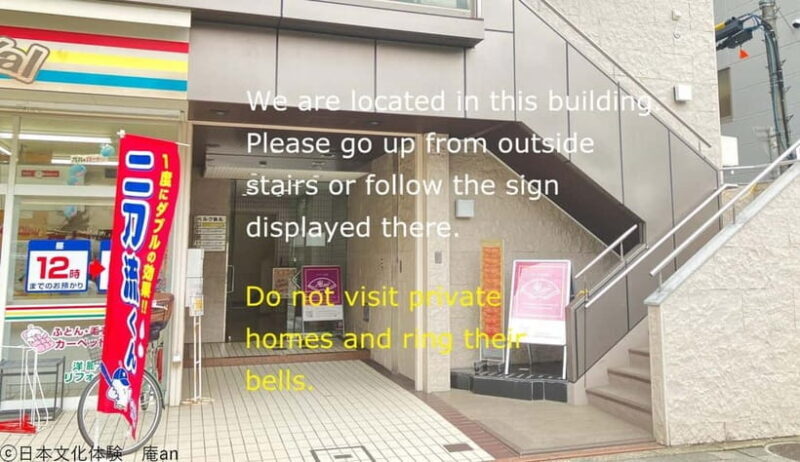
This Ohigashi making workshop is held in a conveniently located Kyoto venue, just a minute’s walk from Exit 1 of Gojo Station on the Subway Karasuma Line. The location facing the main street (Gojo-dori) makes it easy to find. The entire session lasts about 50 minutes, split between instruction, hands-on creation, and tasting.
The Introduction and Explanation
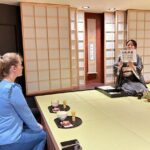
The experience kicks off with a brief overview of Japanese traditional sweets—focusing on the significance of Wasanbon in Japanese cuisine. You’ll learn that Wasanbon is a refined sugar produced in Japan, prized for its mellow, subtle sweetness and fine texture. The guide, likely in Japanese with some English support, will explain the steps you’ll follow, giving you context about the ingredients and the history behind these delicate confections.
Making Your Ohigashi
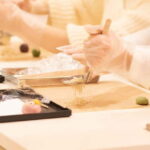
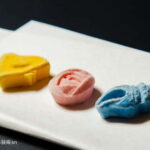
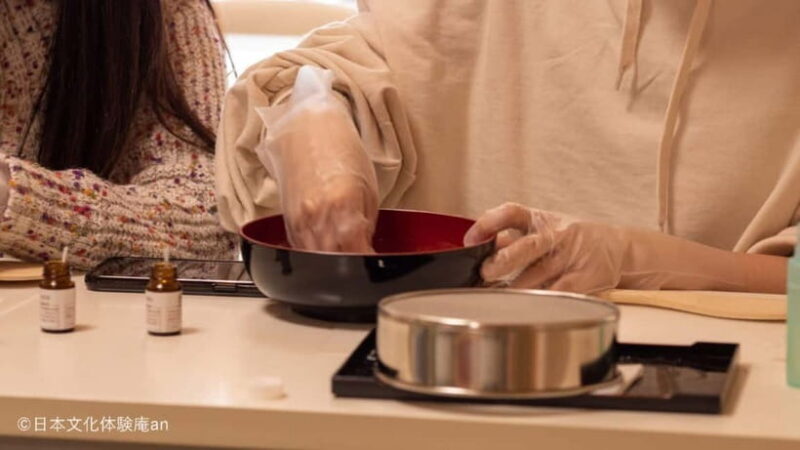
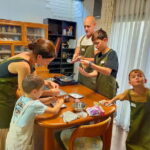
Next, you’ll get to select your preferred wooden mold from a variety of charming shapes—think cute animals or traditional motifs. With guidance, you’ll carefully shape the soft, freshly melted Wasanbon sugar into your chosen form. The process is straightforward and designed to be accessible, even for complete beginners.
The key here is to observe the quality of the Wasanbon—its melt-in-your-mouth texture and subtle sweetness are what set these sweets apart. The freshness is palpable; you’ll notice how the sugar melts smoothly on your tongue, offering a uniquely Japanese delicacy.
More Great Tours NearbyTatedashi Matcha – The Perfect Pair
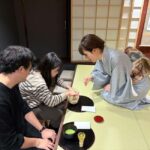
Once your sweets are shaped, you’ll enjoy Tatedashi Matcha—a traditional method of preparing matcha that results in a fluffy, smooth, and rich green tea. The lovely contrast between the sweetness of the Ohigashi and the slightly bitter, umami flavor of the Matcha creates a balanced tasting experience. The guide mentions that the Matcha is served at the end for about 30 minutes, giving you time to relax and savor your creations.


Options and Add-Ons
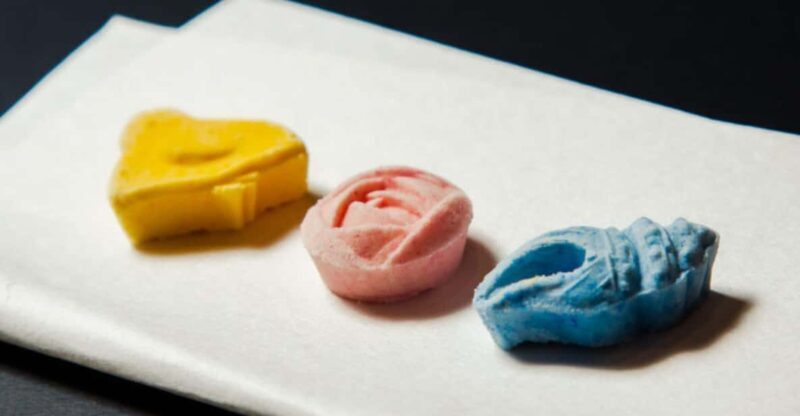
While the base experience costs $14, you can opt for an extra 200 JPY to make your Ohigashi colorful—adding a playful, visual element to your sweets. Plus, if you desire a certificate of participation, that costs an extra 300 JPY, providing a lovely keepsake of your culinary adventure.
Practical Details
The total duration, including explanation, making, tasting, and departure, covers around 50 minutes. The experience emphasizes hands-on involvement—you’ll be actively shaping your sweets, which makes for a memorable, engaging activity.
It’s important to note that stairs are involved, as there’s no elevator in the venue, which could be a consideration for travelers with mobility issues. The experience is primarily conducted in Japanese, but efforts are made to include English translation where possible.
The Value
For just $14, you receive a meaningful introduction to Japanese confections, the chance to create something beautiful and delicious with your own hands, and enjoy high-quality Wasanbon sweets that you can take home or eat on-site. The price seems very reasonable considering the craftsmanship involved and the cultural insight gained.
Authenticity and Cultural Significance
What makes this experience stand out is its focus on traditional Japanese sugar and sweets. Unlike typical tasting or demonstration tours, here you actively participate in the confectionery process. You’ll appreciate how Wasanbon is carefully crafted in Japan, and this workshop provides a rare opportunity to see, feel, and taste it in a direct way.
Many reviewers have highlighted the fun and approachable nature of the activity. One mentioned how making the sweets was “fun to make, cute to look at, and enjoy to eat,” reflecting the joy of creating edible arts. The guide’s explanations, although mostly in Japanese, help deepen your appreciation for the craft.
Who Should Consider This Experience?
This tour appeals most to those with a curiosity about Japanese culture and food, especially if you’re interested in traditional sweets or cooking experiences. It’s suitable for families (children under 2 sit on laps free of charge), couples, or solo travelers eager for a hands-on activity. If you want an authentic, intimate look at Japanese craftsmanship, this workshop ticks those boxes.
However, if language barriers are a concern or if you’re looking for a more in-depth, multi-step cooking class, you might want to consider other options. Still, the simplicity and charm of shaping your own sweets make this a charming and memorable activity.
The Sum Up
For travelers seeking a meaningful cultural activity that combines education, creativity, and tasting, this Japanese Sweets Ohigashi making workshop offers excellent value. The focus on Wasanbon, a high-quality, traditional sugar, ensures you leave with not only a souvenir but also an understanding of a key element of Japanese confectionery.
The inclusion of Tatedashi Matcha enhances the experience, offering a perfect pairing of sweets and tea. The opportunity to shape your own sweets using cute molds makes this activity both fun and personal—ideal for those who love hands-on experiences.
While it may not be suitable if you’re pressed for time or have mobility issues, overall, this experience provides a charming glimpse into Japan’s sweet-making heritage. It’s perfect for curious foodies, families, or anyone wanting a tasty, authentic, and interactive souvenir from Kyoto.
Japanese Sweets Ohigashi making with Tatedashi Matcha
FAQ
Is this experience suitable for children?
Yes, children sitting on their parents’ laps are free if under 2 years old. The activity is simple enough for kids to enjoy, especially with the cute molds.
Are there language barriers?
The main explanation is given in Japanese, but some English translation is provided to help non-Japanese speakers understand the process.
Can I customize the sweets with colors?
Yes, for an additional 200 JPY, you can make colorful Ohigashi, adding a playful aspect to your sweets.
What is included in the $14 price?
The price covers the making of Japanese dried sweets (Ohigashi) with Wasanbon and the tasting of Tatedashi Matcha. It’s a complete, all-in-one activity.
How long does the experience last?
The total activity time is about 50 minutes, including explanation, making, tasting, and departure.
Do I need to book in advance?
Yes, reservations are recommended, especially during busy seasons. You can cancel up to 24 hours beforehand for a full refund.
Is there any transportation advice?
The venue is just a minute walk from Exit 1 of Gojo Station on the Kyoto Subway Karasuma Line, making it very accessible.
Can I get a certificate of participation?
Yes, for 300 JPY, you can obtain a certificate to commemorate your experience.
This workshop presents a genuine and engaging way to connect with Japanese culinary traditions. Whether you’re a foodie, a culture enthusiast, or simply looking for a fun activity, it’s a worthwhile addition to any Kyoto itinerary.
You can check availability for your dates here: More Great Tours Nearby