- Japanese Soba Noodle Making Experience & Workshop in Kyoto
- Good To Know
- An In-Depth Look at the Soba Making Workshop
- What to Expect During the Experience
- Cutting and Cooking Your Noodles
- Savoring the Meal and Cultural Touches
- Authenticity and Cultural Context
- Small Group and Accessibility
- Price and Value Analysis
- What Previous Participants Say
- Why This Experience Works for You
- Who Will Love This?
- Who Might Want to Consider Other Options?
- FAQ
- Final Thoughts
- In summary, this soba-making experience is a delightful, educational, and delicious addition to any Kyoto trip. It balances skill-building with cultural insights, making it a meaningful and tasty adventure that you’ll remember long after the noodles are gone.
- The Best Of Kyoto!
- More Workshops & Classes in Kyoto
- More Tour Reviews in Kyoto
- Not for you? Here's more nearby things to do in Kyoto we have reviewed
Japanese Soba Noodle Making Experience & Workshop in Kyoto
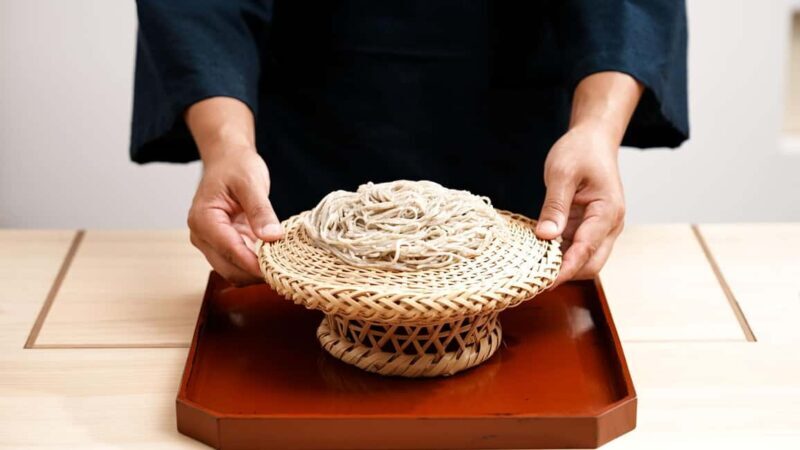
Embarking on a food-focused adventure in Kyoto, this Soba noodle making experience offers a chance to get your hands dirty while learning about a beloved Japanese staple. The workshop combines culinary skill-building with cultural insights, making it a compelling option for those curious about Japan’s culinary traditions.
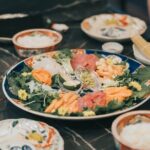
What makes this experience stand out? First, you’ll appreciate the expert guidance that helps even beginners craft perfect soba noodles. Second, the delicious meal of freshly made soba topped with various ingredients leaves you with a satisfying taste of authentic Japanese cuisine. Lastly, the traditional Kyoto sweets and matcha add a sweet finishing touch paired with a calming tea ceremony.
One aspect to consider is the duration—at just 1.5 hours, it’s a relatively short experience but packed with meaningful instruction and tastings. This means it fits well into a busy Kyoto itinerary. It’s best suited for travelers who enjoy hands-on cultural activities, food lovers, or those looking for a uniquely local experience that goes beyond just sightseeing.
You can check availability for your dates here:
👉 See our pick of the 25 Best Workshops And Classes In Kyoto
Good To Know
- Hands-on involvement makes the craft of soba noodles accessible for all skill levels.
- Cultural insights into Japan’s food traditions enrich the experience.
- The small group setting ensures personalized attention.
- Enjoying the freshly prepared soba with toppings highlights the quality and freshness.
- The tea ceremony with matcha and Kyoto sweets offers a peaceful cultural moment.
- The price of $126 provides good value for a comprehensive, immersive activity.
You can also read our reviews of more tours and experiences in Kyoto
An In-Depth Look at the Soba Making Workshop
What to Expect During the Experience
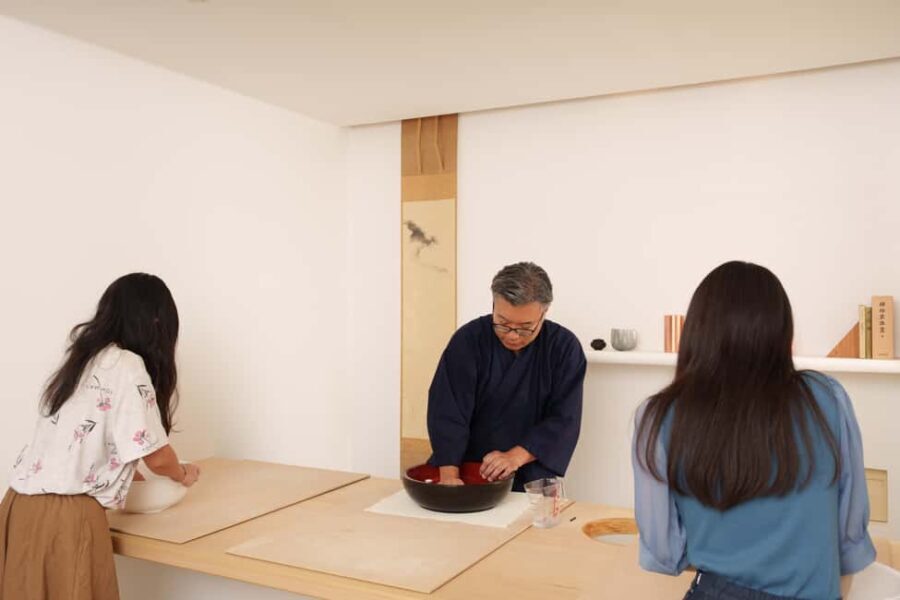
The workshop begins in a traditional setting, often with a beautiful garden and tea room that immediately transports you into Kyoto’s historic ambiance. Led by guides who speak both Japanese and English, the session balances instruction with casual conversation.
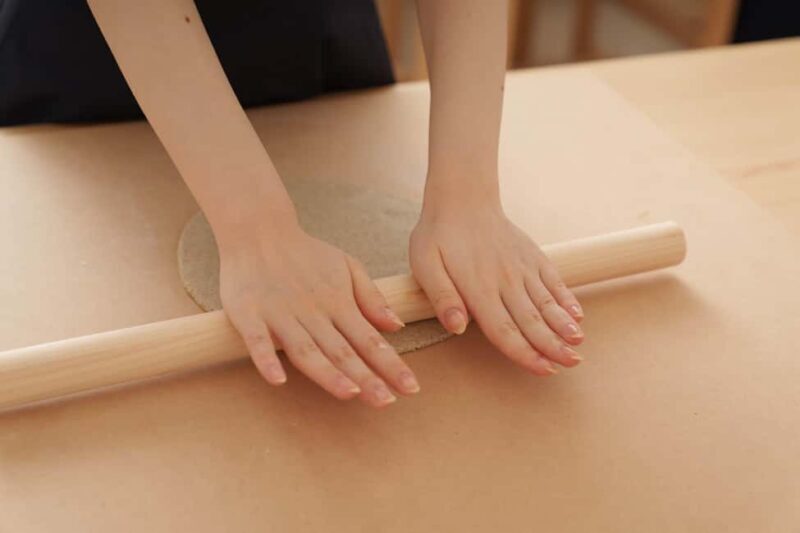
You’ll start by selecting high-quality buckwheat flour, which is key to good soba. The process involves kneading the flour into dough, a step that many find surprisingly engaging as you feel the texture change under your hands. The guides are attentive, explaining why this step matters and helping you avoid common pitfalls like over-adding water or tearing the dough.
Once kneaded, the dough is rolled out using a traditional rolling pin. The delicate task of rolling into thin sheets allows you to appreciate the craftsmanship behind each noodle. Many reviewers point out the care taken in this stage, with one noting how the process is done “at the customers’ pace,” which makes it approachable even for complete beginners.
Cutting and Cooking Your Noodles
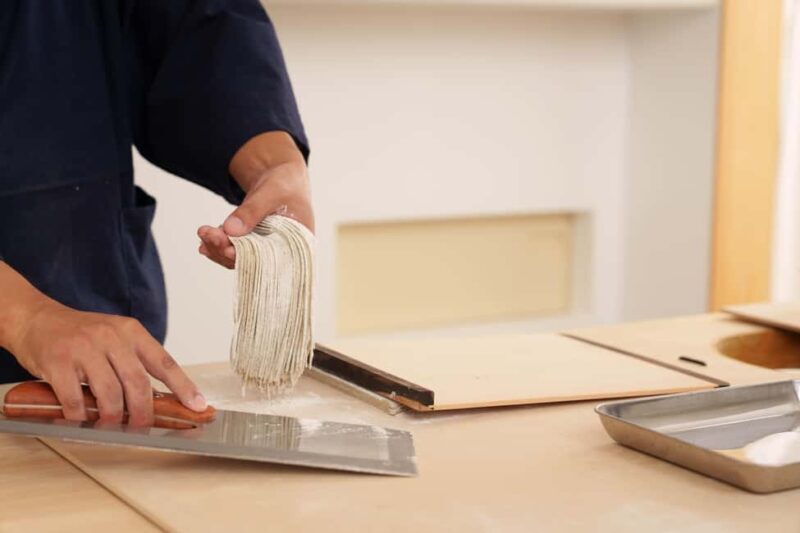
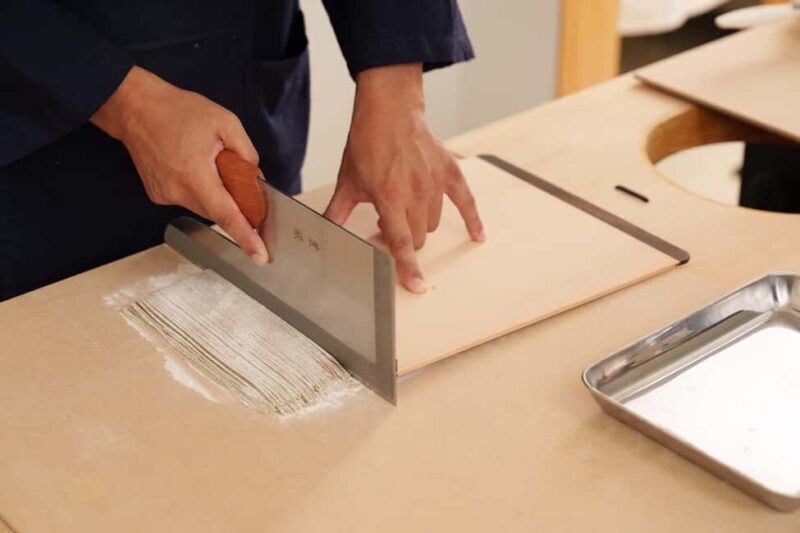
Next comes the moment of truth—cutting your soba into thin, even noodles using a special soba knife. This part is often a highlight, as participants learn how to handle the blade safely and skillfully, creating noodles that look both rustic and professional.
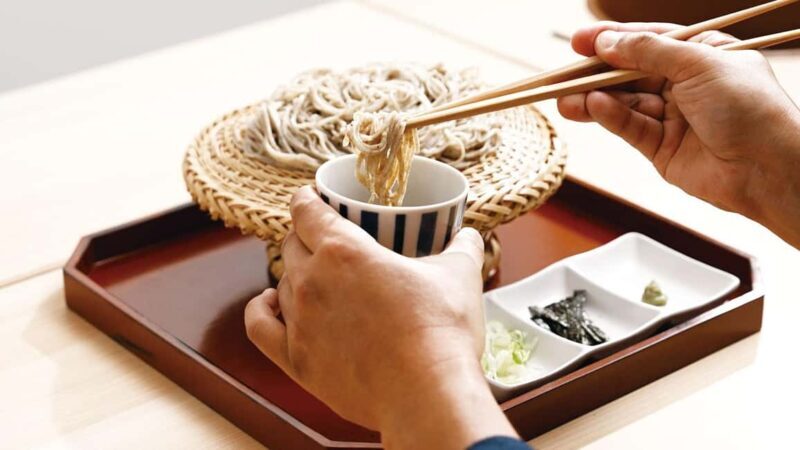
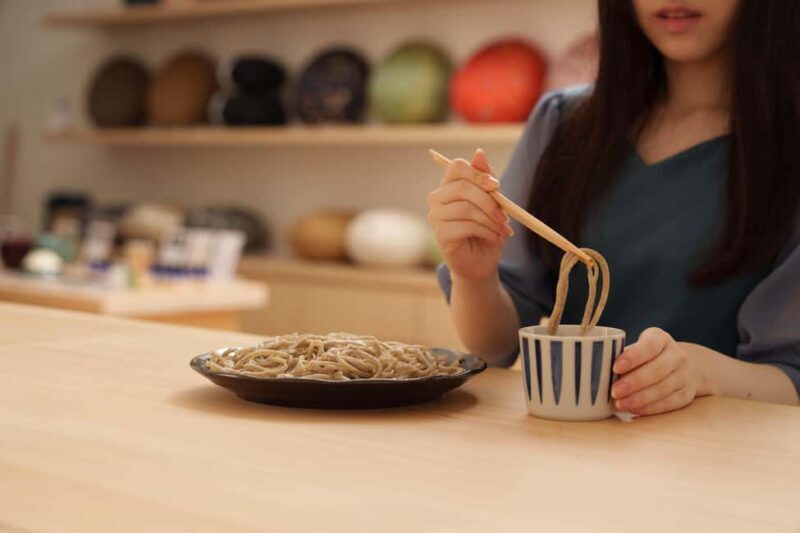
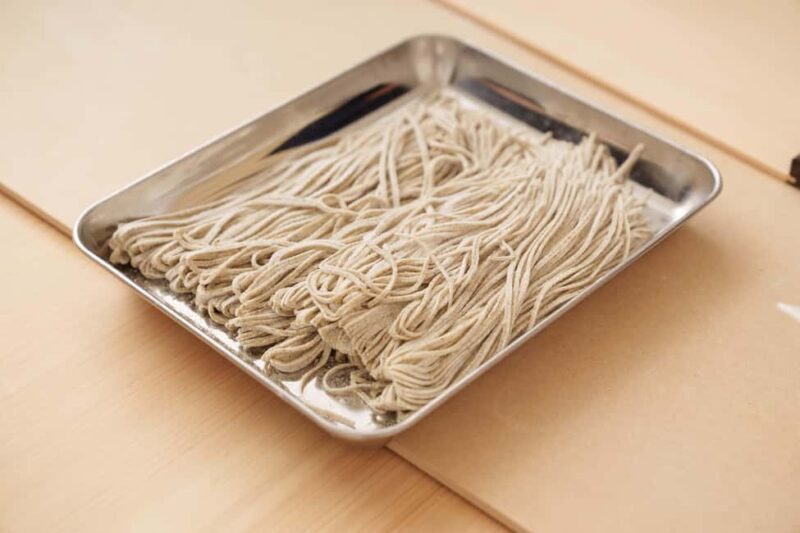
Once cut, the noodles are cooked in a large pot. You’ll experience how quickly soba cooks—just a few minutes—and then the fun begins: serving your noodles in various styles. Whether you prefer warm broth, chilled with a dipping sauce, or topped with ingredients like green onions, grated radish, or wasabi, the choices are plentiful. The freshness of your handmade noodles truly shines through in each bite.
More Great Tours NearbySavoring the Meal and Cultural Touches
After the cooking, you’ll sit down in a cozy, traditional space to enjoy your creation. This is the perfect moment to appreciate the balance of flavors in the soba, which is known for its nutty, earthy taste. The experience also includes a traditional tea ceremony, where you’ll savor a high-quality matcha paired with a Kyoto sweet. The tea room’s peaceful atmosphere enhances this calming conclusion to your hands-on activity.

Authenticity and Cultural Context
Throughout the process, guides share insights into the history and cultural significance of soba in Japan, emphasizing its status as a nutritious, versatile food. This contextual background helps deepen your appreciation and understanding of what you’re making—and eating.
Small Group and Accessibility
Limited to only 8 participants, this workshop ensures personalized attention and a relaxed vibe. According to a review, guests appreciated the intimate setting and the chance to learn at a comfortable pace. The venue is wheelchair accessible, making it inclusive for a wider range of travelers.
Price and Value Analysis
At $126 per person, this experience is a worthy investment, especially considering the quality of instruction, the freshly made noodles, and the culture. Compared to typical cooking classes, the inclusion of the tea ceremony and Kyoto sweets adds value, turning a simple cooking activity into a well-rounded cultural experience.
While the duration is only 1.5 hours, the depth of learning and enjoyment makes it feel substantial. You’re not just making noodles—you’re gaining a tangible skill and understanding of Japanese food culture, which could inspire future cooking adventures.
What Previous Participants Say
One guest from France described it as a “great cooking experience” with attentive hosts working at a relaxed pace, from kneading to cutting. They especially enjoyed the impressive soba knife and appreciated the personalized attention. Such comments highlight how the guides foster a friendly, engaging atmosphere.
Why This Experience Works for You
This workshop is perfect if you’re looking for a meaningful hands-on activity that combines culinary skills with cultural education. Food lovers, amateur cooks, or those interested in Japanese traditions will find this especially rewarding. It’s also suitable for travelers wanting a small-group, intimate setting with personalized guidance.
If you’re after a quick, memorable activity that leaves you with a new skill and delicious food, this workshop delivers on both counts. Plus, the setting—complete with traditional gardens and tea rooms—adds to the overall charm.
Who Will Love This?
- Travelers curious about Japanese food culture
- Those wanting a hands-on experience rather than just tasting
- Visitors looking for an authentic, intimate setting
- Food enthusiasts eager to learn practical skills they can replicate at home
- Guests interested in traditional Kyoto atmosphere and customs
Who Might Want to Consider Other Options?
- Those with very tight schedules might find the 1.5-hour format a bit brief
- Travelers seeking a more comprehensive or longer cooking class may prefer other options
- Guests with dietary restrictions should verify ingredients, though the workshop emphasizes quality ingredients
FAQ
Is the workshop suitable for beginners?
Absolutely. The guides pace the session so that even those with no experience can successfully knead, roll, and cut soba noodles.
Are the guides fluent in English?
Yes, the guides speak both Japanese and English, ensuring clear instructions and cultural explanations.
What should I wear or bring?
Comfortable clothing suitable for kneading and rolling dough is best. Aprons are typically provided, but it’s good to wear something you don’t mind getting a bit floury.
Is the workshop accessible for wheelchairs?
Yes, the venue is wheelchair accessible, making it inclusive for a wider range of travelers.
How many people participate in each session?
The experience is limited to small groups of up to 8 participants, fostering personalized guidance and a relaxed atmosphere.
What does the meal include?
Enjoy your freshly made soba with various toppings, complemented by a traditional Kyoto sweet and a cup of high-quality matcha during the tea ceremony.
Can I cancel if my plans change?
Yes, free cancellation is available up to 24 hours in advance, providing flexibility if your plans shift.
Is there a specific dress code?
No formal dress code—just wear comfortable clothes suitable for a hands-on cooking activity.
Final Thoughts
Choosing a soba noodle workshop in Kyoto offers more than just a cooking lesson; it’s a deep dive into Japan’s culinary soul wrapped in a peaceful, traditional setting. You’ll learn not only how to craft noodles but also gain insights into a food that’s central to Japanese life and culture. With expert guides, a cozy atmosphere, and a delicious meal, this experience provides excellent value for anyone eager to connect with Japan’s food heritage.
It’s particularly well-suited for those who love engaging activities that leave a tangible result—your own homemade soba—and a memorable cultural experience. Whether you’re a solo traveler, a couple, or part of a small group, this workshop promises an authentic taste of Kyoto’s culinary artistry.
You can check availability for your dates here: More Great Tours Nearby