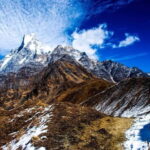
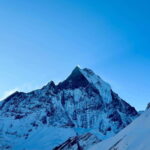
As the sun began to rise over the majestic peaks of the Himalayas, a group of intrepid climbers found themselves at the foot of Island Peak, ready to embark on an adventure of a lifetime. Little did they know that this journey would test their physical and mental limits, pushing them to the edge of their abilities.
Island Peak, also known as Imja Tse, stands tall at an elevation of 6,189 meters, offering a challenge that only the brave dare to conquer. With its rugged terrain, icy glaciers, and breathtaking vistas, this peak beckons adventurers from all corners of the globe.
But what lies ahead for those who dare to ascend? What obstacles will they face, and what rewards will they reap? Only time will tell.
- Good To Know
- Overview of Island Peak Climbing
- Best Time to Climb Island Peak
- Required Fitness Level for Island Peak Climbing
- Equipment and Gear for Island Peak Climbing
- Route and Itinerary for Island Peak Climbing
- Challenges and Risks Involved in Island Peak Climbing
- Accommodation and Food Options During Island Peak Climbing
- Cost and Booking Information for Island Peak Climbing
- Common Questions
- What Are the Visa Requirements for Climbing Island Peak?
- Are There Any Age Restrictions for Climbing Island Peak?
- Is It Necessary to Have Previous Climbing Experience to Attempt Island Peak?
- Are There Any Medical Considerations or Vaccinations Required for Island Peak Climbing?
- What Is the Average Success Rate for Reaching the Summit of Island Peak?
- The Sum Up
- The Best Of Kathmandu!
- More Tour Reviews in Kathmandu
- Not for you? Here's more nearby things to do in Kathmandu we have reviewed
Good To Know
- All ground transportation is provided by private vehicle throughout the program.
- A local licensed English-speaking trekking guide is included.
- Food, accommodation, salary, insurance, equipment, and medicine are provided for all staff.
- Necessary permits, taxes, and charges for trekking and climbing activities are included.
👉 See our pick of the 14 Best Shopping Tours In Kathmandu
Overview of Island Peak Climbing
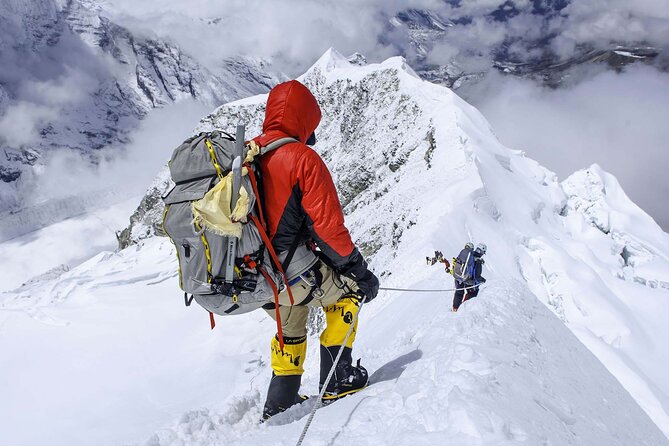
Island Peak Climbing offers an exhilarating adventure in the heart of the Himalayas, providing an opportunity to scale the majestic peak and embrace the breathtaking beauty of the surrounding landscapes.
With its soaring altitude of 6,189 meters, Island Peak is a popular destination for climbers seeking a challenging yet rewarding experience. The climbing routes to Island Peak vary, but the most commonly used route starts from Lukla and follows the stunning trail through the Khumbu region. This route offers breathtaking views of iconic peaks like Ama Dablam and Everest.
As for the difficulty level, Island Peak is classified as a challenging climb, requiring climbers to have prior mountaineering experience and a good level of physical fitness. However, with the necessary training and guidance from experienced guides, climbers can conquer this majestic peak and create memories that will last a lifetime.
You can also read our reviews of more tours and experiences in Kathmandu.
Best Time to Climb Island Peak
The ideal time to conquer the majestic peak of Island Peak is during the spring and autumn seasons when the weather conditions are favorable and offer the best climbing opportunities.
Spring (March to May): This is the most popular time for Island Peak climbing as the weather is mild and stable. The days are longer, providing ample daylight for climbing. However, there might be occasional snowfall.
Autumn (September to November): Another great time for climbing, with clear skies and moderate temperatures. The views are stunning, and the weather is generally stable.
During these seasons, the Island peak climbing weather is generally dry, with minimal rainfall and lower chances of snowfall. This makes the climbing conditions safer and more comfortable.
However, it’s important to note that Island Peak climbing difficulty can still be challenging, requiring technical skills and prior experience in mountaineering.
Required Fitness Level for Island Peak Climbing
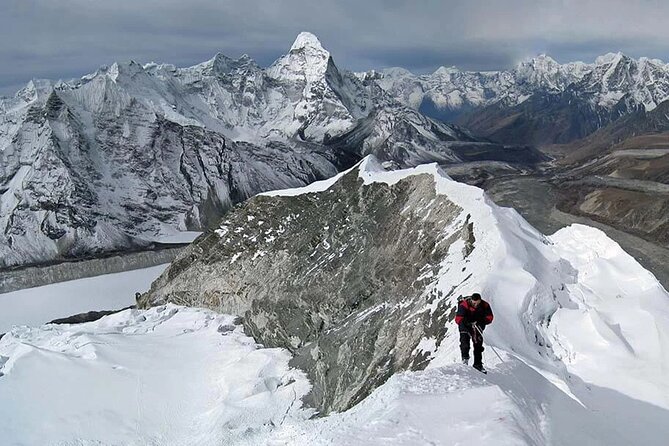
To successfully conquer the majestic peak of Island Peak, climbers must possess a high level of physical fitness and endurance. Island Peak climbing is a challenging endeavor that requires climbers to be in excellent shape to cope with the demanding terrain and altitude. The trek to Island Peak Base Camp involves long hours of walking and requires stamina and strength. Climbers will also face steep ascents, icy slopes, and potentially harsh weather conditions. Therefore, it is crucial to have a good fitness level to ensure a safe and successful climb. Below is a table summarizing the required fitness level for Island Peak climbing:
| Fitness Level | Description |
|---|---|
| Cardiovascular Endurance | Ability to sustain physical activity for extended periods of time |
| Muscular Strength | Ability to exert force and carry heavy loads |
| Balance and Coordination | Ability to navigate uneven terrain and maintain stability |
Equipment and Gear for Island Peak Climbing
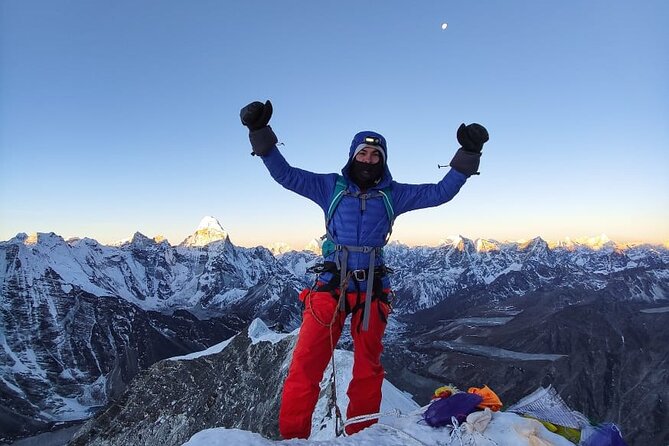
When embarking on the thrilling adventure of Island Peak climbing, climbers must ensure they’ve the necessary equipment and gear to conquer the challenging terrain and reach the majestic summit. Here are five essential items that climbers should consider:
Mountaineering Boots: Sturdy and insulated boots specifically designed for climbing are a must to provide stability and protect against cold temperatures.
Climbing Harness: A durable harness is essential for safety during steep ascents and rope work.
Ice Axe: An ice axe is crucial for navigating icy slopes and providing stability while ascending.
Crampons: These metal spikes attach to the boots and provide traction on icy surfaces.
Helmet: A sturdy helmet is necessary to protect against falling rocks and potential head injuries.
Along With having the right equipment, climbers should also undergo proper training and conditioning to prepare for the physically demanding climb. Regular cardio exercises, strength training, and practicing climbing techniques are recommended to build endurance and stamina for the expedition.
Route and Itinerary for Island Peak Climbing
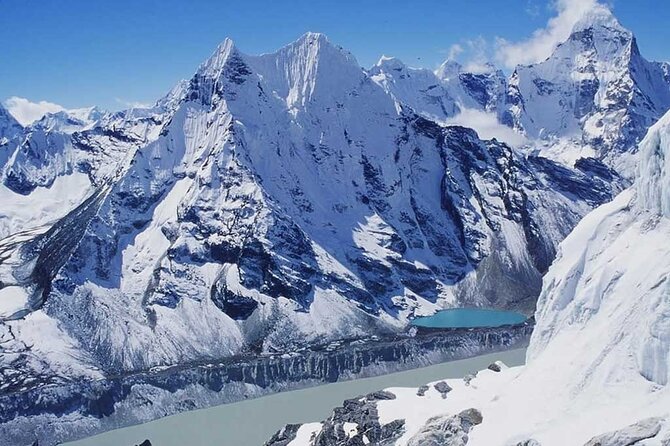
Embarking on the exhilarating journey of Island Peak climbing, adventurers will follow a thrilling route and carefully planned itinerary that will lead them to the majestic summit.
The route for Island Peak climbing begins with a scenic flight from Kathmandu to Lukla, followed by a trek to Namche Bazaar, the gateway to the Everest region.
From there, climbers will continue their ascent to Dingboche, where they’ll acclimatize before heading towards Island Peak Base Camp.
The climb to the summit involves navigating steep ridges, glaciers, and a challenging ice wall. The itinerary allows for ample rest and acclimatization days to ensure the safety and success of the climbers.
Prior training in mountaineering techniques and safety measures is essential for those attempting Island Peak climbing.
With proper preparation and a well-planned route, adventurers can conquer this iconic peak and experience the thrill of standing on its summit.


Challenges and Risks Involved in Island Peak Climbing
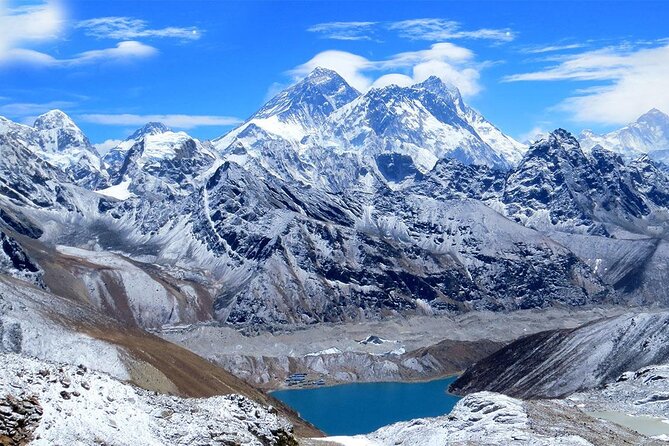
Climbing Island Peak isn’t for the faint of heart, as it presents a myriad of challenges and risks that adventurers must overcome to reach the summit. Safety measures and training requirements are essential to ensure a successful and safe climb.
Here are some of the challenges and risks involved in Island Peak Climbing:
Altitude sickness: The high altitude can cause various symptoms, including headaches, nausea, and difficulty breathing. Proper acclimatization and slow ascent are crucial to minimize the risk.
Harsh weather conditions: The mountain weather can be unpredictable, with sudden changes in temperature, strong winds, and snowstorms. Climbers must be prepared with appropriate clothing and equipment.
Technical climbing sections: Island Peak includes technical sections such as steep ice slopes and rocky terrain. Adequate training in mountaineering techniques is necessary to navigate these challenging sections.
Physical endurance: The climb requires a high level of physical fitness and stamina. Training should include cardiovascular exercises, strength training, and endurance activities to prepare the body for the demanding ascent.
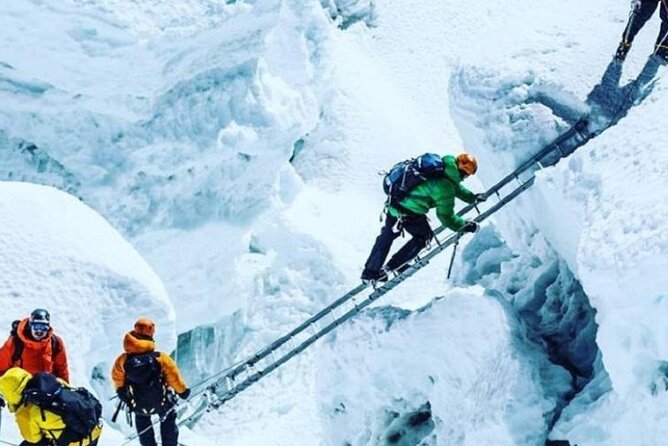
Glacier travel: Crossing glaciers involves navigation through crevasses and unstable ice. Proper roping techniques and knowledge of glacier travel are essential for safety.
Accommodation and Food Options During Island Peak Climbing
After conquering the challenges and risks of Island Peak Climbing, adventurers can look forward to comfortable accommodation and a variety of delicious food options as they rest and refuel for their next adventure. The accommodation options during Island Peak Climbing range from cozy teahouses to comfortable lodges. These establishments provide basic amenities such as beds, blankets, and hot showers, ensuring a good night’s sleep after a tiring day of climbing. As for food options, trekkers can indulge in a wide array of dishes, including local Nepalese cuisine and international favorites. From hearty dal bhat (rice and lentils) to mouthwatering momos (dumplings), there is something to suit every palate. The table below showcases some popular accommodation and food options available during Island Peak Climbing:
| Accommodation Options | Food Options |
|---|---|
| Teahouses | Dal Bhat |
| Lodges | Momos |
| Guesthouses | Fried Rice |
These options ensure that adventurers can refuel and recharge before embarking on their next thrilling expedition.
Cost and Booking Information for Island Peak Climbing
To embark on the thrilling adventure of Island Peak Climbing, adventurers can find all the necessary cost and booking information to plan their expedition. Here are some important details to consider:
Island Peak Climbing cost: The cost for Island Peak Climbing varies depending on the tour operator and the services included. It’s recommended to contact a reputable trekking agency in Nepal to get accurate pricing information.
Booking Information: To book a Island Peak Climbing expedition, adventurers should reach out to a trusted trekking agency in Nepal. They’ll provide information on available dates, required permits, and necessary equipment. It’s advisable to book well in advance to secure a spot, as Island Peak is a popular destination for climbers.
Permits and Fees: Island Peak Climbing requires a climbing permit, as well as trekking permits for the Sagarmatha National Park. These permits can be obtained through the trekking agency or the Nepal Tourism Board.
Accommodation: During the climb, climbers will stay in teahouses or tents, depending on the preference and availability. The trekking agency will arrange accommodation along the way.
Equipment: Climbers are required to have their own climbing gear, including crampons, ice axes, harnesses, and helmets. If needed, equipment can be rented in Kathmandu before the expedition.
Common Questions
What Are the Visa Requirements for Climbing Island Peak?
Visa requirements for climbing Island Peak include obtaining a trekking permit and a climbing permit. Age restrictions may apply, so it’s important to check the specific requirements before planning the climb.
Are There Any Age Restrictions for Climbing Island Peak?
There are age restrictions for climbing Island Peak, as it requires a certain level of physical fitness and climbing experience. It is important to be in good health and have prior mountaineering knowledge.
Is It Necessary to Have Previous Climbing Experience to Attempt Island Peak?
Previous climbing experience is necessary to attempt Island Peak. It is important to have the skills and knowledge required for such a challenging climb. Safety should always be the top priority when embarking on any climbing adventure.
Are There Any Medical Considerations or Vaccinations Required for Island Peak Climbing?
Travel insurance is highly recommended for Island Peak Climbing due to the potential risks involved. Plus, climbers should consult with their healthcare provider for any necessary vaccinations and be aware of the symptoms and prevention of altitude sickness.
What Is the Average Success Rate for Reaching the Summit of Island Peak?
The average success rate for reaching the summit of Island Peak is around 70%. Climbers face various challenges, such as altitude sickness and technical climbing sections, but with proper preparation and guidance, the summit can be achieved.
The Sum Up
To sum it up, Island Peak Climbing is an incredible adventure that offers breathtaking views and a thrilling experience for mountaineering enthusiasts.
With a comprehensive package that takes care of all the necessary arrangements, participants can enjoy a hassle-free and well-organized expedition.
From the stunning scenery of Nagarkot to the private vehicle transfer back to Kathmandu, this climbing experience promises to be a truly memorable journey.
So get ready to conquer the peak and create lifelong memories on Island Peak!