Ijen’s blue flames are the headline, but the real reward is the whole nighttime ascent: sulfur in the air, a high volcanic rim and, if the sky cooperates, a turquoise crater lake emerging at dawn. I like this trip for two practical reasons: hotel pickup saves you a complicated overnight drive, and a guide can help you handle a steep, dark trail safely.
The catch is the effort. From Surabaya or Malang, you spend many hours in a car before and after a strenuous hike, and the blue fire is never guaranteed. Go for the volcano itself, not for one photo or one brief flame.
- What to know before you book
- Why Ijen is more than a blue-flame stop
- The evening drive from Surabaya or Malang
- Paltuding at 2 a.m., preparation in the dark
- The uphill trail and the guide’s role
- Blue fire, sulfur and the crater rim
- Sunrise and the turquoise lake
- What the price includes, and what it does not
- Who should take this hike
- Practical details before you go
- Should you book the Ijen hike?
- FAQ
- How far is the hike to Ijen Crater?
- What time does the pickup start?
- Can I be sure I will see the blue fire?
- Are meals included?
- What should I wear?
- Who should not join this activity?
- The Best Of Banyuwangi!
- More Hiking & Trekking Tours in Banyuwangi
- More Tours in Banyuwangi
- More Tour Reviews in Banyuwangi
- Not for you? Here's more nearby things to do in Banyuwangi we have reviewed
What to know before you book
 1 / 4
 2 / 4
 3 / 4
 4 / 4
- The blue fire is a nighttime possibility, not a promise. It is best seen in darkness, generally between 2 and 4 a.m. Weather, volcanic activity, access rules and your pace all affect your chances.
- The climb is steep and roughly 3 kilometers each way. Expect sustained uphill walking, then a rocky descent if access to the blue-fire area is permitted.
- The drive is a major part of the trip. Surabaya and Malang pickups begin around 5 to 6 p.m., with the return to your hotel scheduled for about 9:30 a.m.
- A private tour includes transport, admission and bottled water. Meals, masks, gratuities, personal expenses and insurance are not included.
- Warm layers and trekking shoes matter. Bring gloves and a mask or scarf, and pack food for the overnight trek.
- The guide makes a real difference. Many trips have been praised for patient pacing and help on the trail, but basic English is the stated standard.

👉 See our pick of the 22 Best Tours In Banyuwangi
Why Ijen is more than a blue-flame stop
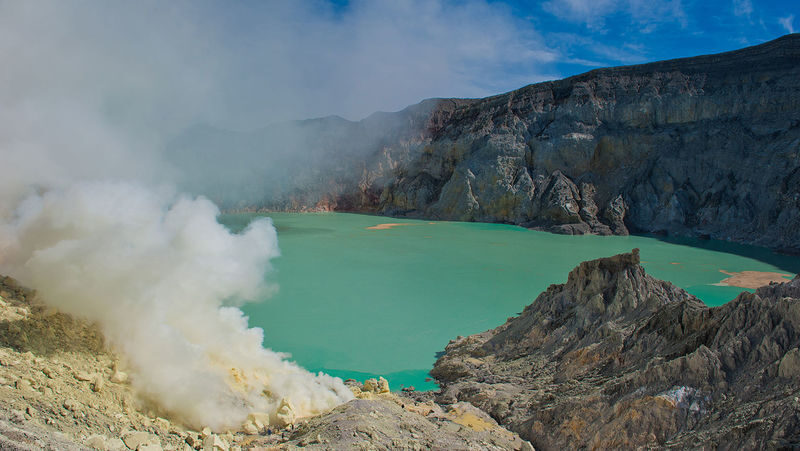
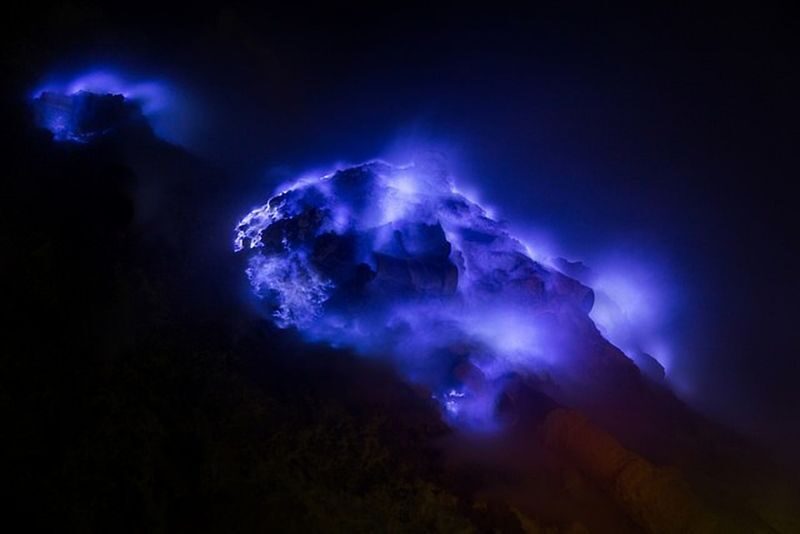
Ijen is a working volcanic landscape, not a staged light show. The blue flames come from sulfur gas burning at night, and the glow can be hard to see even when conditions are good. The crater lake, the sulfur fumes and the broad views from the rim give the hike value even if the flames stay hidden.
I like that the experience asks you to slow down and pay attention. You climb in darkness, with a headlamp lighting only the next patch of trail. Near the top, the air can carry a sharp sulfur smell, and the temperature may feel cold while you wait for daylight. It is a vivid contrast with Indonesia’s beach image, and one that rewards preparation more than bravado.
Still, keep expectations grounded. Blue fire visibility depends on darkness and conditions, and access can change for safety reasons. One trip may reach a viewpoint before dawn, while another may focus on sunrise or the crater from a permitted area. Ask the operator about current access and the planned route before setting out.
You can also read our reviews of more hiking tours in Banyuwangi


The evening drive from Surabaya or Malang
Pickup is listed between 5 and 6 p.m. from a hotel in Surabaya or Malang. The operator confirms your exact time in advance, and you should be in the lobby 10 minutes early. From either city, the drive to the Ijen trailhead can take about six hours or more. Traffic, road conditions and stops can stretch that considerably.
The car ride is not a small transfer tagged onto a hike. It is a long overnight journey, followed by a climb and another long drive back. Take a pillow if you have one, and use rest stops for food and toilets. Some routes include a dinner stop, but meals are not part of the package, so bring money and food rather than assuming a meal will be arranged.
The private format is useful here. You are not coordinating your own transport in the middle of the night, and the driver takes you to and from your hotel. It does not remove the fatigue, though. If you are also planning Mount Bromo, leave room to recover instead of stacking both volcanoes into one punishing stretch.
Paltuding at 2 a.m., preparation in the dark
The itinerary places you at Bumi Perkemahan Paltuding around 2 a.m. for preparation and a guided briefing. This is the trailhead area, where you get ready before starting uphill. You may find a food or coffee stall nearby, but do not rely on it as your meal plan. Pack food for the trek, with enough for the overnight outing, as required by the activity information.
Use this stop to check your layers, headlamp, footwear and mask. Warm clothing is useful before the climb and while waiting at the top, but you may heat up as you walk uphill. A light layer you can adjust is more practical than one bulky coat. Gloves, a head covering and trekking shoes are specifically recommended.
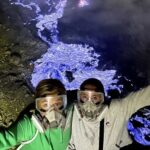
Masks deserve particular thought. Sulfur fumes can irritate your breathing and eyes, and the activity is not suitable for people with respiratory sensitivities. Some participants have paid locally to rent a gas mask, but that cost is not included. Ask in advance what equipment is supplied and what the current rental arrangements are. Do not count on a simple cloth mask to protect you from volcanic gas.
The uphill trail and the guide’s role
The hike from the entrance to the crater area is about 3 kilometers one way, with a sustained uphill section and some flatter ground. The route is described as suitable for beginners, but that does not mean it is easy. The slope can be steep, the terrain rocky, and the climb takes place in darkness after a long car ride. A reasonable walking pace and regular rests are better than racing to the top.
This is where a good guide matters. Guides on these trips have been praised for waiting for slower walkers, giving safety reminders, and helping with photos. Yudi and Dio are among the names associated with especially attentive outings, but the specific guide is not guaranteed. The stated language level for drivers and guides is basic English, so clarify important questions before departure and keep instructions simple on the trail.
One caution is worth taking seriously: not every guiding experience has been equally attentive. A guide who walks too far ahead can leave a tired hiker feeling isolated, which is a real safety concern on a dark trail. Stay in sight of your guide and group, speak up if you need a slower pace, and agree on where to regroup before the climb begins.
If you are considering a human-powered trolley service, treat it as a possible local option, not as an included feature or a complete solution. It may help with part of the uphill route, but it does not replace the walk down toward the blue-fire viewing area. The route is not recommended for anyone with impaired mobility or certain medical conditions, including high blood pressure or epilepsy. A health certificate is required and may be requested on the day.
Blue fire, sulfur and the crater rim
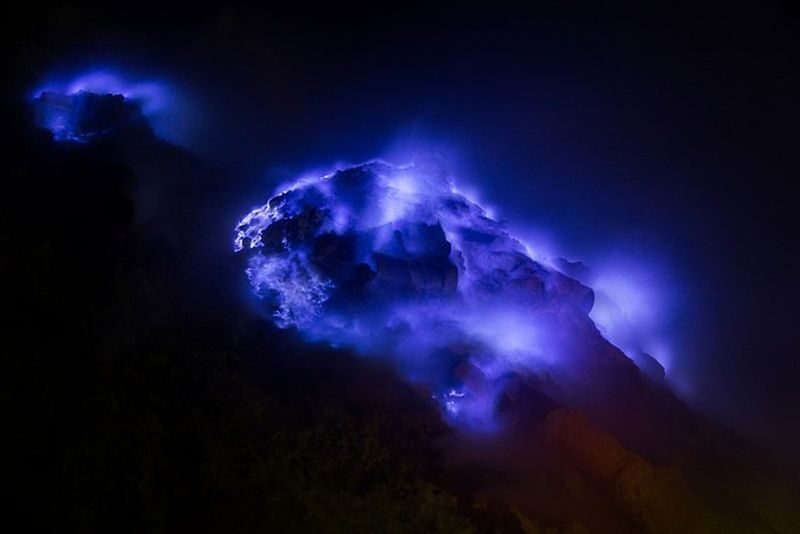
The blue flames are Ijen’s most unusual sight, but reaching a suitable viewing area involves more than walking to the summit. The phenomenon is visible only in darkness, and the descent toward it can be steep and rocky. Allow for careful footing, follow the guide and obey current restrictions. The tour information says you may go no closer than 1 kilometer from the crater edge and may not enter the crater or sulfur-mining area. Access rules can affect what you actually see.
That makes the blue fire a bonus, not a booking guarantee. Fog, rain, volcanic activity, a late arrival or a slower climb can limit the view. A past trip may have reached the area while another, under different conditions, may not. If the flames are not visible, there is still a striking volcanic setting to see, but it is fair to say that anyone booking solely for the blue glow takes a gamble.
Sulfur is part of the experience in a more immediate way, too. The smell can be strong, and it may irritate your eyes or breathing. Keep a suitable mask close at hand and do not push beyond your comfort or the guide’s safety advice. People with sensitive eyes or respiratory conditions should not take this hike.


Sunrise and the turquoise lake
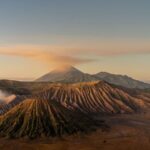
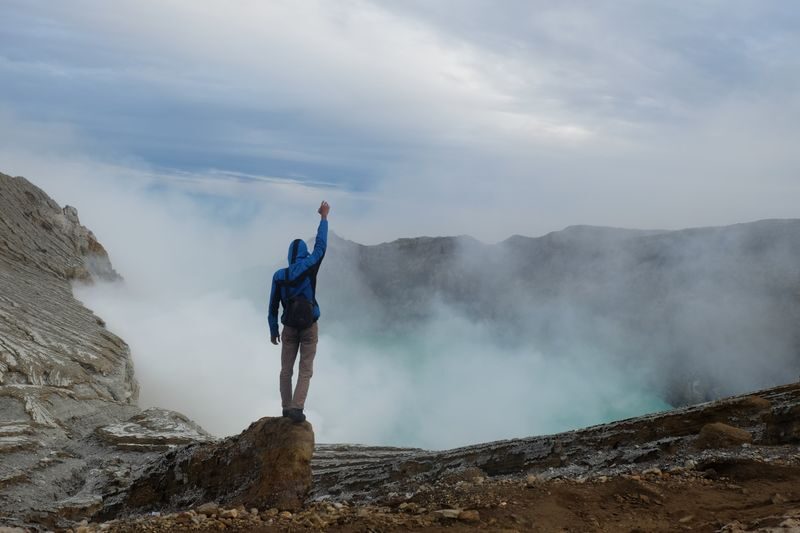
After the dark hours, daylight brings a different reward. From the crater rim, you may see Ijen’s acidic lake and, in clear conditions, other peaks in the Ijen range. The lake’s color and the surrounding volcanic terrain make the view worthwhile even if you miss the flames. Fog can hide the scenery for a while, so be patient, but know that weather can also prevent a clear view altogether.
The schedule places time at Ijen Crater around 6 a.m., with a return toward Paltuding at about 7 a.m. Actual timing can shift with traffic and weather. The itinerary should not be read as a promise of a long, leisurely sunrise stop. You are working within an overnight schedule, and the group’s pace and conditions shape how long you have at each point.
I like the change in mood: the climb begins as a test of stamina and turns into a scenic walk as the light arrives. But do not dress only for the hike. You may sweat on the way up and cool quickly when you stop. Keep a warm layer accessible instead of buried at the bottom of your bag.
What the price includes, and what it does not
The stated starting price is from $63.85, while the package details also show a private international-visitor option from $58.05. Prices can vary by package and booking conditions, so check the total shown for your date. A separate private tour from Surabaya with a Chinese-speaking guide is listed from $110.85.
For the base private tour, the value is mainly transport, admission, bottled water and a guide-led outing. Hotel pickup and drop-off are especially useful from Surabaya or Malang, where arranging a late-night drive yourself would add hassle. The private arrangement also means you are not dependent on a shared group’s transport schedule, though it does not shorten the journey or make the hike less demanding.
Budget separately for meals and beverages, tips, personal purchases and insurance. Gas-mask rental may also cost extra, and the activity does not include meals. If the operator asks you to buy gloves or a cap, remember that the listed essentials are recommendations, not proof that every item is necessary for every person. Bring suitable gear from home if you already own it.
The package’s price buys convenience, not certainty. You are paying for the chance to see a rare natural event and for help organizing a difficult overnight outing. The flames, sunrise and lake views all depend on conditions. If the blue fire is the only thing you want, the risk of disappointment is high; if the entire volcano experience appeals, the value is much stronger.
Who should take this hike
This outing suits you if you are reasonably fit, comfortable with a steep uphill walk and willing to spend much of the night in a car. It can work for a first-time hiker who prepares well, takes breaks and follows the guide. The activity allows participants aged 5 and up, but the minimum age does not mean the route is appropriate for every child. Consider stamina, sleep loss and the rocky terrain, not just the age rule.
It is a poor fit if you have a respiratory condition, sensitive eyes, impaired mobility or a medical condition that could make strenuous walking unsafe. It is also not available to Indonesian passport holders. If you are unsure about your fitness or health, get medical advice before booking, and confirm the required health certificate with the operator.
Plan your expectations around a long, tiring but distinctive outing. Drivers have been praised for punctuality and safe transport, while guides have often been appreciated for patient help, trail advice and photographs. But service can vary, and basic English may limit detailed conversation. The best protection is to make your needs clear before leaving and stay engaged with your guide throughout.
Practical details before you go
Wear trekking shoes with good grip, warm clothes, gloves and a head covering. Carry a mask suitable for the sulfur conditions, a headlamp if the operator does not confirm one is supplied, and enough food for the overnight trek. Keep your bag light: every extra item becomes part of the climb.
The tour can be canceled because of extreme weather or other unforeseen events. The schedule may change with traffic and weather, and the voucher is valid only for the date you select. Changes are allowed up to 24 hours before the activity in eligible bookings; some booking types are excluded. Check the terms attached to your specific package.
If pickup is outside the designated areas, an extra charge may apply. The driver waits up to 30 minutes after the selected pickup time, so be ready in the lobby. These details are easy to overlook when the real focus is the volcano, but a missed pickup is a poor way to start an overnight hike.
Should you book the Ijen hike?
Book this if you want a guided, transport-arranged way to experience Ijen’s steep night trail, sulfur scenery and sunrise views, and you can accept that blue fire is not guaranteed. I find the best reason to go is the full sequence: the dark climb, the volcanic air and the crater revealed by morning. The flames can make it extraordinary, but they should not be the only measure of success.
Skip it if you need a gentle outing, have a respiratory or mobility concern, or cannot manage a long overnight drive followed by a strenuous hike. If you do book, arrive rested, bring your own food and proper shoes, ask about mask arrangements and current access, and agree with your guide how to stay together. Those choices will do more for your experience than chasing one perfect photograph.
Ijen Crater Hiking Experience from Surabaya and Malang
“very good experience. the guide and the driver was very helpful and was able to give good service. all informations related to the trip was given i…”
FAQ
How far is the hike to Ijen Crater?
The route from the entrance to the crater area is approximately 3 kilometers each way. It includes a sustained uphill climb, some flatter ground and rocky terrain.
What time does the pickup start?
Pickups in Surabaya and Malang are scheduled between 5 and 6 p.m. The operator reconfirms your exact time in advance.
Can I be sure I will see the blue fire?
No. Blue fire is visible only in darkness, and weather, volcanic activity, access rules and walking pace can affect whether you see it.
Are meals included?
No. Meals and beverages are not included. You are required to pack food for the overnight trek.
What should I wear?
Wear trekking shoes and warm clothing, and bring gloves. A mask and scarf are recommended because it can be cold and sulfur fumes may be present.
Who should not join this activity?
The hike is not recommended for people with impaired mobility or certain medical conditions, including high blood pressure and epilepsy. People with respiratory conditions or sensitive eyes are not allowed to participate.