
If you’re visiting Japan’s Ibaraki Prefecture, a trip to Kairakuen is an absolute must. This garden isn’t just any green space; it’s one of Japan’s Three Great Gardens, renowned for its exquisite design, historical significance, and natural beauty. As part of a guided tour, you’ll get a chance to appreciate its carefully curated landscapes, learn about its fascinating past, and enjoy peaceful moments amid its lush scenery.
What makes this experience stand out are the insightful guides, the authentic atmosphere of the Edo-era design, and the opportunity to relax at the Kobuntei café with lovely views. However, keep in mind that the tour involves some walking through varied terrains, which might be a consideration for travelers with mobility issues. This experience is perfect for those interested in Japanese history, landscape design, or simply seeking a serene escape with a knowledgeable guide.
Ibaraki: Kairakuen, One of Japans Three Great Gardens
- Good To Know
- Starting Point and First Impressions
- Exploring Kairakuen’s Design and Significance
- Highlights of the Garden
- The Historical Role of Kairakuen
- Inside Kobuntei: A Cultural Retreat
- The Café Experience
- Practical Details
- Additional Insights from Reviews
- More Tour Reviews in Mito Japan
- Not for you? Here's more nearby things to do in Mito Japan we have reviewed
Good To Know
- Authentic insight into the history and design of Kairakuen from expert guides
- Beautiful landscapes including bamboo groves and plum orchards
- Historical structures like Kobuntei for cultural and culinary enjoyment
- Deliberate contrast in design, showcasing balance and harmony
- Accessible for most travelers, with some walking involved
- Good value considering the educational content, scenic beauty, and included break
If you’re someone who appreciates history, landscape architecture, and local culture, this tour offers a well-rounded experience packed into just an hour and a half. It strikes a balance between storytelling and sightseeing, allowing you to soak in the essence of this historic garden without feeling rushed.
You can also read our reviews of more tours and experiences in Mito Japan.

Starting Point and First Impressions
The tour begins at the Omote Gate of Kairakuen in Mito City. The guide, easily recognizable by a yellow sign, greets you ready to share their knowledge. You’ll immediately notice the garden’s prominent location in the city, yet once inside, you’re transported into a tranquil, timeless landscape.
Exploring Kairakuen’s Design and Significance
The guide shares that Kairakuen was established during the Edo period by Tokugawa Nariaki, the daimyo of Mito. Unlike many daimyo gardens that prioritized exclusivity, Nariaki envisioned a space for both ruler and common people, emphasizing openness and public enjoyment. This aspect makes Kairakuen unique among Japan’s top gardens, which often prioritized privacy and formality.
As you walk through the garden, you’ll notice how political ideals, cultural values, and aesthetic principles are woven into the landscape. The deliberate placement of trees, open plum orchards, and shaded groves reflect an intentional harmony that embodies balance and contrast—light versus shadow, openness versus enclosure.
Highlights of the Garden
Grove of Moso Bamboo: The towering bamboo stalks create rhythmic vertical lines that contrast beautifully with the soft, flowing curves of the plum orchards. The guide might mention how bamboo symbolizes resilience and strength in Japanese culture.
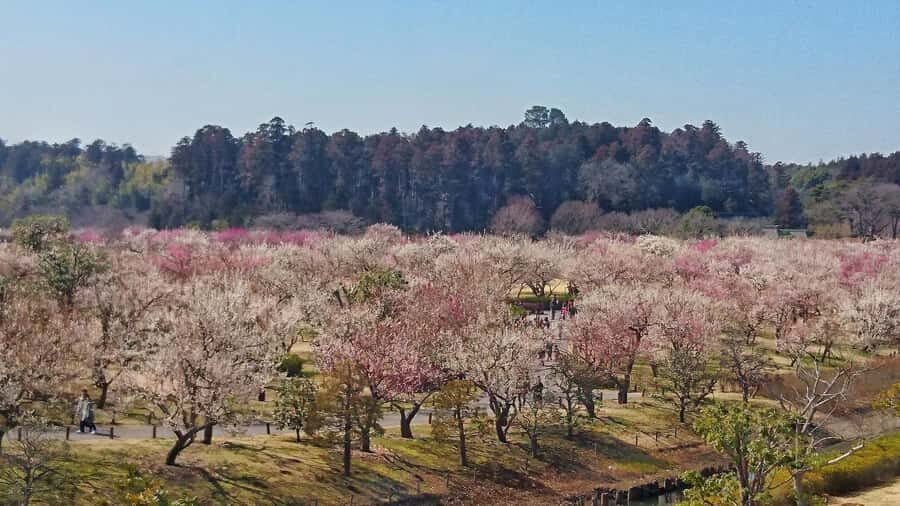
Plum Orchards: These are the highlight of early spring visits, when the blossoms turn the garden into a sea of pink and white. You’ll learn that plum trees in Japan are associated with perseverance, as they bloom in late winter, symbolizing resilience through hardship.
Wooded Areas: These shaded spots offer cool relief on warm days. The contrast between sunlit open spaces and shaded groves is a deliberate part of the design, reflecting the garden’s philosophical balance.
More Great Tours NearbyThe Historical Role of Kairakuen
Beyond its beauty, Kairakuen served as a place for diplomacy, study, and retreat. The guide emphasizes how daimyo gardens were multifunctional: a venue for reception of guests, a space for intellectual pursuits, and a sanctuary for relaxation. You might find it interesting that the garden functioned as a cultural hub, where poetry and scholarship thrived.
Inside Kobuntei: A Cultural Retreat
At the core of the garden is Kobuntei, a wooden structure that offers an elegant setting overlooking the landscape. The guide explains that Kobuntei was designed as a space for poetry, scholarship, and hospitality, where visitors could enjoy refined interiors and stunning views. You’ll appreciate the architectural details and the way the building integrates seamlessly with its surroundings.
The Café Experience
Concluding the tour, you’ll head to the Kobuntei café, a peaceful spot where you can savor light snacks or traditional sweets while gazing out at the garden. It’s a perfect moment to reflect on what you’ve learned and soak in the serene atmosphere.
The entire experience lasts about 1.5 hours, making it an ideal introduction for those with limited time but a desire to understand Japan’s cultural landscape. The guided aspect ensures you get detailed explanations, which genuinely enhance the appreciation of the garden’s historical and aesthetic layers.
You will walk through different terrains—bamboo groves, orchard paths, shaded woods—so comfortable footwear is recommended. The walk involves some uneven surfaces, but the pace is generally gentle, suitable for most visitors.
The tour is conducted in English and is private, meaning you’ll have a dedicated guide, such as Ms. Yuki, whose reviews praise her knowledge and friendly approach. She provides interesting tidbits like how early visitors appreciated the contrast of light and shadow, making each season’s visit a different experience.
Practical Details
- Starting point: In front of Kairakuen Omote Gate with clear signs and directions
- Duration: 1.5 hours, including a break at Kobuntei
- Price: Good value considering the educational content, scenic views, and included breaks
- Booking: Flexible cancellations up to 24 hours in advance, ideal for spontaneous plans or changing schedules
- Group size: Private, ensuring a personalized experience
Additional Insights from Reviews
Many visitors appreciated the expert guidance, describing it as “informative without being overwhelming.” One noted, “Our guide was very friendly and shared insights on the garden’s design and history, making it more meaningful.” Others highlighted the scenery as a highlight, especially during plum blossom season, which they said transformed the garden into a “dreamscape.”
This guided tour of Kairakuen offers a comprehensive, well-paced introduction to one of Japan’s most beautiful gardens. It is particularly suited for travelers who want to understand the cultural and historical context behind the scenery, not just admire it.
The combination of expert narration, scenic landscapes, and cultural sites like Kobuntei make this a meaningful and enjoyable experience. The tour’s value is strengthened by the fact that it’s private, allowing for more personalized interaction and questions.
If you’re looking for a relaxing, educational, and culturally immersive outing that provides insight into Edo-period landscape design and Japanese aesthetics, this experience hits the mark.
This guided journey through Kairakuen is a fantastic way to deepen your appreciation of Japan’s garden artistry and history. It’s perfect for those who love nature, history, or simply want a peaceful escape with a knowledgeable guide. The inclusion of a visit to Kobuntei and a moment of leisure at the cafe adds a touch of comfort and elegance to the experience.
For travelers who value educational content, authentic landscapes, and expert guidance, this tour offers excellent value. It’s especially suitable for those interested in Japanese culture or seeking a peaceful, scenic break from busier city adventures.
While the walk involves some terrains to navigate, the overall accessibility makes it suitable for most visitors. With flexible booking options and a high provider rating, it’s a dependable choice for an enriching half-day outing.
Is the tour suitable for people with mobility issues?
The tour involves walking through varied terrains like bamboo groves and wooded areas, so some mobility considerations apply. It’s best for those comfortable with light walking on uneven surfaces.
How long does the tour last?
The entire experience takes about 1.5 hours, including sightseeing and a break at Kobuntei.
Do I need to book in advance?
Yes, it’s recommended to reserve your spot to ensure availability, especially since the tour is private. You can cancel up to 24 hours beforehand for a full refund.
Is the tour conducted in English?
Yes, the guide speaks English and provides detailed explanations throughout the walk.
Can I enjoy refreshments during the tour?
Yes, the tour concludes with a visit to the on-site café within Kobuntei, where you can enjoy light food or traditional sweets.
What should I bring?
Comfortable shoes are advised due to walking over different terrains. Bring a camera and perhaps a light jacket if visiting in cooler seasons.
How does the price compare to other experiences?
Considering the expert guidance, cultural insights, and scenic walk, the tour offers good value for a private experience in a historic setting.
Exploring Kairakuen through this guided tour introduces you to more than just a garden—it’s a glimpse into Edo-period ideals of harmony, community, and aesthetic beauty. Whether you’re a history buff, landscape lover, or someone seeking tranquility, this experience is a worthwhile addition to your Japan itinerary.
You can check availability for your dates here: More Great Tours Nearby