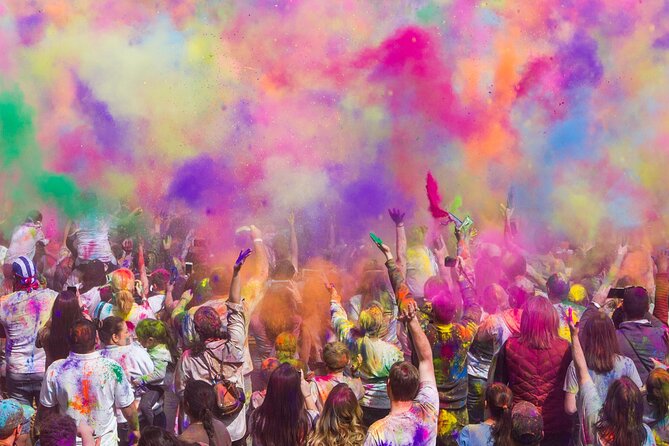
Like a burst of colors on a blank canvas, Holi, the Festival of Colours, paints the world with joy and vibrancy.
This ancient Hindu festival, celebrated in India and Nepal, has captivated hearts around the globe.
But what is it about Holi that makes it so captivating? What lies beneath the surface of this kaleidoscopic celebration?
In this article, we will dive into the origins, significance, and traditions of Holi, uncovering the secrets behind the mesmerizing hues and the infectious laughter that fills the air during this enchanting festival.
So, fasten your seatbelts and get ready for a colorful journey into the heart and soul of Holi.
- Good To Know
- Origins and History
- Significance and Cultural Importance
- Traditional Customs and Rituals
- Vibrant Colors and Symbolism
- Popular Holi Celebrations Worldwide
- Traditional Holi Food and Drinks
- Safety Tips and Precautions
- Common Questions
- Are Pets Allowed at Holi Celebrations?
- Is There a Dress Code for Holi Celebrations?
- Can I Bring My Own Colors to a Holi Celebration?
- Are There Any Age Restrictions for Participating in Holi Celebrations?
- Can I Participate in Holi Celebrations if I Have Allergies or Sensitivities to Colors?
- The Sum Up
- The Best Of Kathmandu!
- More Tour Reviews in Kathmandu
- Not for you? Here's more nearby things to do in Kathmandu we have reviewed
Good To Know
- Holi is an ancient festival rooted in Hindu mythology and celebrated for centuries.
- The festival promotes cultural unity, harmony, and the triumph of good over evil.
- Holi celebrations involve traditional customs, rituals, and vibrant colors that symbolize different aspects of life.
- Skin protection measures, such as applying oil or moisturizer and wearing protective clothing, are essential to minimize the harmful effects of colors.
👉 See our pick of the 14 Best Shopping Tours In Kathmandu
Origins and History
The origins and history of the Holi festival can be traced back to ancient India, where it has been celebrated for centuries as a vibrant and joyous occasion.
Holi, also known as the Festival of Colours, holds a significant place in Indian culture and tradition. It’s deeply rooted in Hindu mythology and is associated with various legends and stories.
Holi celebrations in literature can be found in ancient texts like the Puranas and the Mahabharata, where the festival is described as a time of merriment and unity.
Holi has also inspired various art forms, including paintings, music, and dance. Artists often depict the playful and colorful nature of the festival, capturing the essence of joy and togetherness.
These artistic expressions have played a vital role in spreading the spirit of Holi to people around the world, making it a truly global celebration.
You can also read our reviews of more tours and experiences in Kathmandu.


Significance and Cultural Importance
With its deep cultural roots and symbolic significance, the Holi festival holds a special place in the hearts of millions around the world. Here are some reasons why Holi isn’t just a colorful celebration, but also a significant cultural event:
Holi inspired fashion trends: During the festival, people dress up in vibrant and colorful attire, showcasing the beauty of Indian fashion. From traditional sarees and kurta-pajamas to modern fusion outfits, Holi becomes a platform for showcasing Holi-inspired fashion trends.
Holi inspired art and music: The festival is a celebration of creativity and artistic expression. Artists create beautiful Holi-themed paintings, murals, and street art. Traditional music and dance performances add to the festive atmosphere, with drum beats and melodious tunes filling the air.
Cultural unity and harmony: Holi brings people from different backgrounds and communities together. It promotes unity, as people of all ages and social status participate in the festivities, forgetting their differences and embracing the spirit of togetherness.
Symbolic significance: Holi represents the triumph of good over evil, as it commemorates the legend of Prahlada and the defeat of the demoness Holika. It also signifies the arrival of spring, renewal, and the blossoming of new beginnings.
Holi isn’t just a festival of colors; it’s a celebration of culture, creativity, unity, and the triumph of good.
Traditional Customs and Rituals

Holi, with its deep cultural roots and symbolic significance, not only inspires fashion trends and artistic expression but also encompasses a rich tapestry of traditional customs and rituals.
These customs and rituals have evolved over time, reflecting the history and evolution of the festival. One of the most prominent customs of Holi is the singing of Holi folk songs, known as ‘Holiya.’ These songs are an integral part of the celebration and are sung with great enthusiasm and joy. They often revolve around themes of love, unity, and the triumph of good over evil.
Holi folk songs are accompanied by traditional musical instruments such as the dholak and harmonium, adding to the festive atmosphere.
Through these customs and rituals, Holi brings people together, fostering a sense of unity and joyous celebration.
Vibrant Colors and Symbolism
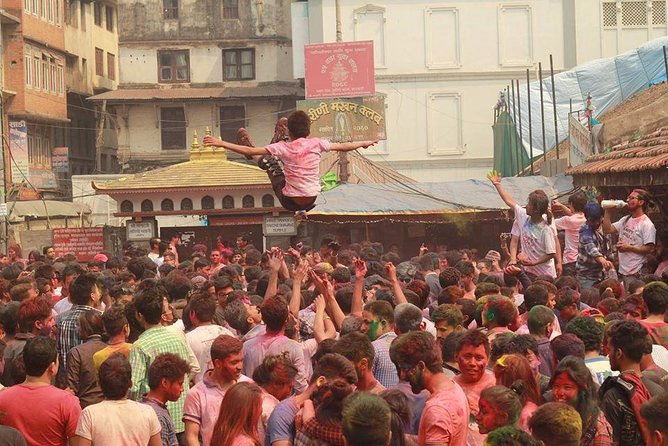
Vibrant colors burst forth, carrying with them a deep symbolism that adds an extra layer of excitement and meaning to the joyous celebration of Holi. The colors used during Holi hold great significance and are more than just a visual spectacle. Here are four ways in which the vibrant colors of Holi symbolize and contribute to the festival:
Symbolism and Spiritual Significance: Each color represents a different aspect of life, such as red for love and fertility, blue for the divine and spirituality, and green for new beginnings and harvest. These colors are believed to bring prosperity, happiness, and good luck.
Expressing Joy and Unity: The vivid colors create a sense of unity among people, breaking down social barriers and fostering a spirit of togetherness.
Cultural Attraction for Tourism: The vibrant colors of Holi have become a major attraction for travelers from around the world, contributing to the growth of tourism and the local economy.
Boosting Local Businesses: The demand for colorful powders, water guns, and other Holi-related products boosts local businesses, providing a much-needed economic boost to the communities.
The vibrant colors of Holi not only create a visually stunning spectacle but also hold deep symbolism and have a significant impact on both tourism and the local economy.
Popular Holi Celebrations Worldwide
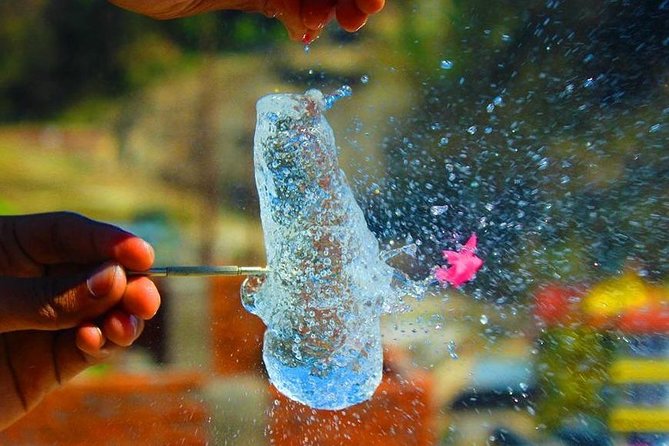
Celebrated by millions around the world, Holi festivities bring people together in a joyful display of colors and cultural unity. This vibrant festival is not only celebrated in India but also in various other countries, each with its own unique twist. Holi themed fashion trends have become popular worldwide, with people donning colorful outfits, scarves, and even accessories to embrace the spirit of the festival.
Here are some unique Holi celebration locations around the world:
| Location | Country | Highlight |
|---|---|---|
| Lathmar Holi | India | Women playfully beat men with sticks in this traditional celebration in Barsana and Nandgaon. |
| Holi Moo! | South Africa | A vibrant music festival in Johannesburg where participants enjoy live performances and dance to the beats of renowned DJs. |
| Holi One | Germany | Berlin hosts this open-air festival where participants throw colors and dance to electronic music. |
| Holi Festival | Nepal | Kathmandu becomes a riot of colors as people come together to celebrate Holi in the historic city squares. |
These unique celebrations highlight the global appeal of Holi, spreading joy and bringing people from different cultures together in a riot of colors.


Traditional Holi Food and Drinks
Indulge in a delectable array of traditional dishes and refreshing drinks as you learn about the vibrant festivities of Holi. The traditional Holi food and drinks are an essential part of this colorful celebration.
Here are some mouthwatering treats and beverages that you must try during Holi:
Traditional Holi Sweets:
- Gujiya: A sweet dumpling filled with a mixture of khoya, nuts, and dried fruits.
- Malpua: Deep-fried pancakes soaked in a sugary syrup.
- Thandai: A refreshing milk-based drink infused with aromatic spices like saffron and cardamom.
Holi Special Beverages:
- Bhang: A traditional drink made from cannabis leaves, milk, and spices. It’s known for its intoxicating effects.
- Kanji: A fermented drink made from black carrots, mustard seeds, and spices. It’s tangy and refreshing.
These traditional Holi sweets and special beverages add an extra layer of joy and flavor to the festivities. Don’t miss the opportunity to savor these delightful treats while celebrating Holi.
Safety Tips and Precautions
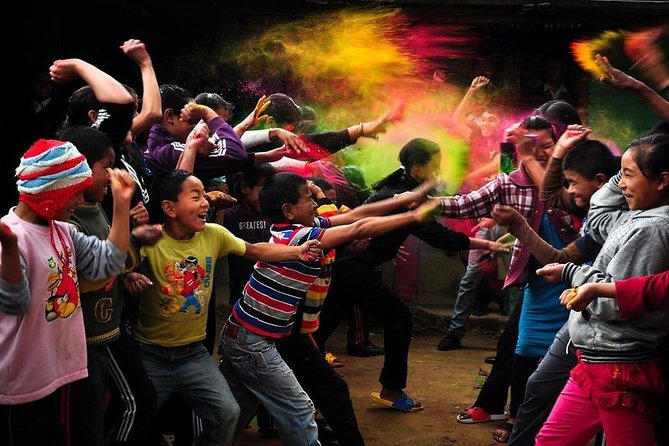
To ensure a safe and enjoyable experience during the vibrant festivities of Holi, it’s important to follow these safety tips and precautions.
First and foremost, it’s crucial to protect your skin from the harmful effects of the colored powders. Apply a thick layer of oil or moisturizer on your face and body before playing Holi. This will create a protective barrier and make it easier to remove the colors later.
Plus, wear clothes that cover most of your body to minimize direct contact with the colors. It’s also advisable to wear sunglasses or protective eyewear to shield your eyes from the colors.
On top of that, ensure that the colors you use are safe and non-toxic. Always opt for natural and organic colors instead of synthetic ones, as they’re less harmful to your skin.
Finally, stay hydrated throughout the celebrations by drinking plenty of water.
Follow these safety measures and tips for protecting your skin to have a memorable and safe Holi experience.
Common Questions
Are Pets Allowed at Holi Celebrations?
Pets are not allowed at Holi celebrations. It is for the safety of both the pets and the participants. Plus, food at Holi celebrations is usually provided, allowing everyone to enjoy the festive atmosphere.
Is There a Dress Code for Holi Celebrations?
There is no specific dress code for Holi celebrations, but people often wear white clothes to enhance the vibrant colors. Holi fashion trends include tie-dye shirts, flowy skirts, and colorful accessories.
Can I Bring My Own Colors to a Holi Celebration?
Yes, participants can bring their own colors to a Holi celebration. It’s a fun way to personalize the experience and explore alternative color options. BYOC at Holi celebrations adds to the vibrant atmosphere.
Are There Any Age Restrictions for Participating in Holi Celebrations?
Age restrictions may apply for participating in Holi celebrations due to safety concerns. It is important to consider any potential risks involved and follow any guidelines or recommendations set by event organizers or authorities.
Can I Participate in Holi Celebrations if I Have Allergies or Sensitivities to Colors?
Yes, individuals with allergies or sensitivities to colors may experience allergic reactions during Holi celebrations. They can consider participating in alternative celebrations that do not involve the use of colors.
The Sum Up
To sum it up, Holi is a festival that brings people together in a vibrant and joyous celebration of colors.
With its rich history and cultural significance, Holi offers a unique experience that celebrates unity and joy.
From traditional customs and rituals to the symbolism behind the vibrant colors, Holi is a festival that’s cherished and celebrated worldwide.
So, join in the festivities, learn about the colors, and experience the exuberance of Holi for yourself.