Hokkaido’s best day-trip choice depends on the scenery you want: Biei’s flower fields and blue pond, Otaru’s old streets and the coast at Cape Kamui, or Noboribetsu’s steaming volcanic valley and Lake Toya. You choose one area, then spend the day moving between stops from Sapporo.
I like the freedom to pick a route that fits your interests, and the chance to give a major Hokkaido excursion a full day without arranging every transfer yourself. One trade-off: the stops are self-guided, and traffic or weather can shorten time at individual places.
- At a glance
- Choose the Hokkaido scenery you most want
- What the Biei and Furano day looks like
- Otaru, Cape Kamui, and the coast
- Hell Valley, Lake Toya, and Showa Shinzan
- The small-group and private-car distinction
- Practical details that shape the day
- Who should book this day trip?
- FAQ
- Which route can I choose?
- Is the tour guided at each attraction?
- Are attraction tickets and meals included?
- Where does pickup take place?
- What happens if the shared group has fewer than five people?
- Can I bring luggage or a child safety seat?
- The Best Of Sapporo!
- More 1-Day Tours in Sapporo
- More Tours in Sapporo
- More Tour Reviews in Sapporo
- Not for you? Here's more nearby things to do in Sapporo we have reviewed
At a glance
 1 / 8
 2 / 8
 3 / 8
 4 / 8
 5 / 8
 6 / 8
 7 / 8
 8 / 8
- Three distinct day trips: Choose Furano and Biei, Otaru and Cape Kamui, or Noboribetsu and Lake Toya.
- Biei’s top photo stops: The Furano and Biei route includes Shikisai-no-oka, Shirogane Blue Pond, Shirahige Falls, and Farm Tomita.
- A scenic ride with practical help: The driver provides simple commentary in the vehicle, but does not lead guided visits at the stops.
- A handy summit tip: At Showa Shinzan, consider the ropeway for a higher view toward the volcano and Lake Toya. Admission is not included.
- Check which vehicle and price apply: Shared small-group departures and private charter are different arrangements. The listed starting price is for a private car choosing one area.
- Plan for a full day: Departures begin around 7:30 to 8:00 a.m., with return to central Sapporo usually scheduled for 6:00 to 6:30 p.m.
👉 See our pick of the 10 Best Guided Tours In Sapporo
Choose the Hokkaido scenery you most want
This is not one grand loop around Hokkaido. You choose one of three areas, a sensible setup given the distances involved. Each route has its own character, so decide whether you want flowers and waterfalls, coastal views and old-town streets, or volcanic terrain and a lakeside pause.
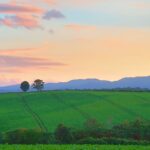
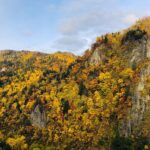
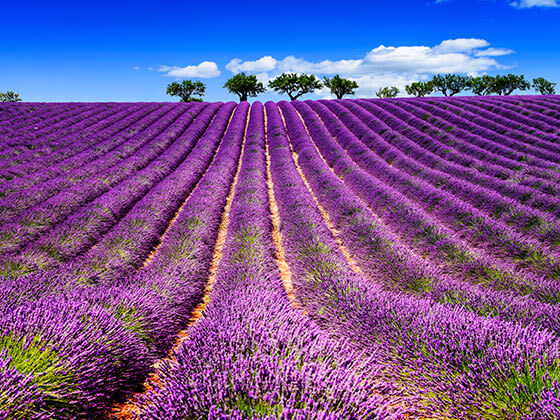
The Furano and Biei route is the nature-and-camera choice. It links rolling farm country with the striking blue water at Shirogane Blue Pond and the short walk to Shirahige Falls. In summer, flower fields add strong color; in other seasons, the fields and hills change with the weather and light. The tour runs year-round, but seasonal flowers and autumn leaves cannot be guaranteed.
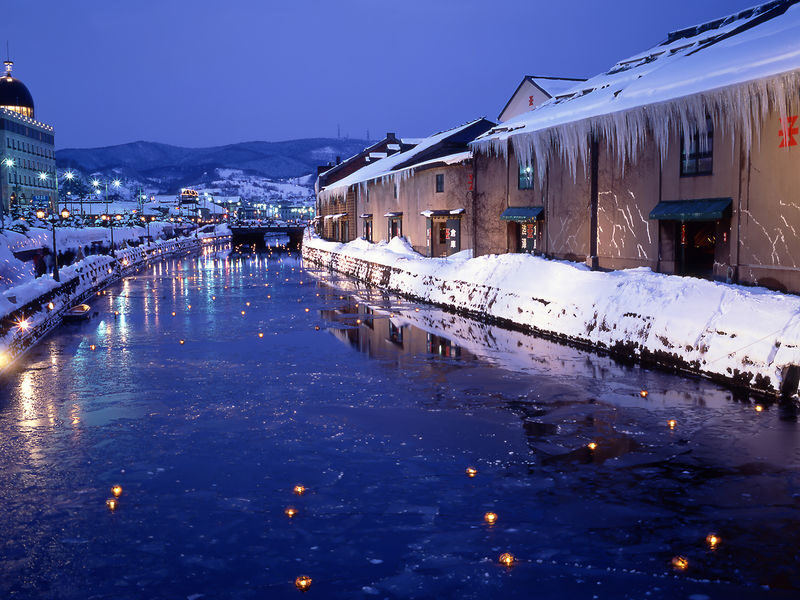
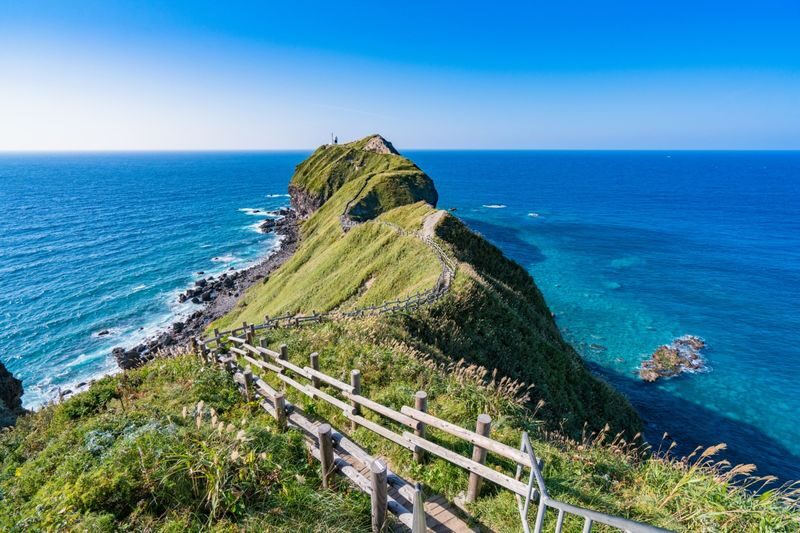
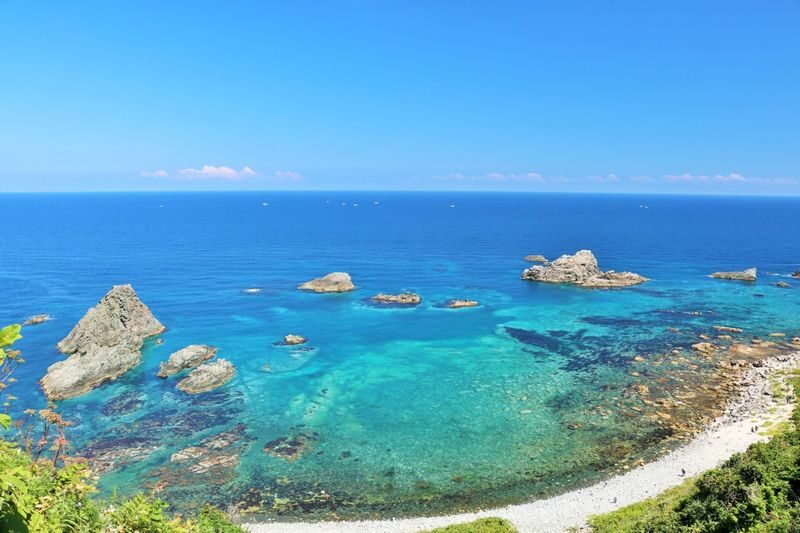
The Otaru and Cape Kamui route mixes sea views with a town visit. Cape Kamui’s cliffside trail leads to wide views over the water, while Otaru’s old streets offer sweets, glass crafts, and a Showa-era feel. Depending on the season, the day may include Yoichi Distillery or fruit picking. Confirm which seasonal activity applies before you book, since these are not presented as guaranteed stops on every departure.
The Noboribetsu and Lake Toya route is the pick for volcanic scenery. Hell Valley, known in Japanese as Jigokudani, steams with hot-spring activity; Lake Toya brings a quieter change of pace, and Showa Shinzan offers a close look at a smoking volcano. A summit ride on the Showa Shinzan ropeway is a useful extra if the day’s timing and conditions allow, but it is not included in the price.
You can also read our reviews of more tours and experiences in Sapporo


What the Biei and Furano day looks like
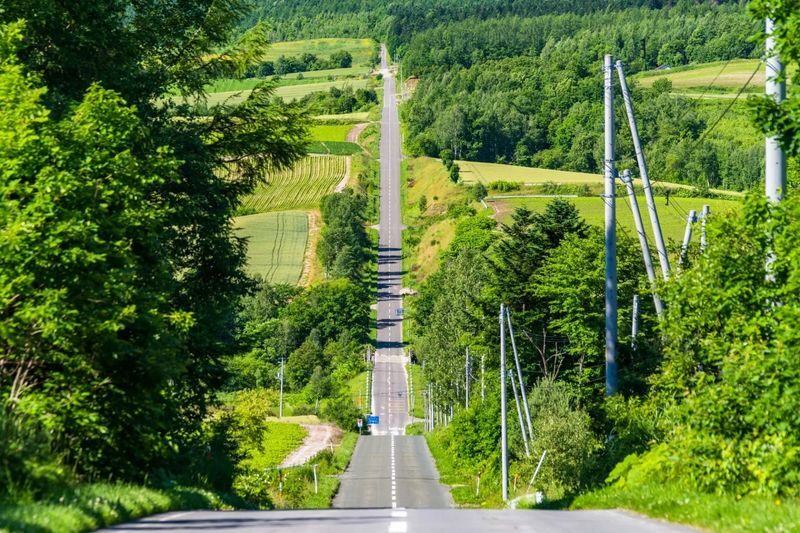
The published sample schedule gives the clearest picture of the Furano and Biei option. The vehicle leaves Sapporo around 7:30 a.m. and heads toward the area, with Rollercoaster Road listed as a scenic stop along the way. Its name hints at the road’s rolling rises and dips, rather than an amusement ride, so it is a nice preview of the open country ahead.
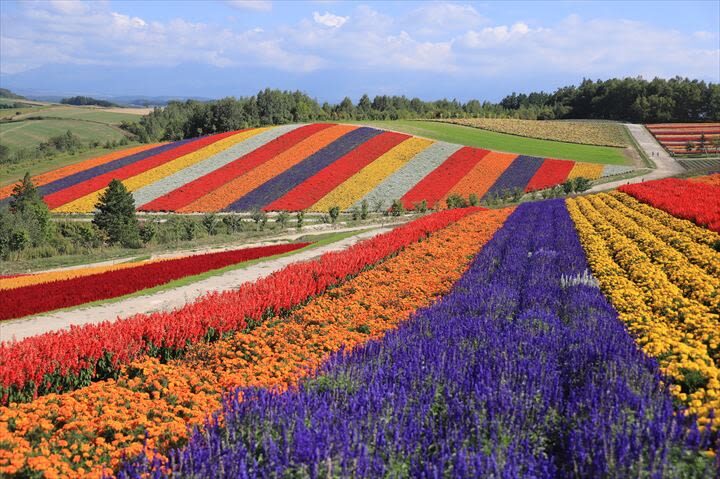
At about 11:00 a.m., you have an hour and a half at Shikisai-no-oka, a flower park in Biei. This is the longest stop on the sample schedule, and that matters: you have time to walk through the grounds rather than leap out for a quick photo and climb back in. Admission costs 500 yen for adults, 300 yen for elementary, junior high, and high school students, and nothing for preschool children.
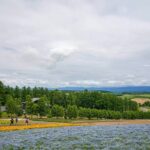
The flower display depends on the season. In summer, rows of blooms give the hills their postcard look; outside the main flowering period, the appeal shifts toward the broad views and open air. A past visitor called the colors at Shikisai-no-oka the day’s high point, and singled out good weather as part of the pleasure. Take that as a reminder that the scenery is real, but so is the weather’s say in what you see.
Next comes Shirogane Blue Pond, scheduled for 30 minutes at about 1:00 p.m. The pond’s blue tone is its signature feature, and the short visit makes it an easy stop to fit into a busy route. Still, 30 minutes is not a leisurely wander. If you like to linger over photos or walk slowly, be ready to use your time well.
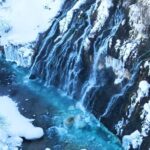
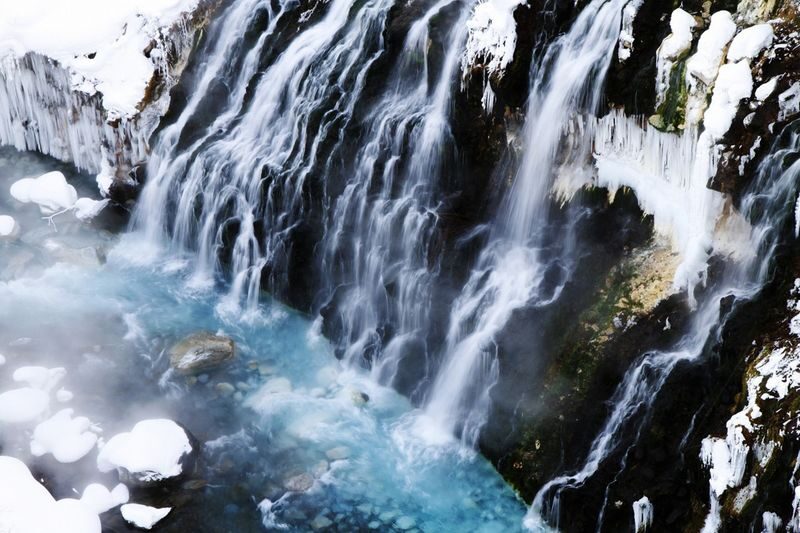
Shirahige Falls follows at around 1:40 p.m., with about 20 minutes on site. The waterfall drops through a rocky gorge, making a compact contrast to the open fields and still pond. It is a brief stop, so think of it as a close-up view and a chance to stretch your legs, not a long nature walk.
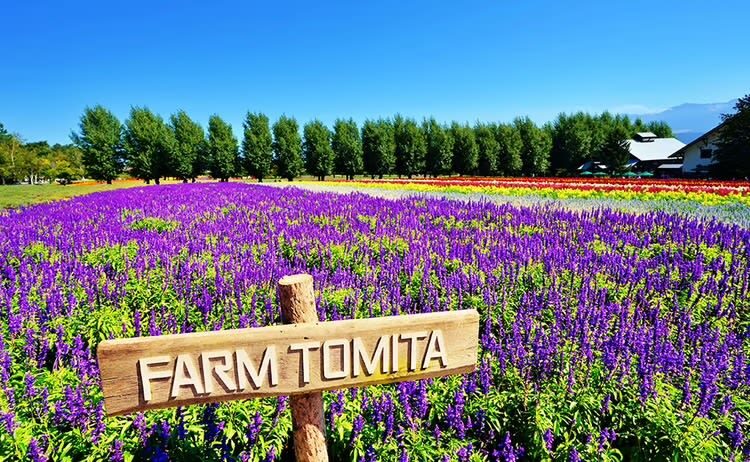
The final named stop is Farm Tomita, with an hour scheduled from about 2:30 p.m. Its flower fields are a familiar part of Furano’s summer identity, though the display changes as the season moves on. There is time to walk around and take a break, but lunch is not included and the schedule does not promise a separate long meal stop. Bring money for food and drinks, and follow the driver’s instructions about where and when to meet.
The route is due back in Sapporo around 6:00 p.m., though the pickup and return window can extend to 6:30. Traffic, weather, and seasonal crowds can change the order or shorten visits. That makes the route efficient, but not highly flexible once the day is underway.
Otaru, Cape Kamui, and the coast
If you want a mix of town and sea, the Otaru and Cape Kamui route gives you two very different kinds of stops. Cape Kamui’s cliffside trail is the outing’s big natural draw, with broad coastal views at the end. The walk is part of the appeal, so wear shoes you can comfortably use outdoors and be prepared for weather to affect the experience.
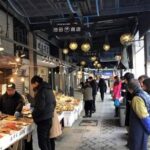
Otaru offers a gentler counterpoint. Its older streets are known for sweets and glass crafts, and the town’s Showa-era atmosphere gives you a taste of a different side of Hokkaido than its open countryside. The time available at each place depends on the day’s running order, so this is better for a first look than for an extended shopping visit.
A seasonal visit to Yoichi Distillery or fruit picking may add a local flavor to the day. Those options are not guaranteed year-round, so check what is planned for your date rather than assuming you will get both. If one of them is the main reason you are considering this route, confirm it with the operator before departure.
Hell Valley, Lake Toya, and Showa Shinzan
Noboribetsu’s Hell Valley is a dramatic place to see geothermal activity up close. Steam rises from the rocky ground, giving the area a raw, volcanic feel quite unlike a flower park or a tidy lakeside viewpoint. Outdoor conditions matter here, and the operator may alter or suspend activities if safety or weather requires it.
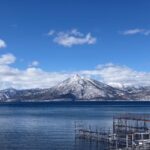
Lake Toya offers a calmer scene after the heat and steam of Jigokudani. The route includes an observation deck, where you can take in the lake from above. Showa Shinzan, a relatively young volcano that still emits smoke, adds another striking stop to the day.
If you have time and want a wider view, take the Showa Shinzan ropeway. From the summit, you can see both the volcano and Lake Toya from a fresh angle. The ropeway is an optional extra, and attraction admissions are not included, so budget for it separately and follow the driver’s timing.
This route is a good fit if you want to see Hokkaido’s volcanic side without planning separate transport to several far-flung sites. It is less suited to anyone hoping for a slow soak in a hot spring: the listed experience focuses on outdoor scenery, and it does not include a hot-spring visit.
The small-group and private-car distinction
The details describe more than one format, so check the exact package name before paying. Shared departures use a 10-seat or 14-seat vehicle, depending on the number of bookings, and require at least five participants. The driver may provide simple commentary while you ride, but there is no guided tour on foot.
A separate private-charter option is priced from $630.60 and lets you choose one area for a customized day. That is a starting price for the vehicle arrangement, not a per-person rate stated in the details. If you are comparing costs, consider how many people will share the charter and confirm the final price and service duration before booking.
The shared option can make sense if you want transport sorted without paying for a private vehicle. Its trade-off is less control over pacing and seating. Seats are assigned on a first-come basis, special requests can be noted when booking, and the driver coordinates final arrangements on the day.
The price includes round-trip transfers, tolls, parking, fuel, and operator insurance. It does not cover admissions, meals, drinks, or personal expenses. Add the Shikisai-no-oka entry fee on the Biei route, and keep extra cash for optional attractions such as the ropeway.


Practical details that shape the day
Pickup is offered from hotels in Sapporo’s Chuo-ku area, with departures between 7:30 and 8:00 a.m. The operator confirms the exact time and place the day before, so check your email or messaging apps, including the spam folder. Be ready at least ten minutes early: the vehicle will not wait for late arrivals.
The day runs close to ten hours, and the schedule can change with traffic, weather, or seasonal crowds. In flower and autumn-leaf seasons, roads and attractions may be busy, so do not count on every stop lasting exactly as long as the sample schedule suggests. The driver can rearrange or reduce stops to keep the day within its time limit.
Bring no more than one piece of luggage per person. Vehicle space is limited, and large or excess bags may be refused. Infants and children count toward the passenger total, but child safety seats are not provided, an important point for families with young children.
Lunch and drinks are on you. The driver can suggest local places, but you need to eat within the available time and return promptly to the meeting spot. If you prefer a relaxed, long lunch, this tightly scheduled day may feel rushed.
Departures require at least five participants. If the minimum is not met, you may be offered another date or a refund. In severe weather such as a blizzard or typhoon, the operator decides by 5:00 p.m. the day before whether to cancel. Other weather problems can still close attractions or change activities once the day is underway.
Who should book this day trip?
I would consider this trip if you have one free day in Sapporo and want to reach a scenic area without organizing several transport connections yourself. It also suits you if you are happy with a set schedule, independent visits at each stop, and a full day on the road.
Choose the route by the experience you want most, not by the number of names on the list. Biei is best for flower fields, blue water, and waterfall views; Otaru and Cape Kamui balance coastal walking with town time; Noboribetsu and Toya focus on geothermal sights and a lake. You only choose one area, so do not expect to combine all three in a single day.
I would pause before booking if you need a guided walking tour, want guaranteed peak-season flowers, or dislike plans that can shift with traffic. For a private car, confirm the final charge and exactly what the customized package includes. For a shared departure, make sure the minimum group size, luggage limit, and no-child-seat rule work for your party.
Hokkaido Breathtaking Scenery Day Trip: Furano Biei, Otaru Kamui Cape, Noboribetsu Toya Lake Multi-Route Options | Departure from Sapporo
“Be sure to ride the Showa Shinzan Ropeway; the view of Showa Shinzan and Lake Toya from the summit offers a unique perspective.”
FAQ
Which route can I choose?
You can choose one of three areas: Furano and Biei, Otaru and Cape Kamui, or Noboribetsu and Lake Toya. The route choice should be provided when placing the order.
Is the tour guided at each attraction?
No. The driver provides simple commentary in the vehicle but does not guide visits on foot. You explore the stops on your own.
Are attraction tickets and meals included?
No. Attraction admissions, meals, beverages, and personal expenses are excluded. Shikisai-no-oka charges 500 yen for adults and 300 yen for school-age children; preschool children enter free.
Where does pickup take place?
Pickup is available from hotels in Sapporo’s Chuo-ku area. The operator confirms the exact pickup point and time the day before departure.
What happens if the shared group has fewer than five people?
The shared activity requires at least five participants. If that number is not reached, you can book an alternative date or request a full refund.
Can I bring luggage or a child safety seat?
Vehicle space is limited to one piece of luggage per person, and large or excess bags may be refused. Child safety seats are not provided, and infants and children must be included in the passenger count.