- Exploring Tokyo’s Hidden Architectural Secrets: A Guide to the Hidden Tokyo Architectural Tour
- Good To Know
- A Detailed Look at the Tour: What to Expect
- Starting Point and Overall Flow
- Ebisu Shrine: A Cultural Welcome
- Old Asakura Family House: A Glimpse into the Past
- Ebisu’s Modern Contrast: Ebisu SA Building
- Gundam-Inspired Design at Aoyama Technical College
- Josen-ji Temple: Tranquility Amidst Urban Life
- Daikanyama T-Site: Style and Functionality in Harmony
- Analyzing the Value: Is It Worth It?
- Practical Tips
- Who Will Love This Tour?
- FAQ
- Final Thoughts
- More Tours in Ebisu
- More Tour Reviews in Ebisu
- Not for you? Here's more nearby things to do in Ebisu we have reviewed
Exploring Tokyo’s Hidden Architectural Secrets: A Guide to the Hidden Tokyo Architectural Tour
 1 / 7
1 / 7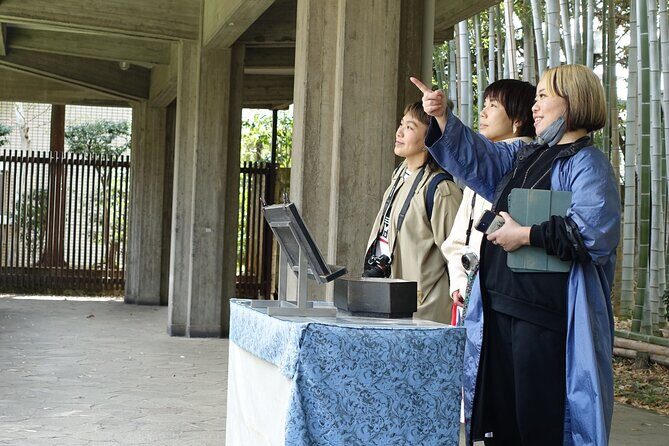 2 / 7
2 / 7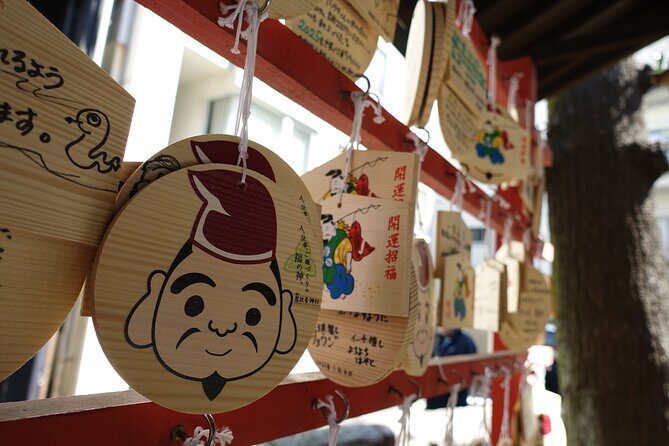 3 / 7
3 / 7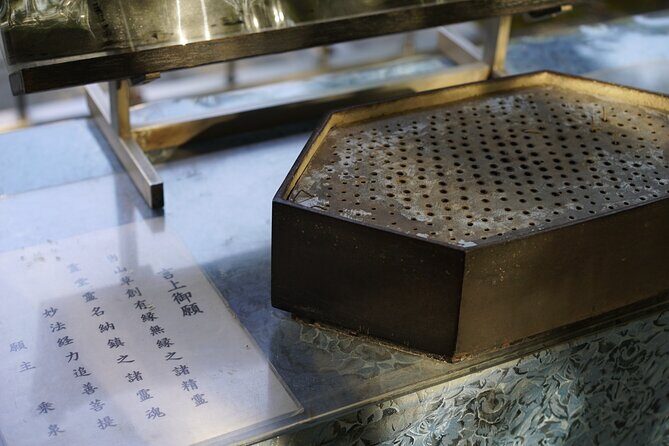 4 / 7
4 / 7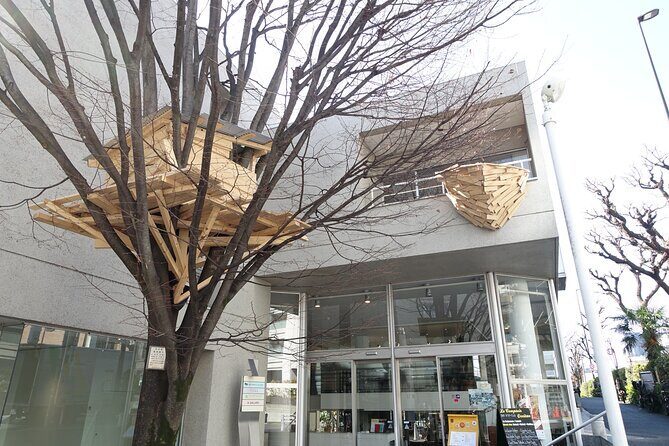 5 / 7
5 / 7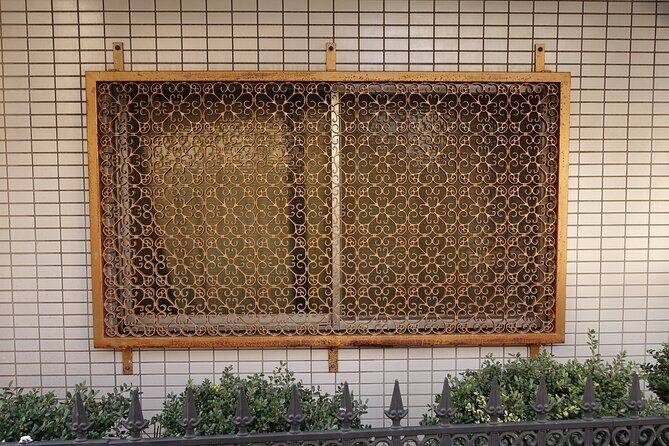 6 / 7
6 / 7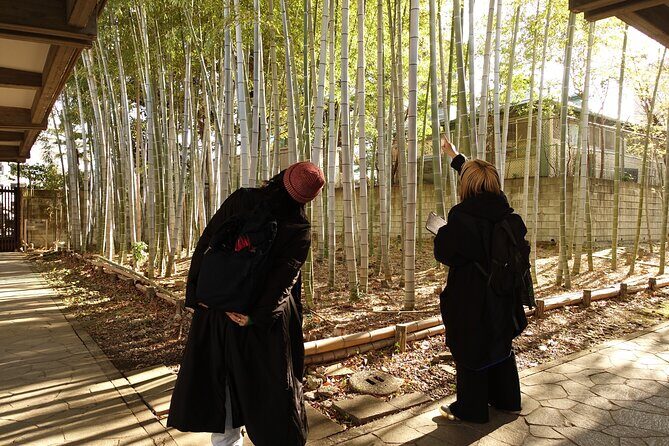 7 / 7
7 / 7Embarking on a tour of Tokyo’s more discreet architectural treasures offers a fresh perspective beyond the usual busy streets and iconic landmarks. This Hidden Tokyo Architectural Tour promises an intimate look at the city’s quieter, often overlooked design marvels, led by a knowledgeable Japanese architect. For anyone fascinated by smart urban design, or simply eager to see Tokyo through a different lens, this tour is a thoughtful choice.
What makes this experience stand out? First, the insider insights from a local architect help reveal nuances in the buildings’ design stories. Second, the balance of historical sites and modern architecture allows a layered appreciation of Tokyo’s evolving landscape. Lastly, the small group size (max three travelers) ensures a personalized, in-depth experience.
One possible consideration is the tour’s focus on specific neighborhoods like Daikanyama and Ebisu, which may not cover the city’s broader architectural panorama. Still, for those interested in exploring quiet streets and hillside paths, this is a perfect fit. This tour suits travelers who love architecture, enjoy slow-paced walks, and appreciate stories behind design details rather than just surface appearances.
Good To Know
- Expert-Led Experience: Tours are led by a Japanese architect, offering authentic insights.
- Balanced Mix: Combines historic sites with cutting-edge modern designs.
- Small Group: Max three travelers for a more personalized experience.
- Focus on Hidden Gems: Offers access to lesser-known architectural points.
- Practical Details: 3-4 hour duration, moderate walking, and a reasonable price.
- Cultural & Architectural Blend: Provides context about Japan’s architectural evolution.
You can also read our reviews of more tours and experiences in Ebisu.



A Detailed Look at the Tour: What to Expect
Starting Point and Overall Flow
The tour kicks off at the UNIQLO Ebisu Japan store, an accessible spot near public transportation, making it simple to meet your guide. From there, you’ll walk through Daikanyama and Ebisu, areas known for their trendy vibe but also for hiding architectural surprises. The tour wraps up at Daikanyama Tsutaya Books, a well-designed cultural hub that perfectly concludes your exploration.
The total time spans roughly 3 to 4 hours, which encourages a relaxed pace—perfect for appreciating architecture without feeling rushed. The small group size ensures you can ask plenty of questions and really get beneath the surface of each site.
Ebisu Shrine: A Cultural Welcome
The tour begins with Ebisu Shrine, a serene spot dedicated to the god of prosperity. Since the shrine is free to visit and only takes around 15 minutes, it’s a gentle start that sets a peaceful tone. Expect to hear stories about the shrine’s significance and how the surrounding area was named after it, anchoring your understanding of local traditions.
Old Asakura Family House: A Glimpse into the Past
Next, you’ll visit the Old Asakura Family House, a beautifully preserved wooden mansion built in 1919. Recognized as an Important Cultural Property of Japan, this site offers a tangible connection to Tokyo’s architectural and political history. The house features traditional wooden craftsmanship, and the guide will highlight design details often missed by casual visitors. Access is included in the tour fee, but note that visitors need to bring their own socks to enter, which is a typical Japanese requirement for traditional buildings.




Ebisu’s Modern Contrast: Ebisu SA Building
The Ebisu SA Building stands out as a bold example of contemporary design, mixing glass and concrete to create a structure that’s both functional and visually striking. Free to visit, this building embodies Japan’s modern architectural ethos—functional, sleek, and a little daring. Your guide will point out design choices and how they reflect current trends, making it more than just a quick photo op.
Gundam-Inspired Design at Aoyama Technical College
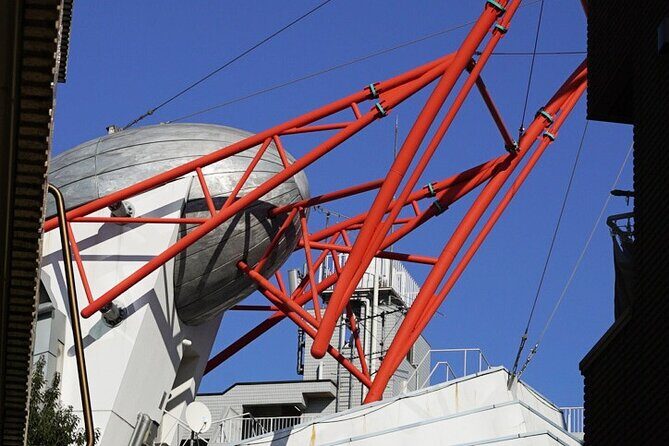
One of the most playful stops is the Aoyama Technical College building, often called “Gundam architecture” by fans. While not an official architectural style, its futuristic, robot-inspired aesthetic makes it a memorable sight. The building’s bold shapes and materials show Japan’s love for anime-inspired design, and your guide will share insights about how such styles influence Japanese architecture. It’s a fun contrast to the more traditional scenes earlier.
Josen-ji Temple: Tranquility Amidst Urban Life
The Josen-ji Temple offers a peaceful pause in the tour, with its wooden main hall seamlessly blending into the residential neighborhood. This site exemplifies how tradition persists within a modern cityscape. Expect calming atmospheres and stories about traditional temple architecture, offering insight into Japan’s spiritual and design heritage.
Daikanyama T-Site: Style and Functionality in Harmony
Finally, the tour visits the Daikanyama T-SITE, a beautifully designed complex created by Klein Dytham Architecture. Its distinctive T-shaped buildings and repeating façade pattern showcase thoughtful, low-rise design that maximizes space and light. It’s a hub for culture and relaxation, with excellent photo opportunities. The guide will explain how the architecture fosters community and cultural engagement, making this a fitting end to your architectural journey.
Analyzing the Value: Is It Worth It?
At $106.12 per person, this tour offers a deep dive into Tokyo’s lesser-known architectural stories, guided by a local expert. The inclusion of the Old Asakura Residence adds historical value, while the stops at modern structures reveal Japan’s innovative spirit. The small group format ensures that each traveler receives personalized attention, which is a rare find for urban tours.
While some travelers might wish for a broader scope or more stops, the focus on quality over quantity makes this experience stand out. The tour’s pacing allows comfortable exploration and meaningful engagement with each site. Plus, the fact that most locations are free to access, apart from the residence, keeps costs relatively reasonable for the depth of insight provided.
Practical Tips
- Bring socks for entering the Old Asakura House—it’s a common Japanese rule.
- Carry bottled water as refreshments aren’t included.
- Wear comfortable shoes, as the tour involves walking through backstreets and hillside paths.
- The tour starts at 9:30 am, so plan your morning accordingly for a relaxed start.
Who Will Love This Tour?
This experience is ideal for architecture enthusiasts eager to see a different side of Tokyo, blending traditional and innovative designs. It suits travelers who enjoy slow-paced walks, storytelling, and discovering quiet neighborhoods away from the crowds. If you’re curious about how history and modernity coexist in Japan’s capital, this tour offers a perfect blend.
It’s also well-suited for those with moderate physical fitness, as the route includes walking on uneven streets and hillside areas. The small size makes it perfect for intimate conversations with the guide, ideal for deepening your understanding of Tokyo’s architectural landscape.
FAQ
Is this tour suitable for children?
The tour is designed for adults and older children who can walk comfortably and are interested in architecture and history. The moderate physical activity and the nature of the sites mean it’s less suited for very young children.
Are there any age restrictions?
There are no explicit age restrictions, but due to the walking involved and the need for moderate physical fitness, it’s best suited for teenagers and adults.
What should I bring?
Aside from comfortable shoes and water, remember to bring socks to enter the Old Asakura House, as this is a Japanese requirement. A camera and a notebook could also enrich your experience.
Does the tour include any food or drinks?
No, bottled water is not included, so bring your own drinks. The tour focuses on architecture and history, not food.
Can I join if I’m not good at walking?
The tour involves moderate walking on streets and hillside paths. If you have mobility concerns, consider your comfort level or speak to the provider beforehand.
How do I meet the guide?
The meeting point is at UNIQLO Ebisu Japan, a convenient location near public transportation. Details will be provided upon booking confirmation.
Hidden Tokyo Architectural Tour
Final Thoughts
The Hidden Tokyo Architectural Tour offers a thoughtful, engaging way to see a different side of Tokyo, away from the crowds and tourist hotspots. Its focus on lesser-known buildings, combined with expert commentary, makes it a gem for design lovers and curious travelers alike. The combination of history, contemporary styles, and quiet neighborhoods provides a layered experience that’s both educational and enjoyable.
If you’re seeking an intimate, well-curated exploration of Tokyo’s architectural evolution that emphasizes storytelling and authenticity, this tour is an excellent choice. It’s especially valuable for those wanting to understand how tradition and innovation dance together in Japan’s capital.
This experience provides a meaningful glimpse into Tokyo’s urban fabric, perfect for those who appreciate subtle beauty, design details, and local insights. While it may not cover every iconic landmark, it offers a memorable, enriching perspective that few tours can match.