- Introduction
- Good To Know
- What to Expect from the Shibori Cotton Scarf Class
- The Technique
- The Creation Process
- The Final Product
- Additional Museum Highlights
- The Experience’s Strengths and Considerations
- Why You’ll Love It
- Potential Drawbacks
- Price & Value
- The Detailed Breakdown of the Tour
- Additional Insights from Reviewers
- Final Thoughts: Is This Experience Worth It?
- Frequently Asked Questions
- The Sum Up
- The Best Of Kyoto Prefecture!
- More Workshops & Classes in Kyoto Prefecture
- More Tour Reviews in Kyoto Prefecture
- Not for you? Here's more nearby things to do in Kyoto Prefecture we have reviewed
Introduction
 1 / 8
1 / 8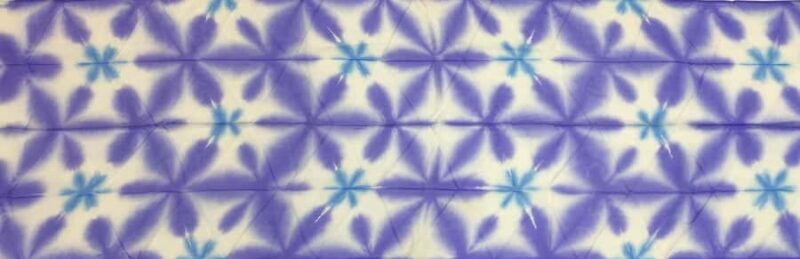 2 / 8
2 / 8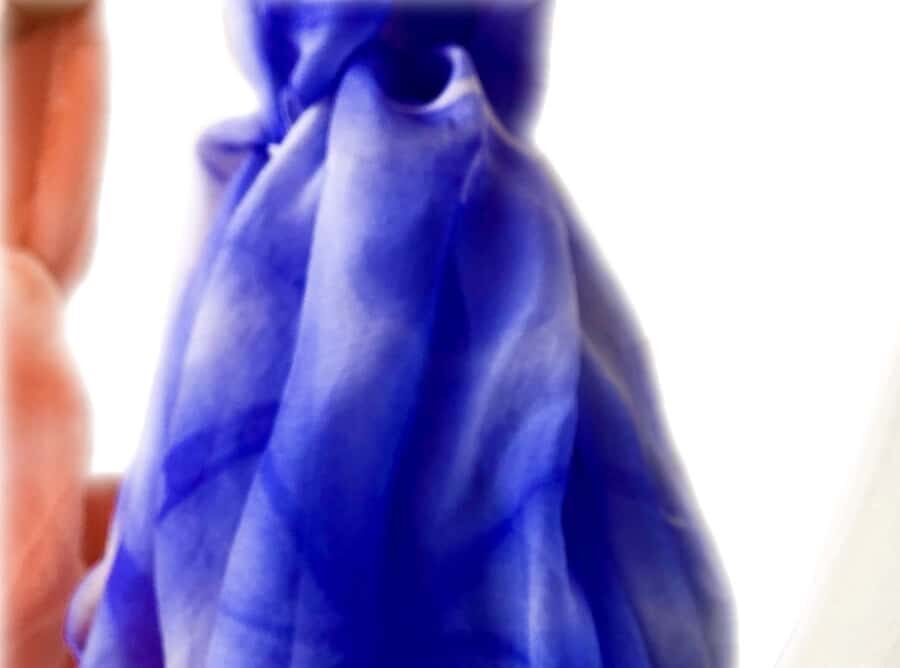 3 / 8
3 / 8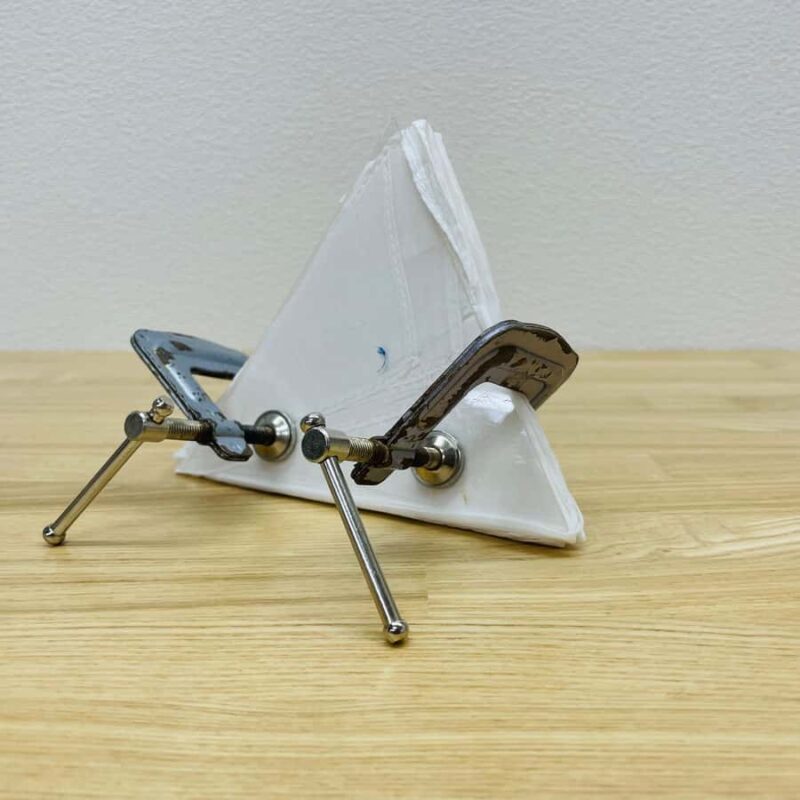 4 / 8
4 / 8 5 / 8
5 / 8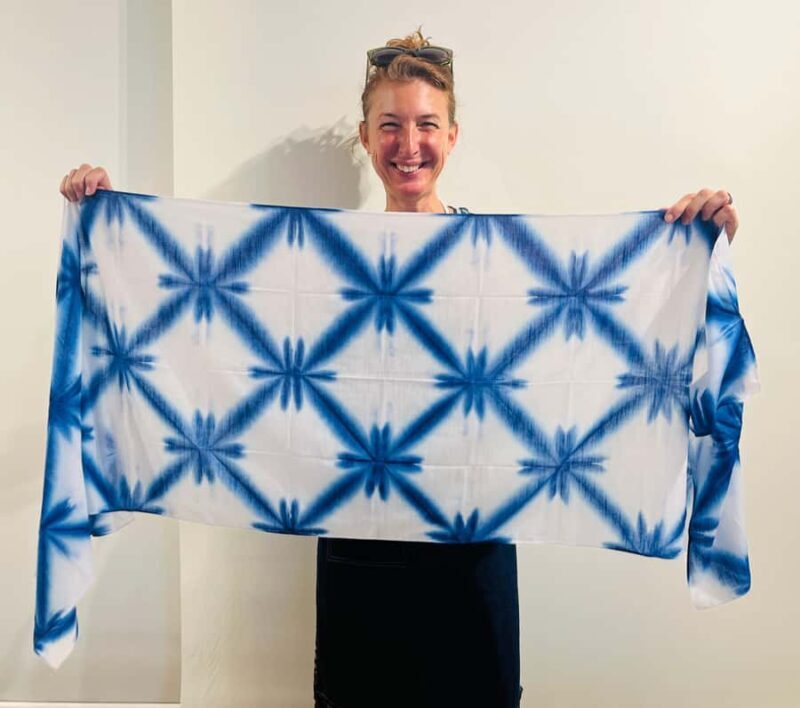 6 / 8
6 / 8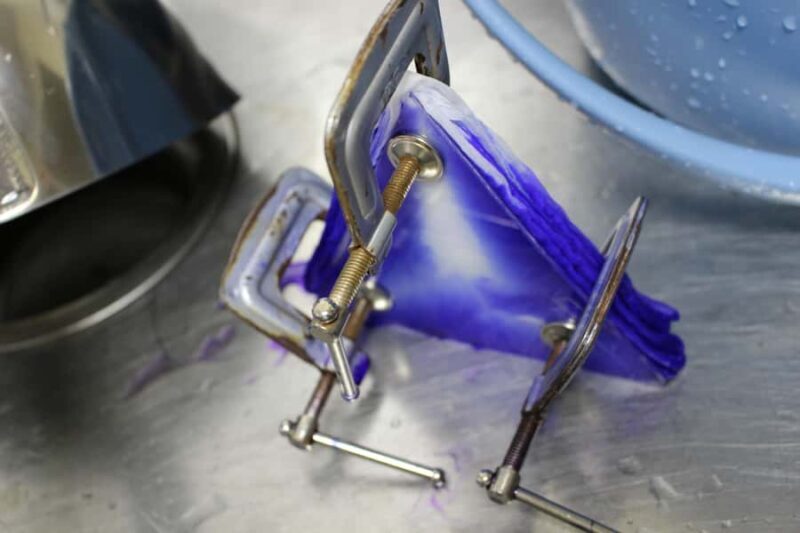 7 / 8
7 / 8 8 / 8
8 / 8If you’re visiting Kyoto and looking for an authentic cultural experience that combines artistry with a dash of hands-on fun, the Hanakoushi Shibori Cotton Scarf Class at the Kyoto Shibori Museum might just be your ideal match. This workshop offers a chance to explore the traditional Japanese resist-dyeing technique of shibori, leaving with a unique, handmade scarf that you can cherish or give as a thoughtful souvenir.
What we love about this experience is how approachable and welcoming it feels, thanks to knowledgeable guides and a relaxed atmosphere. We also appreciate the chance to see stunning examples of shibori art displayed throughout the museum, which really highlights the skill and history behind the craft. Plus, the small group format ensures personalized attention, making it perfect for beginners and seasoned crafters alike. The only caveat might be the limited time—just about an hour—so if you’re keen on detailed craftsmanship, you’ll want to focus on the essentials.
This activity suits travelers who enjoy DIY projects, culture, and unique souvenirs. Whether you’re traveling solo, as a couple, or in a small group with friends, you’ll find this workshop a delightful way to connect with Kyoto’s textile traditions.
You can check availability for your dates here:
👉 See our pick of the Best Workshops And Classes In Kyoto Prefecture
Good To Know
- Authentic Shibori Technique: Learn the traditional resist-dyeing method that creates beautiful petal-like patterns.
- Short & Sweet Duration: The workshop lasts about 30 to 60 minutes, making it easy to fit into a busy sightseeing schedule.
- Small Group Experience: Limited to 8 participants, ensuring personalized guidance and a friendly atmosphere.
- Museum and Display: Explore inspiring shibori works and original tools used in the process while your fabric dries.
- Expert Guidance: Guides are fluent in both English and Japanese, helping to make the experience accessible for most visitors.
- Good Value: You get to create and take home a custom scarf, with the added bonus of exploring a dedicated shibori museum.
You can also read our reviews of more tours and experiences in Kyoto Prefecture

What to Expect from the Shibori Cotton Scarf Class
The Kyoto Shibori Museum is located a mere five-minute walk from Nijo Castle, making it an accessible addition to your Kyoto itinerary. The museum itself is a hub for all things shibori—offering a deep dive into a textile art that dates back centuries. The entry point for this workshop is straightforward: you reserve your spot, and then you’re guided through the process of making your own shibori scarf.
The Technique
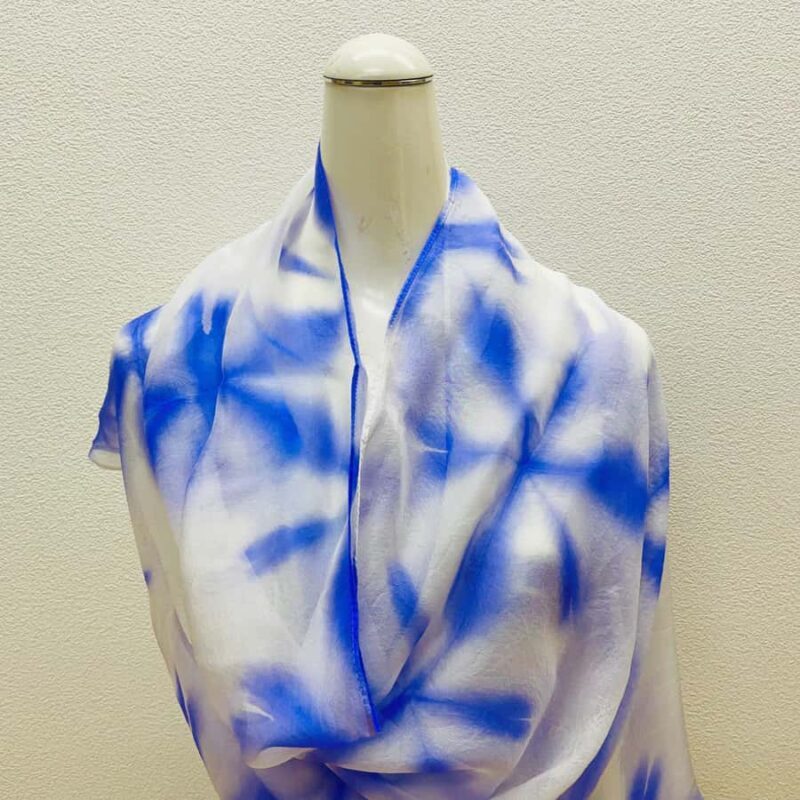
The core of the workshop involves folding your fabric in specific ways and sandwiching it between two plates—a simple but effective resistance method. When dyed, this process results in a distinctive pattern resembling petals or waves, which is both elegant and timeless. The instructor, who speaks both English and Japanese, will demonstrate the folding and binding techniques step-by-step, ensuring that even complete beginners feel confident.
The Creation Process
Once your fabric is prepared and secured, it will be dipped into dye. The actual dyeing process is quick but impactful, with the instructor explaining the significance of the colors and patterns. During the drying time, you’ll have the opportunity to browse the museum’s collection of shibori artworks, sample pieces, and tools used over centuries. This adds a layer of depth and appreciation for the craft’s history and artistry.
More Great Tours NearbyThe Final Product
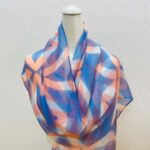
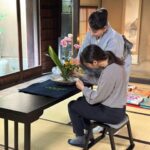
After about an hour, you’ll unwrap your scarf, revealing a pattern that’s uniquely yours. The reviews highlight the care and encouragement from staff—Danielle from the US mentioned that “everyone was so kind and helpful,” which can be a big boost for first-timers. Kim from Australia appreciated the “friendly, welcoming staff,” and noted that their scarf was celebrated by the artists before being wrapped up for them to take home.




Additional Museum Highlights
Beyond the scarf, the museum shop offers a variety of original items, souvenirs, and fabrics. It’s a great place to browse and perhaps pick up a few authentic shibori pieces if you’re interested in extending your collection or finding a special gift.
The Experience’s Strengths and Considerations
Why You’ll Love It
Authentic Craftsmanship: The process and patterns are rooted in traditional Japanese techniques, making your scarf a genuine piece of art.
Educational & Inspirational: The museum showcases a wide array of shibori masterpieces, helping you appreciate the skill involved.
Personalized Guidance: Small group size ensures that you get plenty of attention and support from the guides.
Memorable Souvenir: You leave with a one-of-a-kind scarf, crafted by your own hands, which adds sentimental value.
Potential Drawbacks
Time Limit: With only about an hour, this workshop is more about the experience than perfecting intricate designs. Those seeking a deep dive into shibori might find it a bit brief.
Language Barrier: While guides speak both English and Japanese, some explanations or nuances might be more detailed in Japanese. However, the instructions are clear and visual.
Price & Value
Considering you get a handmade, custom-designed scarf and access to a museum dedicated to shibori, this is a good value for a cultural and creative activity. The experience combines learning, creativity, and a tangible keepsake, all within an accessible timeframe.
The Detailed Breakdown of the Tour
The workshop begins with a brief introduction to the history and significance of shibori. This context enriches the experience, making your craft feel more meaningful. Guides will then demonstrate various folding and binding techniques—an essential step, as the pattern you create depends heavily on how you fold and secure the fabric.
You’ll choose your fabric, often cotton, and participate in the folding process, which is surprisingly straightforward but still satisfying. The guides are attentive, ensuring each participant understands the steps and feels comfortable. This approach fosters a relaxed atmosphere where even complete novices quickly gain confidence.
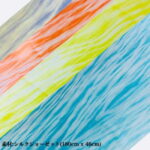
The dyeing process is swift yet engaging. The instructor explains the significance of the dye (often indigo or other colors), adding a layer of storytelling to the process. While your fabric is dyeing, you can take in the museum exhibits, which include photographs, tools, and finished pieces representing the art’s evolution.
Once your scarf has dried, you’ll carefully unwrap it, revealing the petal-like pattern that’s emerged. The guide will help you see the design’s nuances, and you’ll be encouraged to ask questions or discuss the craft with fellow participants.
Additional Insights from Reviewers
According to verified guests, the staff’s kindness and helpfulness significantly enhance the experience. Danielle noted that “they made sure that I would succeed,” highlighting how supportive the guides are, especially for first-timers. Kim appreciated the “beautiful items for sale,” which suggests that browsing the shop is also a worthwhile part of your visit.
Final Thoughts: Is This Experience Worth It?
If you’re drawn to handcrafted traditions and want a tangible souvenir to remember your trip, this shibori scarf class offers genuine value. It’s especially appealing if you prefer small-group activities that prioritize quality interaction over mass tourism. The mix of hands-on creation, museum exploration, and cultural storytelling makes it a well-rounded experience.
While it doesn’t offer an in-depth mastery of shibori, it’s perfect for those seeking an authentic, memorable activity that’s easy to fit into a day of sightseeing. The friendly guides and inspiring display of shibori art ensure you’ll come away with both a beautiful item and a newfound appreciation for this intricate craft.
Ideal for travelers who love DIY projects, cultural crafts, or want a meaningful keepsake from Kyoto. Its approachable pace and authentic environment make it a rewarding addition to any cultural itinerary.
Frequently Asked Questions
How long is the workshop?
The class lasts approximately 30 to 60 minutes, making it a quick yet meaningful activity during your day.
Is the workshop suitable for beginners?
Absolutely. The guides are friendly and provide step-by-step instructions, ensuring even those new to fabric dyeing can participate confidently.
What languages are the guides available in?
Guides speak both English and Japanese, helping international visitors understand the process and ask questions easily.
Can I cancel my booking?
Yes, you can cancel up to 24 hours in advance for a full refund, giving you flexibility if your plans change.
What should I wear?
It’s best to wear casual, comfortable clothes that you don’t mind getting a little dye on, as the dyeing process can be a bit messy.
Is it possible to purchase additional items?
Yes, the museum shop offers a variety of original shibori items and fabrics, perfect for extending your experience.
Will I be able to take my scarf home the same day?
Yes, your scarf will be dried and wrapped up for you after the session, ready to take away at the end of the workshop.
Is transportation difficult to the museum?
Not at all. The Kyoto Shibori Museum is just a 5-minute walk from Nijo Castle, making it easy to include in a sightseeing stroll.
Hanakoushi Shibori Cotton Scarf Class
The Sum Up
The Hanakoushi Shibori Cotton Scarf Class at Kyoto Shibori Museum stands out as a truly engaging activity that combines cultural education with a tactile craft. Its intimate group setting, supportive guides, and access to inspiring shibori displays make it a memorable experience for anyone interested in traditional Japanese textiles. You’ll come away not just with a beautiful handmade scarf but with a deeper appreciation for an art form that has been passed down through generations.
This experience is especially suited for travelers who enjoy hands-on activities, cultural exploration, and authentic souvenirs. It offers a perfect balance of learning and creating, wrapped in a friendly, relaxed environment. Whether you’re a craft lover or simply seeking a unique, meaningful activity in Kyoto, this workshop is worth considering.
For those who want to dive into Japan’s textile traditions without committing to a lengthy class, and who enjoy small-group intimacy, this is an excellent choice. It provides a genuine, memorable connection to Kyoto’s artistic heritage—something you’ll cherish long after your trip ends.
You can check availability for your dates here: More Great Tours Nearby