If you’re exploring Guilin and want to experience something beyond the usual sightseeing, a visit to Qixian Peak Scenic Area offers a genuinely engaging look into China’s cherished tea culture. This tour combines natural beauty with hands-on craft, giving you a taste of local traditions amid breathtaking scenery. While it’s not a perfect experience and has room for improvement, it’s a worthwhile outing for anyone interested in tea, culture, or stunning landscapes.
What we love about this tour: first, the spectacular karst formations and mist-shrouded hills that create a magical backdrop for tea fields. Second, the interactive aspect of tea picking and processing—there’s something satisfying about getting your hands dirty in the fields and trying your hand at crafting tea. Third, the quality of the green teas produced, especially the renowned “Cuiyu” brand, which rivals some of China’s finest. A possible drawback? The language barrier and limited guidance in English might leave some participants wishing for more detailed explanations.
This experience suits travelers who enjoy authentic cultural activities, love nature, and aren’t expecting a luxury tour. It’s ideal for those wanting a break from busy city life, looking to learn about tea-making, or simply eager to enjoy Guilin’s natural beauty in a relaxed setting.
- Good To Know
- Exploring Qixian Peak Scenic Area: What to Expect
- The Location and Setting
- The Tour Itinerary in Detail
- Tea Processing and Making Your Own Tea
- Tea Varieties and Quality
- Cultural Highlights and Additional Activities
- Practical Details and Tips
- Authenticity and Value
- The Experience’s Strengths
- The Experience’s Limitations
- Who Should Consider This Tour?
- Final Thoughts
- FAQ
- The Best Of Yangshuo!
- More Tour Reviews in Yangshuo
- Not for you? Here's more nearby things to do in Yangshuo we have reviewed
Good To Know
- Natural Setting: Beautiful karst landscape and misty hills provide an immersive environment for tea cultivation.
- Hands-On Activities: From picking tea buds to trying traditional processing techniques, you’ll get your hands dirty.
- Quality Tea: The teas produced, especially “Cuiyu,” are highly praised for their aroma and flavor.
- Cultural Insights: Experience tea ceremonies and learn about the significance of tea in Chinese culture.
- Limited English Guidance: Some reviews mention a lack of detailed explanations, which could affect understanding.
- Value for Money: The tour offers a unique experience that combines natural scenery, cultural activity, and product tasting, making it well worth the price.
👉 See our pick of the Best Guided Tours In Yangshuo
Exploring Qixian Peak Scenic Area: What to Expect
You can also read our reviews of more tours and experiences in Yangshuo.
The Location and Setting
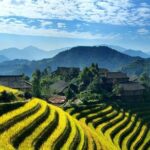
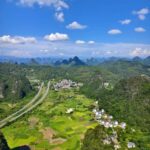
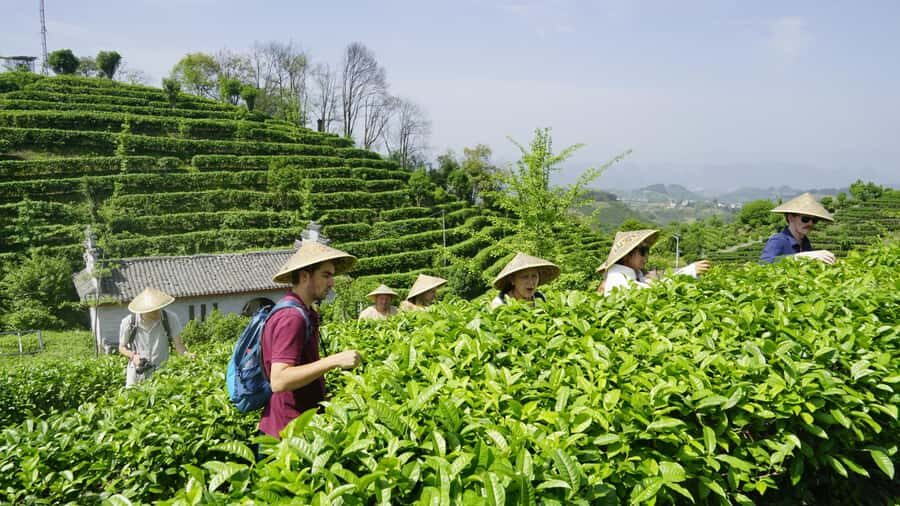
Qixian Peak Scenic Area is located in Yangshuo, part of Guilin’s famous limestone landscape. The scenic area’s altitude of over 600 meters provides a perfect climate for tea growth, with misted hills and mineral-rich soil contributing to the flavor. The landscape is both lush and dramatic, with tea terraces climbing up the hills, creating a mesmerizing view. This scenery alone makes the trip worthwhile, especially during the spring and autumn when tea buds are at their most tender and fragrant.
The Tour Itinerary in Detail
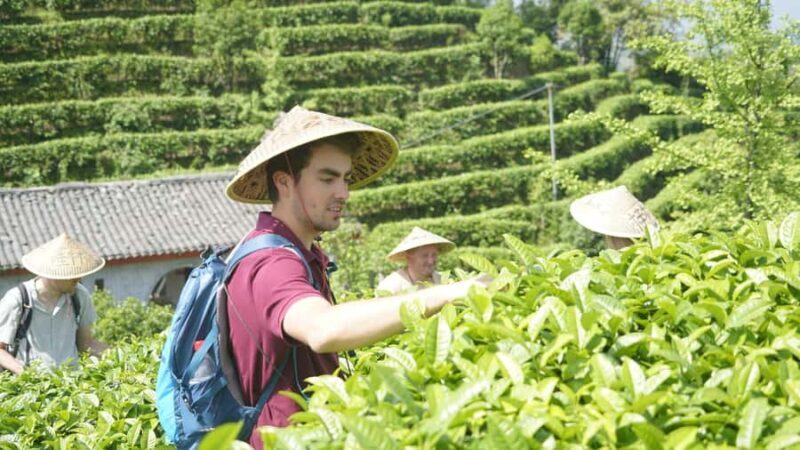
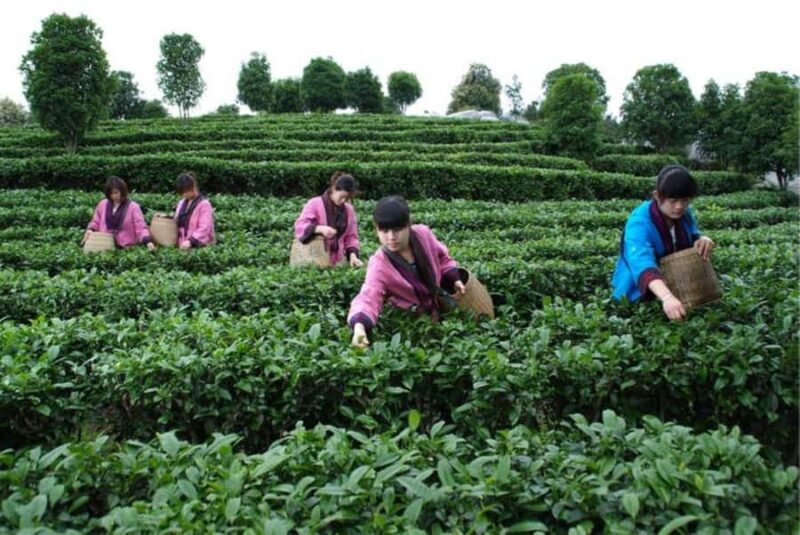
The tour lasts approximately 3 hours, starting with a brief overview of the area’s natural and cultural significance. Typically, visitors are encouraged to don traditional bamboo hats and carry tea baskets, instantly seeing the local tea farmer persona. The tea picking segment is usually during the prime seasons—April-May or autumn—when the tea shoots are at their peak.
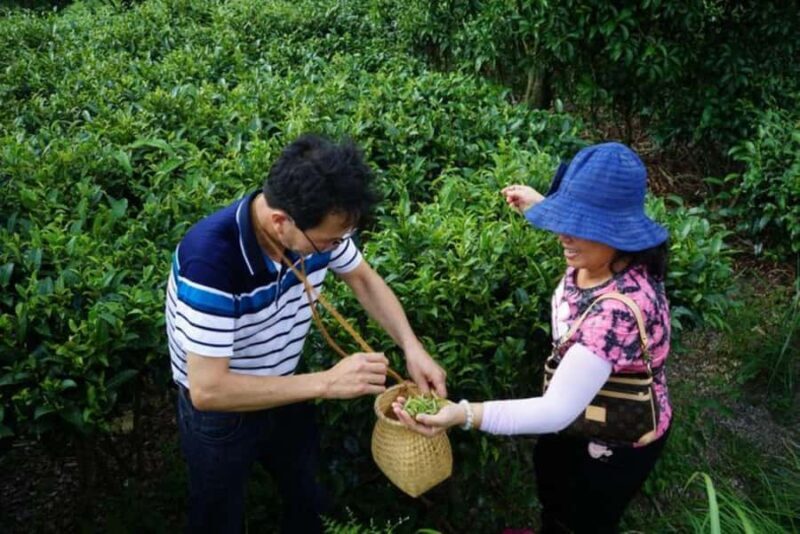
One of the highlights is the hands-on experience of picking tea leaves. Guides, often local farmers or experienced gardeners, demonstrate how to select the tender buds, emphasizing the importance of timing and technique. Visitors can then try their hand at plucking the fresh leaves, which is surprisingly more delicate and rewarding than it looks. As one review notes, “We enjoyed the chance to connect with nature amid the greenery,” which highlights how this activity fosters a genuine cultural connection.
Tea Processing and Making Your Own Tea
Following the harvest, the process moves to traditional tea craftsmanship. Here, you get to see and try stir-frying the tea leaves, an essential step to halt oxidation and preserve flavor. Guides often explain the process, including fixation, rolling, and drying, but some visitors, like one reviewer, found the explanations a bit lacking—“The person in charge sent us to pick tea but then treated the leaves herself without much teaching.”
Despite this, you’ll have the chance to try your hand at stir-frying under supervision. This interactive portion allows you to witness the transformation from fresh leaves into a fragrant green tea, culminating in a tea tasting of Cuiyu green tea. Many visitors found the teas “delicate, with a chestnut aroma and lingering sweetness,” confirming the high quality of the product.
More Great Tours NearbyTea Varieties and Quality
The “Cuiyu” brand of green tea produced here is highly regarded locally. The farm produces several varieties, including maojian, longjing, and biluochun, all made from organic, high-quality leaves. Guests often comment on the elegant shape of the leaves and the mellow, aromatic flavors that rival more famous Chinese green teas.


Cultural Highlights and Additional Activities
Beyond the tea itself, the tour occasionally features opening ceremonies with gong sounds, marking the start of the harvest season, or tea culture performances. Visitors can also learn about the ancient Tea-Horse Road, a historic route that played a critical role in trade. These cultural elements deepen the experience, making it more than just a farm visit.
Practical Details and Tips
The tour is primarily in Chinese and English, but some reviews suggest that guidance could be more informative. Guests are advised to bring biodegradable sunscreen and insect repellent—the area is lush and open, perfect for bugs and sun. The tour does not allow pets or sharp objects, and is not suitable for those in wheelchairs or over 95 years old.
Transportation is flexible, with options for hotel pickup, which is convenient but requires prompt communication with the driver. The cost is reasonable considering the hands-on activities and organic tea tasting, but it’s best viewed as an authentic cultural experience rather than a luxury leisure activity.
Authenticity and Value
This experience offers a meaningful glimpse into traditional Chinese tea culture, especially for those who appreciate interactive activities. Travelers will enjoy the picturesque landscapes and the chance to pick and craft their own tea. The quality of the green teas available for tasting adds further value, as they are well-regarded and typically rival some of China’s best.
However, the limited guidance in English can sometimes leave participants unsure about what they’re doing or learning. Some reviews mention a lack of detailed explanations, which might be frustrating if you’re eager to deepen your understanding of tea processing techniques. It’s worth noting that most of the guides are local, so language barriers could be an issue for some.
The Experience’s Strengths
- The stunning scenery and peaceful environment make for an unforgettable backdrop.
- The interactive nature of picking and processing tea helps you connect with Chinese tradition.
- The high-quality Cuiyu teas are a lovely takeaway and a tangible memory.
- The informal, family-run farm setting feels genuine and welcoming.
The Experience’s Limitations
- Some visitors found the explanations not detailed enough, especially in English.
- The group size and the level of guidance can vary, which influences how involved you feel.
- The timing is dependent on the season, with spring and autumn being the best periods.
Who Should Consider This Tour?
This experience is best suited for tea lovers, culture enthusiasts, and those who appreciate beautiful landscapes. If you’re looking for a relaxing, educational, hands-on activity during your Guilin stay, this tour offers an authentic taste of China’s tea heritage. It’s particularly appealing for travelers who prefer smaller group experiences and enjoy learning by doing.
People seeking a luxury tour or expecting in-depth historical explanations might find this experience a bit simplistic. Families with children, as long as they’re able to participate in active outdoor activities, will probably enjoy the relaxed pace and scenic surroundings.
Final Thoughts
This tea-focused tour at Qixian Peak Scenic Area provides a genuine chance to connect with China’s tea culture amid some of the most beautiful natural scenery Guilin has to offer. The opportunity to pick your own tea leaves and then see them transformed into fragrant green tea is satisfying and memorable. The stunning landscape and friendly guides—despite some language gaps—add to the charm.
While it isn’t a comprehensive or deeply educational experience in terms of technical tea knowledge, it makes up for that with authenticity and visual beauty. It’s a perfect outing if you want to slow down, enjoy nature, and learn about local traditions in an informal setting.
For tea lovers, nature seekers, and cultural explorers, this tour offers a worthwhile glimpse into a cherished Chinese craft, making it a highlight worth considering during your Guilin adventure.
FAQ
Is this tour suitable for children? Yes, children who are capable of participating in outdoor activities and are interested in nature or tea-making will likely enjoy it, especially as it’s a relaxed and scenic experience.
Do I need to bring anything? It’s recommended to bring biodegradable sunscreen and insect repellent, as the area is outdoors and lush.
Is transportation included? There is an option for hotel pickup, but you should confirm with the supplier, as the driver will contact you.
How long does the tour last? The tour runs for about 3 hours, making it a manageable activity without taking up an entire day.
Can I buy the tea I help make? While the review doesn’t specify, visitors usually get to taste the tea—some may have the chance to purchase it directly from the farm.
Is the tour suitable for people with mobility issues? No, the activity may not be suitable for wheelchair users or those with mobility limitations due to the outdoor paths and uneven terrain.
What is the best time to do this tour? The ideal season is spring (April-May) or autumn, when the tea buds are at their fullest and most fragrant.
Is there a guide who speaks English? Some guides speak English, but reviews mention that explanations could be clearer. It’s advisable to clarify language needs when booking.
To sum it up, this tour offers a genuine taste of Chinese tea culture set against the stunning backdrop of Guilin’s landscape. It’s especially rewarding for those who want a relaxed, hands-on experience that blends nature, tradition, and a bit of fun. If you’re seeking a memorable, authentic activity away from crowds, this could be a highlight of your Guilin trip.
You can check availability for your dates here: More Great Tours Nearby