
Have you ever wondered what it’s like to step into a living piece of history, where every street corner echoes with stories of the past? The Iwamura Castle Town and Edo-Era Philosophy Walk offers just that—a chance to wander through a well-preserved castle town while discovering the ideas that shaped Japanese culture. This tour is perfect for history buffs, culture seekers, or anyone curious about Japan’s intellectual roots.
What we particularly like about this experience is its balanced approach: it combines scenic strolls, authentic architecture, and engaging insights into Edo-era thought. The highlight is the connection between historic streets and the legacy of Sato Issai, a prominent Confucian scholar.
A possible consideration? It’s a relatively short tour—lasting about 1.5 hours—so those wanting a deep dive into history might prefer to extend their visit. Nevertheless, this walk is ideal for travelers looking for a meaningful, relaxed exploration of a town that feels both timeless and lively.
This experience suits visitors who appreciate cultural authenticity, enjoy walking tours, and want to connect history with local scenery. It’s especially good for those eager to see a town often used as a filming location for period dramas, adding a cinematic touch to their adventure.
- Good To Know
- Exploring Iwamura: A Living Castle Town
- The Starting Point and Sato Issai Museum
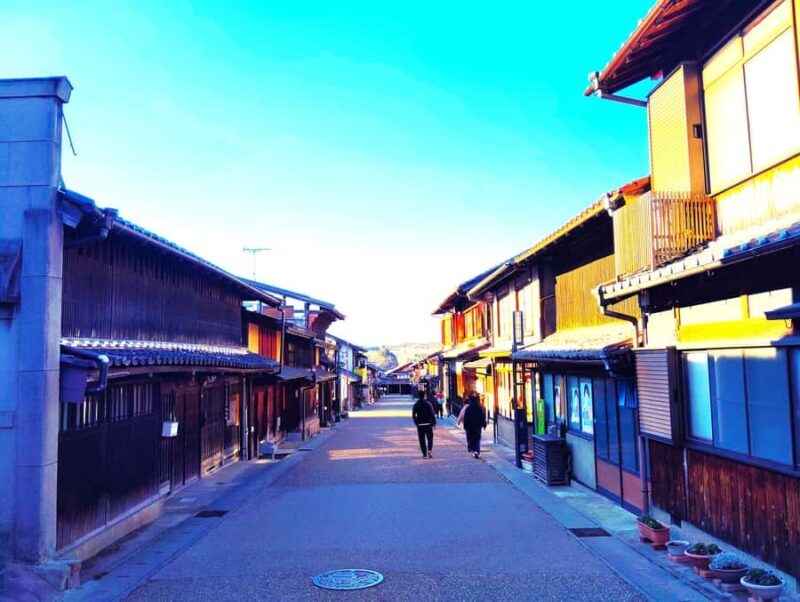
- Walking Through a Preserved Castle Town
- Streets of Tradition and Nostalgia
- Why Iwamura is a Filming Favorite
- Connecting Scenery, Thought, and Daily Life
- The Itinerary: What to Expect
- Practical Details: What Travelers Should Know
- Why This Tour Offers Genuine Value
- The Sum Up
- FAQ
- More Tour Reviews in Ena Japan
- Not for you? Here's more nearby things to do in Ena Japan we have reviewed
Good To Know
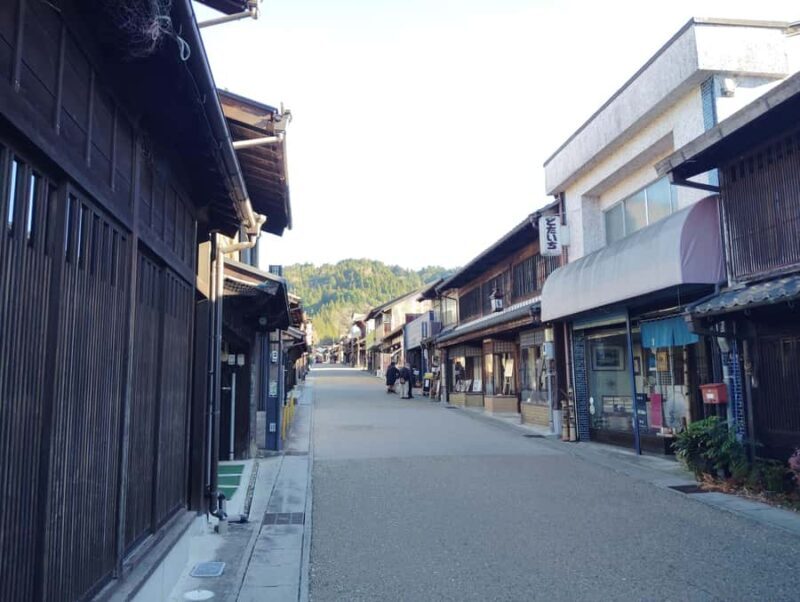
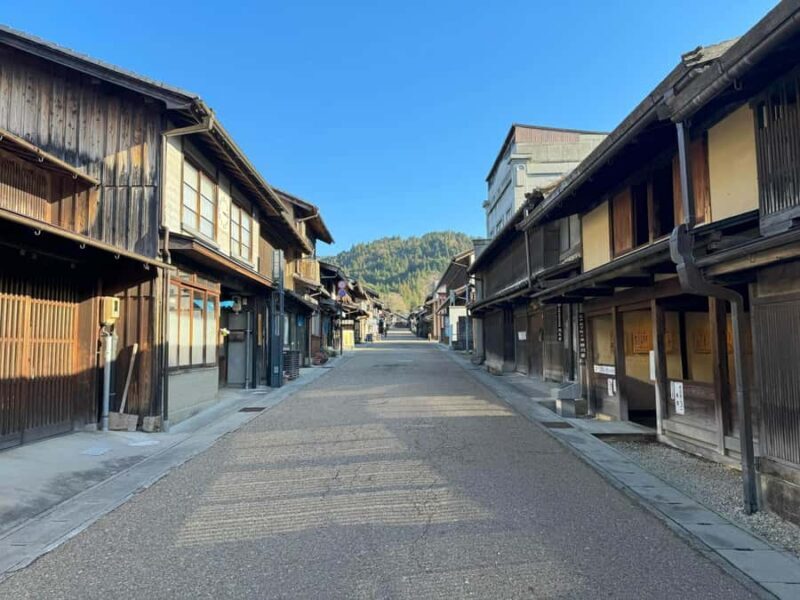
- Historic authenticity: Walk through streets that still reflect Edo-period urban design.
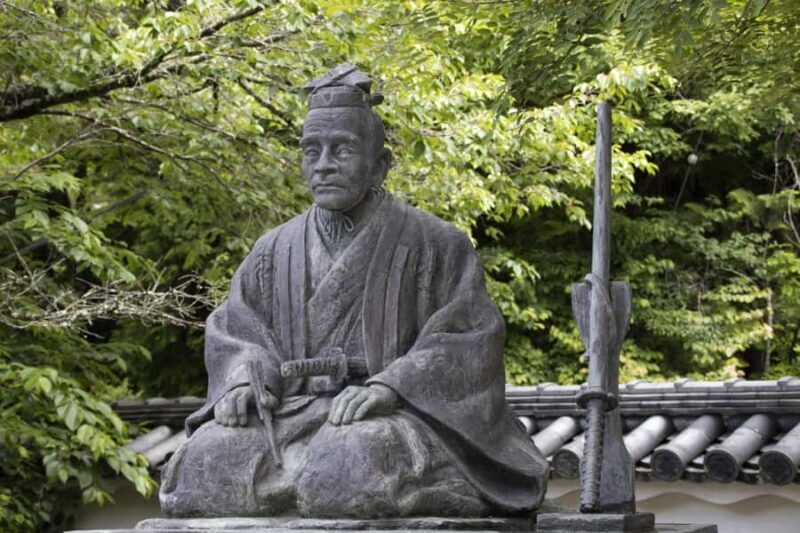
- Cultural insights: Learn about Sato Issai, a notable Confucian thinker, and his influence on Japanese thought.
- Authentic architecture: See traditional merchant houses and namako walls that evoke nostalgia.
- Scenic and cinematic: Discover why Iwamura’s scenery is favored for filming historical dramas.
- Engaging storytelling: Guided by a knowledgeable English-speaking guide, the tour offers rich commentary.
- Concise yet comprehensive: Perfect for a short, impactful experience that integrates scenery, history, and philosophy.
Exploring Iwamura: A Living Castle Town
Located in the mountains of Gifu Prefecture, Iwamura has preserved much of its Edo-era charm, offering visitors an authentic peek into Japan’s past. Unlike towns turned into tourist traps, Iwamura remains a vibrant community where history, thought, and daily life intertwine. Walking here feels like flipping through a well-worn history book, but with the added pleasure of seeing it firsthand.
You can also read our reviews of more tours and experiences in Ena Japan.

The Starting Point and Sato Issai Museum
The tour begins at the Sato Issai Manabi no Hiroba Museum, where guides greet you holding a yellow sign. This is more than just a museum—it’s a gateway into the life of Sato Issai, a scholar born in Iwamura during the late Edo period. Inside, you’ll find exhibits that explain his philosophy and influence.
Guests have noted that the museum offers a helpful introduction to Issai’s ideas, which continue to resonate in the town today. One reviewer mentioned that the museum’s explanations made it easier to understand why his words are still displayed throughout the streets and how his thoughts shape local values.
Walking Through a Preserved Castle Town
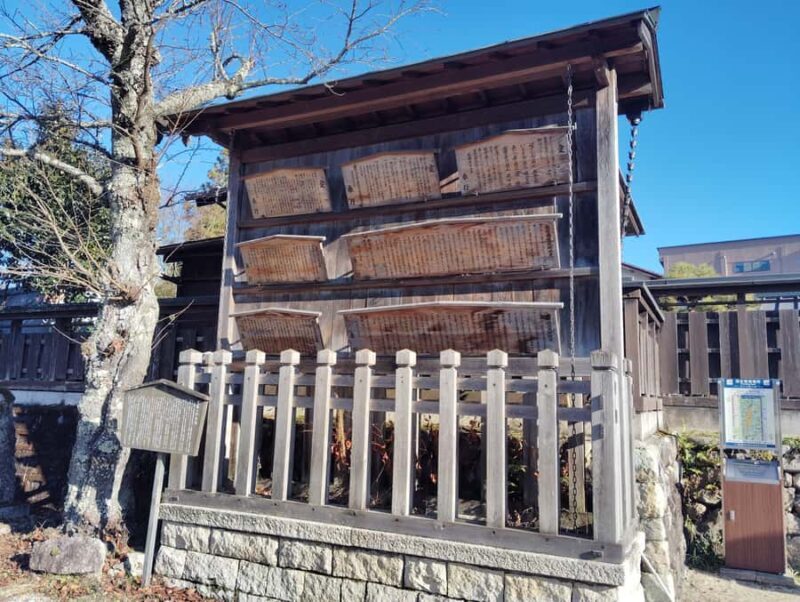
Stepping outside, the street layout begins to reveal its original purpose. Features such as masugata bends (corner defenses) and the former official notice board site showcase how Edo towns balanced security and governance. These strategic spaces highlight how authority was embedded into daily life.
Many visitors remark on how these elements give a tangible sense of governance in action. One reviewer shared, “Walking past the old notice boards, I could imagine what it was like for townspeople to hear official news in the days before mass communication.”
Streets of Tradition and Nostalgia
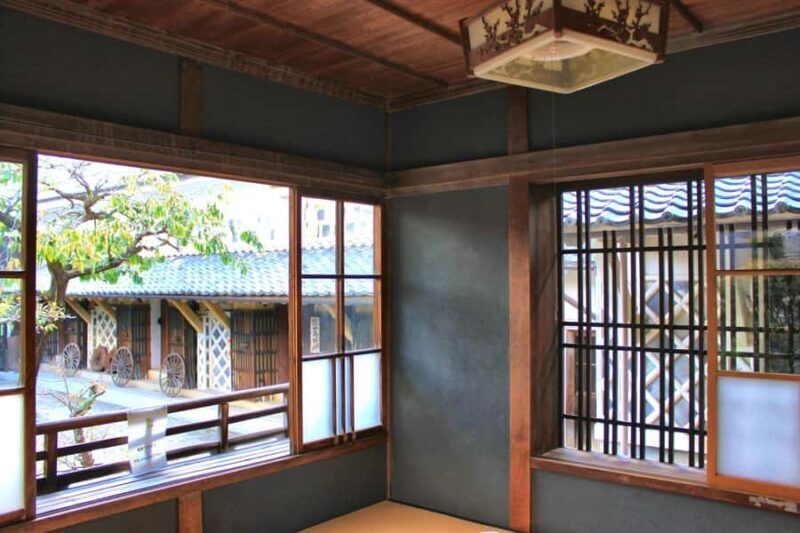
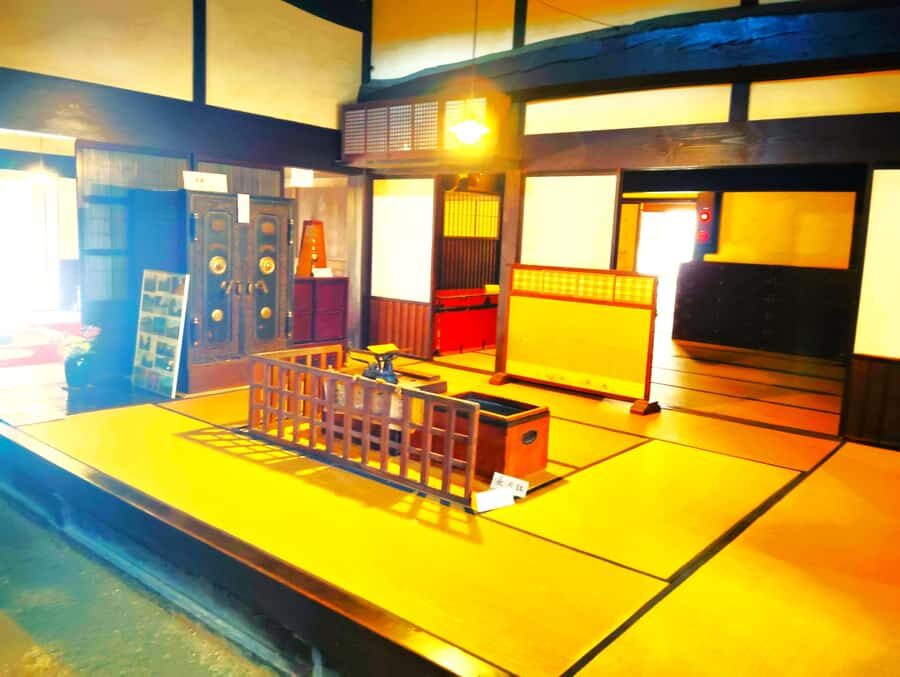
As the walk continues, you’ll encounter streets lined with merchant houses — some open for viewing. Inside, you might glimpse traditional interiors that conjure images of bustling commerce and social routines from centuries ago. The namako walls—white plaster with dark grout—are a distinct feature that lends the town its iconic look.
The town’s architecture isn’t just for aesthetics; it’s a living record of Edo craftsmanship. Visitors often comment that these streets feel remarkably authentic, and many find themselves imagining what life was like for the merchants and townspeople who called Iwamura home.
More Great Tours NearbyWhy Iwamura is a Filming Favorite
Interestingly, Iwamura’s scenery has frequently been chosen for movies and dramas set in historical Japan. We noted, in reviews, that this makes the town a popular stop for those who appreciate cinematic landscapes. It’s easy to see why: the traditional houses, narrow alleys, and preserved streets look like scenes straight out of a period film.
Connecting Scenery, Thought, and Daily Life
Throughout the walk, plaques bearing Sato Issai’s sayings appear along the streets. These serve as gentle reminders that the town’s intellectual heritage isn’t just museum display material—it’s woven into the fabric of everyday life here.
In fact, one reviewer appreciated how the street signs and quotes make the town feel like a living classroom: “It’s inspiring to see philosophy lessons embedded right into the streets, making history feel relevant.”
The Itinerary: What to Expect
The tour kicks off at the Sato Issai Museum and includes a photo stop and guided exploration in the first 30 minutes. Then, you’ll walk through Iwamura-cho Main Street for about an hour, soaking in the scenery, architecture, and stories behind the structures. All the while, your guide will share insights that deepen your understanding of the town’s past and its philosophical roots.
The pace is relaxed, making it accessible for most visitors, and the private group setup ensures personalized attention. The experience wraps up conveniently back at the starting point, leaving you with a lasting impression of Iwamura’s harmony of scenery and thought.
Practical Details: What Travelers Should Know
Timing and Duration: The tour lasts approximately 1.5 hours, making it a perfect addition to a day trip, especially if you’re exploring Gifu or nearby regions.
Group Size & Guides: Being a private group, you’ll enjoy an intimate experience with your English-speaking guide, which is great for asking questions and getting tailored insights.
Cost & Value: While the exact price isn’t specified here, the focus on quality storytelling, authentic scenery, and cultural insight suggests good value—especially considering it’s a half-day tour packed with meaningful sights.
Accessibility & Suitability: The walk involves some uneven streets and narrow alleys, so comfortable footwear is advised. It’s suitable for most age groups, particularly those interested in history and culture.
Reservation & Cancellation: You can reserve now and pay later, with full refunds available if canceled at least 24 hours in advance—ideal for flexible travel planning.
Why This Tour Offers Genuine Value
This experience isn’t just about sightseeing; it’s about understanding the connection between Japan’s physical landscape and its intellectual traditions. You get to walk through a town that feels like a living museum, where every street corner tells a story—whether it’s about governance, commerce, or philosophy.
The guide’s insights bring extra depth, helping you appreciate how the Edo-era design and architecture reflect a society obsessed with harmony, order, and moral philosophy. For those who crave authentic, culturally rich experiences in Japan, this tour offers a well-balanced blend of scenery, history, and ideas.
On top of that, the chance to see Iwamura’s streets filled with traditional merchant houses, the unique namako walls, and the scenic backdrop make it a rewarding outing, especially for fans of period dramas or anyone wanting to see Japan’s past preserved with care.
The Sum Up
The Gifu: Iwamura Castle Town and Edo-Era Philosophy Walk is a thoughtfully curated experience that combines scenic beauty with meaningful cultural insights. It’s ideal for travelers who want a short but impactful look into Japan’s historical architecture and intellectual legacy. The private format and engaging storytelling ensure a personal and memorable journey through a town that feels both timeless and alive.
If you’re seeking a peaceful stroll through a well-preserved town with the added bonus of learning about Japanese thought, this tour delivers. It’s equally suited for history enthusiasts, culture lovers, or those simply wanting a calm, scenic escape into Japan’s past.
For anyone interested in experiencing a town that’s been a backdrop for countless period dramas and still whispers stories of Edo life, this walk offers a rare, authentic glimpse that’s both picturesque and profound.
Gifu: Iwamura Castle Town and Edo-Era Philosophy Walk
FAQ
How long is the tour?
The tour lasts about 1.5 hours, making it a manageable and enriching experience without feeling rushed.
Is the tour suitable for children or older adults?
Yes, the pace is relaxed, and most age groups can enjoy the walk, though comfortable shoes are recommended for uneven streets.
What language is the guide speaking?
The tour is guided in English, ensuring clear explanations and easy communication.
Can I reserve the tour in advance?
Absolutely. You can reserve now and choose to pay later, with full refunds available if canceled 24 hours beforehand.
What is included in the experience?
Apart from the guided walk, you’ll visit the Sato Issai Museum, view traditional streets, and see plaques of his sayings throughout the town.
Is this a private tour?
Yes, it’s designed for private groups, allowing for personalized attention and flexibility.
Are there opportunities to take photos?
Definitely. The stops and scenic streets are perfect for capturing memorable images.
What should I wear or bring?
Comfortable walking shoes are essential, and a camera or smartphone for photos is recommended. Depending on the weather, bring sun protection or an umbrella.
In summary, this tour offers a meaningful, scenic, and authentic look into both the physical and philosophical fabric of Iwamura. It’s a perfect short excursion for those wanting to understand Japan’s Edo-period design and thought in a peaceful, picturesque setting.
You can check availability for your dates here: More Great Tours Nearby