Step back in time and learn about the wonders of ancient Luxor with our Full-Day Tour to the East and West Banks.
Led by our knowledgeable Egyptologist tour guide, this captivating journey will transport you to a world of grandeur and intrigue.
From the towering columns of Karnak Temple to the enigmatic Valley of the Kings, each site holds a story waiting to be unveiled.
As you explore the majestic Luxor Temple and marvel at the architectural marvel that is the Temple of Hatshepsut, you will find yourself captivated by the secrets of the past.
But that’s not all, for the Colossi of Memnon, standing tall and proud, will leave you in awe of the sheer magnificence of ancient Egypt.
Join us on this extraordinary adventure and unlock the mysteries of Luxor, where history truly comes alive.
- Good To Know
- Tour Highlights
- Valley of the Kings
- Temple of Hatshepsut
- Colossi of Memnon
- Luxor and Karnak Temples
- Common Questions
- How Long Does the Full-Day Tour to East and West Banks Typically Last?
- Is Transportation Provided for the Tour?
- Are Entrance Fees to the Attractions Included in the Tour Price?
- Are Meals Included in the Tour?
- What Is the Maximum Group Size for the Tour?
- The Sum Up
- The Best Of Luxor!
- More Tours in Luxor
- More Tour Reviews in Luxor
- Not for you? Here's more nearby things to do in Luxor we have reviewed
Good To Know
- The Valley of the Kings and Tutankhamun’s Tomb offer a mesmerizing glimpse into the ancient world of Egypt.
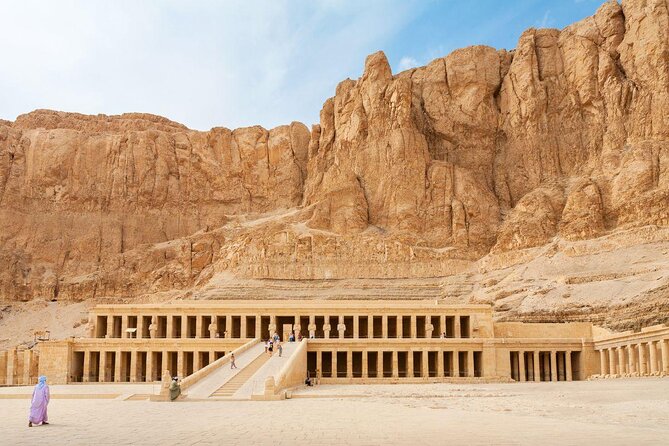
- The Temple of Hatshepsut is a magnificent architectural marvel dedicated to the only female pharaoh, showcasing her power and legacy.
- The Colossi of Memnon are the only remaining structures from the mortuary temple of Amenhotep III, depicting his authority and mythological connection.
- The Luxor Temple and Karnak Temple are both significant religious sites, with the former being the residence of the gods and the latter showcasing the architectural prowess of the ancient Egyptians.

👉 See our pick of the 18 Best Shopping Tours In Luxor
Tour Highlights
Embark on an awe-inspiring journey through the ancient wonders of Luxor as you discover the captivating highlights of the East and West Banks.
Begin your adventure by exploring the Valley of the Kings, a burial ground for pharaohs of the New Kingdom. Marvel at the intricate tombs that were once filled with treasures and artifacts.
Next, visit the Temple of Hatshepsut at Deir el Bahari, a striking structure dedicated to the only female pharaoh. Admire the unique architecture and learn about the fascinating history behind this remarkable queen.
These two sites alone offer a glimpse into the rich and complex world of ancient Egypt. Prepare to be enchanted as you step back in time and uncover the mysteries of Luxor’s past.
You can also read our reviews of more tours and experiences in Luxor
Valley of the Kings
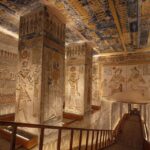
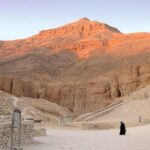
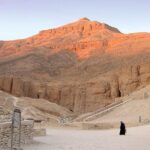
Located on the West Bank of Luxor, the Valley of the Kings is a captivating burial site that offers a mesmerizing glimpse into the ancient world of Egypt. This archaeological treasure trove is renowned for its historical and cultural significance.
Here are four reasons why the Valley of the Kings is a must-visit destination for anyone interested in tomb exploration:
Vast Number of Tombs: With over 60 tombs discovered so far, the Valley of the Kings is a vast necropolis that was the final resting place for pharaohs and powerful nobles of the New Kingdom period.
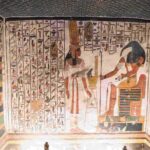
Intricate Wall Paintings: Step inside these ancient tombs and marvel at the intricate wall paintings that depict scenes from ancient Egyptian mythology, rituals, and everyday life.
Howard Carter’s Discovery: In 1922, British archaeologist Howard Carter unearthed the tomb of Tutankhamun, one of the most significant archaeological discoveries in history.
Preservation Efforts: Ongoing preservation efforts ensure that visitors can explore the tombs and witness firsthand the remarkable craftsmanship and artistry of the ancient Egyptians.
Set out on a journey through time and learn about the rich history and allure of the Valley of the Kings.
Temple of Hatshepsut
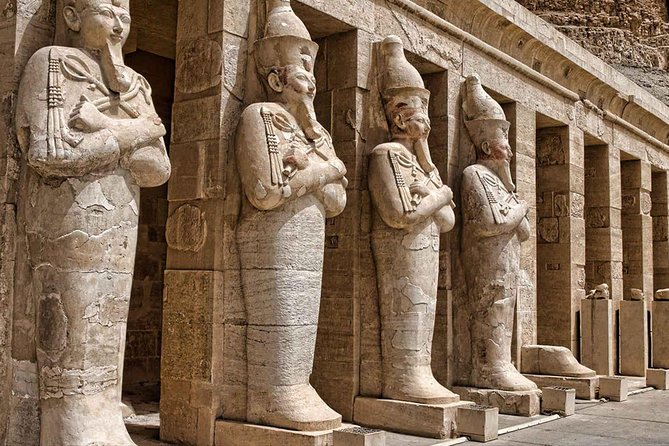
As we continue our exploration of the captivating burial sites in Luxor’s West Bank, the next stop on our journey takes us to the Temple of Hatshepsut, a magnificent architectural marvel that tells the story of one of Egypt’s most influential pharaohs.
Hatshepsut’s reign as a female pharaoh in ancient Egypt was a remarkable feat, and her temple stands as a testament to her power and legacy. Built during the New Kingdom period, the temple is characterized by its grand colonnades, terraces, and exquisite reliefs.
As we step into this ancient sanctuary, we are transported back in time, immersing ourselves in the rich history and grandeur of Hatshepsut’s reign. The Temple of Hatshepsut is not only a must-visit for history enthusiasts but also a testament to the strength and resilience of women in ancient Egypt.
Colossi of Memnon
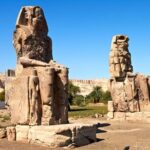
Standing proudly on the West Bank of Luxor, the Colossi of Memnon command attention with their majestic presence and fascinating history. These massive statues, each standing over 18 meters tall, were originally built as guardians of the mortuary temple of Amenhotep III.
Here are four intriguing facts about the Colossi of Memnon:
Significance: The Colossi of Memnon are the only remaining structures from the once grand mortuary temple of Amenhotep III, which was destroyed by earthquakes and floods over the centuries.
History: The statues depict Amenhotep III seated on a throne, showcasing his divine and royal authority. They were carved from a single block of quartzite and were renowned in ancient times for their melodic sounds at dawn due to the sun’s heat causing the stone to expand.
Restoration: Over the years, the Colossi of Memnon have undergone restoration to preserve their historical significance. Today, visitors can admire these magnificent statues that have withstood the test of time.
Mythology: According to ancient Greek mythology, the Colossi of Memnon were believed to be the statues of Memnon, a hero slain by Achilles during the Trojan War. The statues were said to emit a mournful sound, interpreted as Memnon greeting his mother, Eos, the goddess of dawn.
Visiting the Colossi of Memnon provides a glimpse into the rich history and significance of ancient Egyptian civilization.
Luxor and Karnak Temples
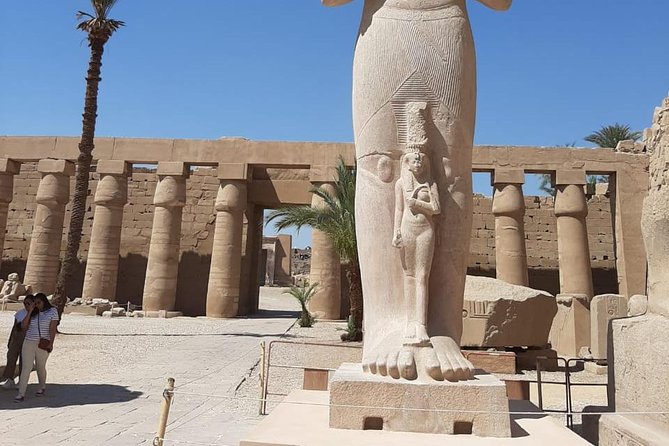
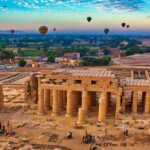
Enjoy the captivating world of ancient Egyptian architecture and spirituality as you explore the awe-inspiring Luxor and Karnak Temples. These temples are two of the most significant religious sites in Luxor, each with its own unique history and charm.
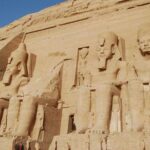
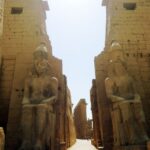
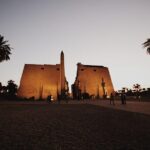
The Luxor Temple, located on the East Bank of the Nile River, dates back to the 14th century BC and is dedicated to the Theban Triad of Amun, Mut, and Khonsu. It served as a center for religious rituals and festivals and was believed to be the place where the gods resided. Today, visitors can marvel at the grandiose structures, including the colossal statues of Ramses II and the magnificent Hypostyle Hall.
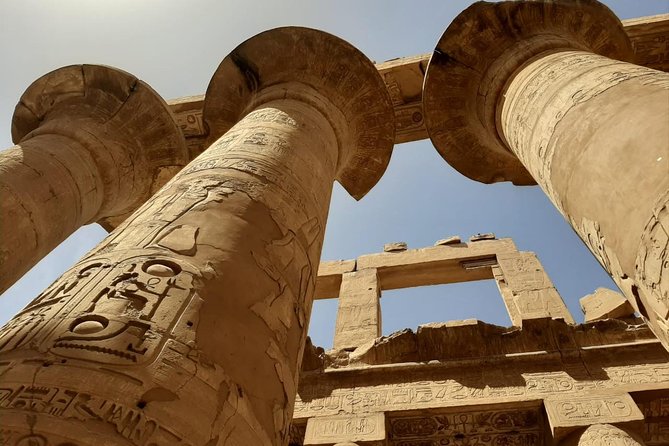
On the other hand, the Karnak Temple, located just north of Luxor Temple, is a vast complex that was built and expanded over a period of 2,000 years. It was dedicated to the worship of the god Amun-Ra, his wife Mut, and their son Khonsu. The temple complex consists of numerous temples, chapels, pylons, and obelisks, showcasing the architectural prowess of the ancient Egyptians.
During your visit, you will have the opportunity to witness the ongoing renovation work at the Karnak Temple, which aims to preserve and restore the temple complex to its former glory. This project is a testament to the dedication and commitment to preserving Egypt’s rich cultural heritage.

Common Questions

How Long Does the Full-Day Tour to East and West Banks Typically Last?
The full-day tour to the East and West Banks typically lasts approximately 8 hours. It offers an immersive experience, allowing visitors to explore popular attractions such as the Valley of the Kings, Temple of Hatshepsut, Colossi of Memnon, Luxor Temple, and Karnak Temple.
Is Transportation Provided for the Tour?
Transportation options for the tour to the East and West Banks of Luxor include air-conditioned vehicles with experienced drivers. The best time to visit is during the cooler months of November to February.
Are Entrance Fees to the Attractions Included in the Tour Price?
The entrance fees to the attractions are included in the tour price, providing comprehensive coverage and eliminating the need for additional costs. This ensures a hassle-free and cost-effective experience for travelers on the Full-Day Tour to East and West Banks.
Are Meals Included in the Tour?
Meals are typically included in the tour, but it’s important to check with the tour operator for specific details. They can accommodate dietary restrictions if notified in advance. Enjoy a delightful culinary experience while exploring the East and West Banks.
What Is the Maximum Group Size for the Tour?
The maximum group size for the Full-Day Tour to East and West Banks is determined by the tour operator. It is advisable to contact the tour operator directly for specific details on group size. The tour duration is approximately a full day.
The Sum Up

Uncover the wonders of Luxor on our immersive Full-Day Tour to the East and West Banks.
Led by a knowledgeable Egyptologist tour guide, you will explore iconic sites such as the Luxor Temple, Karnak Temple, Valley of the Kings, Temple of Hatshepsut, and the Colossi of Memnon.
With a perfect rating and glowing reviews, this exceptional tour promises an unforgettable adventure through the rich history and culture of ancient Egypt.
Join us and embark on a captivating journey through time.