
This comprehensive tour offers a flavorful glimpse into Fukuoka’s vibrant food scene, rich history, and tranquil spiritual sites. It’s a well-balanced day that combines mouthwatering seafood, historic architecture, bustling markets, and stunning shrines—all in approximately ten hours.
What really makes this experience stand out is the chance to enjoy fresh sushi at Karato Market, explore Kokura Castle’s elegant grounds, and stroll through traditional streets of Dazaifu. Plus, the guide’s insights bring each stop alive, making it more than just a sightseeing run. The only possible downside? The full day can be quite packed, so those seeking a more relaxed pace might find it a tad intense.
This tour is perfect for travelers craving a blended experience of food, history, and culture—especially those who like sampling local flavors and discovering hidden gems beyond the usual tourist spots.
- Good To Know
- Discovering Fukuoka’s Flavors and Heritage
- Starting with the Seafood at Karato Market
- Exploring Kokura Castle and Its Surroundings
- Wandering Uomachi Gintengai Street and Tanga Market
- Dazaifu Shrine and Traditional Streets
- Practical Details and Logistics
- What to Expect and Tips for the Day
- Who Will Love This Tour?
- The Sum Up
- FAQ
Good To Know
.jpg)
- Authentic culinary experiences: Taste fresh seafood directly from the market and enjoy street food at Tanga Market.
- Cultural highlights: Explore Kokura Castle and Dazaifu Tenmangu Shrine, gaining insight into Japanese history and spirituality.
- Convenient transport: Comfortable bus transfers between sites save walking time and keep the day flowing smoothly.
- Flexible shopping and free time: Opportunities to browse local shops and pick up souvenirs at markets and streets.
- Guided commentary: Knowledgeable guides in English and Korean enrich your understanding of each stop.
- Value for money: A full-day tour packed with diverse sights, authentic food, and cultural insights.
Discovering Fukuoka’s Flavors and Heritage
.jpg)
This tour offers an efficient way to experience a good mix of Fukuoka’s highlights, especially if you’re short on time but eager to get a taste of local life. From the lively Karato Fish Market to the historic Kokura Castle, each stop is thoughtfully chosen for its cultural or culinary significance.
Starting with the Seafood at Karato Market
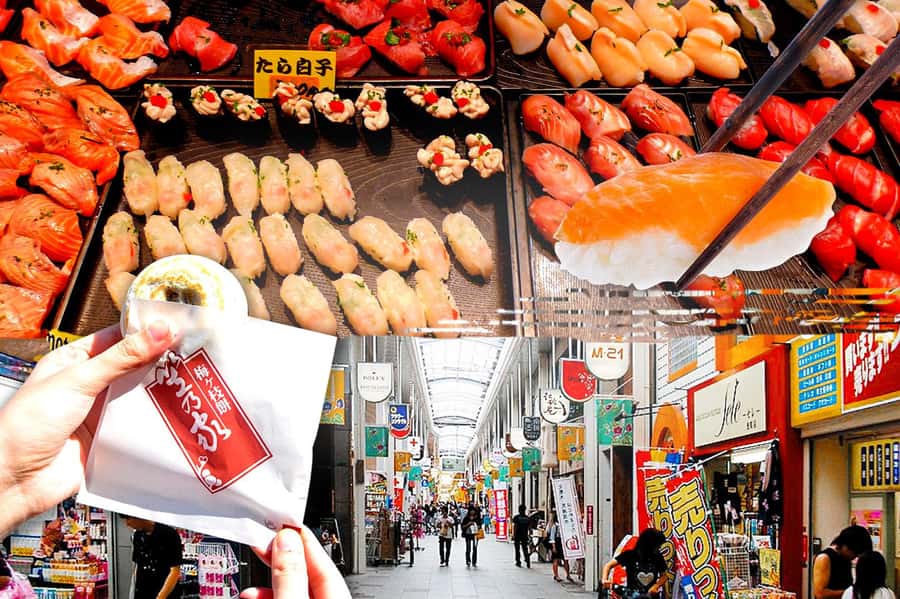
Kicking off at 9:30AM, you’ll arrive at Karato Fish Market, where the atmosphere is as lively as a bustling harbor. Expect to see colorful stalls with a tempting array of fresh sushi, sashimi, and seafood snacks. The skill of the chefs, who prepare your food right before your eyes, adds an authentic feel and ensures you’re tasting super-fresh ingredients. One review noted, “The sushi here was way better than I expected — so fresh I could taste the ocean.”
Most visitors appreciate the chance to see local seafood culture in action and grab a quick bite, often with a coffee or tea from nearby stalls. It’s a sensory overload—bright colors, varied smells, and the chatter of vendors—that captures Fukuoka’s maritime spirit.
Exploring Kokura Castle and Its Surroundings
By midday, around 12:00PM, the tour moves to Kokura Castle, famed for its 17th-century architecture and well-preserved grounds. The main keep, the Tenshukaku, offers stunning views from the top and a chance to snap some photos of the castle’s elegant silhouette. Visitors tend to enjoy the short walk around the castle’s spacious grounds, which are especially beautiful during cherry blossom season or when adorned with seasonal flowers.
A notable point from reviews is that the castle “gives a real sense of Japan’s feudal past, but it’s also lively in its openness, with locals relaxing in the park.” The 40-minute stop allows for a quick but meaningful appreciation of this historic site.
Wandering Uomachi Gintengai Street and Tanga Market
Next, the tour takes you along Uomachi Gintengai Street, Japan’s first shopping arcade, where you can browse local shops and cafes. This street is perfect for sampling regional treats like yaki-udon or grabbing a quick sweet at bakeries. It’s a lively, nostalgic stretch that blends traditional and modern shopping.
Then, the group heads to Tanga Market, a retro-style market full of over 220 stores. Here, street food rules—the smell of grilled fish, skewers, and fresh vegetables fills the air. Reviewers highlight the market’s authentic vibe: “It feels like stepping into a different era, and the snack options are endless.” It’s an ideal spot for a quick snack or a souvenir hunt, with many stalls accepting cash only, so bringing yen is advised.
More Great Tours NearbyDazaifu Shrine and Traditional Streets
The last major stop is the Dazaifu Tenmangu Shrine, arriving around 3:50PM. This serene shrine dedicated to the god of learning is surrounded by seasonal flowers, tranquil ponds, and historic streets. The peaceful atmosphere provides a perfect contrast to the morning’s market bustle.
Many visitors find wandering through the traditional streets around the shrine a highlight, with shops selling local sweets, charms, and souvenirs. The shrine itself is a significant cultural site, and many appreciate the opportunity to connect with Japan’s spiritual side before heading back.
Practical Details and Logistics
The full day includes comfortable bus transfers—about 80 minutes each way—making the travel between sights seamless. The tour starts from one of two convenient locations: Fukuoka Central Post Office or the Lawson Oriental Hotel. The itinerary, though well-structured, might see some adjustments due to traffic or weather, which is common for day trips.
Guides are bilingual, offering insights in both English and Korean, and reviews note that guides like “Yuki was incredibly knowledgeable, sharing stories that made each spot come alive.” The group size tends to be manageable, allowing for interaction and questions.
Given the duration, the tour is quite comprehensive but may feel rushed if you prefer lingering at each site. The mix of food, history, and culture provides excellent value, especially for first-time visitors eager to get a well-rounded impression of Fukuoka.
What to Expect and Tips for the Day
- Transport & Timing: The bus rides are generally smooth but expect about 80 minutes each way. Start early to maximize your day.
- Food & Shopping: Cash is king at many market stalls, so bring enough yen. Be prepared for some quick bites rather than full meals.
- Walking & Comfort: Some sites involve walking on uneven surfaces or in crowded markets—wear comfortable shoes.
- Weather considerations: The itinerary is weather-dependent; good rain gear or sun protection can improve your experience.
- Additional Info: If you’re bringing a baby stroller, inform the organizers as it might influence some site access.
Who Will Love This Tour?
.jpg)
This experience suits travelers who want a full immersion into Fukuoka’s local flavors, historic sights, and spiritual sites. It’s ideal for those who appreciate authentic food experiences and are comfortable with a busy schedule. Families, foodie travelers, and history buffs alike will find something to enjoy here. If you’re after a laid-back, slow-paced day, this might feel a bit rushed, but for most, the variety and depth make it a worthwhile adventure.
The Sum Up
.jpg)
This tour offers a balanced look at Fukuoka’s best-kept secrets—fresh seafood, historic castles, vibrant markets, and tranquil shrines—all in one day. The convenience of organized transport and guided commentary makes it accessible, while the opportunity to taste local delicacies and see cultural landmarks provides real value.
It’s perfect for curious travelers who want an authentic slice of Fukuoka without the hassle of planning every detail. The combination of food, history, and spirituality ensures there’s something for all, especially those eager to experience Japan’s multifaceted charm in a manageable, well-structured way.
FAQ
.jpg)
What time does the tour start? The tour typically begins around 9:30AM, with two meeting points available—either the Fukuoka Central Post Office or the Lawson Oriental Hotel.
How long are the bus rides? Expect approximately 80-minute bus rides between stops, allowing for comfortable travel without feeling rushed.
Is there free time at the markets? Yes, at both Uomachi Gintengai Street and Tanga Market, you’ll have time to browse, shop, and try local street foods.
Are vegetarian options available? The tour primarily highlights seafood and local treats, but at markets, you might find some stalls offering vegetarian snacks—check with guides for recommendations.
What should I bring? Yen for cash transactions, comfortable walking shoes, weather-appropriate clothing, and a camera for photos.
Can I bring a stroller? Yes, but inform the tour organizer beforehand, as some sites and streets might have limited access for strollers.
Is this tour suitable for kids? The experiences are generally family-friendly, especially if your children enjoy markets and cultural sites, but be prepared for a full day of activity.
How flexible is the itinerary? The guide may adjust the schedule based on traffic and weather, but overall, the tour covers all major stops planned.
This detailed experience offers a well-rounded, enriching day in Fukuoka—perfect for those eager to indulge in local flavors while soaking up Japan’s historic and cultural atmosphere.
You can check availability for your dates here: More Great Tours Nearby