- Exploring Fukuoka: Ohori Park and Tochoji Temple Walking Tour
- Good To Know
- What the Tour Involves
- Ohori Park: More Than Just a Pretty Lake
- Tochoji Temple: Home of Japan’s Largest Buddha
- Exploring Hakata’s Streets and Monuments
- Additional Highlights: Light-Up Events and Cultural Touchpoints
- What’s Included and What’s Not
- The Practicalities
- Why This Tour Works
- Who Will Love This Tour?
- Final Thoughts
- FAQ
- The Best Of Fukuoka!
- More Walking Tours in Fukuoka
- More Tours in Fukuoka
- More Tour Reviews in Fukuoka
- Not for you? Here's more nearby things to do in Fukuoka we have reviewed
Exploring Fukuoka: Ohori Park and Tochoji Temple Walking Tour
If you’re looking to get a genuine sense of Fukuoka’s history and culture without just ticking off a list of sights, this guided walking tour offers a thoughtful peek into the city’s soul. Priced at $270 per person, it balances historical insight with authentic local atmosphere, making it a compelling option for culture enthusiasts and history buffs alike.
What we love about this tour is the way it combines outdoor serenity with spiritual and wartime stories, all delivered by guides who clearly know their stuff. The chance to stand before Japan’s largest seated Buddha and learn about Fukuoka’s wartime resilience are standout moments. One thing to consider: the tour involves a good amount of walking, so it’s best suited for those comfortable on their feet. If you enjoy immersive history and local flavor, this experience will suit you perfectly.
You can check availability for your dates here:
👉 See our pick of the 2 Best Workshops And Classes In Fukuoka
Good To Know
- In-depth historical context of Ohori Park and its connection to Fukuoka Castle
- Iconic sights like Japan’s largest Buddha statue at Tochoji Temple
- Authentic wartime monuments showcasing Fukuoka’s resilience
- Cultural highlights such as the Setsubun Festival and local street atmosphere
- Quality guidance that offers more than just surface-level commentary
- Affordable value considering the diverse stops and insights provided
You can also read our reviews of more walking tours in Fukuoka


What the Tour Involves
This tour offers a well-rounded, engaging journey through some of Fukuoka’s most meaningful sites, all accessible on foot. It begins in Dekimachi Park, where an introduction sets the tone and allows everyone to get acquainted. This informal start feels welcoming and is a chance for the guide to share some local anecdotes before heading out.
Ohori Park: More Than Just a Pretty Lake
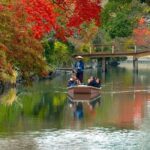
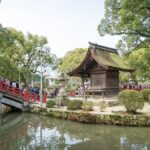
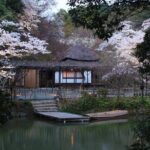
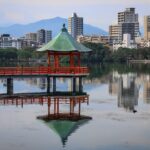
The journey starts at Ohori Park, a peaceful green space rich in history. Originally the outer moat of Fukuoka Castle, the park’s transformation into a public haven is a story of rebirth after destruction. During World War II, the area suffered heavy bombing, which destroyed the Fukuoka City Zoological Garden—another reminder of wartime scars. What’s remarkable is the Ukimi Pavilion, a structure that survived the bombings and was moved here in 1949, becoming a symbol of resilience.
Walking around Ohori Park, you’ll notice the calm lake and scenic paths that contrast sharply with its turbulent past. Guides often share how this area was shaped by war and peace, making it more than just a scenic spot—it’s a living piece of history.
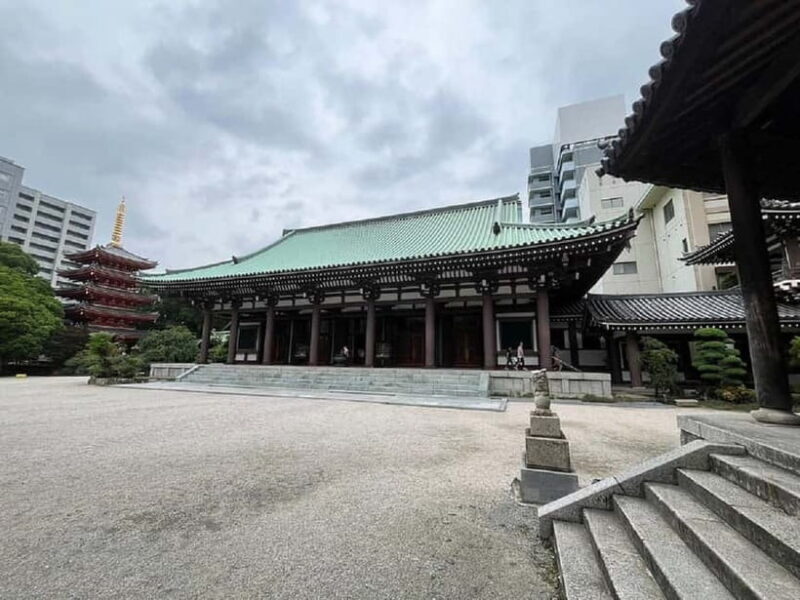
Tochoji Temple: Home of Japan’s Largest Buddha
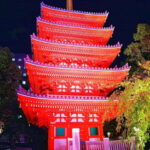
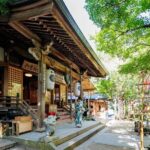
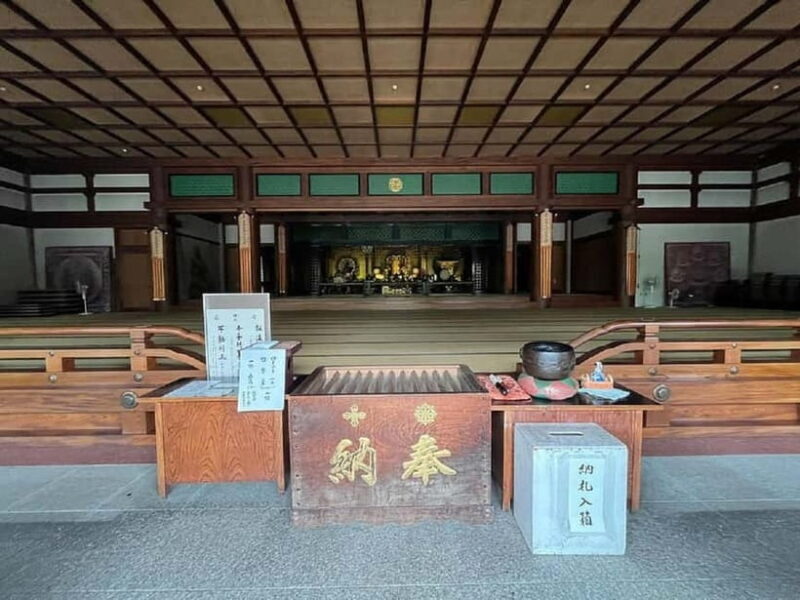
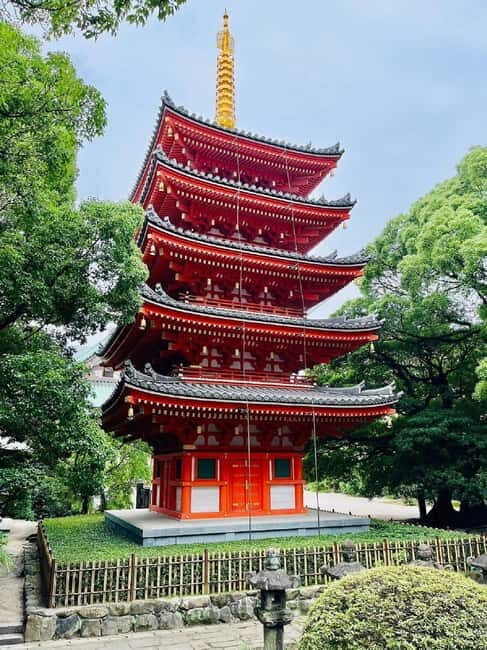
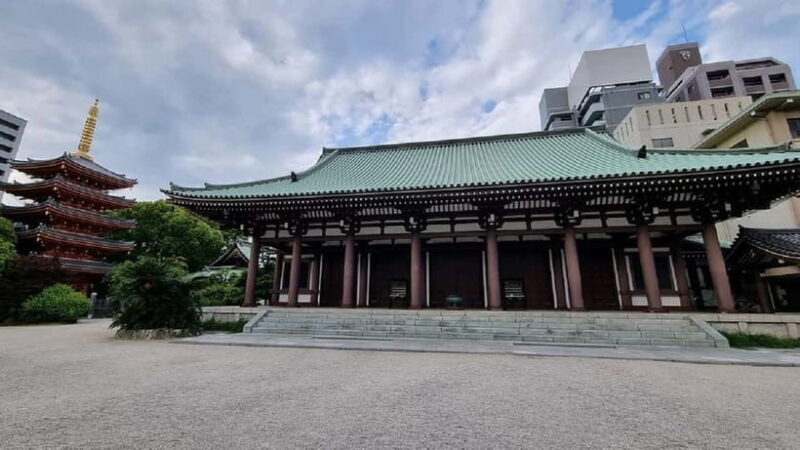
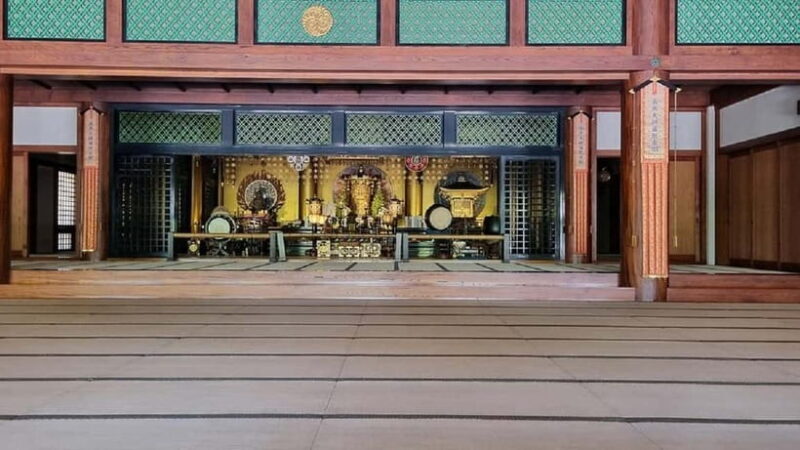
From the park, the tour moves to Tochoji Temple, a spiritual site with deep roots. Known for housing the 16.1-meter-high wooden Shakyamuni Buddha, it’s an awe-inspiring sight that makes this stop truly memorable. According to reviews, visitors are often struck by the size and serenity of the Buddha, which embodies a sense of calm and reverence.
The temple’s importance is heightened by its association with the lords of Chikuzen Province, with tombs of Tadayuki Kuroda II and Mitsuyuki III. Inside the temple storehouse, you’ll find the Senju Kannon Bosatsu, a carved-from-single cedar wood statue from the Heian period, designated as a cultural property—another highlight for history lovers.
If you visit during February, you might get to experience the Setsubun Festival, where the temple hosts bean-throwing ceremonies featuring the Seven Gods of Good Luck and traditional demons. It’s a lively event with a distinctive local flavor, illustrating how ancient customs are still alive today.
More Great Tours NearbyExploring Hakata’s Streets and Monuments
Post-temple, the tour often takes a walk through Hakata’s streets, capturing the lively, old-town atmosphere. The area is bustling but retains a sense of its historic character, perfect for absorbing local life. Along the way, you’ll see the War Damage Reconstruction Monuments, including a utility pole monument in Tokyo and a monument in Kagoshima, which highlight the city’s wartime recovery.


Additional Highlights: Light-Up Events and Cultural Touchpoints
Depending on the time of year, you might experience special events like the Hakata light-up, a beautiful display that illuminates parts of the city in autumn, or the Setsubun Festival in February, with its lively bean-throwing ceremony. These moments add depth to the tour, providing authentic local festivities.
What’s Included and What’s Not
This tour offers a comprehensive experience, with several key sites included at the $270 price point. You’ll visit:
- The Hiroshima Peace Memorial (Genbaku Dome)—a poignant reminder of peace and war’s toll
- The War-Damaged Utility Pole Monument in Tokyo and similar monuments in Kagoshima—showing how Fukuoka aligns with Japan’s broader wartime history
- The scenic Ohori Park and historic Tochoji Temple
- The lively Hakata streets and cultural festivals such as Setsubun or the autumn light-up event
What’s not included are personal expenses and food or drinks, giving you flexibility to explore local eateries on your own. The tour is designed for those interested in history and culture, and it’s generally accessible except for wheelchair users, or those with mobility issues.
The Practicalities
Starting at Dekimachi Park, the tour lasts a few hours, with enough walking to keep you engaged but not exhausted. Guides are knowledgeable and fluent in English, sharing stories that go beyond the basic facts—perfect for those who love detailed insights. Group sizes tend to be manageable, ensuring a personal experience.
The tour is flexible with the option to reserve now and pay later, a smart choice if you’re planning ahead. Keep in mind that it’s best suited for travelers who are comfortable on their feet, as some sites involve walking and stairs.
Why This Tour Works
We appreciated how the guide explained the significance of each site, connecting history with present-day Fukuoka. The story of Ukimi Pavilion’s survival, for example, makes the experience more meaningful—it’s not just about seeing a structure but understanding what it represents.
The visit to Tochoji Temple specifically stands out because of the size and artistry of Japan’s largest Buddha. The guides’ insights into the temple’s history and cultural importance are clear and engaging, making it a highlight for many reviewers.
The wartime monuments added a layer of gravity, giving the tour a balanced mix of peaceful parks, spiritual sites, and historical recovery. For those interested in war history and resilience, these elements turn what could be a simple sightseeing walk into a powerful storytelling experience.
Who Will Love This Tour?
This experience is perfect for travelers who appreciate history and culture but prefer a paced, guided approach. It’s ideal for those wanting to see iconic sights like Japan’s largest Buddha while learning about Fukuoka’s resilience through wartime monuments. The inclusion of local festivals and events makes it especially attractive if visiting during February or autumn.
If you prefer independent exploring, this tour offers a convenient way to hit key cultural landmarks with expert guidance. However, those with mobility challenges might need to consider how much walking is involved, as the sites are spread out.
Final Thoughts
This walking tour of Ohori Park and Tochoji Temple offers a thoughtful glimpse into Fukuoka’s layers of history—from peaceful parks to wartime resilience and spiritual grandeur. The guides’ deep knowledge and authentic storytelling elevate the experience, making it more than just a sightseeing day.
At $270, it provides excellent value for travelers eager to understand the city’s past through its most meaningful sites. It combines outdoor beauty, spiritual artistry, and historic monuments, making it a well-rounded cultural exploration.
Whether you’re a history buff, a spiritual seeker, or someone curious about Japan’s wartime story, this tour gives you meaningful insights wrapped in a pleasant walking experience. It’s a fantastic way to connect with Fukuoka’s soul—calm, resilient, and full of stories waiting to be told.
FAQ

What is the starting point of the tour?
The tour begins at Dekimachi Park, where you’ll meet your guide for introductions and a quick overview before heading out.
How long does the tour last?
While the exact duration isn’t specified, expect a few hours of walking and sightseeing, covering outdoor sites, temples, and streets.
Is transportation included?
The tour involves walking between sites; no mention of transportation is made, so be prepared to walk and enjoy the outdoor scenery.
What are the highlights of the tour?
The main highlights include Ohori Park’s history, Japan’s largest seated Buddha at Tochoji, wartime monuments, and cultural festivals.
Can I see the Setsubun Festival?
Yes, if you visit in February, the tour might coincide with the Setsubun Festival, featuring bean-throwing ceremonies and traditional festivities.
Are there any age restrictions?
The tour isn’t suitable for those over 95 or individuals with mobility issues, especially wheelchair users, due to walking requirements.
Is the tour suitable for history lovers?
Absolutely. With detailed historical insights and visits to wartime monuments, history enthusiasts will find this tour deeply rewarding.
What is the language of the tour?
The tour is conducted in English, making it accessible for international travelers.
How can I book this tour?
You can reserve your spot with the provider, PopUP Local Tours, with a flexible pay-later option, giving you peace of mind for your travel plans.