
Fukushima Hope Day Tour from Tokyo: A Balanced Look at Resilience and Reflection
Traveling to Fukushima to witness its ongoing recovery after the 2011 earthquake and nuclear disaster is a powerful experience. This guided tour, operated by JGA Inc. and rated 4.8, offers a meaningful way to understand the region’s resilience while supporting local efforts. It’s especially suitable for those interested in history, disaster recovery, or meaningful travel that makes a difference.
What makes this tour particularly appealing are its insightful guides, the opportunity to visit sites still bearing the marks of past disasters, and the chance to contribute financially to the region. However, considering the emotional weight and the limited number of sites you can choose from, it’s best for travelers prepared for a reflective day.
A possible limitation is that you aren’t allowed to enter the Fukushima Daiichi Nuclear Power Station itself, which might disappoint those eager for a behind-the-scenes look at nuclear recovery efforts. But overall, this tour suits travelers longing for a respectful and educational experience rather than a sightseeing frenzy.
Who will love this tour? Anyone with a curiosity about Japan’s resilience, those wanting to support affected communities, or travelers seeking a unique, meaningful day outside typical tourist spots will find this experience rewarding.
- Good To Know
- Introduction: What to Expect from the Fukushima Hope Day Tour
- Exploring Fukushima’s Survivors and Sites
- The Itinerary Breakdown
- Site Visits and Their Significance
- Support through the Tour
- Site Safety and Radiation Levels
- Guides and Personal Experiences
- Logistics and Practical Details
- Duration and Flexibility
- Group Size and Comfort
- Cost and Value
- Booking and Flexibility
- The Experience You’ll Take Home
- Who Will Benefit Most from This Tour?
- Final Thoughts
- FAQ
- More Guided Tours in Tokyo
- More Tours in Tokyo
- More Tour Reviews in Tokyo
- Looking for something different? Other Tokyo activities we've written about
Good To Know
- Authentic Insight: Guided by knowledgeable local experts who share personal stories and recovery details.
- Supporting the Region: All proceeds go toward aiding Fukushima’s ongoing revitalization.
- Safety and Comfort: Sites visited have radiation levels below 0.05 mSv/hr, ensuring safe exploration.
- Flexible Itinerary: You can choose 3-4 sites from a list, tailoring the experience to your interests.
- Transportation Included: Comfortable vehicle transfer from and back to Tokyo makes logistics hassle-free.
- Private Groups: Offers an intimate, personalized experience with your own guide.
Introduction: What to Expect from the Fukushima Hope Day Tour
This tour promises a guided journey through Fukushima’s landscapes scarred by the 2011 earthquake, tsunami, and nuclear accident — but also through the stories of hope, recovery, and resilience. While we haven’t personally taken it, reviews highlight how meaningful and well-structured the experience is.
What we love is the opportunity to see Fukushima beyond the headlines, visiting sites where the disaster’s impact remains visible but where revitalization efforts are underway. The guides are praised for their local knowledge and sensitivity, often sharing personal insights that make the history feel real and human.
A highlight is the chance to support the region directly through your tour fee, which goes to local donations. But keep in mind that while the experience is deeply educational, it’s not a sightseeing tour in the traditional sense — it involves reflection and learning.
Lastly, the tour’s length varies from 8 to 13 hours, so it’s suitable for those with a full day to dedicate to a meaningful excursion. The main caveat? You can’t enter the Fukushima Daiichi Nuclear Power Station itself, but this doesn’t diminish the richness of the experience.
Like guided experiences? More Tokyo tours with local guides
Exploring Fukushima’s Survivors and Sites
The Itinerary Breakdown
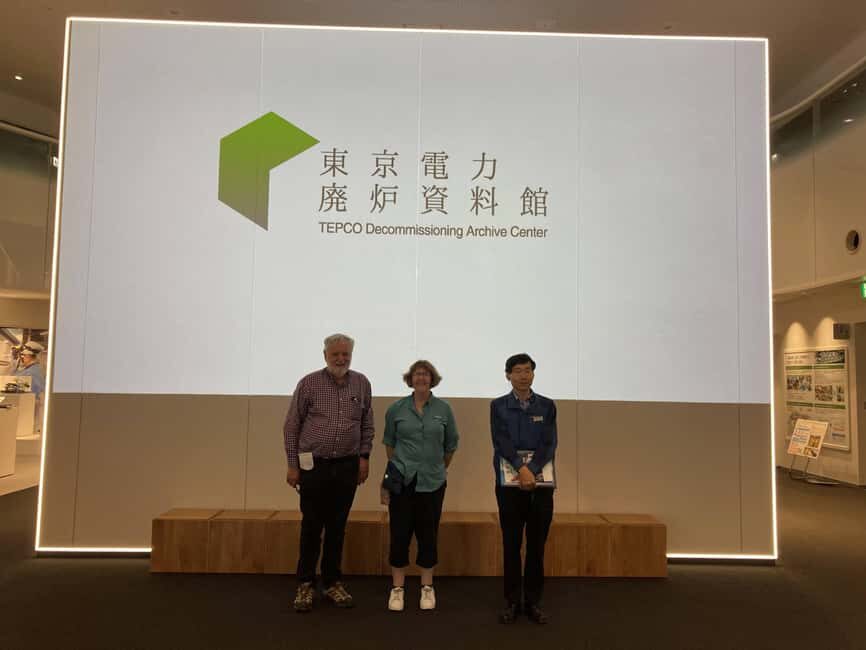
The tour departs from Tokyo, with a driver and vehicle ensuring a comfortable, stress-free transfer. Once in Fukushima, you’ll meet your licensed local guide at the TEPCO Decommissioning Archive Center, which offers a detailed look into nuclear decommissioning efforts. From there, you select 3 or 4 sites from a list, which include:
- Hirono-machi (pass-by without stopping): offers a quick glimpse of the area affected by the disaster.
- Michinoeki Namie and Namie-machi: these roadside stations are vital hubs for local produce and stories of rebuilding.
- Ukedo Elementary School Ruins: a poignant reminder of the tsunami’s destruction and the community’s resilience.
- The Great East Japan Earthquake and Nuclear Disaster Memorial Museum: a comprehensive site that contextualizes the event, perfect for understanding the disaster’s scope.
- Futaba-machi: an area still bearing the scars of evacuation, now a symbol of recovery efforts.
Site Visits and Their Significance
Travelers frequently comment on how the Ukedo Elementary School Ruins profoundly affected them. “Seeing the school where kids once played was surreal — and a reminder of the lives impacted,” one reviewer said. Such sites are not just remnants but symbols of loss and hope.
The Memorial Museum is praised for its detailed exhibits, which provide context without overwhelming. Many noted that the museum helped make sense of the chaos and devastation while highlighting ongoing recovery.
More Great Tours NearbySupport through the Tour
All proceeds are directed toward donations for the affected areas, giving this experience a layer of meaningful contribution. It’s an opportunity for travelers to make a real difference, especially since the tour explicitly states that funds go directly to local recovery initiatives.
- Let'S Make Kimono !(Kimono Is a Gift for You)
- Small-Group Half-Day Pop Culture Tour of Harajuku, Tokyo
- Kawaii Food Tour of Harajuku Tokyo
- MOUNT FUJI And Hakone Sightseeing Adventure With Guide
- Tokyo Private Transfer for Narita Airport (Nrt) – Toyota HIACE 9 Seats
- Luxury Ride Trip to Famous Car Meet up Spot Daikoku
Site Safety and Radiation Levels
An important reassurance is that radiation levels at all visited sites are below 0.05 mSv per hour — comparable to everyday background radiation in many parts of the world. This makes the tour accessible and safe for most travelers, even those with concerns about radiation exposure.
Guides and Personal Experiences
From reviews, guides are one of the tour’s strongest points. They are described as knowledgeable and personable, often sharing personal stories or local anecdotes that enrich the visit. For example, one guide was praised for explaining the decommissioning process in a way that was accessible but thorough.
Travelers mention that guides often adjust the tour based on the group’s interests, whether focusing more on the recovery stories or the technical aspects of nuclear cleanup. Their insights help visitors understand that Fukushima’s story isn’t just about disaster but also about resilience and hope.
Logistics and Practical Details
Duration and Flexibility
The tour lasts between 8 to 13 hours, depending on the number of sites visited and the group’s pace. Early starts are common, with pickup from your hotel or a nearby location in Tokyo. After the day, you’ll be returned to your accommodation, ready to process the day’s emotional and educational journey.
Group Size and Comfort
Being a private group experience, it offers personalized attention and avoids the feeling of rushed group tours. This intimacy allows for better engagement with guides and more room to ask questions.
Cost and Value
At $425 per person, this tour is priced in line with other specialized day trips from Tokyo. Given that transportation, expert guides, museum admissions, and donations are covered, the value is quite reasonable for such a meaningful experience.
Booking and Flexibility
The option to reserve now and pay later provides flexibility, and free cancellation up to 24 hours in advance makes it easier to plan without stress.
The Experience You’ll Take Home
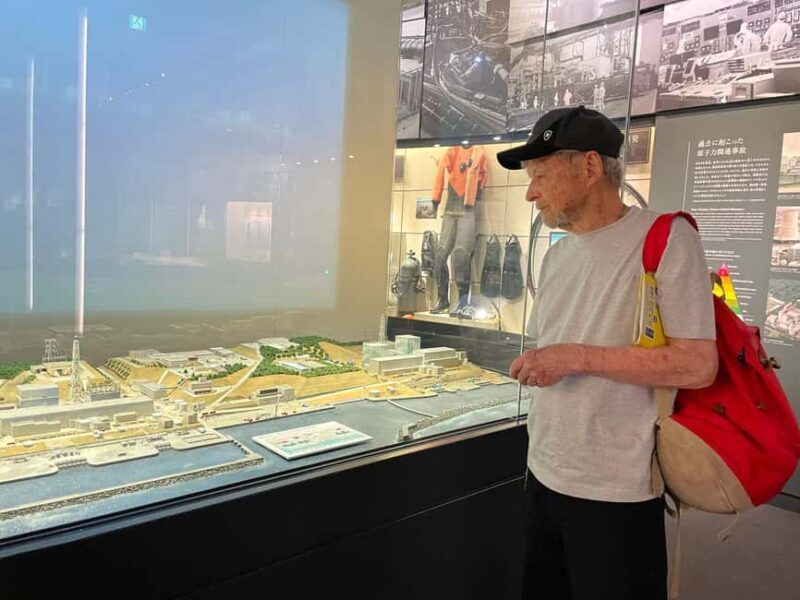
This tour is more than sightseeing; it’s a chance to connect with Fukushima beyond the disaster headlines. You’ll leave with stories that highlight the region’s ongoing effort to rebuild and a deeper understanding of the human toll and resilience.
Travelers have found that the knowledgeable guides make the experience engaging and respectful, often sharing personal insights that stay with you long after the day ends. The emotional impact, combined with the chance to support local communities, makes this a truly impactful journey.
Who Will Benefit Most from This Tour?
This experience is ideal if you’re seeking educational content combined with authentic stories. It’s perfect for those with a genuine interest in Japan’s recovery, disaster history, or social issues. Since it involves reflective visits rather than traditional sightseeing, it suits travelers prepared for a more serious, contemplative day.
It’s also a good choice for those who want to make a difference — knowing your tour fee supports local efforts adds a meaningful layer to the day. The private group setting makes it suitable for families, couples, or small groups who appreciate a more tailored experience.
Final Thoughts
This Fukushima Hope Day Tour offers a thoughtful, respectful exploration of a region that has faced unimaginable challenges but continues to move forward. It combines compelling storytelling, site visits of emotional significance, and a chance to contribute directly to recovery efforts.
Travelers looking for a meaningful, educational, and well-organized experience will find it worth the investment. Just remember, it’s not about ticking off tourist attractions but about understanding resilience, making it best suited for those with a sincere curiosity and respect for the region’s history and ongoing recovery.
FAQ
Can I reserve the tour and pay later?
Yes, you can reserve your spot now and pay nothing until closer to your travel date, with free cancellation up to 24 hours before.
What is the duration of the tour?
The tour lasts between 8 and 13 hours, depending on the number of sites visited and group pace.
Is the tour suitable for wheelchair users?
Yes, the tour is wheelchair accessible, but it’s best to confirm specific access requirements with the provider when booking.
Are there options to customize the sites visited?
Yes, you can select 3 to 4 sites from the provided list, allowing you to tailor the experience to your interests.
Where does the tour start?
The tour departs from Tokyo, with pickup available at your hotel or a nearby location close to Tokyo Station.
Is the Fukushima region safe to visit?
Yes, the visited sites have radiation levels below 0.05 mSv per hour, within safe limits for visitors.
What should I bring?
Bring cash for any additional expenses or souvenirs, and be prepared for a full day of reflection and learning.
Can children join this tour?
Infants are not allowed to sit on laps, and you should check with the provider about specific age restrictions or seating needs.
Are meals included?
This tour focuses on site visits and transportation; meals are not included, so plan accordingly.
Is entry to Fukushima Daiichi Nuclear Power Station allowed?
No, visitors are not permitted to enter the Fukushima Daiichi Nuclear Power Station, but visits to other affected sites are highly educational and meaningful.
In summary, the Fukushima Hope Day Tour offers an authentic, respectful look at a community’s recovery story. It’s a chance to learn, support, and reflect, making it ideal for travelers who wish to go beyond traditional sightseeing and engage with Japan’s resilience firsthand.
You can check availability for your dates here: More Great Tours NearbyMore Guided Tours in Tokyo
- Tokyo: Nikko Private Day Trip with English speaking guide
- Tokyo: Guided Exploration with a Private Driver
- Discover the hidden gems of Tokyo:Private Tour with a Local Guide
- Private Taxi Tour in Tokyo with Government Licensed Guide
- Tokyo: 1-Day Highlights Tour with a Private Car and Guide
- Tokyo Asakusa Bar Hopping and Karaoke with Local Guide
More Tours in Tokyo
- From Tokyo: Mount Fuji Full Day Customizable Private Tour
- Tokyo: Private Ueno Highlights & Local Gem Walking Tour
- Tokyo: Shinjuku Izakaya Night Hopping Tour
- Discover the hidden gems of Tokyo:Private Tour with a Local Guide
- Shinjuku Retro 90s Izakaya and Modern Bar Tour
- Official Tokyo Shibuya : KIMONO Dressed EV-Go Kart Activity Tour
More Tour Reviews in Tokyo
- Vibrant Yokohama: Private Day of Culture, Seaside & Skylines
- Tokyo: Nikko Private Day Trip with English speaking guide
- From Tokyo: Mount Fuji Full Day Customizable Private Tour
- Japanese Traditional Sweets making
- Tokyo JDM Night: 600hp C63s AMG Edition 1 (Private)
- Tokyo: Private Ueno Highlights & Local Gem Walking Tour
Looking for something different? Other Tokyo activities we've written about
- Day Trip Kyoto from Tokyo with a Licensed Guide by Bullet Train
- From Tokyo: Mount Fuji Private Tour with Driver-Guide
- From Tokyo: Mount Fuji Private Tour with English Guide
- Vibrant Yokohama: Private Day of Culture, Seaside & Skylines
- Tokyo: Nikko Private Day Trip with English speaking guide
- From Tokyo: Mount Fuji Full Day Customizable Private Tour
- Japanese Traditional Sweets making
- Tokyo JDM Night: 600hp C63s AMG Edition 1 (Private)
- Tokyo: Private Ueno Highlights & Local Gem Walking Tour
- Tokyo: Hakone, Odawara Castle, Lake Ashi Cruise Private Tour
- Tokyo: Izakaya-Style Cooking Class with Sake Pairing
- Tokyo: Guided Exploration with a Private Driver