
Planning a trek to Nepal often means dreaming about the Himalayas’ majestic peaks, fascinating culture, and peaceful rural landscapes. The Langtang Valley Trek with Transfers from Kathmandu, offered by Epic Trek Nepal, is a popular choice for those wanting a memorable Himalayan adventure without the need for weeks of travel or extreme altitude. It’s a thoughtfully designed journey that combines natural beauty, cultural insights, and manageable trekking distances, making it ideal for a wide range of travelers.
What we find particularly appealing about this trek is its ability to deliver panoramic mountain vistas of Langtang Lirung and surrounding peaks, the chance to explore a Tibetan-influenced village life, and the opportunity to trek through vibrant rhododendron forests—especially in spring. Plus, the convenience of included transfers and organized logistics adds significant peace of mind. However, one thing potential trekkers should consider is the travel time from Kathmandu to Syabrubesi, which can be a long but scenic drive.
This experience suits those seeking a balanced Himalayan adventure with cultural charm—whether you’re a seasoned trekker or a curious beginner looking for a taste of mountain life—this trek offers a rewarding route wrapped in natural splendor and local tradition.
- Good To Know
- An Honest Breakdown of the Langtang Valley Trek Experience
- Starting Point: Kathmandu – Preparing for the Adventure
- The Scenic Drive from Kathmandu to Syabrubesi
- Trek from Syabrubesi to Lama Hotel
- Trek from Lama Hotel to Langtang Village
- The Highlight: Kyanjin Gompa and Optional Tserko Ri Climb
- Descent and Return Journey
- Return to Kathmandu
- Final Departure
- The Practicalities and Value
- What’s Included
- What’s Not Included
- Cost and Value
- Best for…
- The Sum Up
- FAQ
- More Hiking Tours in Kathmandu
- More Tour Reviews in Kathmandu
- Looking for something different? Other Kathmandu activities we've written about
Good To Know
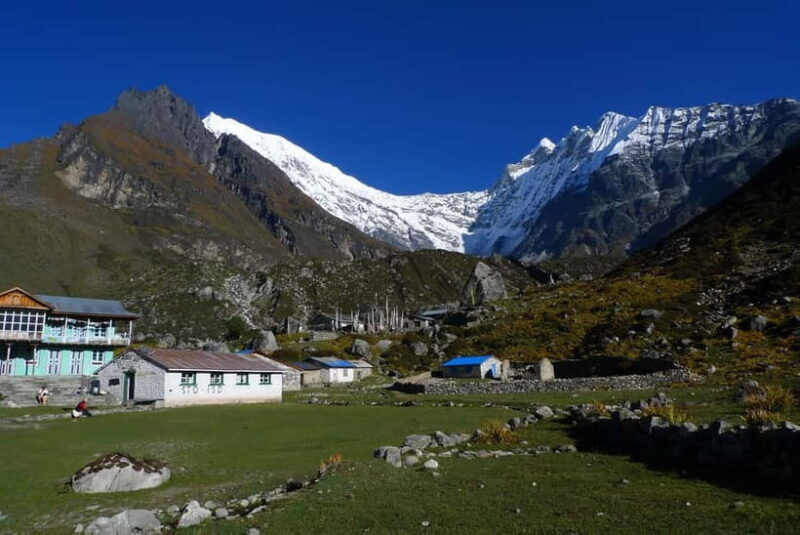
- Stunning Mountain Views: Expect breathtaking vistas of Langtang Lirung and surrounding peaks.
- Cultural Encounters: Experience Tibetan influences in villages like Langtang and Kyanjin Gompa.
- Accessible Length: The 11-day itinerary balances trekking with manageable daily distances.
- Rich Natural Environments: Trek through vibrant rhododendron forests and alpine meadows.
- Included Transfers: Convenient transport from Kathmandu makes logistics straightforward.
- Optional Climb: Tserko Ri offers a rewarding panoramic sunrise hike (optional).
An Honest Breakdown of the Langtang Valley Trek Experience
Like hiking? Other Kathmandu walking trails we've reviewed
Starting Point: Kathmandu – Preparing for the Adventure
Arriving in Nepal’s bustling capital, you’ll be greeted by your guides and transferred to your hotel. The day is perfect for relaxing, adjusting to the new time zone, and soaking up Kathmandu’s vibrant atmosphere. Spend time exploring landmarks like Swayambhunath, Boudhanath, or Pashupatinath if you arrive early; these sites introduce you to Nepal’s spiritual and cultural heartbeat.
In the evening, a trek briefing provides crucial details—things like packing tips, altitude awareness, and what to expect on the trail. It’s a good chance to voice any concerns or special needs, ensuring your journey is tailored to your comfort.
The Scenic Drive from Kathmandu to Syabrubesi
The adventure kicks off with a scenic drive from Kathmandu to Syabrubesi, often taking around 7-8 hours depending on traffic and road conditions. This may seem lengthy, but it’s part of the experience—winding through diverse landscapes, from terraced hillsides to river valleys, all while getting a first glimpse of rural Nepal.
Traveling in a comfortable vehicle included in the package makes this part smoother. Reviewers have appreciated the professionalism of the transport, noting that the journey offers fantastic photo opportunities and a chance to get excited about the mountain trek ahead.
Trek from Syabrubesi to Lama Hotel
Your trek begins here, following the Langtang Khola river through lush oak and rhododendron forests. The trail is well-trodden but charming, with suspension bridges crossing rushing streams and small Tamang villages that seem frozen in time. Expect to see locals working their fields and children waving as you pass—this is authentic mountain life at its best.
The route is manageable, with the distance from Syabrubesi to Lama Hotel being perfect for easing into higher altitudes without rushing. The forests are especially captivating in spring, when rhododendrons bloom in fiery reds and pinks, filling the air with their sweet scent.
A reviewer shared: “The walk was gentle but incredibly scenic, and I loved the sound of the river and the early mountain air. Staying overnight in Lama Hotel felt like stepping into a quiet mountain retreat.”
More Great Tours NearbyTrek from Lama Hotel to Langtang Village
As you ascend into the valley, the scenery shifts to open meadows and rocky slopes. Langtang Village, your next stop, reflects a strong Tibetan influence—stone houses, prayer walls, and monasteries dominate the landscape. The village is small but welcoming, often buzzing with monks and villagers going about daily routines.
Expect to be struck by the serenity here, and if you’re lucky, you’ll spot prayer flags fluttering against the backdrop of snow-capped peaks. The altitude increase is gentle but significant enough to warrant a slow pace.
Travel tip: Take the time to explore the local monastery—many guides recommend visiting for a moment of quiet reflection or to learn about local Tibetan traditions.
The Highlight: Kyanjin Gompa and Optional Tserko Ri Climb
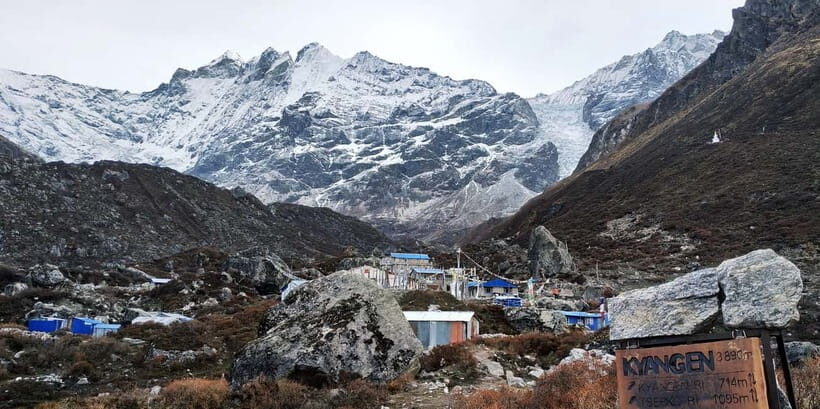
Reaching Kyanjin Gompa is a highlight of the trek; it’s a picturesque monastery town surrounded by towering mountains and yak herds. The views from here are arguably some of the best of the entire trip, with Langtang Lirung, Yala Peak, and the glacier-fed peaks forming a dramatic skyline.
One of the most popular activities is the optional climb to Tserko Ri, at 4,984 meters. The ascent is challenging but rewarding—offering a sunrise view that’s truly unforgettable, with the entire Langtang range glowing in early light. Many trekkers have found this to be the ultimate photo op, and locals often recommend it for its panoramic payoff.
A reviewer notes: “The climb was tough but worth every step. Standing at nearly 5,000 meters with the mountains stretching in all directions was surreal.”
Descent and Return Journey
After soaking in the views, you’ll retrace your steps back through Kyanjin Gompa, enjoying different perspectives of the scenery as you descend through alpine forests to Lama Hotel. The return is less strenuous but offers the same stunning vistas, giving you ample time for reflection.
From Lama Hotel, the trail continues down to Syabrubesi, completing the trek’s physical loop. This gradual descent helps your body adjust and recover, and many say it’s a peaceful way to wrap up the adventure.
Return to Kathmandu
The drive back to Kathmandu is a time to relax and process the trip. Arriving in the city, you might want to indulge in a farewell dinner or pick up souvenirs in Thamel’s lively markets. The sense of accomplishment and the beauty of the mountains stay with you long after you’ve left.
Final Departure
Your team will transfer you to the airport, leaving you with memories of stunning scenery, Tibetan culture, and Himalayan serenity. Many travelers leave feeling inspired and eager to explore more of Nepal’s incredible landscapes.
The Practicalities and Value
What’s Included
The package includes professional guides, all required permits, accommodation, and meals during the trek. Transport from Kathmandu to Syabrubesi and back is also covered, making logistics hassle-free. A first aid kit is available, adding an extra layer of safety.
What’s Not Included
Travel insurance, personal expenses, meals outside the itinerary, and emergency evacuation costs are not covered. It’s wise to have your own insurance and carry some cash (Nepalese Rupees) as ATMs are sparse in remote areas.
Cost and Value
At $996 per person, this trek offers solid value considering all included services. The focus on culture, natural beauty, and manageable trek length makes it worthwhile, particularly for those who want a comprehensive Langtang experience without the commitment of longer or higher-altitude routes like Everest Base Camp.
Travelers have noted: “The price felt fair for the quality of guides, comfortable accommodations, and the stunning scenery. I didn’t feel rushed or overwhelmed, which was perfect.”
Best for…
This trek suits a variety of travelers: those with some trekking experience, families with older children, or anyone wanting a taste of Himalayan life without extreme altitude or strenuous days. It’s especially perfect in spring when rhododendron forests are at their most colorful.
The Sum Up
The Langtang Valley Trek from Kathmandu offers an authentic, accessible Himalayan adventure. Its combination of breathtaking views, Tibetan-influenced villages, and natural beauty provides a well-rounded experience that many travelers cherish. The inclusion of transfers and thoughtful itinerary design means you won’t have to worry about logistics—just enjoy the journey.
Whether you’re seeking a scenic escape, cultural insights, or a snapshot of Himalayan life, this trek hits all the right notes. It’s a fantastic choice for those who want a rewarding trek with manageable days and incredible mountain scenery, all at a reasonable price.
For anyone eager to explore Nepal beyond the more crowded Everest or Annapurna routes, the Langtang Valley offers an intimate, less-trafficked alternative bursting with natural wonders and genuine local hospitality.
FAQ
Is this trek suitable for beginners?
The trek is designed to be accessible, but some previous trekking experience is helpful. The itinerary is manageable, with mostly gentle to moderate ascents.
How long does the drive from Kathmandu to Syabrubesi take?
It varies but typically takes around 7-8 hours, offering scenic views along the way.
Are meals included during the trek?
Yes, breakfast, lunch, and dinner are included, ensuring you stay energized for each day’s walk.
What should I pack for this trek?
Comfortable shoes, warm clothing, a hat, camera, snacks, sunscreen, water, and trekking gear. Be prepared for changing weather conditions.
Is the Tserko Ri climb optional?
Yes, it’s an optional activity, but many find it to be a highlight for panoramic mountain views.
Can I do this trek with children?
It’s not suitable for children under 8 years, mainly due to the altitude and walking distances involved.
How are the accommodations?
They are basic but comfortable, typically lodges or teahouses that provide a cozy base after a day of trekking.
Is there a chance of altitude sickness?
Since the highest point is around 4,984 meters, altitude sickness is a consideration. Proper acclimatization and pacing are recommended.
What is the best time of year to do this trek?
Spring (March-May) and autumn (September-November) are ideal, as rhododendrons bloom and the weather tends to be clearer.
In all, this trek provides a fantastic balance of natural beauty, cultural richness, and manageable adventure, making it a worthwhile choice for many travelers looking to experience Nepal’s stunning Himalayas without overextending themselves.
You can check availability for your dates here: More Great Tours NearbyMore Hiking Tours in Kathmandu
More Tour Reviews in Kathmandu
Looking for something different? Other Kathmandu activities we've written about
- Kathmandu Street Food Night Tour by Rickshaw
- Kathmandu: Newari Food with a Newar Family
- Kathmandu: 8-Day Pikey Hill Trek
- Kathmandu: Everest Base Camp and Lobuche East Peak Climbing
- From Kathmandu: 13-Day Manaslu Circuit Trek
- 10 Days Annapurna Base Camp Trek from Kathmandu
- Kathmandu Day Hike to Nagarjun Jamacho with Hotel Pickup
- Upper Mustang Trek for 14 Days
- Kathmandu: Photography Tour with Local Guide
- Everest Experience Trek 6 Day Hiking Adventure
- Everest 3 Peak Climb Mera Peak Island Peak and Lobuche East Peak
- Gurkha Knife Making