Introduction
Thinking about trekking in Nepal but want something that strikes a balance between natural beauty and spiritual significance? This 15-day Gosaikunda Lake trek from Kathmandu offers exactly that. With stunning mountain vistas, visits to Buddhist villages, and a sacred lake that draws pilgrims from all over, it’s a journey that promises both adventure and cultural insight.
What makes this trek appealing? For starters, you’ll enjoy breathtaking views from places like Kyanjin Ri, explore ancient monasteries and yak cheese factories, and cross the dramatic Laurebina La Pass. Plus, the final destination—Gosaikunda Lake—is a highlight, not just because of its beauty but because of its spiritual importance. Lastly, the chance to celebrate your achievements with a lively dinner in Thamel makes it feel like a complete Nepalese experience.
One thing to keep in mind is that this trek requires good fitness and mental toughness, as you’ll be navigating high-altitude passes and uneven terrain. It’s not for the faint-hearted or those with mobility issues. But if you’re prepared for a challenge, this journey offers genuine rewards for anyone eager to connect with Nepal’s natural and spiritual landscape. It’s especially suited for travelers who want a mix of adventure, culture, and scenic beauty without technical climbing.
Good To Know
- Diverse landscapes: From lush forests to high mountain passes, the scenery keeps evolving.
- Cultural immersion: Visits to monasteries, traditional villages, and yak cheese factories deepen the experience.
- Spectacular viewpoints: Kyanjin Ri and Laurebina La Pass offer some of the best Himalayan views.
- Sacred sites: Gosaikunda Lake is a major pilgrimage spot rich with spiritual significance.
- Balance of activity and rest: The itinerary balances challenging hikes with relaxing stops.
- Ideal for active travelers: Requires good fitness, but no technical skills are needed.
👉 See our pick of the 14 Best Shopping Tours In Kathmandu
- Good To Know
- A Comprehensive Review of the Gosaikunda Lake Trek
- Starting Point: Kathmandu and the Drive to Syabrubesi
- Trekking through the Langtang Valley to Lama Hotel
- From Mundu to Kyanjin Gompa: Exploring Monasteries and Yak Cheese
- Climbing to Kyanjin Ri: Panoramic Himalayan Views
- Retracing Your Steps and Visiting Thulo Syabru and Sing Gompa
- The Sacred Gosaikunda Lake
- Crossing Laurebina La Pass and Descending to Melamchi Gaon
- Concluding in Tarkeghyang and Kathmandu
- What the Tour Offers in Detail
- The Transportation: Comfort and Convenience
- The Trekking Experience: Challenging but Rewarding
- Accommodation and Food: Simple but Satisfying
- The Guides and Group Size
- The Cost and Value
- Important Considerations
- Final Thoughts
- FAQ
- The Best Of Kathmandu!
- More Hiking & Trekking Tours in Kathmandu
- More Tour Reviews in Kathmandu
- Not for you? Here's more nearby things to do in Kathmandu we have reviewed
A Comprehensive Review of the Gosaikunda Lake Trek
You can also read our reviews of more hiking tours in Kathmandu
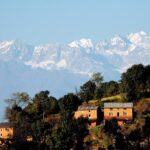
Starting Point: Kathmandu and the Drive to Syabrubesi
Your adventure begins with a scenic drive from Kathmandu to Syabrubesi, a small town at 1,460 meters. This journey sets the tone, offering glimpses of Nepal’s countryside—terraced fields, winding roads, and traditional villages. The drive typically lasts a few hours, and some reviews mention that the bus ride itself is quite comfortable, with most travelers appreciating the panoramic views.
This initial leg is crucial because it gets you out of the busy city and into the quiet, more rural areas that will be your playground for the next two weeks. It also helps you acclimate gradually, avoiding the shock of sudden high altitude.
Trekking through the Langtang Valley to Lama Hotel
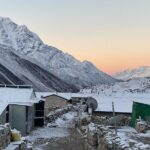
Starting your trek, you’ll follow the Langtang River, passing through dense oak and bamboo forests. Expect to see a variety of wildlife, including monkeys and perhaps some colorful bird species. We loved the way the trail winds through peaceful forests, offering a calming start to what will become a physically demanding journey.
Lama Hotel at 2,470 meters marks your first significant overnight stop. The accommodation here is basic but cozy, often in simple teahouses run by local families. Many reviewers praise the friendly atmosphere and delicious, hearty meals—essentials after a day of trekking.
From Mundu to Kyanjin Gompa: Exploring Monasteries and Yak Cheese
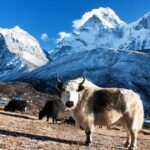
The next few days take you through Ghora Tabela to Mundu and then to the famous Kyanjin Gompa at 3,870 meters. The path is scenic, lined with yak pastures and prayer walls, offering plenty of photo opportunities. We appreciated the chance to explore the old monastery and visit the yak cheese factory, which adds a unique local flavor to the trek.
Kyanjin Gompa is not just a place to rest; it’s a hub of Tibetan Buddhist culture. Many travelers mention the tranquility of the monastery and the chance to learn about local traditions. The cheese factory, known for its yak cheese, provides a tasty snack and insight into local dairy practices.
More Great Tours NearbyClimbing to Kyanjin Ri: Panoramic Himalayan Views
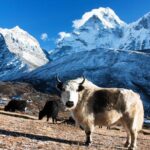
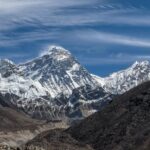
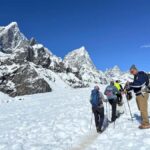
One of the trek’s highlights is the hike up to Kyanjin Ri, at 4,773 meters. The climb is challenging but rewarding. You’ll be treated to sweeping views of Langtang Lirung and the surrounding peaks. We found that the climb took about 2-3 hours and required a good level of fitness, but the scenery made every step worthwhile.
Some reviews emphasize the importance of acclimatization here. A slow ascent helps avoid altitude sickness, and many trekkers find the vista from the top breathtaking—snow-capped peaks, glaciers, and endless horizons.
Retracing Your Steps and Visiting Thulo Syabru and Sing Gompa
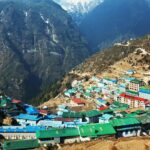
Descending back to Lama Hotel, you’ll take a different route through forests and Tamang villages, experiencing local life from a different perspective. The next days involve trekking through terraced fields and traditional villages like Thulo Syabru and Sing Gompa, each offering a glimpse into Himalayan village life.
Travelers often comment on the warm hospitality in these villages and the spectacular mountain views. Sing Gompa, perched at 3,330 meters, is a peaceful spot with stunning vistas and less tourist traffic.
The Sacred Gosaikunda Lake
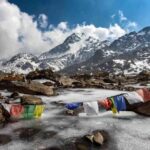
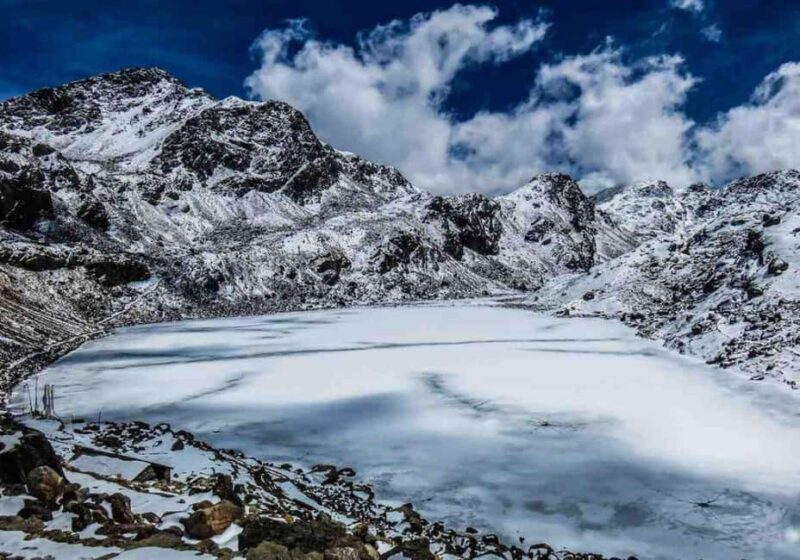
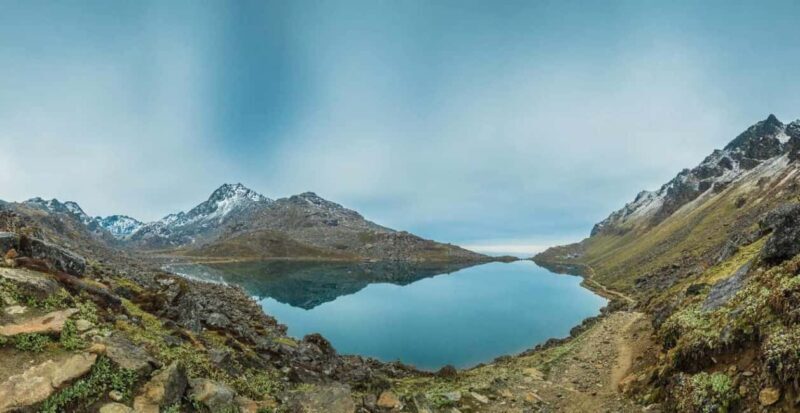
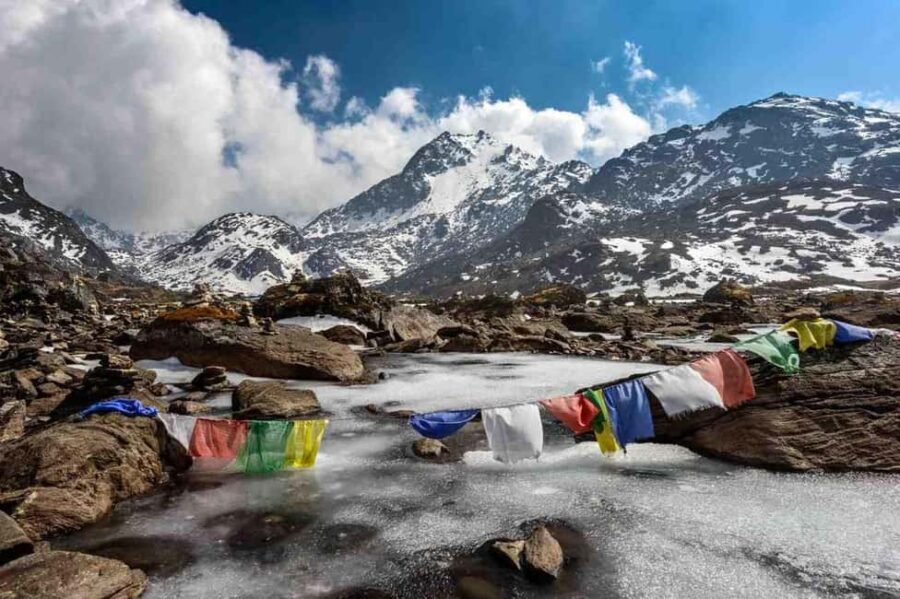
The journey culminates at Gosaikunda Lake, at 4,380 meters. This crystal-clear, alpine lake is the star of the trek, surrounded by prayer flags and mountain peaks. It’s considered sacred by Hindus and Buddhists alike, believed to have been created by Lord Shiva himself.
Reaching Gosaikunda is a spiritual experience for many, with the lake attracting pilgrims and trekkers alike. The atmosphere is serene but lively, especially during pilgrimage seasons, adding a deep cultural layer to the journey.
Crossing Laurebina La Pass and Descending to Melamchi Gaon
The crossing of Laurebina La Pass at 4,642 meters is the highest point of the trek. The ascent is physically demanding, but the views of snow-capped peaks are stunning. The descent into the narrow valley towards Ghopte and then Melamchi Gaon offers a change of scenery—forests, waterfalls, and small villages.
Many reviews mention the emotional relief after crossing the pass, paired with awe at the rugged beauty of the Himalayas. The trek down through forests and terraced fields feels like a rewarding cool-down after the high-altitude challenges.
Concluding in Tarkeghyang and Kathmandu
The final days take you through Hyolmo villages and past monasteries, ending back in Kathmandu. The drive from Timbu to the city is a chance to reflect on the journey while enjoying the lush scenery.
A celebratory dinner in Thamel marks the end, giving travelers a well-earned taste of Nepali cuisine and lively nightlife. Many reviewers love this closing event, as it feels like a true celebration of achievement.
What the Tour Offers in Detail
The Transportation: Comfort and Convenience
Starting with a scenic drive from Kathmandu to Syabrubesi, the tour includes all transfers, making logistics stress-free. Travelers have appreciated the ease of pickup and drop-off, especially since the transport is included and arranged by the tour provider. The land journey itself offers ample opportunities for photo stops and stretching legs.
The Trekking Experience: Challenging but Rewarding
Covering about 15 days, the trek balances challenging high-altitude passes with manageable daily hikes. Expect to walk 4-6 hours daily, with some days being longer. The route is well-trodden and maintained, but terrain varies—expect rocky paths, forest trails, and some steep ascents.
Reviews praise the variety—some mention that retracing steps offers a different perspective and that the ascent to Kyanjin Ri is a “must-do” for panoramic views. The crossing of Laurebina La is challenging but often described as a highlight, given the dramatic scenery.
Accommodation and Food: Simple but Satisfying
Teahouse accommodations are basic but comfortable, with most travelers noting the warm hospitality of local families. Meals typically include Nepali staples—dal bhat, momos, and hearty soups—plus some local yak cheese.
Food quality is generally good, with some reviewers mentioning particularly delicious dishes, especially after long days of trekking. The inclusion of a celebration dinner in Thamel at the end adds a touch of festivity, allowing everyone to reflect on their achievement.
The Guides and Group Size
This tour is offered as a private group, which means more personalized attention and flexibility. Guides are not specifically named, but reviews mention friendly, knowledgeable guides who helped with acclimatization and local insights. The language options include English, Nepali, Hindi, and Korean, catering to diverse travelers.
The Cost and Value
At $1,409 per person, this trek offers a comprehensive experience—transportation, guiding, accommodations, and some meals are included. When considering the scenic beauty, culture, and spiritual sites, many find the price reasonable. The trek’s length and diversity justify the cost, especially since it avoids technical climbing requirements but still offers high-altitude adventure.
Important Considerations
This experience requires good fitness and mental resilience. The high passes and altitude can pose challenges, so acclimatization days are built in. The route does pass through earthquake-affected areas, which might influence the landscape and infrastructure. The trek isn’t suitable for people with mobility impairments, heart, or respiratory issues.
Packing essentials include warm clothing, hiking shoes, sunscreen, water, and trekking gear. The tour emphasizes safety and comfort, but travelers should be prepared for basic facilities in some teahouses.
Final Thoughts
The Gosaikunda Lake trek from Kathmandu is a compelling choice for those seeking a balance of adventure, cultural discovery, and spiritual connection. It offers a chance to witness Nepal’s natural grandeur from lush forests to towering mountain passes, all while visiting sacred sites that deepen the sense of purpose.
Perfect for active travelers willing to embrace physical challenges, this trek rewards with stunning vistas, authentic village life, and a profound sense of achievement. The inclusion of a celebration dinner caps off the journey beautifully, making it a memorable Nepalese adventure.
While it’s not the easiest trek, the combination of diverse landscapes, cultural richness, and the spiritual significance of Gosaikunda Lake make it well worth the effort. If you’re after a multi-day trek that truly immerses you in Nepal’s mountain world, this route hits many key marks.
From Kathmandu: Gosaikunda Lake 15-Day Trek with Transfers
FAQ
Is this trek suitable for beginners?
It requires good fitness and mental toughness, mainly due to high-altitude passes and long days of walking. No technical climbing is necessary, but a solid fitness level helps.
What’s included in the price?
The tour covers transportation from Kathmandu, guiding services, accommodations, and some meals. The celebration dinner in Thamel is part of the package.
How physically demanding is the crossing of Laurebina La Pass?
It’s the highest point at 4,642 meters and can be challenging, especially if not acclimatized. The ascent is steep, but many find the panoramic views well worth the effort.
Are accommodations comfortable?
They are basic teahouses, but generally cozy and family-run. Many reviewers mention the friendly hosts and satisfying local food.
Can I customize the itinerary?
Since it’s offered as a private group, there’s some flexibility—discuss with your guide about possible adjustments.
What should I bring for this trek?
Warm clothing, hiking shoes, sunscreen, water, trekking gear, and travel insurance are recommended. Be prepared for changing weather and high-altitude conditions.
In summary, this trek is best suited for active travelers wanting to experience Nepal’s natural beauty and spiritual sites with manageable logistical arrangements. It offers a meaningful challenge and a chance to witness some of the most scenic and sacred spots in the Himalayas—making it a journey that’s truly worth the effort.
You can check availability for your dates here: More Great Tours Nearby