Beneath the grandeur of the Bellas Artes Palace lies a hidden treasure trove of Mexican artistry. Vibrant, vivid, and visually captivating, the murals within tell tales of a rich cultural heritage that spans centuries.
From the brushstrokes of Diego Rivera to the revolutionary visions of David Alfaro Siqueiros, these masterpieces beckon visitors to enjoy the stories they hold. Step inside this architectural marvel, where the past meets the present, and embark on a journey that will transport you to a world of artistic brilliance and historical significance.
But be warned, as you traverse the corridors and behold the murals that adorn the walls, you will find yourself captivated, craving more, eager to uncover the secrets and narratives that lie within.
- Good To Know
- The History of Mexican Muralism
- The Significance of Bellas Artes Palace
- Exploring the Murals of Diego Rivera
- Discovering the Art of David Alfaro Siqueiros
- Exploring the Works of José Clemente Orozco
- Other Notable Mexican Muralists
- Common Questions
- How Long Does the Tour of Bellas Artes Palace and Its Murals Typically Last?
- Is There a Dress Code for Visiting Bellas Artes Palace and Its Murals?
- Can Photography Be Taken Inside Bellas Artes Palace?
- Are There Any Restrictions on Touching or Getting Close to the Murals?
- Are There Any Guided Tours Available for Bellas Artes Palace and Its Murals?
- The Sum Up
- The Best Of Mexico City!
- More Tour Reviews in Mexico City
- Not for you? Here's more nearby things to do in Mexico City we have reviewed
Good To Know
- Mexican Muralism emerged in Mexico after the Mexican Revolution, with artists like Diego Rivera, José Clemente Orozco, and David Alfaro Siqueiros playing key roles.
- Murals in Mexican Muralism depicted themes of revolution, nationalism, and indigenous culture, revolutionizing the way art was created and consumed.
- The Bellas Artes Palace in Mexico City provided a platform for renowned muralists like Rivera and Siqueiros to showcase their work, symbolizing Mexico’s commitment to fostering creativity and cultural expression.
- Diego Rivera’s murals showcased his mastery of artistic techniques and depicted political themes, demonstrating the power of visual storytelling to convey social messages.
👉 See our pick of the 11 Best Shopping Tours In Mexico City
The History of Mexican Muralism
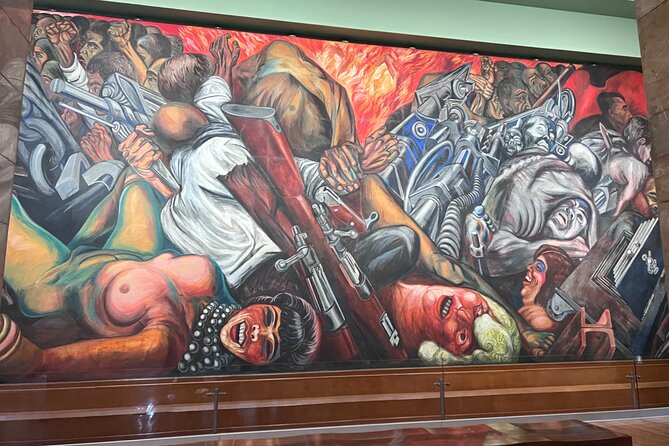
Mexican Muralism, a vibrant and transformative movement in the early 20th century, left an indelible mark on the art world with its powerful and socially conscious murals. The impact of Mexican Muralism can still be felt today, as it continues to inspire and influence contemporary art.
This movement emerged in Mexico after the Mexican Revolution, as artists sought to create art that spoke to the people and addressed social and political issues. Artists such as Diego Rivera, José Clemente Orozco, and David Alfaro Siqueiros used their murals to depict the struggles and triumphs of the Mexican people, showcasing themes of revolution, nationalism, and indigenous culture.
Mexican Muralism not only revolutionized the way art was created and consumed, but it also paved the way for a new era of socially engaged and politically conscious art. Its influence can be seen in the works of artists around the world who continue to use art as a means of social commentary and activism.
You can also read our reviews of more tours and experiences in Mexico City.


The Significance of Bellas Artes Palace
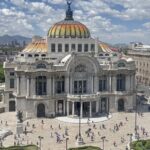
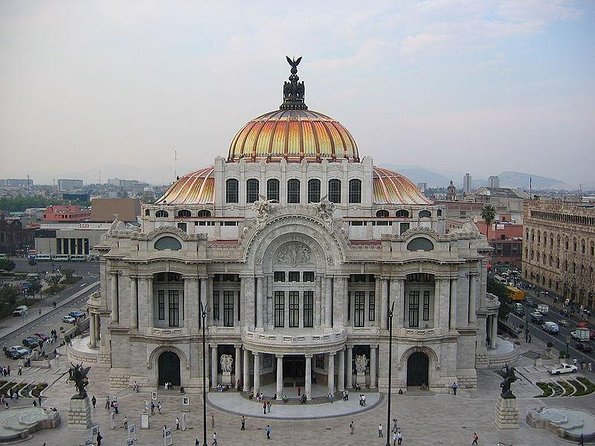
Nestled in the heart of Mexico City, the Bellas Artes Palace stands as a testament to the rich cultural heritage and artistic legacy of the nation.
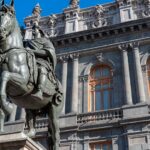
The architectural beauty of the palace is awe-inspiring, with its grand neoclassical facade adorned with intricate sculptures and ornate details.
However, its significance goes beyond its stunning aesthetics. Bellas Artes Palace played a pivotal role in the cultural impact of Mexican muralism.
As a hub for artistic expression, it provided a platform for renowned muralists such as Diego Rivera, David Alfaro Siqueiros, and Jose Clemente Orozco to showcase their powerful and politically-charged murals.
These murals, depicting the struggles and triumphs of the Mexican people, not only beautify the palace but also serve as a visual representation of Mexico’s history, culture, and social issues.
The Bellas Artes Palace stands as an enduring symbol of Mexico’s artistic heritage and its commitment to fostering creativity and cultural expression.
Exploring the Murals of Diego Rivera
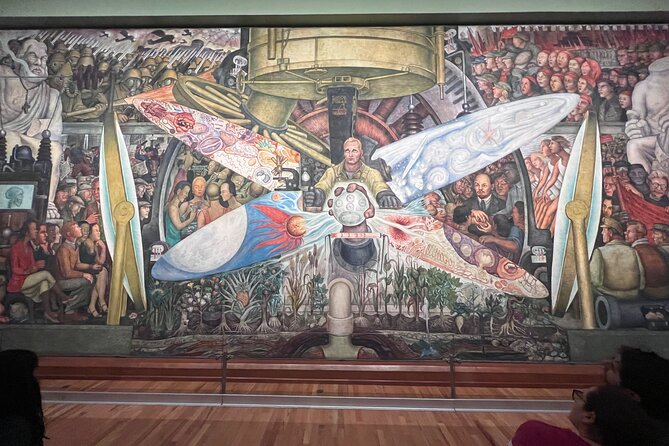
As you step into the Bellas Artes Palace, the vibrant and captivating murals of Diego Rivera beckon you into a world of artistic storytelling. Rivera, a prominent Mexican artist, used his murals to express his political beliefs and promote social justice. Here are three key aspects to explore when admiring Rivera’s murals:
Artistic Techniques:
Rivera’s murals showcase his mastery of various artistic techniques. From the use of bold colors and intricate details to the incorporation of indigenous elements, his murals are visually striking and thought-provoking.Political Themes:
Rivera’s murals often depict scenes of Mexico’s history and struggles. He tackles topics such as revolution, class struggle, and the exploitation of workers. Through his art, Rivera aimed to raise awareness and inspire change.Symbolism and Allegory:
Rivera utilizes symbolism and allegory to convey deeper meanings in his murals. By incorporating symbolic figures and objects, he adds layers of interpretation to his artwork, inviting viewers to engage in critical thinking and reflection.
Exploring the murals of Diego Rivera provides a fascinating insight into the intersection of art and politics, showcasing the power of visual storytelling to convey important social messages.
Discovering the Art of David Alfaro Siqueiros
David Alfaro Siqueiros, a renowned artist of the 20th century, captivates viewers with his bold and thought-provoking artwork. Born in Mexico in 1896, Siqueiros was deeply influenced by the political impact of muralism, a movement that aimed to bring art to the masses and promote social change. His murals often depicted scenes of struggle, revolution, and the resilience of the Mexican people.
Siqueiros used strong colors, dynamic compositions, and innovative techniques to convey his message. One of his most famous works, the mural ‘The March of Humanity,’ showcases the influence of Mexican culture in his art. It depicts a powerful procession of people from different ethnic backgrounds, highlighting the diversity and unity of the Mexican people.
Siqueiros’ art continues to inspire and provoke thought, leaving a lasting impact on the world of muralism.
Exploring the Works of José Clemente Orozco
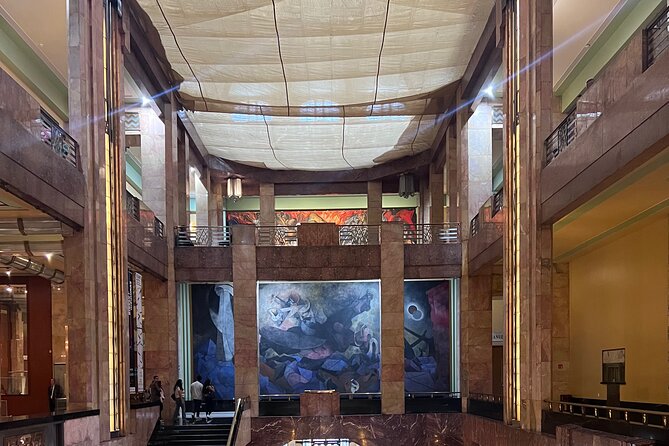
Continuing our exploration of Mexican muralism, the works of José Clemente Orozco come to the forefront, showcasing his unique artistic perspective and contribution to the movement. Orozco, a contemporary of Diego Rivera and David Alfaro Siqueiros, was known for his powerful and politically charged murals. His work often depicted the struggles of the working class and indigenous people, providing a social commentary on the injustices of society.
Influence on modern art: Orozco’s bold and dynamic style had a significant impact on modern art, inspiring artists around the world to use art as a means of expressing political and social messages.
Political messages in murals: Orozco’s murals weren’t just aesthetically pleasing, but also carried strong political messages. Through his art, he aimed to raise awareness and provoke discussions about topics such as oppression, inequality, and revolution.
Symbolism and storytelling: Orozco’s murals were rich in symbolism and often told powerful stories. He used visual metaphors and allegories to convey his message, allowing viewers to engage with the artwork on multiple levels.
Orozco’s works continue to be celebrated for their artistic brilliance and their ability to communicate powerful social and political messages.


Other Notable Mexican Muralists
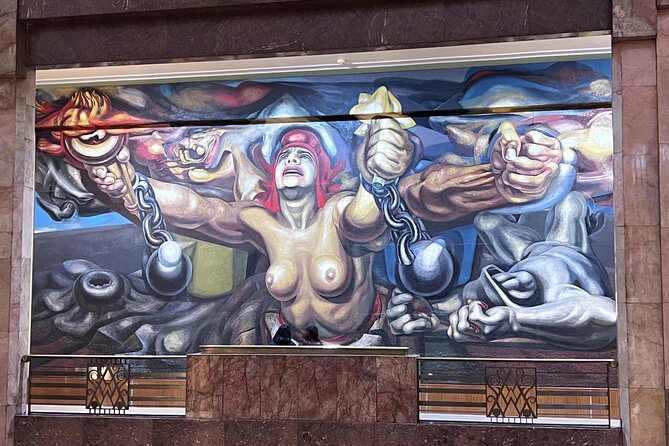
Renowned for their captivating and thought-provoking murals, Mexican artists have made significant contributions to the world of art. Among them, several notable muralists stand out.
One of these notable muralists is David Alfaro Siqueiros. He was heavily influenced by the Mexican Revolution and the social issues of his time. His murals often depicted scenes of struggle and resistance, using bold colors and dynamic compositions to convey his message.
Another influential muralist is Rufino Tamayo. He incorporated elements of surrealism and indigenous art into his work. His murals explored themes of identity and cultural heritage.
The impact of political events on Mexican muralists can’t be underestimated. The Mexican Revolution and the subsequent period of social and political change provided a fertile ground for artists to express their ideas and ideals through their murals. These artists played a crucial role in shaping Mexican muralism and bringing attention to important social issues.
Common Questions
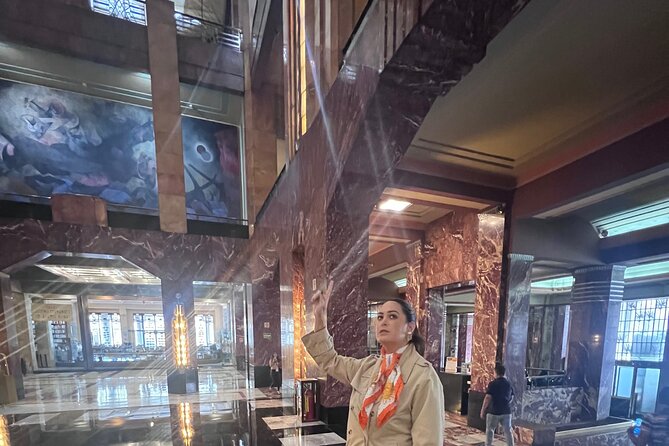
How Long Does the Tour of Bellas Artes Palace and Its Murals Typically Last?
The tour of Bellas Artes Palace and its murals typically lasts for 1 hour and 30 minutes. Visitors are advised to dress comfortably and respectfully.
Is There a Dress Code for Visiting Bellas Artes Palace and Its Murals?
There is no specific dress code for visiting Bellas Artes Palace and its murals. However, it is recommended to dress comfortably and respectfully. Entrance fees and tickets are included in the tour package.
Can Photography Be Taken Inside Bellas Artes Palace?
Photography restrictions and guidelines are in place inside Bellas Artes Palace. Visitors are advised to follow the rules and regulations set by the venue to ensure the preservation and respect for the artwork.
Are There Any Restrictions on Touching or Getting Close to the Murals?
There are preservation guidelines in place at Bellas Artes Palace to ensure the protection of the murals. Visitors are encouraged not to touch or get too close to the murals to maintain their integrity.
Are There Any Guided Tours Available for Bellas Artes Palace and Its Murals?
Yes, there are guided tours available for Bellas Artes Palace and its murals. These tours provide an immersive and informative experience, allowing visitors to explore the rich history and artistic significance of the murals.
The Sum Up
To sum it up, a journey through Bellas Artes Palace offers a captivating exploration of Mexican muralism. The intricate details and vibrant colors of the murals by renowned artists such as Diego Rivera, David Alfaro Siqueiros, and José Clemente Orozco tell compelling stories of Mexican history and culture.
The palace stands as a testament to the country’s rich heritage and is a must-visit for art enthusiasts and those curious about Mexican culture. Prepare to be awestruck by the masterpieces that adorn the walls of this architectural marvel.