Nestled like ancient jewels amidst the vibrant landscape of Nepal, the majestic Swayambhunath Stupa, the sacred Pashupatinath Temple, and the enchanting Bhaktapur Durbar Square beckon travelers to embark on a journey through time and culture.
These three extraordinary sites, each with its own unique allure, offer a captivating glimpse into the rich history and spiritual heritage of this awe-inspiring country.
From the awe-inspiring architecture of the Swayambhunath Stupa to the sacred rituals at the Pashupatinath Temple, and the mesmerizing cultural heritage of Bhaktapur Durbar Square, there is no shortage of wonders to discover.
So, come along and uncover the secrets of these remarkable landmarks that have stood the test of time…
- Good To Know
- Overview of Swayambhunath Stupa
- History and Significance of Pashupatinath Temple
- Exploring Bhaktapur Durbar Square
- Architecture and Design of Swayambhunath Stupa
- Rituals and Traditions at Pashupatinath Temple
- Cultural Heritage of Bhaktapur Durbar Square
- Best Time to Visit Swayambhunath Stupa
- Tips for Visiting Pashupatinath Temple and Bhaktapur Durbar Square
- Common Questions
- How Long Does It Take to Explore All Three Places – Swayambhunath Stupa, Pashupatinath Temple, and Bhaktapur Durbar Square?
- Are There Any Specific Dress Codes or Attire Requirements for Visiting These Sites?
- Can I Take Photographs Inside the Swayambhunath Stupa, Pashupatinath Temple, and Bhaktapur Durbar Square?
- Are There Any Nearby Accommodations or Hotels Recommended for Visitors Exploring These Places?
- Are There Any Specific Cultural Practices or Etiquette That Visitors Should Be Aware of When Visiting These Sites?
- The Sum Up
- The Best Of Kathmandu!
- More Tour Reviews in Kathmandu
- Not for you? Here's more nearby things to do in Kathmandu we have reviewed
Good To Know
- Swayambhunath Stupa is the oldest stupa in Nepal, symbolizing peace, harmony, and enlightenment.
- Pashupatinath Temple is a vibrant center of religious and cultural activities, offering spiritual purification rituals and hosting the grand Maha Shivaratri festival.
- Bhaktapur Durbar Square is a UNESCO World Heritage Site with intricately carved temples, palaces, and statues, providing insight into Nepal’s rich religious heritage.
- The architectural styles of these sites blend Buddhist and Hindu influences, showcasing the cultural diversity of Nepal.
👉 See our pick of the 14 Best Shopping Tours In Kathmandu
Overview of Swayambhunath Stupa
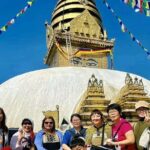
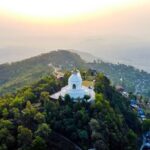
Sitting atop a hill in Kathmandu, Nepal, Swayambhunath Stupa is a sacred Buddhist site that offers a breathtaking view of the city and a serene atmosphere for spiritual reflection. The history and architecture of Swayambhunath Stupa date back to over 2,000 years. This magnificent structure is adorned with colorful prayer flags, intricate carvings, and a glistening golden spire. It’s believed to be the oldest stupa in Nepal and holds great religious significance for Buddhists. The stupa represents the enlightened mind of the Buddha and is a symbol of peace, harmony, and enlightenment. Visitors can climb the 365 steps to reach the top and explore the various shrines, temples, and monasteries that surround the stupa. Swayambhunath Stupa isn’t only a religious site but also a cultural and historical gem that showcases the rich heritage of Nepal.
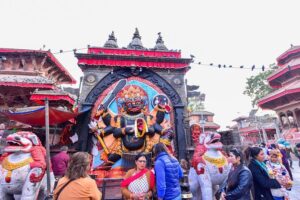
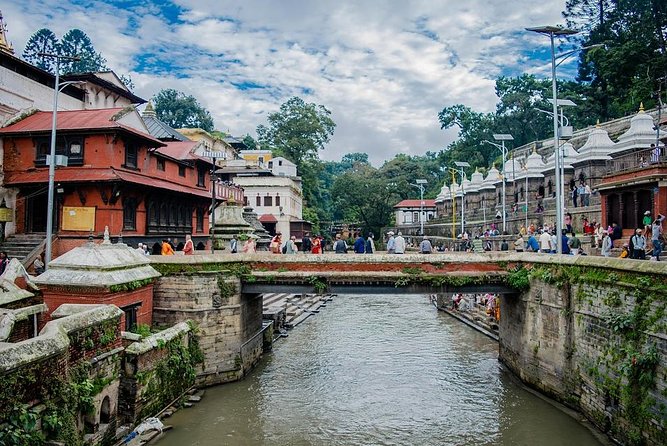
Just a short distance away from Swayambhunath Stupa is the Pashupatinath Temple, another important religious site in Nepal. This Hindu temple is dedicated to Lord Shiva and attracts thousands of devotees from all over the world. The spiritual significance of Pashupatinath Temple lies in its association with Lord Shiva, who’s considered the supreme deity in Hinduism. The temple complex is sprawling and consists of numerous shrines, ashrams, and ghats along the banks of the sacred Bagmati River. It’s believed that a visit to this temple and a dip in the holy river can cleanse one’s sins and bring spiritual purification. The Pashupatinath Temple isn’t only a place of worship but also a vibrant center of religious and cultural activities, with festivals and rituals taking place throughout the year.
You can also read our reviews of more tours and experiences in Kathmandu.


History and Significance of Pashupatinath Temple
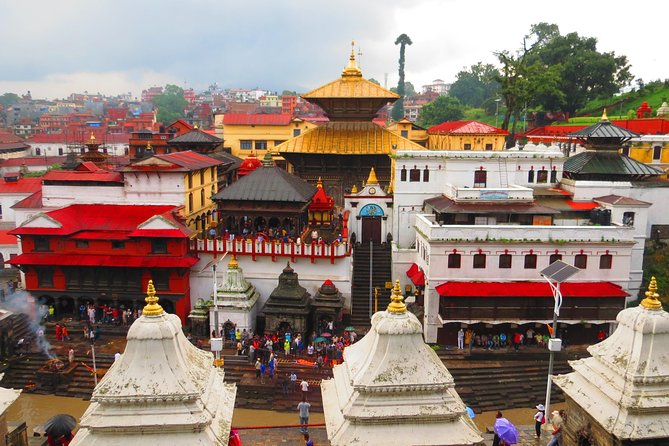
The Pashupatinath Temple, a revered Hindu site in Nepal, holds a rich history and profound significance for devotees around the world. This ancient temple, located on the banks of the Bagmati River in Kathmandu, is dedicated to Lord Shiva in his Pashupatinath form.
The temple’s history dates back to the 5th century and it’s considered one of the holiest shrines in Hinduism. The architecture of Pashupatinath Temple is an exquisite blend of Nepalese pagoda and Indian architectural styles, with intricate carvings and beautiful sculptures adorning its walls.
Inside the temple complex, visitors can witness various religious rituals and practices being performed by devotees, including prayers, offerings, and sacred ceremonies. The temple’s serene atmosphere and spiritual energy make it a must-visit destination for those seeking a deeper connection with Hindu traditions.
Exploring Bhaktapur Durbar Square
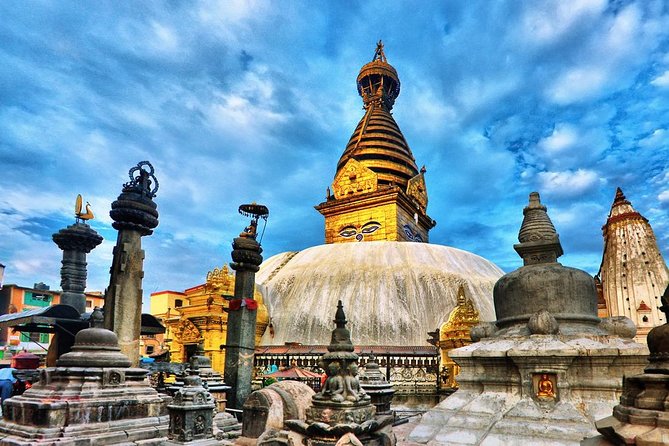
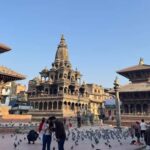
Exploring Bhaktapur Durbar Square reveals a captivating blend of ancient architecture, cultural heritage, and vibrant marketplaces. The history of Bhaktapur Durbar Square dates back to the 12th century, making it a UNESCO World Heritage Site and a must-visit destination for history enthusiasts.
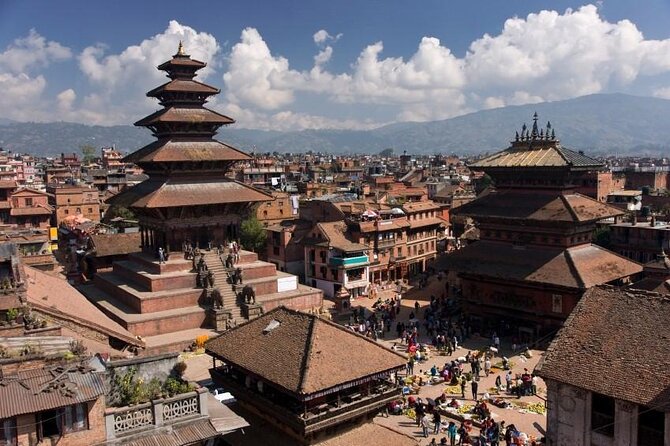
As visitors wander through the square, they’re greeted by intricately carved temples, palaces, and statues that showcase the rich artistic heritage of Nepal. The square is also surrounded by numerous attractions, including the Nyatapola Temple, which stands tall with its five-tiered structure, the Golden Gate, adorned with intricate carvings, and the Pottery Square, where skilled artisans demonstrate their craftsmanship.
With its historical significance and nearby attractions, Bhaktapur Durbar Square offers a truly immersive experience for travelers seeking to explore Nepal’s cultural heritage.
Architecture and Design of Swayambhunath Stupa
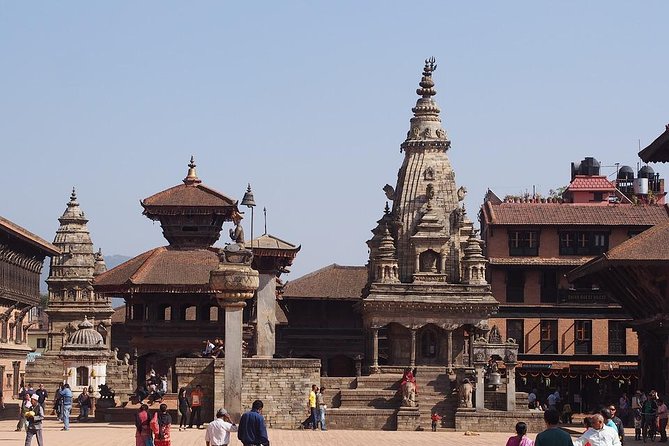
With its stunning architecture and intricate design, the Swayambhunath Stupa stands as a testament to Nepal’s rich cultural heritage. This ancient religious site is known for its unique blend of architectural styles, combining elements of both Buddhist and Hindu traditions.
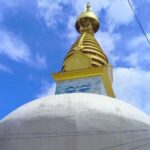
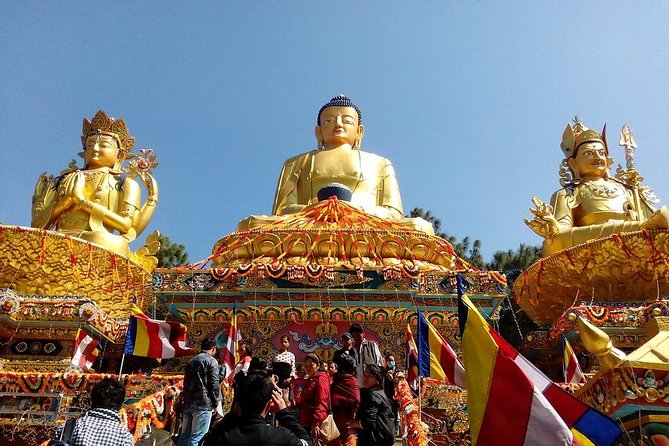
The stupa’s main structure is a dome-shaped monument adorned with beautiful carvings and decorative motifs. At the top of the stupa, a golden spire, known as the harmika, represents the enlightenment of Buddha. Surrounding the dome, a pair of eyes, known as the ‘Eyes of Buddha,’ gaze out in all four cardinal directions, symbolizing the all-seeing wisdom of Buddha.
The symbolism and design of the Swayambhunath Stupa reflect the deep spiritual significance of this sacred place.
Plus, in recent years, restoration efforts have been underway at Bhaktapur Durbar Square, a UNESCO World Heritage Site located near the stupa. These efforts aim to preserve and restore the architectural treasures of the square, including temples, palaces, and traditional courtyards.
Rituals and Traditions at Pashupatinath Temple
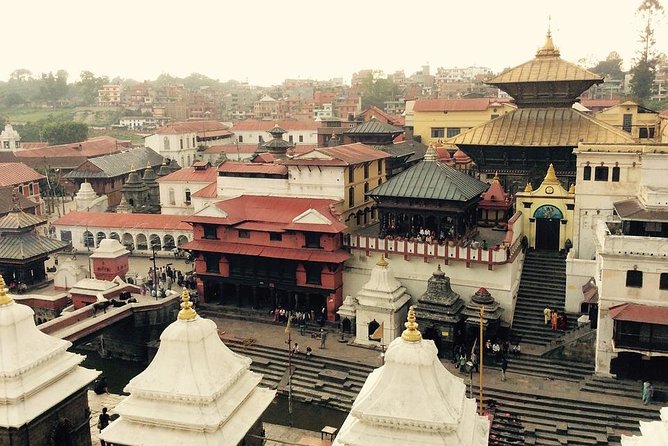
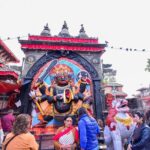
Continuing our exploration of the cultural heritage in Nepal, we now turn our attention to the Pashupatinath Temple, where vibrant rituals and age-old traditions come to life. This sacred Hindu temple is dedicated to Lord Shiva and is one of the most significant religious sites in Nepal. The rituals and practices at Pashupatinath Temple are deeply rooted in religious significance and offer a glimpse into the spiritual traditions of the country.
Aarti Ceremony: Witness the mesmerizing Aarti ceremony, where devotees gather to offer prayers and light oil lamps, creating a beautiful and ethereal atmosphere.
Cremation Rituals: Experience the solemnity of the cremation rituals that take place along the banks of the holy Bagmati River, as Hindus believe that cremation at this site leads to salvation.
Maha Shivaratri Festival: Be a part of the grand Maha Shivaratri festival, celebrated with great fervor and devotion, attracting thousands of pilgrims who come to pay homage to Lord Shiva.
The rituals and traditions at Pashupatinath Temple provide a profound insight into the rich religious heritage of Nepal, leaving visitors with a deep sense of awe and reverence.




Cultural Heritage of Bhaktapur Durbar Square
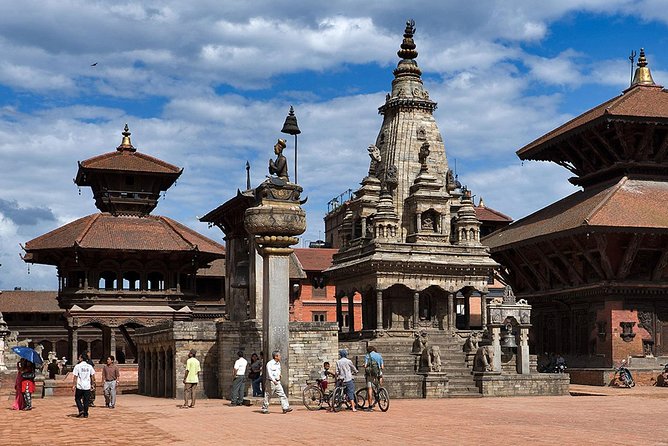
Bhaktapur Durbar Square, a UNESCO World Heritage Site, showcases the rich cultural heritage of Nepal with its stunning architecture and historical significance. This ancient square, located in the heart of Bhaktapur city, is home to numerous temples, palaces, and courtyards that reflect the artistic and architectural brilliance of the Malla dynasty.
The cultural preservation of Bhaktapur Durbar Square is evident in its intricate wood carvings, stone sculptures, and traditional pagoda-style temples. Visitors can witness the religious practices that have been carried out here for centuries, such as daily rituals and festivals. The square’s vibrant atmosphere and the presence of local residents in traditional attire further enhance the cultural experience.
Exploring Bhaktapur Durbar Square provides a unique opportunity to take in the rich cultural heritage of Nepal.
Best Time to Visit Swayambhunath Stupa
As visitors continue to explore the cultural heritage of Bhaktapur Durbar Square, they’ll find that choosing the best time to visit Swayambhunath Stupa is essential for an unforgettable experience. Here are three reasons why timing your visit to Swayambhunath Stupa can evoke a powerful emotional response:
Witness Vibrant Festivals: Swayambhunath Stupa is known for its vibrant local festivals, such as Buddha Jayanti and Losar. During these celebrations, the stupa comes alive with colorful decorations, traditional music, and devout worshippers. Being part of these festivities can fill your heart with joy and a sense of spiritual connection.
Enjoy Serene Sunrises and Sunsets: The best time to visit Swayambhunath Stupa is during sunrise or sunset. As the first rays of light touch the golden spire and the city below awakens or settles into the peaceful twilight, you can experience a profound sense of tranquility and awe-inspiring beauty.
Escape the Crowds: To avoid the crowds, visit Swayambhunath Stupa in the early morning or late afternoon. The peaceful atmosphere allows you to fully learn about the spirituality and architectural magnificence of this ancient site.
Tips for Visiting Pashupatinath Temple and Bhaktapur Durbar Square
When visiting Pashupatinath Temple and Bhaktapur Durbar Square, it’s important to keep in mind a few tips to enhance your experience.
For those interested in photography, it’s recommended to bring a good quality camera or smartphone with a reliable zoom lens to capture the intricate details of the temple and the vibrant colors of the square. The temple and square offer numerous opportunities for stunning shots, whether it’s the ornate architecture or the bustling market stalls.
Plus, don’t forget to indulge in the local cuisine while exploring these sites. From street food to traditional Nepali dishes, the area surrounding Pashupatinath Temple and Bhaktapur Durbar Square is filled with delicious options to satisfy your taste buds. Don’t miss the chance to try some momos, samosas, or traditional Newari dishes for a truly immersive experience.
Common Questions
How Long Does It Take to Explore All Three Places – Swayambhunath Stupa, Pashupatinath Temple, and Bhaktapur Durbar Square?
It typically takes several hours to explore Swayambhunath Stupa, Pashupatinath Temple, and Bhaktapur Durbar Square. These popular tourist sites offer fascinating cultural and historical experiences, along with various facilities to enhance your visit.
Are There Any Specific Dress Codes or Attire Requirements for Visiting These Sites?
Visitors to these sites should adhere to specific dress codes and attire requirements. It is recommended to dress modestly, covering shoulders and knees. Removing shoes before entering certain areas may also be required.
Can I Take Photographs Inside the Swayambhunath Stupa, Pashupatinath Temple, and Bhaktapur Durbar Square?
Yes, visitors can take photographs inside the Swayambhunath Stupa, Pashupatinath Temple, and Bhaktapur Durbar Square. These sites hold great religious significance and capturing their beauty is encouraged.
Are There Any Nearby Accommodations or Hotels Recommended for Visitors Exploring These Places?
Nearby accommodations and recommended hotels are available for visitors exploring these places. The area offers a range of options to suit different budgets and preferences. Accessibility and transportation options are also easily accessible for convenience.
Are There Any Specific Cultural Practices or Etiquette That Visitors Should Be Aware of When Visiting These Sites?
Visitors should be aware of certain cultural practices and etiquette when visiting these sites. It is important to dress modestly, remove shoes before entering temples, and show respect for the sacredness of the places.
The Sum Up
To sum it up, exploring Swayambhunath Stupa, Pashupatinath Temple, and Bhaktapur Durbar Square is a must for anyone seeking to experience the rich cultural and historical heritage of Nepal.
From the stunning architecture and design of the sites to the rituals and traditions observed, these landmarks offer a captivating journey into the country’s past.
Viator provides the perfect opportunity to embark on this remarkable adventure, so don’t hesitate to book your visit and learn about the beauty of these iconic landmarks.