Introduction
If you’re craving a trek that combines raw adventure, spectacular mountain scenery, and authentic Sherpa communities, the Everest Three Passes Trek might be just what you’re looking for. This 18-day journey pushes even seasoned hikers to their limits, taking you over three high-altitude passes — Kongma La, Cho La, and Renjo La — all with the commanding backdrop of Everest and other towering peaks.
What makes this trek stand out? We love the challenging passes that test your endurance, the opportunity to explore Sagarmatha National Park’s unique wildlife, and the chance to visit iconic landmarks like Everest Base Camp and Kala Patthar. However, it’s important to consider that the high-altitude passes can be physically demanding, especially for those not acclimated to such elevations. This trek is best suited for fit, adventurous travelers keen on authentic mountain experiences beyond the usual paths.
If you’re an experienced trekker seeking an immersive, rewarding expedition that offers stunning vistas and a glimpse into Sherpa life, this adventure could be perfect. Just prepare yourself for some serious elevation gains and the chance to create unforgettable memories in the Himalayas.
- Good To Know
- An In-Depth Look at the Everest Three Passes Trek
- The Starting Point: Lukla and Phakding
- The Heart of the Khumbu: Namche Bazaar
- High-Altitude Adjustment and Monasteries
- Challenging Passes and Mountain Crossings
- Everest Base Camp and Kala Patthar
- Exploring the Gokyo Valley
- Final Stages: Rounding Back Through Sherpa Villages
- Practical Details and Logistics
- Value and Considerations
- The Sum Up
- Frequently Asked Questions
- More Hiking & Trekking Tours in Kongma La Pass
- More Tour Reviews in Kongma La Pass
- Not for you? Here's more nearby things to do in Kongma La Pass we have reviewed
Good To Know
 1 / 4
1 / 4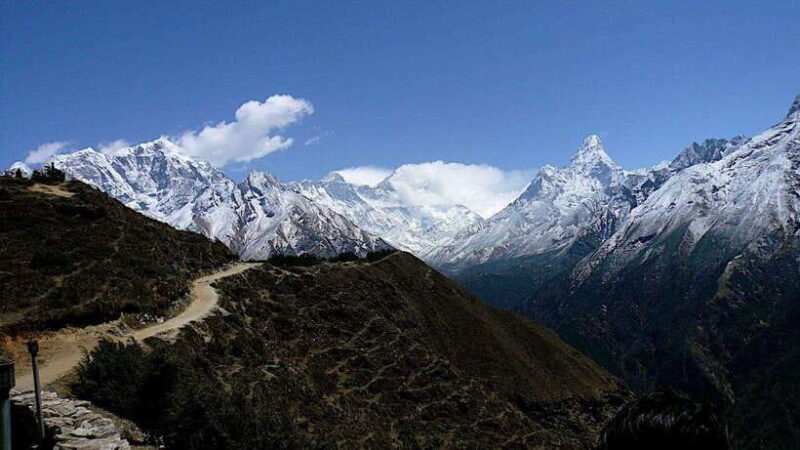 2 / 4
2 / 4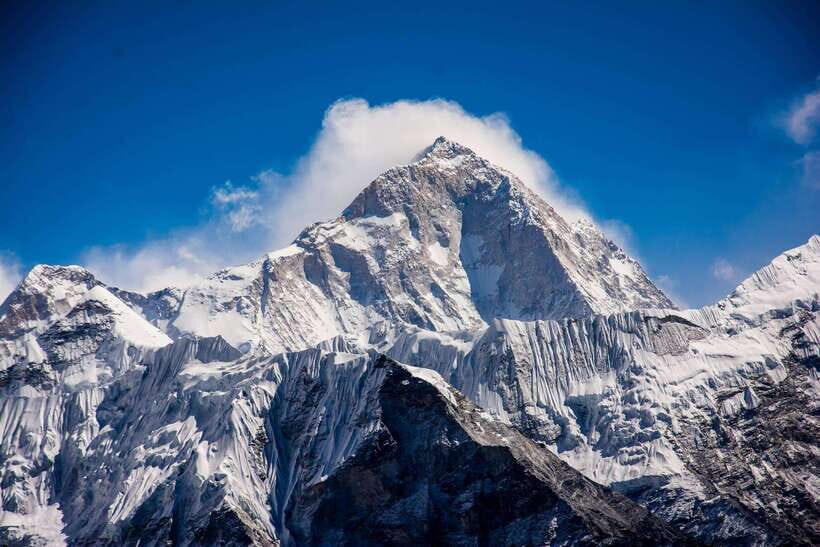 3 / 4
3 / 4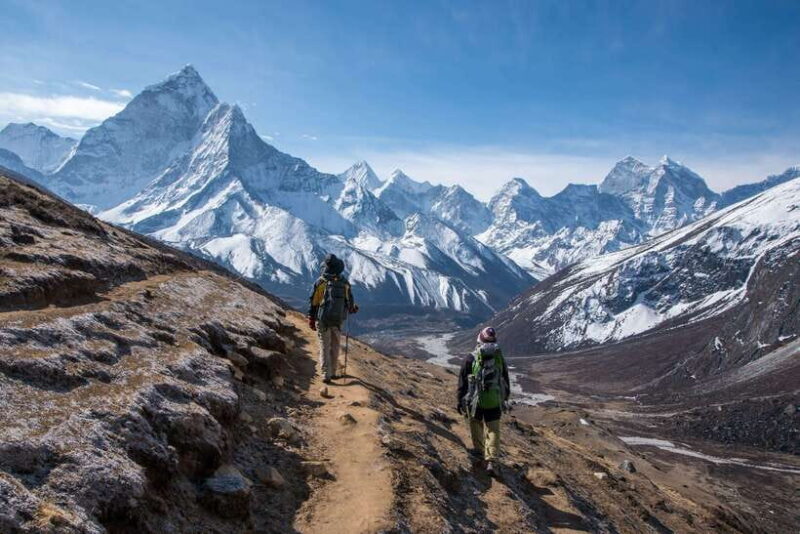 4 / 4
4 / 4- Challenging route: Trekkers will conquer three high passes, including Kongma La, Cho La, and Renjo La.
- Iconic sights: Includes Everest Base Camp, Kala Patthar, Gokyo Ri, and Gokyo Lakes.
- Cultural immersion: Pass through Sherpa villages, monasteries, prayer wheels, and Mani stones.
- National Park: Explore Sagarmatha National Park’s flora and fauna, including snow leopards and blue sheep.
- Experienced guides: Knowledgeable English-speaking guides enhance the experience.
- Value for money: At $1,930, the comprehensive package balances cost with incredible adventure.
An In-Depth Look at the Everest Three Passes Trek
You can also read our reviews of more hiking tours in Kongma La Pass
The Starting Point: Lukla and Phakding
Your adventure begins with a scenic flight into Lukla, often called the gateway to Everest. The tiny airport’s landing strip is famous for its dramatic setting. From Lukla, you’ll trek to Phakding, a gentle introduction to the trail, where lush rhododendron forests and river crossings set the tone. Expect to meet your guide and fellow trekkers here, and get a taste of Nepalese hospitality.
The Heart of the Khumbu: Namche Bazaar
Next stop is Namche Bazaar, often called the Sherpa capital. This bustling town is the first major acclimatization point at 3,440 meters. You’ll love the lively markets, cozy cafes, and stunning views of Everest and Lhotse from here. We recommend spending an extra day to acclimate properly—“Day 3 is crucial for adjusting to the altitude,” as one reviewer notes—allowing your body to settle before the high passes.
High-Altitude Adjustment and Monasteries
From Namche, the trail ascends gradually through pine forests. The trek to Tyangboche monastery is a highlight—still active and surrounded by prayer flags fluttering in the wind. The scenery here is breathtaking, with views of Ama Dablam and Everest. This stop offers a chance to experience Sherpa spiritual life firsthand and learn about their mountain traditions.
More Great Tours NearbyChallenging Passes and Mountain Crossings
The core of this trek is crossing three high passes:
- Kongma La (5,535m): The first major obstacle, often snow-covered, requiring careful footing. We loved the sense of achievement upon crossing, as it’s a true test of endurance.
- Cho La (5,420m): Known for its icy sections and suspension bridges, this pass offers some of the most dramatic scenery. One reviewer mentions, “The icy sections made it tough, but the view of glaciers and peaks was worth every slip.”
- Renjo La (5,360m): The final pass, with spectacular views over Gokyo Lakes and the surrounding mountains. It’s a steep but manageable ascent with the right preparation.
Everest Base Camp and Kala Patthar
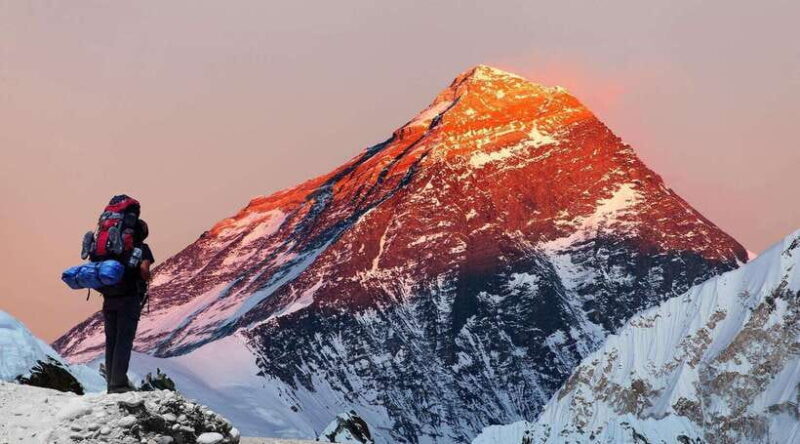
After conquering these passes, you’ll reach Everest Base Camp—the ultimate goal for many trekkers. Here, the vastness of the mountains is overwhelming. Many describe the view as “simply breathtaking,” with Everest looming large. From Base Camp, a short trek to Kala Patthar offers a panoramic view of Everest, Lhotse, and Nuptse against a striking Himalayan backdrop.
Exploring the Gokyo Valley
The route then takes you to Gokyo Lakes, a series of turquoise ponds nestled among rugged peaks. Trekking to Gokyo Ri gives panoramic views of the region’s most iconic mountains. One reviewer appreciated this section, saying, “Gokyo Lakes are like a different world—serene and stunning.”
Final Stages: Rounding Back Through Sherpa Villages
From Gokyo, the trek descends through Marlung and Thame, known for Sherpa communities and monasteries. The trail offers opportunities to encounter Sherpa culture and traditions, including prayer wheels and mani stones. The route back to Lukla is scenic but demanding, with some days climbing over passes and descending into lush valleys.
Practical Details and Logistics
The itinerary is well-structured, allowing gradual acclimatization with rest days at Namche and Dingboche. The trip includes all necessary permits—Sagarmatha National Park and Khumbu Rural Municipality Permits—and provides a knowledgeable guide who speaks English fluently. Accommodation is in teahouses, and meals are included three times daily, giving you a taste of local cuisine.
However, note that hot showers are not included during the trek, which is common in such remote areas. Also, the price covers only the trekking portion; in Kathmandu, you’ll need to arrange your own hotel and meals. The package is designed for private groups, making for a more personalized experience.
Value and Considerations
At $1,930 per person, this trek offers good value considering the comprehensive package, expert guides, permits, and meals. It’s a solid investment for those seeking a demanding, authentic Himalayan adventure. The inclusion of well-maintained trekking maps and the presence of experienced guides can significantly enhance your safety and enjoyment.
That said, this trek is physically demanding and not suitable for children under 12, pregnant women, or those with mobility limitations. Even for seasoned hikers, altitude sickness is a real consideration, so proper acclimatization and physical preparation are key.
The Sum Up
The Everest Three Passes Trek is tailor-made for adventurous souls who crave a challenging yet rewarding Himalayan experience. It combines awe-inspiring mountain vistas, culture with Sherpa communities, and the thrill of conquering three high passes—all wrapped into an 18-day journey that promises unforgettable memories.
If you’re prepared for long days of hiking at high elevation and want to see Everest from multiple spectacular viewpoints, this trek offers excellent value and a truly authentic experience. It’s best suited for physically fit trekkers eager to push their limits and explore the less-trodden paths of Nepal’s Everest region.
For those seeking a comprehensive, guided Everest adventure that balances adventure with cultural insight, this trek ticks all the boxes. The knowledgeable guides, stunning scenery, and opportunity to reach Everest’s base make it a standout choice for serious trekkers.
Everest Three Pass Trek
Frequently Asked Questions
How long is the trek?
This trek lasts 18 days, starting from Lukla and ending back in Kathmandu.
What is included in the price?
The package covers all permits, guided trekking, accommodations in teahouses, meals three times a day, trekking maps, and domestic airport taxes.
Are accommodations comfortable?
Accommodation is in standard teahouses, which provide basic but comfortable lodging suitable for trekking in remote mountain areas.
Is the trek suitable for beginners?
No, this trek is quite challenging due to the high passes and altitude. It’s best suited for experienced trekkers with good physical fitness.
Do I need travel insurance?
Yes, travel insurance is not included in the package and is essential for covering emergencies, altitude sickness, or cancellations.
What should I pack?
Bring camera, long-sleeved shirts, breathable clothing, long pants, outdoor gear, binoculars, trekking equipment, and your passport or ID card.
Are there any restrictions?
Jeans, fishing gear, bikes, alcohol, non-folding wheelchairs, baby carriages, military clothing, and climbing gear are not allowed on this trek.
Can I change my booking?
Yes, with the “Reserve now & pay later” option, you can secure your spot and pay later, giving you flexibility.
Is this trek suitable for children or pregnant women?
No, the trek is not suitable for children under 12, pregnant women, or those over 80 years due to the altitude and physical demands.
In summary, the Everest Three Passes Trek offers a chance to challenge yourself physically while soaking in some of the most iconic sights of the Himalayas. With expert guides and a well-organized itinerary, it’s an adventure worth considering for serious trekkers seeking an authentic Everest experience.
You can check availability for your dates here: More Great Tours Nearby