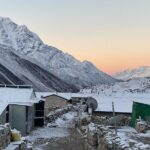
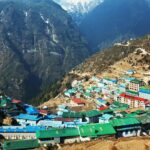
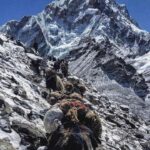
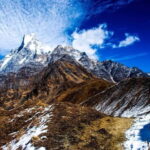
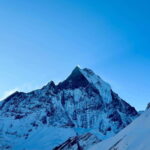
Embarking on the Everest Three Pass Trek is like stepping into a world of unparalleled beauty and adventure. Imagine standing atop the Kongma La Pass, with the mighty Mount Everest looming in the distance, its snow-capped peak glistening in the sunlight.
The journey ahead promises not only breathtaking views but also a chance to take in the rich culture of the Sherpa people and witness the wonders of the Himalayas up close.
But this trek is not for the faint of heart; it requires physical endurance, mental strength, and careful preparation.
So, strap on your hiking boots, pack your backpack, and get ready to discover the wonders that await you on the Everest Three Pass Trek.
- Good To Know
- Trek Overview
- Trek Difficulty Level
- Best Time to Trek
- Trek Itinerary
- Accommodation and Meals
- Required Permits and Fees
- Trekking Gear and Equipment
- Safety Tips and Precautions
- Common Questions
- Is Airport Pickup and Drop-Off Included in the Trek Package?
- What Is the Cancellation Policy for the Everest Three Pass Trek?
- Are There Any Age Restrictions for Participating in the Trek?
- Is Travel Insurance Included in the Trek Package?
- What Is the Maximum Group Size for the Everest Three Pass Trek?
- The Sum Up
- The Best Of Kathmandu!
- More Hiking & Trekking Tours in Kathmandu
- More Tour Reviews in Kathmandu
- Not for you? Here's more nearby things to do in Kathmandu we have reviewed
Good To Know
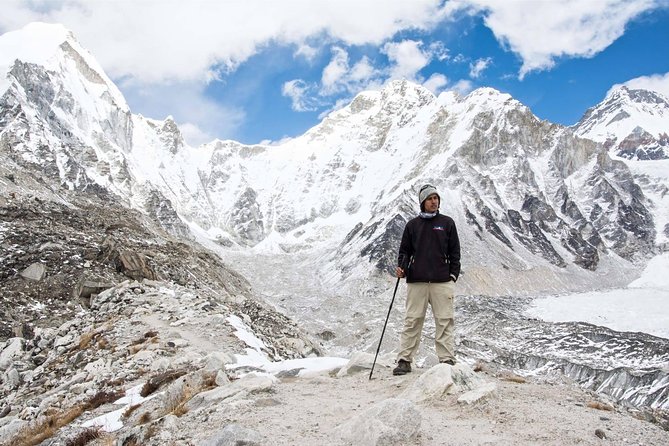
- Everest Three Pass Trek takes place in Sagarmatha National Park
- Acclimatization is crucial due to high altitudes
- Best time to trek is March to May and September to November
- Permits and safety measures must be followed for a safe and responsible trek.
👉 See our pick of the 14 Best Shopping Tours In Kathmandu
Trek Overview
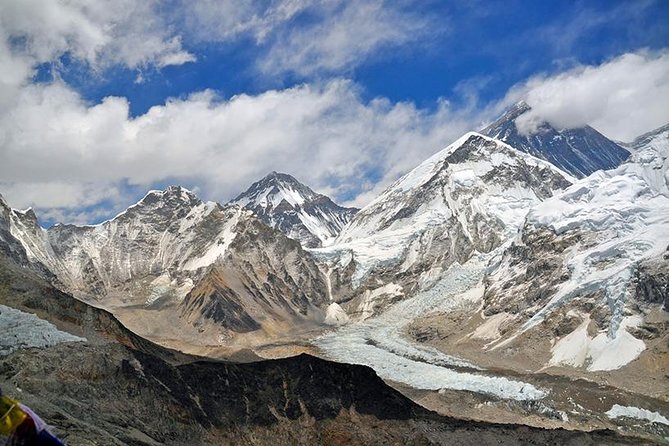
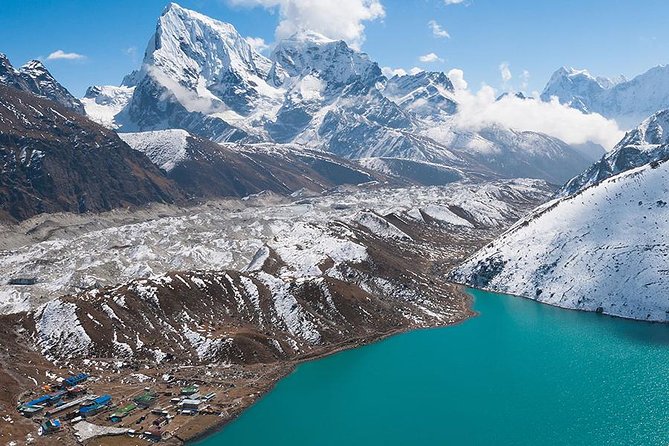
The Everest Three Pass Trek offers adventurers a thrilling and challenging journey through the stunning landscapes of the Sagarmatha National Park. This trek is known for its incredible highlights, including crossing three high mountain passes – Renjo La Pass, Cho La Pass, and Kongma La Pass. These passes provide breathtaking views of the surrounding peaks, including Everest, Lhotse, and Makalu.
One of the key aspects of this trek is the acclimatization process. As trekkers ascend to higher altitudes, it’s crucial to allow their bodies time to adjust to the thinning air. The itinerary of the Everest Three Pass Trek includes strategic rest days in various locations, allowing trekkers to acclimatize properly. This not only helps to prevent altitude sickness but also enhances the overall trekking experience by enabling trekkers to fully enjoy the beauty of the region.
Embarking on the Everest Three Pass Trek promises an adventure of a lifetime, filled with awe-inspiring landscapes, thrilling challenges, and the opportunity to witness the world’s highest peaks up close.
You can also read our reviews of more hiking tours in Kathmandu
Trek Difficulty Level
Embarking on the Everest Three Pass Trek will test the limits of even the most experienced adventurers, as it presents a challenging and exhilarating journey through the rugged terrains of the Sagarmatha National Park. To undertake this trek, proper trek training is essential to ensure physical fitness and endurance. The high altitudes encountered during the trek can pose a risk of altitude sickness, so altitude sickness prevention measures should be taken seriously.
Here are three key factors to consider for a successful trek:
Physical Fitness: The Everest Three Pass Trek requires a high level of physical fitness due to its steep ascents, long distances, and challenging terrains. Regular cardiovascular exercises, strength training, and endurance-building activities are recommended to prepare for this trek.
Altitude Sickness Prevention: Acclimatization is crucial to avoid altitude sickness. It’s important to ascend gradually, staying hydrated, and taking rest days to allow the body to adjust to the high altitudes.
Mental Preparedness: The Everest Three Pass Trek demands mental strength and resilience. It’s essential to stay motivated, maintain a positive mindset, and be prepared to face the physical and mental challenges that may arise during the trek.
Best Time to Trek
For the ultimate adventure in the Everest Three Pass Trek, timing is everything. The best time to embark on this thrilling journey is during the months of March to May and September to November. These periods offer the perfect weather conditions for trekking, with clear skies and moderate temperatures.
Not only will you be able to witness breathtaking views of the majestic mountains, but you’ll also have the best time for photography, capturing stunning landscapes and vibrant colors.
It’s important to note that acclimatization is crucial during this trek, as you’ll be ascending to high altitudes. Take your time and allow your body to adjust to the changing altitude. Stay hydrated, eat well, and listen to your guide’s acclimatization tips to ensure a safe and enjoyable trek.
Trek Itinerary
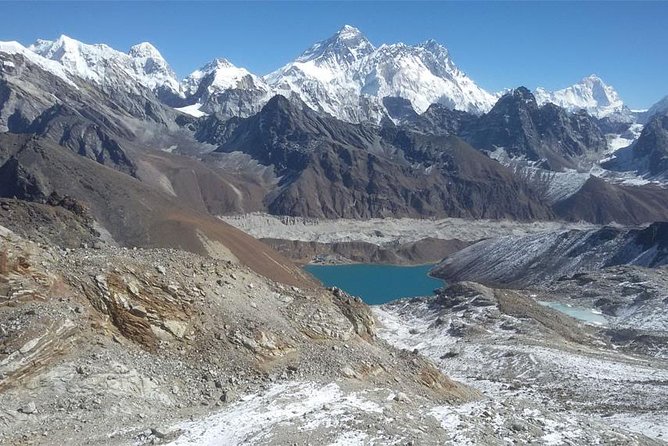
Embark on an exhilarating journey through the Everest Three Pass Trek, where you’ll discover stunning landscapes, challenge yourself physically, and learn about the awe-inspiring beauty of the Himalayas. The trek itinerary is carefully designed to showcase the best of this region, combining breathtaking natural wonders with unique cultural experiences.
Here are the trek highlights:
Renjo La Pass: Traverse the Renjo La Pass at an elevation of 5,360 meters, offering panoramic views of the surrounding snow-capped peaks and turquoise lakes. This challenging pass is a true test of your trekking skills.
Cho La Pass: Conquer the Cho La Pass at 5,420 meters, a demanding yet rewarding ascent that takes you through glacial terrain and rewards you with jaw-dropping views of Ama Dablam and Everest.
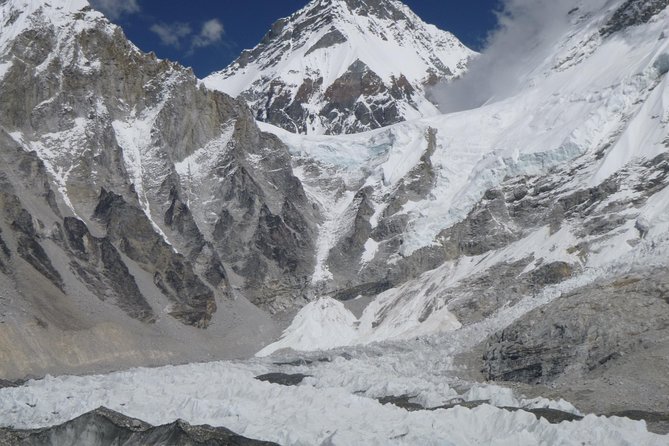
Kongma La Pass: Cross the Kongma La Pass at 5,535 meters, the final challenge of the trek. Be rewarded with breathtaking views of the Khumbu Glacier, along with a sense of accomplishment.
Throughout the journey, you’ll also have the opportunity to learn about the local culture and traditions of the Sherpa people, visiting monasteries, exploring quaint villages, and experiencing warm hospitality along the way.
Get set for an unforgettable adventure in the heart of the Himalayas.
Accommodation and Meals
What types of accommodation and meals can you expect during the Everest Three Pass Trek? When embarking on the Everest Three Pass Trek, trekkers have various accommodation options and meal choices along the way. The trek includes twin-sharing lodge accommodation, where trekkers stay in cozy lodges that provide a comfortable resting place after a day of adventure. These lodges are equipped with basic amenities such as comfortable beds and clean toilets. As for meals, trekkers can enjoy full board meals, including breakfast, lunch, and dinner. The meals are prepared by experienced cooks and offer a variety of options, including both local and international dishes. Here is a table to give you a better idea of the accommodation and meal options:
| Accommodation Options | Meal Options |
|---|---|
| Twin-sharing lodges | Full board meals (breakfast, lunch, dinner) |
| Cozy and comfortable | Local and international cuisine |
| Basic amenities | Experienced cooks |
During the Everest Three Pass Trek, trekkers can rest assured that they will have comfortable accommodation and delicious meals to refuel and recharge for the next day’s adventure.

Required Permits and Fees
As trekkers enjoy their cozy lodges and delicious meals during the Everest Three Pass Trek, they also need to be aware of the required permits and fees for this exhilarating adventure.
Here are three key things to know about the trek permit process and the cost of permits and fees:
Trek Permit Process: Before embarking on the Everest Three Pass Trek, trekkers need to obtain two permits: the Sagarmatha National Park Entry Permit and the Khumbu Rural Municipality Permit. These permits can be obtained in Kathmandu or at the entrance of the national park. It’s important to have a valid passport and two passport-sized photos for the permit application.
Cost of Permits and Fees: The Sagarmatha National Park Entry Permit costs NPR 3,000 per person (approximately USD 27) for foreigners, and NPR 1,500 per person (approximately USD 13) for SAARC nationals. The Khumbu Rural Municipality Permit costs NPR 2,000 per person (approximately USD 18) for all trekkers. These fees contribute to the conservation and maintenance of the national park and local communities.
Keep the Permits Handy: Trekkers are required to carry their permits at all times during the Everest Three Pass Trek. The permits will be checked at various checkpoints along the trail, so it’s important to keep them easily accessible. Failure to present the permits may result in fines or denial of entry into certain areas.
Trekking Gear and Equipment
Trekking in the majestic Himalayas requires proper gear and equipment to ensure a safe and comfortable journey. When embarking on the Everest Three Pass Trek, it is crucial to have the essential equipment for high altitude trekking. Below is a trekking gear checklist that will help adventurers prepare for this exhilarating journey:
| Equipment | Clothing | Accessories |
|---|---|---|
| Hiking boots | Base layers | Sunglasses |
| Backpack | Insulated jacket | Sun hat |
| Sleeping bag | Fleece jackets | Headlamp |
| Trekking poles | Waterproof pants | Water bottle |
| GPS device | Thermal socks | Trekking socks |
Having the right gear is essential for a successful and enjoyable trek. It is important to pack lightweight, moisture-wicking clothing that can provide insulation and protection against the elements. Plus, accessories such as sunglasses, a sun hat, and a headlamp are necessary for navigating the challenging terrain. Don’t forget to bring a water bottle to stay hydrated throughout the journey. With the proper equipment, trekkers can fully enjoy the awe-inspiring beauty of the Everest Three Pass Trek.
Safety Tips and Precautions

Embarking on the exhilarating journey of the Everest Three Pass Trek requires not only the right gear and equipment, but also a thorough understanding of safety tips and precautions to ensure a successful and enjoyable experience. Here are three important safety tips to keep in mind while trekking in the Everest region:
Trekking Safety: It’s essential to follow basic trekking safety guidelines throughout the journey. This includes staying on marked trails, keeping a safe distance from the edge of cliffs, and being aware of your surroundings at all times. It’s also important to listen to your guide and follow their instructions to ensure your safety.
Altitude Sickness Prevention: Altitude sickness, also known as acute mountain sickness (AMS), is a common concern while trekking at high altitudes. To prevent AMS, it’s recommended to acclimatize properly by gradually ascending, staying hydrated, and taking rest days to allow your body to adjust to the altitude. It’s also advisable to avoid alcohol and smoking during the trek.
Emergency Preparedness: Being prepared for emergencies is crucial while trekking in remote areas. Carry a well-equipped first aid kit, including medications for altitude sickness, and have a clear understanding of the evacuation procedures in case of emergencies. It’s also recommended to have travel insurance that covers emergency medical evacuation.
Common Questions
Is Airport Pickup and Drop-Off Included in the Trek Package?
Yes, airport pickup and drop-off are included in the trek package. Adventure Bound takes care of all transportation arrangements, ensuring a smooth start and end to your journey.
What Is the Cancellation Policy for the Everest Three Pass Trek?
The cancellation policy for the Everest Three Pass Trek allows for a full refund if cancelled at least 24 hours in advance. However, if cancelled less than 24 hours before the start time, no refund will be given.
Are There Any Age Restrictions for Participating in the Trek?
Age restrictions and health requirements are important considerations for participating in any trek. It is recommended that travelers have a strong physical fitness level and no serious medical conditions. Specific age restrictions may vary depending on the trek.
Is Travel Insurance Included in the Trek Package?
Yes, travel insurance coverage is included in the trek package. It provides peace of mind and ensures that participants are protected in case of any unforeseen circumstances or emergencies during the trek.
What Is the Maximum Group Size for the Everest Three Pass Trek?
The maximum group size for the Everest Three Pass Trek is determined by the tour operator. Adventure Bound, the company organizing the trek, provides airport pickup and drop off services for all participants.
The Sum Up
To sum it up, the Everest Three Pass Trek is a once-in-a-lifetime adventure that offers trekkers the chance to enjoy the awe-inspiring landscapes of the Everest region.
With its breathtaking views, challenging mountain passes, and cultural encounters, this trek promises an unforgettable experience.
By preparing well, choosing the right time to go, and following safety guidelines, trekkers can embark on a thrilling journey that will leave them with memories to last a lifetime.
So gear up and get ready to conquer the Everest Three Pass Trek for an extraordinary adventure like no other.