Climbing Mount Everest isn’t just about reaching the highest point on Earth; it’s a journey that tests your physical limits, mental resilience, and sense of adventure. While we haven’t personally scaled the summit, this expedition offered by Marvel Treks and Expedition promises an experience packed with breathtaking vistas, cultural insights, and expert support. It’s a serious investment of time and money, but for those dreaming of standing at the top of the world, this could be the adventure of a lifetime.
What we love about this tour? First, the stunning views of Everest, Lhotse, and Makalu that are woven into every day’s trek. Second, the immersive Sherpa culture and visit to Tengboche Monastery show the spiritual side of Nepal’s mountaineering world. Third, the well-rounded support system—from guides to medical safety—helps make this monumental challenge feel feasible. A potential consideration? The long duration requires serious commitment and physical preparation. This expedition suits passionate climbers with some high-altitude trekking experience, ready to embrace a 65-day journey with a focus on safety, acclimatization, and achievement.
- Good To Know
- The Itinerary Breakdown: What to Expect
- Kathmandu: The Starting Point
- Trek to Everest Base Camp
- Visiting Tengboche and Dingboche
- High-Altitude Progression and Base Camp
- The Climb: From Base Camp to the Summit
- Descent and Return
- What Does This Tour Include?
- What’s Not Included?
- Who Will Love This Expedition?
- Final Thoughts
- FAQ
- The Best Of Koshi Zone!
- More Tour Reviews in Koshi Zone
- Not for you? Here's more nearby things to do in Koshi Zone we have reviewed
Good To Know
- Comprehensive 65-day experience combining trekking, acclimatization, and summit push
- Expert guides with UIMGA/IFMGA certification and a 1:1 Sherpa ratio
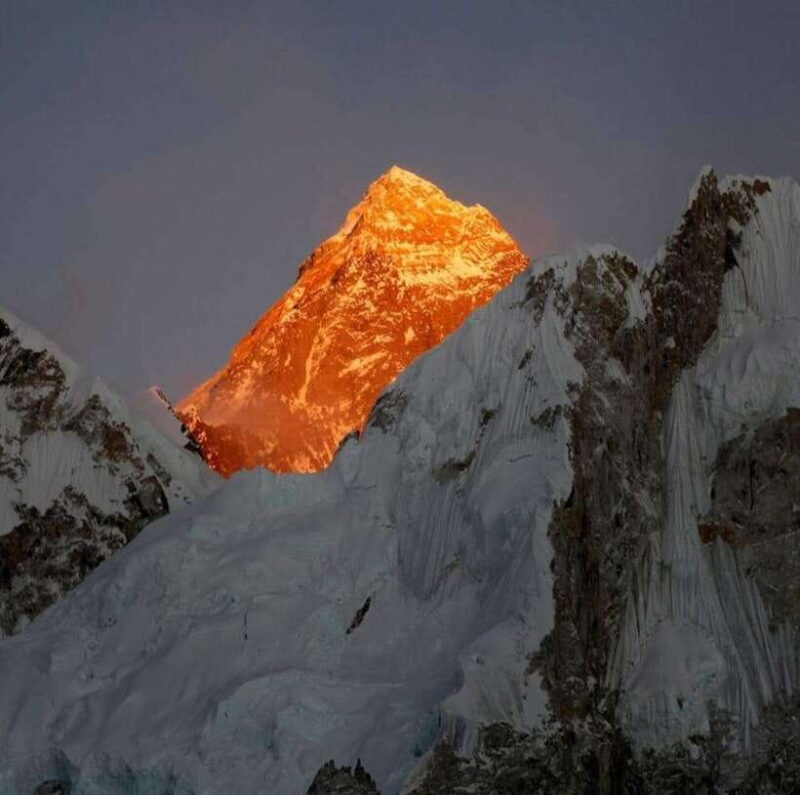
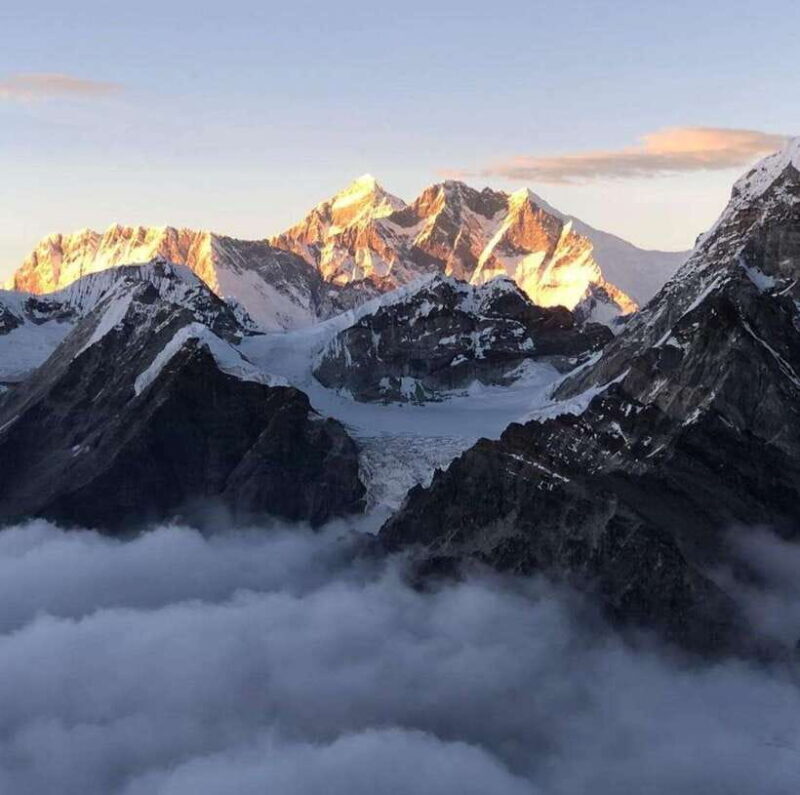
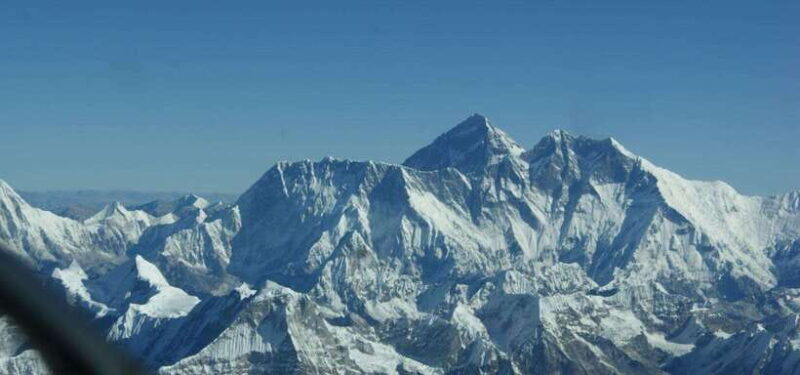
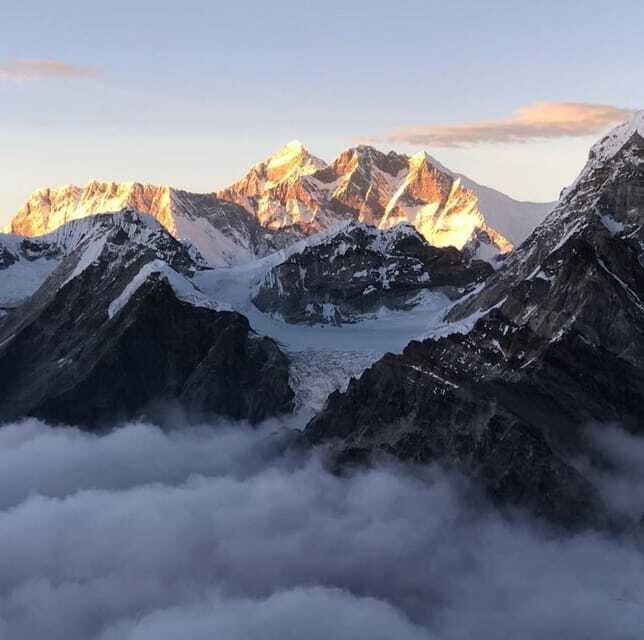
- Stunning vistas from Kala Patthar and Everest View Hotel
- All-inclusive support including permits, high-altitude tents, oxygen, and medical safety
- Authentic cultural encounters at Tengboche Monastery and Sherpa museums
- Good value for the investment considering permits, guides, equipment, and logistics
👉 See our pick of the 4 Best Helicopter Flights And Tours In Koshi Zone
The Itinerary Breakdown: What to Expect
This expedition is structured to gradually prepare you for the challenge of Everest’s summit while allowing time for your body to adapt to the high altitudes. It begins in Kathmandu, where you’ll get your gear sorted, attend safety briefings, and enjoy a brief culture before heading into the mountains.
You can also read our reviews of more tours and experiences in Koshi Zone.

Kathmandu: The Starting Point
Your journey kicks off with a few days in Kathmandu, staying at a comfortable 4-star hotel like the Yak and Yeti. This provides a chance to relax after your international flight, purchase any last-minute gear, and attend essential briefings. Many reviews mention the importance of these sessions; they’re packed with vital information on safety protocols, acclimatization, and what to expect in the mountains.
Trek to Everest Base Camp
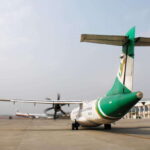
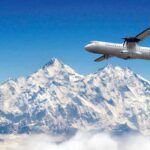
From Kathmandu, you’ll fly to Lukla—famous for its tiny airport and thrilling takeoff—before starting your trek through some of Nepal’s most picturesque villages. The trek from Lukla to Phakding is gentle, but as you proceed to Namche Bazaar, the journey becomes more challenging with steep ascents and descents.
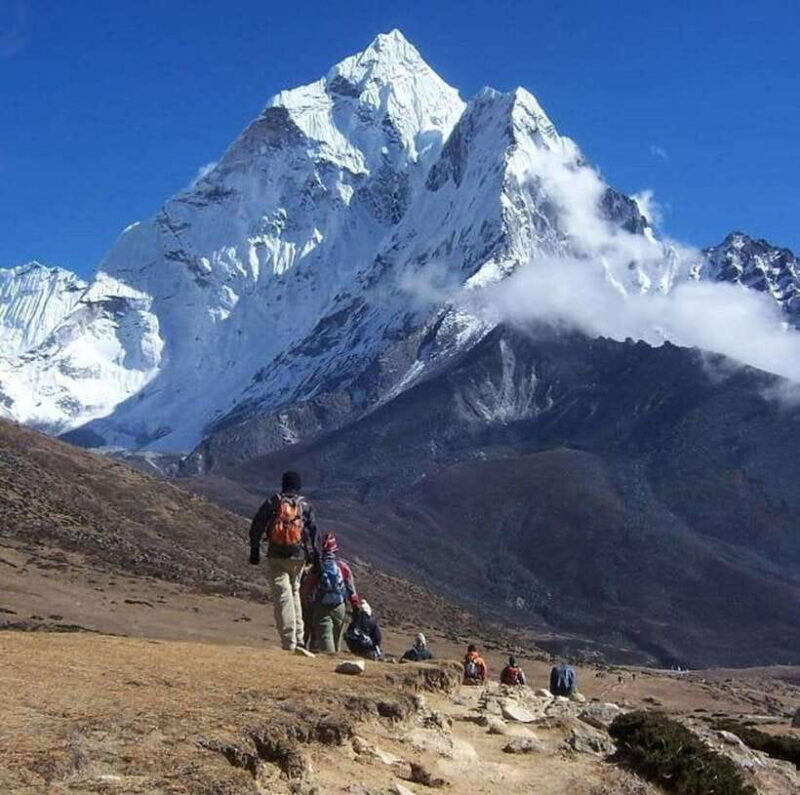
Namche Bazaar is a highlight; it offers views of Lhotse and Ama Dablam and serves as a vital acclimatization point. Many trekkers praise the overnight stay here for the vibrant Sherpa culture and bustling markets. The day at Namche—hiking to the Everest View Hotel—allows your body to adapt while offering incredible panoramic scenes. Sherpa guides often recommend this day as the best time to soak in the landscape without overexerting.
Visiting Tengboche and Dingboche
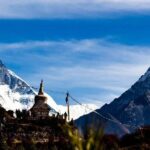
A visit to Tengboche Monastery is a memorable cultural stop. Perched above the valley, the monastery is an active spiritual hub with panoramic views of Everest, Lhotse, and Nuptse. The combination of spiritual calm and awe-inspiring scenery makes it a favorite among travelers. Some reviews mention that the monastery’s serenity contrasts beautifully with the rugged terrain.
Next, the trek to Dingboche presents a chance to see the impressive Ama Dablam and Lhotse peaks. It’s also a key acclimatization spot, with hikers often taking acclimatization hikes like to Chhukung-Ri. Many who’ve done this trek talk about how the thin mountain air makes every step feel more significant, emphasizing the importance of proper acclimatization.
More Great Tours NearbyHigh-Altitude Progression and Base Camp
From Dingboche, you’ll trek to Lobuche and then to Gorakshep, the last settlement before Everest Base Camp. Here, you’ll experience the true high-altitude environment at over 5,000m. The trek includes an early morning hike to Kala Patthar, which many reviewers describe as the highlight—offering an unrivaled view of Everest’s summit and the surrounding peaks, especially at sunrise or sunset.
Reaching Everest Base Camp is, of course, an iconic milestone. The camp is a stark, awe-inspiring place filled with climbers’ tents, flags, and some remnants of past expeditions. Many travelers mention that the cold and the thin air make it a physically demanding experience, but the scenery and sense of achievement make it worthwhile.
The Climb: From Base Camp to the Summit
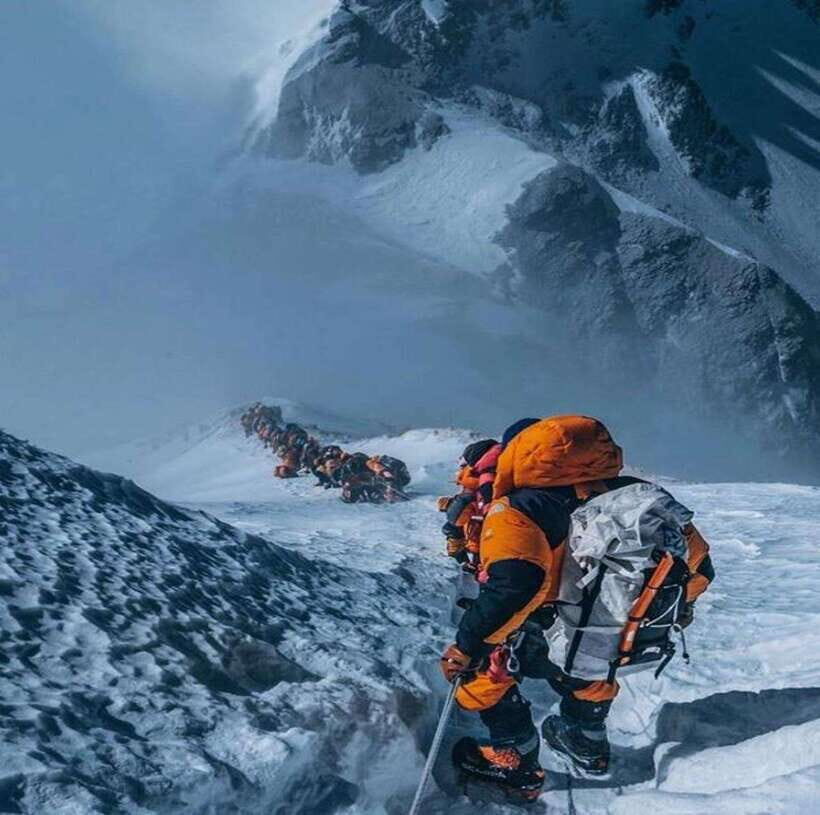
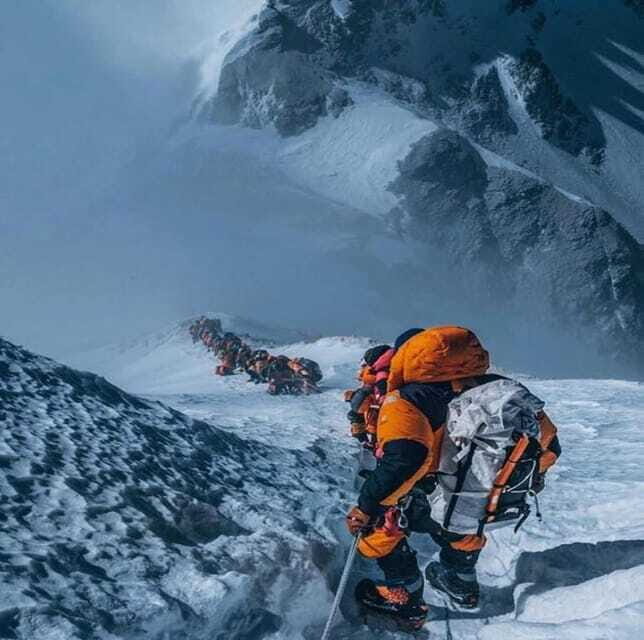
The core of the expedition spans from April 15 to May 30, where you’ll be involved in rotations between Base Camp, Camp I, Camp II, and Camp III. This process helps your body adjust and builds your strength for the final summit push. Expect to be in high-altitude camping tents, with regular supplies of hot meals, warm water, and oxygen support.
The guides, including a certified UIAGM/IFMGA leader and Sherpa climbers, play a critical role in route fixing, safety, and supporting each climber through the challenging terrain. Many reviews note the professionalism of the team, with Sherpas like Mingma Sherpa and Lakpa Sherpa praised for their experience and patience.
The actual summit attempt is a grueling, multi-day process. The key is patience; weather windows are unpredictable but critical. Climbers will rotate through camps, gradually ascending, until the final push to the highest point. From the reports, the summit day is demanding but unforgettable—standing atop Everest, with the world spread beneath your feet, is a feeling unlike any other.
Descent and Return
After reaching the summit, the return involves retracing your route down to Base Camp and onwards to Dingboche. The days after the climb are about recovery and celebrating your achievement. Many reviews highlight the relief and pride that come with safely descending from such extreme altitude.
The trek back to Kathmandu follows the same route, giving you a chance to reflect on the journey while enjoying the familiar scenery. The final days include rest, shopping, and a farewell dinner in Kathmandu, rounding off the experience.
What Does This Tour Include?
This expedition offers extensive logistical support, which is a major reason it’s considered good value. The permit alone costs USD 11,000, covering the expedition royalty fee. Other included features such as high-altitude tents, oxygen bottles, expert guides, and medical support ensure safety and comfort in one of the world’s most extreme environments.
Guides and Sherpa Support: The tour provides a 1:1 Sherpa ratio per climber, along with certified guides, which translates into personalized assistance for each climber. Many reviews emphasize the importance of this support, especially during the summit push.
Safety and Medical Support: With medical staff at Base Camp, emergency oxygen, and a Gamow Bag for altitude sickness, safety is taken seriously. Some climbers mention how reassuring it is to have these resources on hand, especially during unpredictable weather.
Food and Accommodation: During the trek, nutritious high-altitude meals and snacks are provided, with comfortable lodge stays in Kathmandu and tents at Base Camp. The inclusion of generators and heaters makes the Base Camp environment somewhat more livable.
Logistics and Permits: The fee covers all necessary permits and route maintenance fees, removing a potential source of stress for climbers.
What’s Not Included?
Travelers should be aware of several costs outside the package. International airfare to and from Kathmandu isn’t included—this can be a significant expense depending on your location. Nepal visa fees ($125) and personal costs such as toiletries, drinks, and extra oxygen bottles are also on you.
Plus, climbers need to bring or purchase their personal climbing gear and medical kits. Extra nights for early arrivals or late departures are also not included, so flexibility with travel plans is advisable.
Who Will Love This Expedition?
This tour is best suited for serious mountaineers and experienced trekkers who are ready for a long, physically demanding adventure. You should have some high-altitude trekking experience, as the journey involves several weeks of trekking at elevation before the summit attempt. The inclusion of professional guides, medical safety, and logistics support makes the challenge more manageable, but it’s not for casual travelers.
Those seeking a balance between adventure and comfort, with culture and stunning scenery, will find this expedition rewarding. It offers a fair price for what’s included, especially considering the permits, support, and safety measures. Expect patience, resilience, and a sense of adventure to be your best companions.
Final Thoughts
The Everest Expedition 2025/2026 provides a comprehensive, well-supported route to one of the most iconic summits in the world. It combines the thrill of high-altitude mountaineering with authentic cultural encounters, comfortable support in harsh conditions, and breathtaking views at every turn.
While it requires significant time and financial commitment, the safety measures, expert guidance, and inclusive logistics make this a compelling choice for dedicated climbers. If you’re dreaming of standing atop Everest and are prepared for the physical and mental challenge, this tour offers a solid, authentic platform to turn that dream into reality.
In essence, this expedition is about more than just reaching the top—it’s about embracing a monumental adventure, with the support and safety of seasoned professionals, in one of the most spectacular settings on Earth.
Everest Expedition 2025/2026
FAQ
What is included in the Everest Expedition package?
The package covers permits (including the USD 11,000 royalty fee), route fixing, waste management, a liaison officer, guides with a 1:1 Sherpa ratio, oxygen bottles, meals, high-altitude tents, communication equipment, medical support, porters, and camp services.
Are there any requirements to participate?
Participants should be prepared for a 65-day journey that involves trekking and high-altitude climbing. Prior high-altitude trekking experience is recommended, and the tour is suited for serious climbers ready for a demanding adventure.
How long does the expedition last?
The entire experience spans 65 days, starting with trekking and acclimatization in Nepal, followed by the summit push, and concluding with descent and return.
What is the cost of the expedition?
The price per person is $6,168, which includes most logistical support, permits, and accommodations. Additional costs include international flights, personal gear, insurance, and extra expenses during the trip.
What are the main highlights of this tour?
Expect breathtaking views from Kala Patthar, visits to Tengboche Monastery, cultural insights at Sherpa museums, and the thrill of standing on Everest’s summit after a multi-week process.
Is there flexibility in the start dates?
Yes, the tour runs in multiple starting times, but availability should be checked for specific dates.
Do I need to arrange my own equipment?
You should bring your personal climbing gear and medical kit, but the expedition provides the high-altitude tents, oxygen, and other essential equipment.
What safety measures are in place?
Safety is prioritized through expert guides, medical staff at Base Camp, emergency oxygen, and established protocols for route fixing and acclimatization.
To sum it up, this Everest expedition offers a balanced mix of adventure, safety, culture, and logistical support. It’s designed for dedicated climbers looking to make a serious attempt at Everest, with a support system that aims to keep risks manageable. If you’re prepared for a long journey and eager for a life-changing experience, this tour could be your perfect match.
You can check availability for your dates here: More Great Tours Nearby