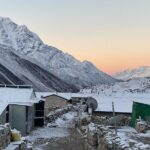
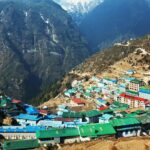
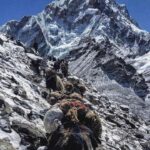
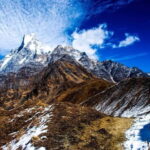
Embarking on the Everest Base Camp Trekking adventure is like stepping into a realm where the ordinary becomes extraordinary. With every step, trekkers are transported to a world of breathtaking beauty and indomitable spirit.
The journey promises to challenge both body and mind, as trekkers navigate through rugged terrain and explore the heart of the Himalayas.
But what awaits them at the end of this arduous expedition? Only one way to find out…
- Good To Know
- Trekking Duration
- Best Time to Trek
- Difficulty Level
- Required Permits and Documents
- Accommodation Options
- Highlights of the Trek
- Health and Safety Tips
- Packing Essentials
- Common Questions
- What Is the Average Duration of the Everest Base Camp Trekking?
- What Is the Best Time of Year to Undertake the Everest Base Camp Trek?
- How Difficult Is the Everest Base Camp Trekking in Terms of Physical Fitness and Altitude?
- What Permits and Documents Are Required for the Everest Base Camp Trek?
- What Are the Accommodation Options Available During the Everest Base Camp Trek?
- The Sum Up
- The Best Of Kathmandu!
- More Hiking & Trekking Tours in Kathmandu
- More Tour Reviews in Kathmandu
- Not for you? Here's more nearby things to do in Kathmandu we have reviewed
Good To Know
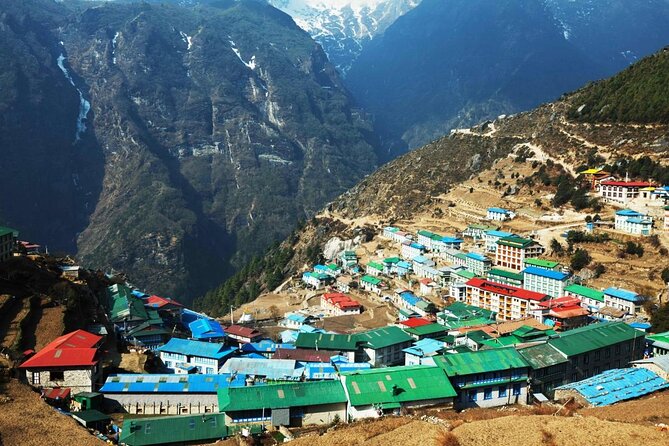
- The Everest Base Camp Trek typically takes 12-14 days and requires proper gear and acclimatization.
- The best time to trek is during the spring (March to May) and autumn (September to November) seasons.
- The trek is challenging due to high altitudes, rugged terrain, and extreme weather conditions.
- Trekking permits, travel insurance, and proper training are necessary for a safe and enjoyable trekking experience.
👉 See our pick of the 14 Best Shopping Tours In Kathmandu
Trekking Duration
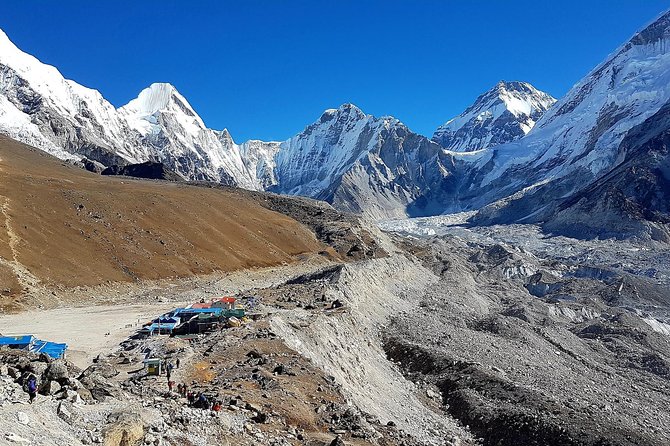
The trekking duration for the Everest Base Camp trek is typically around 12-14 days, depending on the specific itinerary and pace of the trekker. This allows for a gradual ascent and proper acclimatization process, which is crucial for the safety and success of the trek.
During the trek, it’s important to have the right trekking gear to ensure comfort and protection. This includes sturdy hiking boots, layered clothing for varying temperatures, a warm sleeping bag, a backpack, and other necessary equipment.
The acclimatization process involves taking rest days at certain altitudes to allow the body to adjust to the high altitude environment. This helps to prevent altitude sickness and ensures a better overall trekking experience.
It’s important to follow the guidance of experienced guides and trek at a pace that suits your fitness level to fully enjoy and appreciate the breathtaking beauty of the Everest region.
You can also read our reviews of more hiking tours in Kathmandu
Best Time to Trek
Ideally, choosing the best time to trek to Everest Base Camp involves considering the weather conditions, visibility, and the number of other trekkers on the trail. The trekking season in the Everest region is divided into two main periods: spring (March to May) and autumn (September to November). Both seasons offer favorable weather conditions and clear skies, making it easier to navigate the trail and enjoy stunning views of the Himalayas. During spring, the weather gradually warms up, and the rhododendron forests are in full bloom, adding a splash of color to the landscape. Autumn, on the other hand, offers crisp, cool temperatures and stable weather patterns, making it the busiest time on the trail. However, trekkers should be prepared for colder temperatures at higher altitudes. To help you visualize the best time to trek, refer to the table below:
| Trekking Season | Weather Conditions | Visibility |
|---|---|---|
| Spring | Gradually warming up | Clear skies, stunning views |
| Autumn | Crisp, cool temperatures | Stable weather patterns, busy trail |
Difficulty Level
After considering the best time to trek to Everest Base Camp, it’s essential to understand the difficulty level of this adventure.
Trekking to Everest Base Camp poses several challenges that adventurers must be prepared for. The first challenge is the high altitude. The trek reaches a maximum elevation of 5,364 meters, which can cause altitude sickness if climbers aren’t acclimatized properly. Plus, the rugged and steep terrain adds to the difficulty level. Trekkers will encounter rocky paths, narrow trails, and steep ascents and descents.
The extreme weather conditions, including freezing temperatures and strong winds, also make the trek challenging. To tackle these challenges, proper training is necessary. Trekkers should focus on cardiovascular exercises, strength training, and endurance workouts. Training should include uphill hikes and stair climbing to simulate the conditions they’ll face on the trek.
With the right preparation and determination, adventurers can conquer the trek to Everest Base Camp and experience the awe-inspiring beauty of the Himalayas.
Required Permits and Documents
To ensure a smooth and hassle-free trekking experience to Everest Base Camp, it is essential to obtain the necessary permits and documents. Trekking permits are required for all trekkers in the Everest region. These permits can be obtained from the Nepal Tourism Board in Kathmandu or from the Sagarmatha National Park entry gate in Monjo. The permits cost around $30 and are valid for a certain period of time. Plus, it is highly recommended to have travel insurance that covers medical emergencies and evacuation in case of any unforeseen circumstances. Trekking in the Everest region can be physically demanding, and having the right permits and travel insurance can provide peace of mind and ensure that you are well-prepared for any challenges that may arise during your journey.
| Permits and Documents | Where to Obtain | Cost |
|---|---|---|
| Trekking Permits | Nepal Tourism Board, Kathmandu or Sagarmatha National Park entry gate, Monjo | $30 |
| Travel Insurance | Various insurance providers | Varies |
Accommodation Options
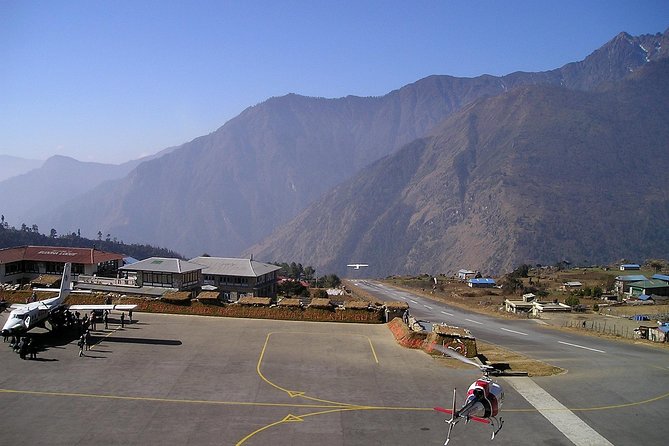
There are several accommodation options available for trekkers on the Everest Base Camp trek, ranging from basic tea houses to more luxurious lodges. These options cater to the different needs and preferences of trekkers, ensuring a comfortable stay throughout the journey.
The tea houses, which are small lodges run by locals, are a popular choice among trekkers. They provide simple yet cozy rooms, communal dining areas, and basic amenities like hot showers and toilets. Staying in tea houses allows trekkers to experience the local culture firsthand, as they get to interact with the friendly Sherpa people who run these establishments.
On the other hand, for those seeking a more luxurious experience, there are lodges that offer more upscale facilities, such as private rooms with attached bathrooms, Wi-Fi, and even hot tubs. These lodges are usually located in the more popular trekking routes and provide a higher level of comfort.
Whichever option trekkers choose, they can be assured of a warm and welcoming atmosphere amidst the breathtaking beauty of the Himalayas.

Highlights of the Trek
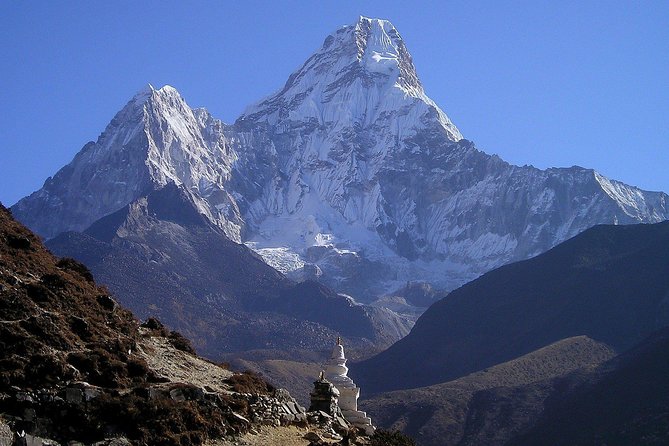
One can’t help but be captivated by the breathtaking highlights of the Everest Base Camp trek, where majestic peaks, ancient monasteries, and vibrant Sherpa villages await. Here are four incredible experiences that make this trek truly unforgettable:
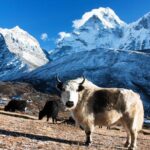
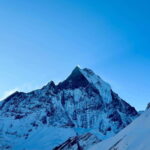
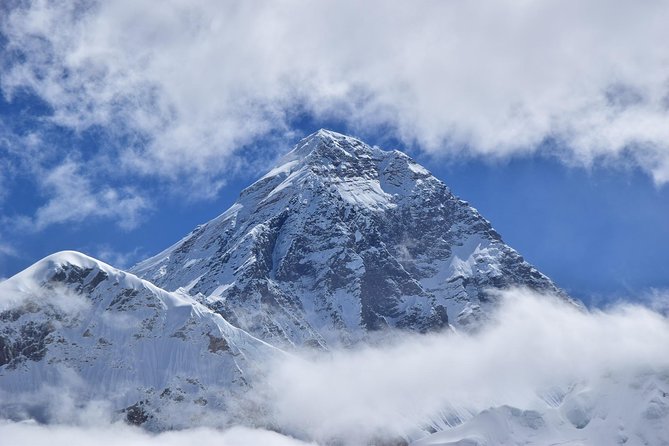
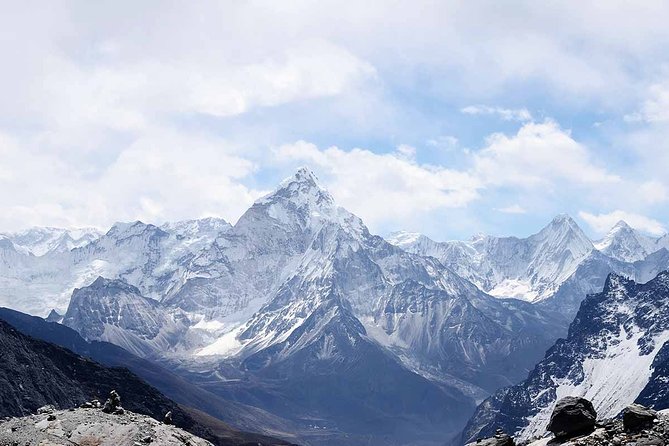
Gazing at the towering peaks: As you make your way through the rugged terrain, you’ll be surrounded by the world’s highest mountains. The sight of Mt. Everest, Lhotse, Nuptse, and other giants will leave you in awe of nature’s grandeur.
Immerse in the local culture: Along the way, you’ll have the opportunity to visit ancient monasteries and learn about the unique Sherpa culture. Interacting with the warm and hospitable Sherpa people will give you a deeper appreciation for their way of life.
Crossing thrilling suspension bridges: The trek takes you over thrilling suspension bridges that span deep gorges. The adrenaline rush as you cross these swaying bridges is an adventure in itself.
Soaking in the panoramic views: From vantage points like Kala Patthar, you’ll witness panoramic views of the Himalayan range. The sight of the sun rising over the snow-capped peaks is a mesmerizing experience that you’ll cherish forever.
Embarking on the Everest Base Camp trek isn’t just about reaching the destination; it’s about enjoying the awe-inspiring natural beauty and rich local culture that this region has to offer.
Health and Safety Tips
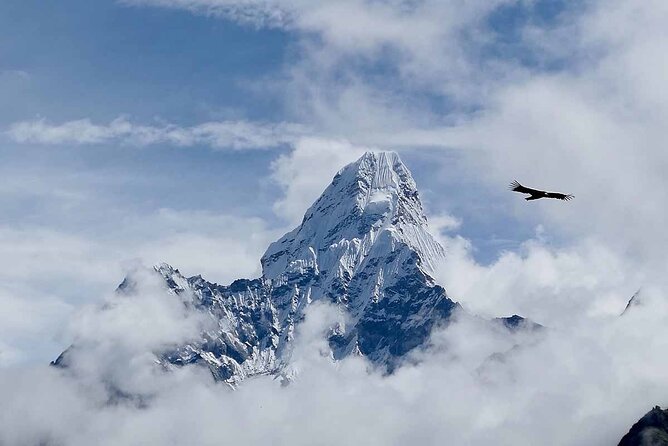
What are some essential health and safety tips to keep in mind while embarking on the Everest Base Camp trek? Trekking to Everest Base Camp is a challenging and rewarding adventure, but it’s important to take precautions to ensure your health and safety along the way. One of the most significant concerns when trekking in the Everest region is altitude sickness. To prevent altitude sickness, it is crucial to acclimatize properly by gradually ascending and taking rest days. Plus, staying hydrated, eating a balanced diet, and avoiding alcohol and smoking can also help. It is advisable to carry a first aid kit and necessary medications, including those for diarrhea, headaches, and altitude sickness. Here is a table summarizing some important trekking precautions to keep in mind:
| Trekking Precautions |
|---|
| Gradually ascend and acclimatize properly |
| Stay hydrated and eat a balanced diet |
| Avoid alcohol and smoking |
| Carry a first aid kit and necessary medications |
Packing Essentials

When preparing for the Everest Base Camp trek, it’s crucial to pack essential items that will ensure your comfort, safety, and success throughout the journey. Here are four items that are a must-have for your trekking gear:
Sturdy hiking boots: These will provide the necessary support and traction on the challenging terrain, keeping your feet comfortable and protected.
Layers of clothing: The weather in the Everest region can be unpredictable, so pack lightweight, moisture-wicking base layers, insulating mid-layers, and a waterproof outer layer to stay warm and dry.
Altitude sickness medication: As you ascend to higher altitudes, the risk of altitude sickness increases. Consult your doctor and pack appropriate medication to alleviate symptoms and ensure a smooth trek.
Quality sleeping bag: A good sleeping bag is essential for a comfortable rest at night. Look for one that’s lightweight, compact, and suitable for low temperatures.
Common Questions
What Is the Average Duration of the Everest Base Camp Trekking?
The average duration of the Everest Base Camp trekking is about 12-14 days. It is a challenging adventure that requires physical fitness and proper acclimatization. However, the breathtaking views and sense of achievement make it all worth it.
What Is the Best Time of Year to Undertake the Everest Base Camp Trek?
The best time to undertake the Everest Base Camp trek is during the spring and autumn seasons when the weather conditions are favorable. These seasons offer clear skies, mild temperatures, and less chance of precipitation, providing an ideal experience for trekkers.
How Difficult Is the Everest Base Camp Trekking in Terms of Physical Fitness and Altitude?
The Everest Base Camp Trekking can pose physical challenges due to the demanding terrain and high altitude. It requires a good level of fitness and acclimatization to avoid altitude sickness. Proper preparation and guidance are essential for a successful trek.
What Permits and Documents Are Required for the Everest Base Camp Trek?
Permit requirements and necessary documents for the Everest Base Camp trek include a Sagarmatha National Park Permit and a TIMS (Trekkers’ Information Management System) card. These documents are essential for ensuring the safety and conservation of the area.
What Are the Accommodation Options Available During the Everest Base Camp Trek?
Accommodation options during the Everest Base Camp trek include tea houses and camping sites. Tea houses provide basic amenities like beds and meals, while camping sites offer a more adventurous experience surrounded by the stunning Himalayan landscape.
The Sum Up
Embarking on the Everest Base Camp trek is a once-in-a-lifetime experience that will leave you in awe of the majestic Himalayas and the resilient Sherpa culture. With its breathtaking landscapes and challenging trails, this trek is a dream come true for avid adventurers.
Whether you’re a seasoned trekker or a first-time explorer, the Everest Base Camp trek offers a thrilling adventure filled with unforgettable moments and a sense of accomplishment.
So lace up your boots, embrace the challenge, and get ready for the adventure of a lifetime.