Did you know that over 35,000 people attempt the Everest Base Camp Trek each year? This challenging yet rewarding adventure takes trekkers through the stunning landscapes of the Himalayas, offering breathtaking views and an immersion into the Sherpa culture.
In just 12 days, adventurers will embark on a journey that will push their limits, both physically and mentally. But what makes this trek so captivating? What are the highlights and challenges that await those who dare to take on this extraordinary expedition?
Buckle up, because this article will take you on a thrilling journey to the roof of the world, where the majestic Mount Everest awaits.
- Good To Know
- Trip Overview
- Inclusions
- Exclusions
- Meeting and Pickup Details
- What To Expect
- Additional Info
- Best Season for the Everest Base Camp Trek
- Trekking Route
- Duration
- Altitude
- Accommodation
- Difficulty Level and Highlights
- Common Questions
- What Is the Maximum Group Size for the Everest Base Camp Trek?
- Are There Any Age Restrictions for the Trek?
- Are There Any Specific Clothing or Equipment Recommendations for the Trek?
- Is It Possible to Hire Additional Porters for Personal Belongings?
- Are There Any Alternative Routes or Side Trips Available During the Trek?
- The Sum Up
- The Best Of Kathmandu!
- More Hiking & Trekking Tours in Kathmandu
- More Tour Reviews in Kathmandu
- Not for you? Here's more nearby things to do in Kathmandu we have reviewed
Good To Know
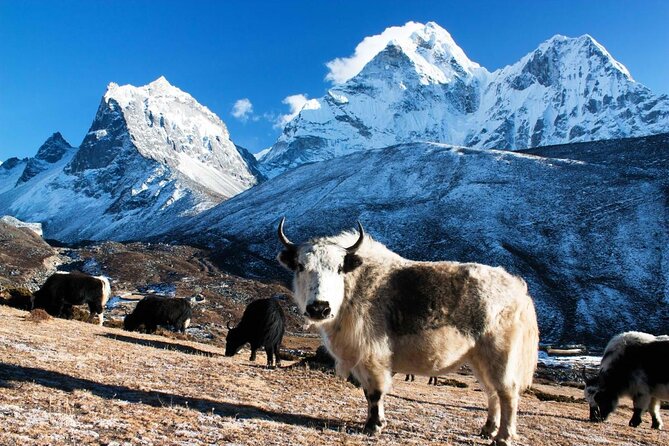
- The Everest Base Camp Trek is a 12-day trekking adventure in Nepal.
- The trek starts from Lukla and passes through Namche Bazaar, Tengboche, and Dingboche before reaching Everest Base Camp.
- The trek reaches a maximum altitude of 5,364 meters at Everest Base Camp.
- Accommodation along the route is provided in tea houses with basic facilities, shared rooms or dormitories, and limited electricity and hot water.
👉 See our pick of the 14 Best Shopping Tours In Kathmandu
Trip Overview
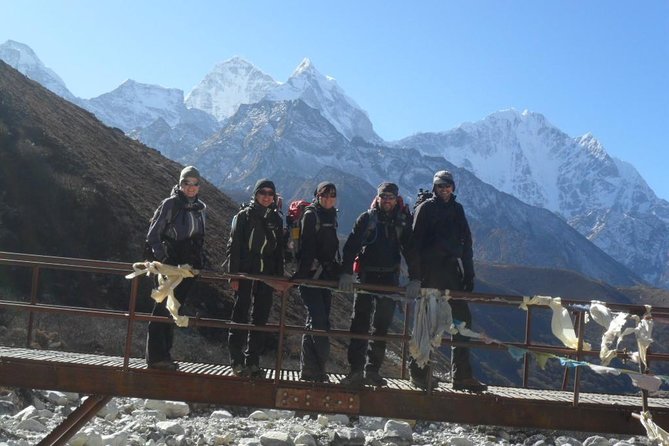
Embarking on the Everest Base Camp Trek is an exhilarating adventure that offers breathtaking mountain views, a glimpse into Sherpa culture, and the opportunity to stand at the foot of the world’s highest peak.
This 12-day trek takes you through some of the most stunning landscapes in the world, starting from Lukla and passing through Namche Bazaar, Tengboche, and Dingboche before reaching Everest Base Camp.
Along the way, you’ll be treated to spectacular mountain views, including a close-up view of Everest itself. You’ll also have the chance to learn about Sherpa culture and traditions, visit the famous Tengboche Monastery, and experience the awe-inspiring Khumbu Icefall.
This trek is a moderate to challenging one, requiring physical fitness and proper acclimatization, but the trip highlights and trekking experience make it all worth it.
You can also read our reviews of more hiking tours in Kathmandu
Inclusions
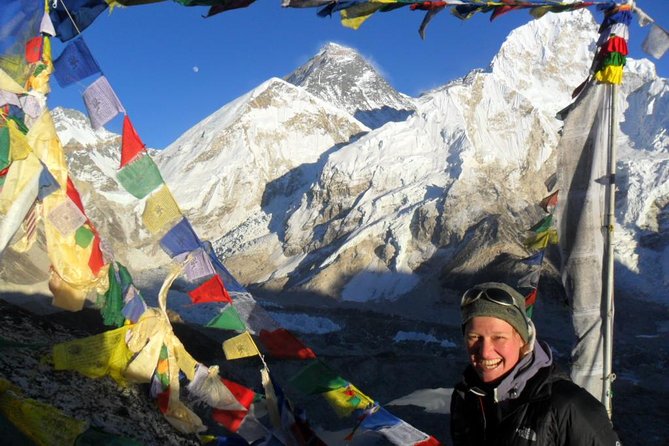
The Everest Base Camp Trekking package includes eleven nights of accommodation in local lodges with twin-share rooms. This ensures that trekkers have a comfortable and cozy place to rest after a long day of trekking.
Along with accommodation, the package also includes the following inclusions:
Trekking equipment: Trekkers can expect to be provided with essential trekking equipment such as sleeping bags, trekking poles, and duffle bags. These items are necessary for a safe and enjoyable trekking experience.
Sherpa guides: The package includes the expertise of experienced Sherpa guides who are trained and licensed by the government. These guides are knowledgeable about the region, its culture, and the trekking routes. They provide valuable guidance and support throughout the trek.
Meals and supplies for the trekking staff: The package covers the costs of food, accommodation, and equipment for the trekking staff, including the guides and porters. This ensures that the staff is well taken care of and can focus on providing the best possible trekking experience for the participants.
With these inclusions, trekkers can embark on their Everest Base Camp adventure with peace of mind, knowing that they’ve the necessary equipment and the support of experienced Sherpa guides.
Exclusions
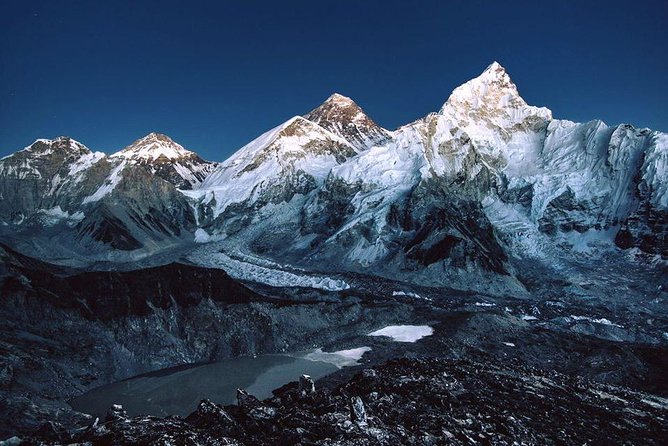
After being equipped with essential trekking gear and guided by experienced Sherpas, trekkers can now explore the exclusions of the Everest Base Camp Trekking package.
While the package includes accommodation, guide services, permits, and round-trip airfare between Kathmandu and Lukla, there are additional costs that trekkers need to consider. These exclusions include personal travel insurance, Nepal entry visa fee, lunch and dinner in cities, beverages, and tips for the guide, porters, and drivers.
It’s important for trekkers to have personal travel insurance to cover any unforeseen circumstances or emergencies during the trek. This ensures their safety and provides peace of mind.
Trekkers should also budget for meals in cities and other personal expenses. By understanding the exclusions and additional costs, trekkers can plan and prepare accordingly, making their Everest Base Camp Trekking experience hassle-free and enjoyable.
Meeting and Pickup Details
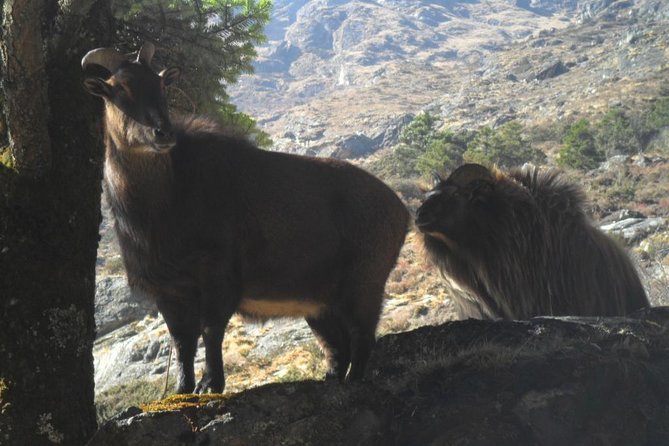
Upon arrival in Kathmandu, adventurers embarking on the Everest Base Camp Trekking journey will have the option to head directly to the meeting point or request a pickup from their hotel’s reception. The pickup logistics are organized by the local provider to ensure a smooth and convenient start to the trek.
Here are three important things to know about the meeting and pickup details:
Meeting Point: The meeting point is located in Thamel, Kathmandu. Adventurers will gather at the lobby of their hotel in Kathmandu before heading to the meeting point together.
Pickup Points: Adventurers can choose from several pickup points for their convenience. The local provider will meet guests at their hotel’s reception and make arrangements accordingly.
Communication with Local Provider: It’s essential to confirm the start time with the local provider in advance. They’re available from Monday to Friday and on Sunday, ensuring clear communication and coordination throughout the pickup process.
What To Expect
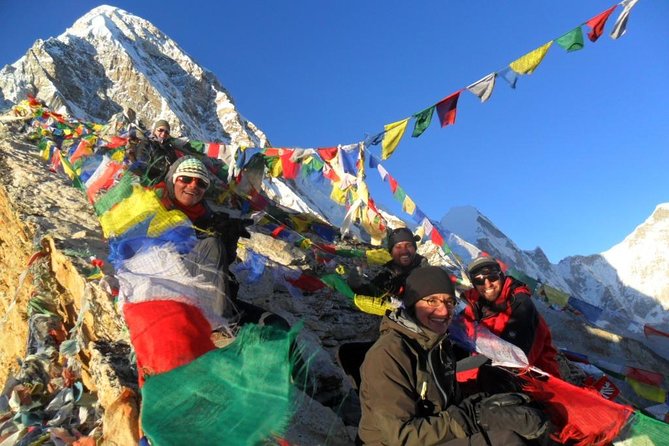
Embarking on the Everest Base Camp Trekking journey, adventurers can expect an exhilarating and awe-inspiring experience as they enjoy the breathtaking beauty of the Himalayas and enjoy the rich Sherpa culture and traditions. Expectations for the trek include facing challenges such as steep ascents and descents, as well as the risk of altitude sickness. However, with proper physical fitness and acclimatization, these challenges can be overcome.
Adventurers will be rewarded with spectacular mountain views and a close-up view of Everest itself. They’ll also have the opportunity to visit the famous Tengboche Monastery and experience the awe-inspiring Khumbu Icefall. Along the route, accommodations will be basic, with shared rooms or dormitories and limited electricity and hot water.

Additional Info
For those seeking to embark on the Everest Base Camp Trekking journey, there are some additional key pieces of information to keep in mind to ensure a successful and memorable experience.
Altitude sickness: Due to the high altitude, it’s important to be aware of the risk of altitude sickness. It’s recommended to acclimatize properly, stay hydrated, and listen to your guide’s advice. If symptoms such as headache, dizziness, or shortness of breath occur, it’s important to descend to a lower altitude.
Tea house accommodations: Along the trekking route, there are tea houses that provide basic accommodation facilities. These tea houses offer shared rooms or dormitories and have limited electricity and hot water. It’s advisable to bring a sleeping bag for added comfort.
Limited amenities: It’s important to note that the tea houses have limited amenities. It’s recommended to bring essential toiletries and any personal items you may require. Plus, it’s advisable to carry extra cash for any additional expenses along the way.
Best Season for the Everest Base Camp Trek
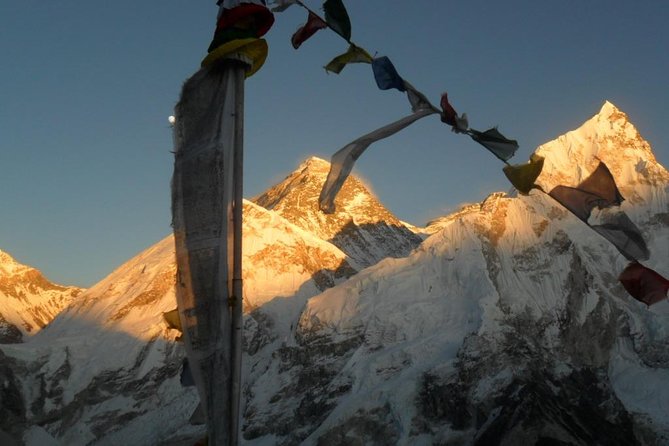
As trekkers embark on the unforgettable journey to Everest Base Camp, it’s crucial to consider the best season to fully take in the awe-inspiring beauty of the Himalayas.
The best seasons for the Everest Base Camp Trek are from September to December and from March to May. During these months, the weather is generally stable, with clear skies and mild temperatures, providing perfect conditions for trekking.
However, it’s important to note that the summer months from June to August can also be a beautiful time to trek, but the monsoon season brings heavy rainfall and can affect the trekking experience.
For those who prefer to avoid the monsoon season, there are alternative treks available in other regions of Nepal that offer stunning landscapes and cultural experiences.
Trekking Route
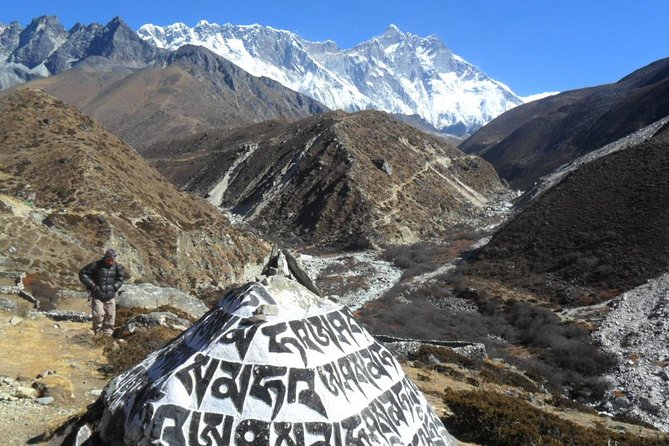
The trekking route to Everest Base Camp takes adventurers through a breathtaking journey that starts from Lukla and passes through Namche Bazaar, Tengboche, and Dingboche, ultimately culminating at the majestic Everest Base Camp.
1) Sherpa Culture: Along the trekking route, trekkers have the opportunity to enjoy the rich Sherpa culture. They can visit local villages and interact with the warm and friendly Sherpa people, who are known for their hospitality and mountaineering expertise. Trekkers can learn about their traditions, customs, and way of life, gaining a deeper understanding of the Sherpa community.
2) Altitude Sickness Risks: As trekkers ascend to higher altitudes, they face the risk of altitude sickness. It’s crucial to acclimatize properly at various points along the trekking route, such as Namche Bazaar and Dingboche, to allow the body to adjust to the thinning air. Trekkers should be aware of the symptoms of altitude sickness and take necessary precautions, such as staying hydrated, ascending gradually, and listening to their guide’s advice.
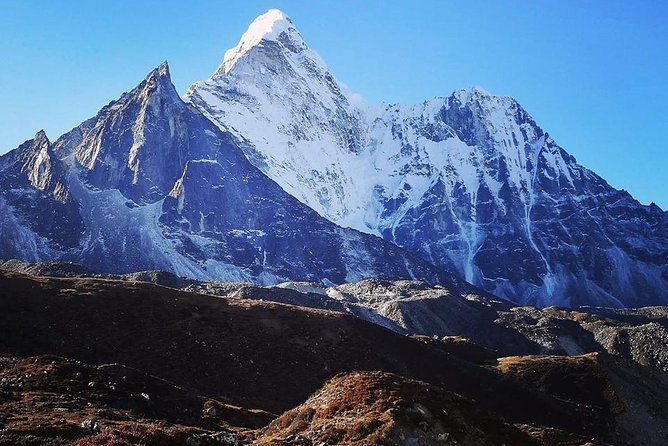
3) Scenic Landscapes: The trekking route offers breathtaking views of the Himalayan mountain range, including close-up views of Everest. Trekkers will witness stunning landscapes, from lush forests and picturesque valleys to snow-capped peaks and glacial streams. The beauty of the surroundings provides a constant sense of adventure and awe, making the trek an unforgettable experience.
Duration
The duration of the Everest Base Camp trek is 12 days in total, with 9 days dedicated to trekking, 2 days for acclimatization, and 1 day for the return journey. This carefully designed itinerary allows trekkers to gradually adjust to the high altitude and minimize the risk of altitude sickness.
The trekking challenges aren’t to be taken lightly, as the highest point reached is 5,364 meters at Everest Base Camp. Steep ascents and descents, along with the thin air, require a good level of physical fitness and proper acclimatization.
However, the rewards are truly extraordinary. Trekkers will be treated to spectacular mountain views and a close-up view of Everest itself. They’ll also have the opportunity to experience Sherpa culture and traditions, visit the Tengboche Monastery, and witness the awe-inspiring Khumbu Icefall.
Altitude
At a staggering altitude of 5,364 meters, Everest Base Camp stands as a testament to the indomitable spirit of adventure seekers who dare to conquer the world’s highest peak. The altitude at Everest Base Camp poses both challenges and risks that trekkers must be aware of.
Here are three important aspects to consider when it comes to altitude on the Everest Base Camp Trek:
Altitude Acclimatization: Given the rapid increase in altitude, it’s crucial for trekkers to acclimatize properly to minimize the risk of high altitude sickness. This involves taking rest days at certain points along the trail to allow the body to adjust to the thinning air.
High Altitude Sickness: Also known as altitude sickness or acute mountain sickness, this condition can occur when the body is unable to adapt to the reduced oxygen levels at higher altitudes. Symptoms may include headache, nausea, dizziness, and fatigue. It’s important to recognize these symptoms and descend if they worsen.
Proper Preparation: To mitigate the effects of altitude, it’s recommended to engage in physical training prior to the trek. This includes cardiovascular exercises and hikes at higher elevations to help the body adapt to lower oxygen levels.
Altitude is a significant factor to consider on the Everest Base Camp Trek. By understanding the importance of altitude acclimatization and being aware of the risks of high altitude sickness, trekkers can better prepare themselves for this incredible adventure.
Accommodation
As trekkers venture into the awe-inspiring heights of Everest Base Camp, finding suitable accommodation becomes an essential part of the journey. Along the trekking route, tea houses provide a comfortable resting place for weary travelers. These tea houses offer basic facilities and are equipped with shared rooms or dormitories. Trekkers are advised to bring their own sleeping bags as they aren’t provided by the tea houses.
While the accommodations may be simple, they offer a warm and cozy atmosphere amidst the stunning Himalayan backdrop. It’s important to note that electricity and hot water may be limited in these tea houses, so it’s wise to plan accordingly.
Despite the rustic settings, the tea house facilities ensure a comfortable stay, allowing trekkers to rest and recharge before continuing their adventure to Everest Base Camp.
Difficulty Level and Highlights
Embarking on the Everest Base Camp trek is an exhilarating adventure that offers a moderate to challenging level of difficulty and a multitude of breathtaking highlights. Here are three discussion ideas, trekking challenges, and cultural experiences to expect on this incredible journey:
Trekking Challenges:
- The Everest Base Camp trek presents several challenges for trekkers.
- The steep ascents and descents can be physically demanding, requiring good physical fitness.
- Plus, the high altitude poses the risk of altitude sickness, making proper acclimatization crucial.
- Trekkers must be prepared for these challenges and take necessary precautions to ensure a safe and enjoyable journey.
Cultural Experiences:
- As you make your way through the stunning landscapes, you’ll also have the opportunity to learn about the rich Sherpa culture.
- Interact with the locals, visit traditional villages, and witness their unique customs and traditions.
- A highlight of the trek is a visit to the Tengboche Monastery, where you can experience the spiritual ambiance and witness the monks’ daily rituals.
Breathtaking Highlights:
- The Everest Base Camp trek offers incredible highlights that will leave you in awe.
- Enjoy spectacular mountain views throughout the journey, with a close-up view of the majestic Mount Everest itself.
- You’ll also witness the mesmerizing Khumbu Icefall, a frozen cascade of ice that’s both beautiful and challenging to navigate.
- These highlights make the trek an unforgettable experience for adventure enthusiasts and nature lovers alike.
Common Questions
What Is the Maximum Group Size for the Everest Base Camp Trek?
The maximum group size for the Everest Base Camp trek is typically around 12 to 14 people. This allows for a more intimate and personalized experience, while still maintaining a sense of camaraderie and adventure. Age restrictions may apply.
Are There Any Age Restrictions for the Trek?
There are no specific age restrictions for the trek, but it is important to consider the health requirements. The Everest Base Camp trek is a moderate to challenging trek that requires physical fitness and proper acclimatization.
Are There Any Specific Clothing or Equipment Recommendations for the Trek?
For the trek, it is recommended to bring appropriate trekking gear and follow packing tips. This will ensure that you are well-prepared for the adventure and have a comfortable experience throughout the Everest Base Camp Trekking.
Is It Possible to Hire Additional Porters for Personal Belongings?
Yes, it is possible to hire additional porters for personal belongings. It is recommended to pack light and only bring the essentials for the trek. Hiring porters can help alleviate the burden and make the trek more enjoyable.
Are There Any Alternative Routes or Side Trips Available During the Trek?
Yes, there are alternative routes and side trips available during the trek. These options allow trekkers to explore different areas and add more adventure to their Everest Base Camp journey.
The Sum Up
Embark on the adventure of a lifetime with the Everest Base Camp Trek.
This exhilarating 12-day journey will take you through breathtaking landscapes, offering awe-inspiring views of the mighty Himalayas.
Enjoy the rich Sherpa culture and witness iconic spots such as Namche Bazaar and Tengboche Monastery.
Though challenging, the rewards of this trek are unparalleled, making it a must-do for outdoor enthusiasts and nature lovers.
Get ready to conquer the heights and create memories that will last a lifetime.