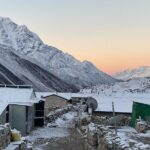
Planning a trek to Everest Base Camp often conjures images of long days and challenging climbs, but this particular route offers so much more than just the classic trail. The Everest Base Camp Trek via Gokyo Lake and Cho La Pass is a carefully curated journey that combines the iconic Everest views with the serene beauty of high-altitude lakes and the thrill of crossing a glacier pass. This is a trek for those who crave adventure, culture, and breathtaking scenery, all wrapped into a 14-day package.
What makes this trek stand out? First, the inclusion of Gokyo Lakes, often overlooked by solo travelers, offers stunning reflections and a sense of tranquility. Second, the Cho La Pass crossing is a real highlight—an adrenaline-pumping glacier trek that pushes your limits. Third, the Sherpa culture and historic monasteries give you a genuine taste of Himalayan life. On the flip side, the demanding altitude and long days require good preparation and a moderate fitness level. This trip is perfect for adventurous travelers eager to see the Himalayas beyond the usual routes.
- Good To Know
- Why Choose This Trek?
- The Itinerary Breakdown
- Day 1 & 2: Kathmandu and the Scenic Flight to Lukla
- Days 3–4: Namche Bazaar and Local Exploration
- Days 5–6: Tengboche and Dingboche
- Days 7–9: Lobuche and Everest Base Camp
- Days 10–11: Gokyo Lakes and Cho La Pass
- Days 12–13: Return via Namche and Lukla
- Day 14: Return to Kathmandu
- What Makes This Trek Special?
- The Accommodation and Food Experience
- The Guides and Support
- Considerations Before Booking
- The Best Of Kathmandu!
- More Hiking & Trekking Tours in Kathmandu
- More Tour Reviews in Kathmandu
- Not for you? Here's more nearby things to do in Kathmandu we have reviewed
Good To Know
- Diverse landscapes: From lush Sherpa villages to high-altitude lakes and icy passes, this trek offers a variety of scenery.
- Cultural richness: Authentic Sherpa hospitality, monasteries, and local markets enrich your journey.
- Well-organized logistics: Includes everything from domestic flights to well-planned meals and accommodations.
- Safety and support: Emergency oxygen, expert guides, and small group ratios ensure a secure experience.
- Value for money: At $1,000, it provides a comprehensive Himalayan trek with excellent logistics.
- Authentic experience: Personal insights from previous trekkers highlight the guide’s knowledge and the quality of the food and lodging.
👉 See our pick of the 14 Best Shopping Tours In Kathmandu
Why Choose This Trek?
This route offers a more varied and scenic alternative to the traditional Everest Base Camp trek. With the addition of Gokyo Lakes and the Cho La Pass, you’ll encounter landscapes that few treks can match in diversity. It’s ideal for seasoned trekkers or adventurous first-timers who want a challenge but also crave cultural depth and stunning vistas.
The balance of adventure and comfort is evident—organized logistics, experienced guides, and well-maintained teahouses mean you can focus on the experience rather than logistics. The inclusion of emergency oxygen and a small guide-to-trekker ratio also adds peace of mind, especially at higher altitudes.
You can also read our reviews of more hiking tours in Kathmandu
The Itinerary Breakdown
Day 1 & 2: Kathmandu and the Scenic Flight to Lukla
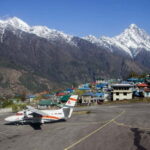
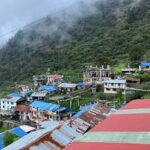
Your journey begins with a warm welcome in Kathmandu, where your guide will meet you at the airport. Expect a short briefing and gear check. The highlight here is the scenic flight to Lukla, offering fantastic views of the Himalayas—an experience in itself. From Lukla, the trek kicks off with a gentle walk through Sherpa villages, setting a friendly and welcoming tone.
Days 3–4: Namche Bazaar and Local Exploration
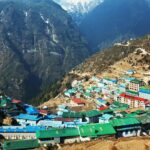
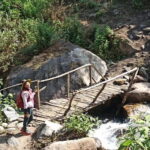
Crossing suspension bridges over the Dudh Kosi River, you’ll arrive at Namche Bazaar, the bustling hub of the Khumbu region. Here, many trekkers take the opportunity to hike up to the Everest View Hotel at 3,880m for a stunning panorama, or explore the Sherpa Museum, a place full of stories and history. Reviewers love the local market scene and the chance to learn about Sherpa traditions.
Days 5–6: Tengboche and Dingboche
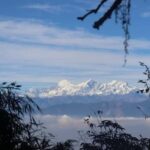
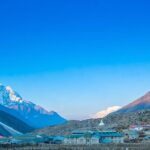
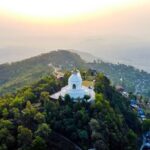
Walking through pine forests with mountain vistas, you’ll visit Tengboche Monastery, a spiritual and scenic highlight. The views of Thamserku and Everest from here are remarked upon as truly unforgettable. As you ascend to Dingboche, you’ll start feeling the altitude—something trekkers need to be mindful of, as one reviewer pointed out that the journey tests both physical and mental strength.


Days 7–9: Lobuche and Everest Base Camp
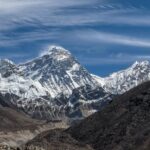
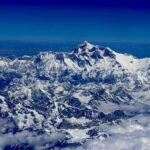
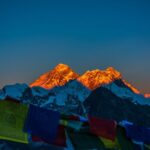
The walk to Lobuche is an alpine adventure, passing memorials honoring climbers. The hard-earned reward comes at Gorak Shep, where you’ll trek to the iconic Everest Base Camp. Photographers especially love the moment at Kala Patthar, where sunrise views of Everest are often described as breathtaking. One reviewer mentions that the trek is “challenging yet memorable,” emphasizing the sense of achievement it brings.
Days 10–11: Gokyo Lakes and Cho La Pass
From Gorak Shep, the journey heads toward Gokyo, crossing the Cho La Pass early in the morning—an icy, exhilarating crossing that’s both physically demanding and visually stunning. Descending into the quieter Gokyo Valley, you’ll find serenity among the lakes, which many describe as peaceful and reflective. The following day, a morning climb offers panoramic views of Everest, Cho Oyu, and Makalu, with lakes 3 and 4 providing perfect photo opportunities.
Days 12–13: Return via Namche and Lukla
Descending through Dudh Koshi River valleys, you return to Namche Bazaar for a well-deserved rest and hot shower. The final trek to Lukla follows familiar landscapes, with trekkers noting the scenic beauty and the sense of closure as they approach the end of their adventure.
Day 14: Return to Kathmandu
The trip concludes with a short flight back to Kathmandu. Afterward, you have free time for sightseeing, shopping, or relaxing with a local massage—an appreciated touch after days of exertion.
What Makes This Trek Special?
Scenery: The route covers a wide variety of landscapes—from lush pine forests and Sherpa villages to the stark, reflective Gokyo Lakes and icy Cho La Pass. Reviewers highlight how the lakes offer a peaceful contrast to the bustling base camp area, with some describing the reflections in Gokyo as “pristine” and “almost surreal.”
Cultural Encounters: Visiting monasteries and local markets immerses you in Sherpa life. Guides are praised for their knowledge, with one reviewer mentioning their guide “friendly, knowledgeable, and always willing to reassure in moments of discomfort.”
Adventure Factor: Crossing the Cho La Pass is a highlight—an exciting glacier crossing that offers a real adrenaline rush while giving you a sense of achievement. Reviewers say it’s a “challenging but fulfilling” experience, perfect for those seeking more than just a walk.
Logistics and Safety: The inclusive price of $1,000 covers flights, permits, accommodations, meals, and guiding. The well-organized logistics mean less fuss and more focus on the trek itself. The inclusion of emergency oxygen is a crucial safety feature, especially at higher altitudes.
Value for Money: Considering the comprehensive package—domestic flights, permits, guides, meals, teahouses—this trek offers excellent value. Many reviewers echo this sentiment, emphasizing the quality of guides and food, often describing the trip as “worth every penny.”
The Accommodation and Food Experience
Staying in twin-share teahouses, you’ll experience genuine Himalayan hospitality. Reviewers frequently mention the hearty, delicious food—tasty local dishes, warm soups, and filling breakfasts—that keeps you fueled for each day. Some note that the meals are surprisingly good given the remote settings.
The Guides and Support
Guides are described as friendly, knowledgeable, and supportive. One reviewer praised their guide’s ability to reassure and help swap backpacks when needed. Their experience and familiarity with the terrain make the journey safer and more enriching. The small guide-to-trekker ratio (1:2) ensures personalized attention and safety.
Considerations Before Booking
This trek demands a moderate fitness level and the mental resilience to handle high-altitude challenges. The long days and steep ascents can be tough, especially when crossing the glacier pass. Also, weather can impact the experience, but the tour’s flexible refund policy (full refund if canceled 24 hours in advance) offers peace of mind.
The Everest Base Camp Trek via Gokyo Lake and Cho La Pass is a superb choice for travelers seeking a multi-faceted Himalayan adventure. Its blend of stunning landscapes, cultural encounters, and challenging glaciers makes it stand out from more typical routes. The well-organized logistics, knowledgeable guides, and authentic experience ensure that you get great value for your investment.
This trek suits proactive travelers who want to challenge themselves physically while soaking in some of the world’s most iconic mountain views. It’s perfect if you’re looking for a journey that balances adventure with comfort, and cultural richness with scenic beauty.
If you’re after an experience that’s both exhilarating and meaningful, this trek delivers in spades. Just be prepared for the altitude and long days—your mountain memories will be worth every effort.
How physically fit do I need to be for this trek?
A moderate fitness level is recommended. The trek involves long days, steep ascents, and crossing glacier passes, so some prior hiking experience and good stamina will help.
Are meals included during the trek?
Yes, all meals—breakfast, lunch, and dinner—are included in the package, providing hearty, local dishes that keep you energized. You might find the food surprisingly tasty considering the remote locations.
What safety measures are in place?
The trip includes safety features like emergency oxygen and experienced guides. The small group size (guide to trekker ratio 1:2) enhances safety and personal attention.
What is the cost of the tour, and does it offer value?
At $1,000 per person, the package covers flights, permits, accommodations, meals, and guiding. Given the comprehensive logistics and quality of experience, it’s considered good value for a Himalayan trek of this scope.
Is this trek suitable for beginners?
While some trekking experience helps, it’s better suited for those with a moderate fitness level and some mountain hiking background. The high passes and altitude require mental and physical preparation.
What should I pack for this trek?
Essential gear includes sturdy hiking boots, warm clothing, a good sleeping bag, and personal items. Gear can be rented in Kathmandu if needed. Pack layers, a hat, sunglasses, and sunscreen for sun protection, especially at higher altitudes.
Embarking on the Everest Base Camp Trek via Gokyo Lake and Cho La Pass is truly an adventure of a lifetime. With its mix of awe-inspiring scenery, authentic culture, and physical challenge, it offers a Himalayan experience you’ll carry with you forever.