Have you ever wondered what it would be like to hike to the top of the world?
Many adventurers have set their sights on Mount Everest, the tallest peak in the world, and the journey to its base camp is considered a gateway to the ultimate mountaineering experience.
But what is it really like to embark on the Everest Base Camp Trek? Is it as challenging and awe-inspiring as it seems?
Here, we will explore the reality of hiking to Mount Everest, from the breathtaking views to the physical demands, and uncover why this adventure continues to captivate the hearts of explorers from around the globe.
- Good To Know
- Trek Highlights
- Trip Itinerary
- Accommodation and Meals
- Essential Packing List
- Booking and Payment Information
- Common Questions
- How Physically Demanding Is the Everest Base Camp Trek?
- Are There Any Age Restrictions for the Trek?
- Is Altitude Sickness Common During the Trek?
- Can I Bring My Own Sleeping Bag and Trekking Gear?
- Are There Any Additional Costs or Fees Not Mentioned in the Itinerary?
- The Sum Up
- The Best Of Kathmandu!
- More Hiking & Trekking Tours in Kathmandu
- More Tour Reviews in Kathmandu
- Not for you? Here's more nearby things to do in Kathmandu we have reviewed
Good To Know
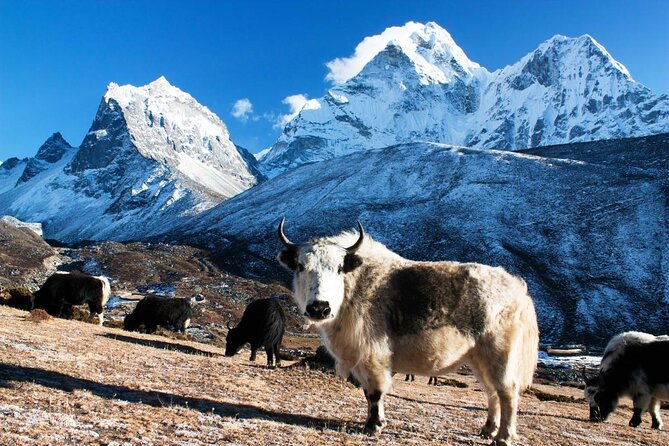
- The Everest Base Camp Trek offers breathtaking scenery of the Himalayas, alpine lakes, and lush valleys.
- The trek provides an opportunity to immerse in Sherpa culture and visit ancient monasteries.
- Trekkers can experience the warm hospitality of the locals and learn about the rich cultural heritage of the region.
- The trip itinerary is carefully designed for safety and well-being, with a focus on altitude sickness prevention and gradual acclimatization.
👉 See our pick of the 14 Best Shopping Tours In Kathmandu
Trek Highlights
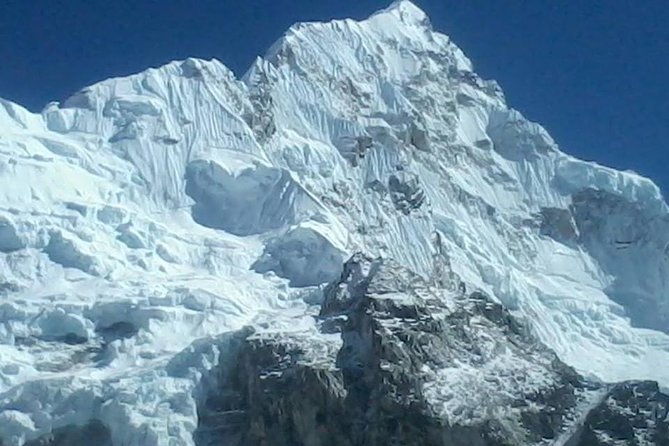
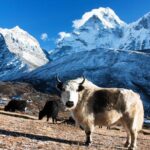
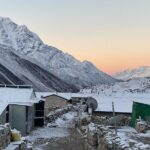
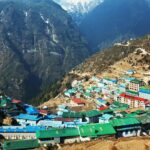
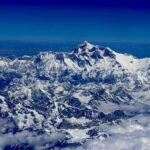
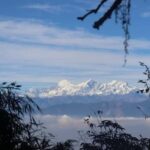
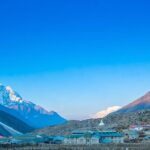
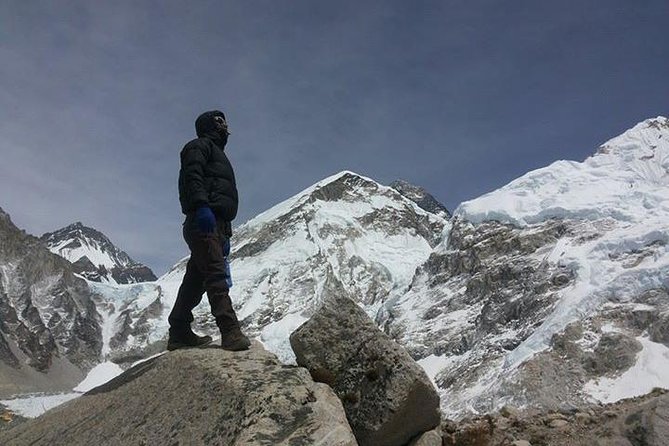
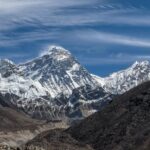
One of the most captivating aspects of the Everest Base Camp Trek is the breathtaking scenery that awaits adventurers at every turn. From the towering peaks of the Himalayas to the pristine alpine lakes and lush valleys, the trek offers a feast for the eyes.
But the beauty of the landscape isn’t the only thing that makes this trek so special. It’s also a chance to take in the unique Sherpa culture, visit ancient monasteries, and experience the warm hospitality of the locals.
The best time to visit the Everest Base Camp is during the spring (March to May) and autumn (September to November) seasons when the weather is relatively stable and the views are clear.
You can also read our reviews of more hiking tours in Kathmandu
Trip Itinerary
As adventurers prepare to embark on the Everest Base Camp Trek, they eagerly anticipate the detailed trip itinerary that will guide them through the awe-inspiring landscapes and cultural experiences that await them on this unforgettable journey.
The itinerary is carefully designed to ensure the safety and well-being of the trekkers, with a focus on altitude sickness prevention. It includes gradual acclimatization days and proper hydration recommendations to minimize the risk of altitude-related illnesses.
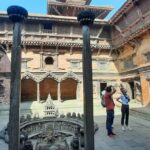
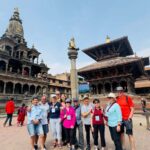
Along the trek, travelers will have the opportunity to enjoy the rich cultural heritage of the region. They’ll visit ornate monasteries, interact with the friendly Sherpa community, and experience their warm hospitality.
The trip itinerary also includes stays in family-run tea houses, providing a unique glimpse into the local way of life.
Accommodation and Meals
Accommodations on the Everest Base Camp Trek are cozy and comfortable, providing a much-needed respite after a day of exhilarating hiking and exploration.
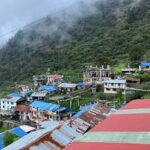
Throughout the trek, hikers have the option to stay in tea houses, which are family-run lodges that dot the trail. These tea houses offer a unique and authentic experience, allowing trekkers to enjoy the local culture and hospitality.
The rooms are basic but clean, with beds and warm blankets to ensure a good night’s sleep. Most tea houses also have communal dining areas where hikers can socialize and enjoy delicious local cuisine.
From traditional Nepali dal bhat (rice and lentils) to momos (dumplings) and thukpa (noodle soup), the meals are hearty and satisfying, providing the energy needed for the challenging trek ahead.
Essential Packing List

When preparing for the Everest Base Camp Trek, it’s essential to pack the right gear to ensure a safe and comfortable journey amidst the breathtaking Himalayan landscape. Proper gear is crucial for tackling the challenging terrain and unpredictable weather conditions.
It’s recommended to invest in high-quality hiking boots, waterproof and breathable clothing layers, a warm sleeping bag, and a sturdy backpack. Plus, altitude sickness prevention is of utmost importance. It’s advised to pack medications like acetazolamide, which can help alleviate symptoms.
Staying hydrated, taking regular breaks, and acclimatizing properly are also essential in preventing altitude sickness. By packing the right gear and taking necessary precautions, trekkers can fully enjoy the beauty of the Everest Base Camp Trek while ensuring their safety and well-being.
Booking and Payment Information
To secure your spot on the private Everest Base Camp Trek and make a hassle-free booking, follow the simple steps for payment and reservation.
Payment options and flexibility: Choose from various payment methods such as credit card, PayPal, or bank transfer. Enjoy the flexibility of paying in installments or in full, depending on your preference.
Group size and discounts: Whether you’re traveling alone or with a group, there are options available to accommodate everyone. Enjoy the benefits of traveling with a larger group, such as discounted rates and a more social experience.
Check availability for desired date: Before making your reservation, make sure to check the availability for your desired date. The Everest Base Camp Trek typically lasts for approximately 15 days, so plan accordingly.
Pickup offered for convenience: Rest assured knowing that airport pickup and drop-off services are provided for your convenience. This ensures a smooth and seamless transition from the airport to the start of your trek.


Common Questions
How Physically Demanding Is the Everest Base Camp Trek?
The Everest Base Camp trek is physically demanding due to the high altitude and difficulty of the terrain. Hikers must be prepared for challenging conditions, but the incredible views and experience make it worth it.
Are There Any Age Restrictions for the Trek?
Age restrictions and health requirements for the trek depend on the tour operator. It is recommended to consult with the operator to ensure that participants meet the necessary criteria for a safe and enjoyable experience.
Is Altitude Sickness Common During the Trek?
Altitude sickness precautions and acclimatization techniques are important during the trek. It is common to experience altitude sickness due to the high elevation. Proper acclimatization and gradual ascent can help minimize the risk.
Can I Bring My Own Sleeping Bag and Trekking Gear?
Yes, travelers have the option of bringing their own sleeping bag and trekking gear. However, rental options are available for those who prefer not to bring their own equipment.
Are There Any Additional Costs or Fees Not Mentioned in the Itinerary?
There are no additional costs or fees not mentioned in the itinerary for the Everest Base Camp Trek. Accommodation expenses, as well as food and water expenses, are already included in the package.
The Sum Up
Embark on the adventure of a lifetime with the Everest Base Camp Trek. With breathtaking scenery, warm Sherpa hospitality, and the chance to witness the majestic beauty of the Himalayas up close, this trek promises an unforgettable experience.
Whether you’re an experienced hiker or a beginner, this 15-day journey is sure to leave you inspired and in awe of the world’s highest peak.
Don’t miss out on this incredible opportunity to hike to Mount Everest and create memories that will last a lifetime.